
Kwon Yuri, widely recognized as Yuri of the globally acclaimed K-Pop group Girls’ Generation (SNSD) and a distinguished actress, recently shared profound insights into her decision to relocate to Jeju Island. During a revealing segment on the MBC variety program I Live Alone, the multifaceted entertainer provided viewers with an intimate look into her life on the picturesque island, articulating a journey of self-discovery driven by a desire for personal growth and a deeper connection to herself beyond the glare of the entertainment industry.
The candid revelation aired on the recent broadcast, capturing Yuri’s daily routines and contemplative moments on Jeju. Her narrative painted a vivid picture of the stark contrast between her demanding life as a top idol and actress and her new, more grounded existence. Yuri expressed that while the "glamorous spotlight and endless schedules" brought immense happiness and widespread popularity during her busiest periods, she concurrently experienced a significant "emptiness in [her] personal life." This internal void prompted a critical self-reflection, leading her to question her individual capabilities and self-sufficiency. "I wondered what I could do on my own, what I could handle alone, and realized I was terribly lacking," she confessed, highlighting a common sentiment among celebrities who often have their lives meticulously managed.
A Quest for Courage and Authenticity
The move to Jeju Island, a tranquil haven off the southern coast of the Korean Peninsula, emerged as a deliberate step towards addressing this perceived personal deficit. Yuri emphasized that her new environment had imbued her with a newfound sense of courage. "But here, I gained a lot of courage," she stated, attributing this transformation to the island’s unique atmosphere. She elaborated on this shift in perspective, noting, "I don’t know why I became so brave. Living in Jeju focuses more on making a living. Instead of worrying about appearances or impressions, it’s a place so natural, friendly, and close." This statement underscores a significant departure from the image-conscious world of K-Pop, where public perception and meticulous presentation are paramount. The natural, unpretentious environment of Jeju allowed her to shed the burden of constant scrutiny and embrace a more authentic version of herself.
Yuri specifically highlighted the therapeutic effect of the sea, a prominent feature of Jeju’s landscape. "When I go to the sea, I feel refreshed inside and think, ‘Kwon Yuri, you can do this. Just try it.’ It’s like vroom vroom and going for it," she described, illustrating the motivational power of nature. This profound connection to her surroundings has evidently been instrumental in bolstering her self-confidence and inspiring her to pursue personal challenges. Concluding her reflection on the footage of her daily life, she affirmed, "I guess I am finding my own path in my own way. I am gaining more confidence in that." This declaration signifies a pivotal moment in her personal journey, indicating a conscious effort to forge an identity independent of her professional accolades.

The Allure of Jeju Island: A Celebrity Sanctuary
Jeju Island, often referred to as "Korea’s Hawaii," holds UNESCO World Heritage status for its unique volcanic landscapes, pristine beaches, and distinctive cultural heritage. Its serene environment, away from the bustling metropolis of Seoul, has long made it a popular destination for both domestic and international tourists seeking respite and natural beauty. In recent years, it has also become a favored retreat and even a permanent residence for a growing number of Korean celebrities seeking privacy, a slower pace of life, and a deeper connection with nature.
The island offers a stark contrast to the high-pressure, fast-paced urban environment that defines much of the South Korean entertainment industry. With its emphasis on local agriculture, fishing, and eco-tourism, Jeju provides a lifestyle that prioritizes well-being and community over relentless competition and public image. For figures like Yuri, who have spent decades under an intense spotlight, Jeju represents an opportunity to reclaim personal space and redefine what "making a living" truly means—shifting from the pursuit of fame and material success to the cultivation of inner peace and self-sufficiency. This trend reflects a broader societal shift towards valuing mental health and work-life balance, even among the nation’s most celebrated figures.
The Enduring Pressure of K-Pop Stardom and Idol Burnout
Yuri’s candid confession sheds light on a pervasive issue within the highly competitive K-Pop industry: the immense pressure and potential for burnout faced by idols. Since her debut with Girls’ Generation in 2007, Yuri has navigated over 15 years in one of the most demanding entertainment landscapes globally. Girls’ Generation, often dubbed "The Nation’s Girl Group," achieved unprecedented success, becoming one of the best-selling K-Pop acts of all time and a cultural phenomenon across Asia and beyond. Such a meteoric rise comes with an exacting price.

The K-Pop training system is notoriously rigorous, often beginning in pre-teen years with intense vocal, dance, and language instruction. Once debuted, idols are subjected to relentless schedules involving album promotions, world tours, variety show appearances, acting projects, and endorsements, often with minimal personal time. Strict diets, constant public scrutiny, and the pressure to maintain a flawless image contribute to significant mental and physical strain. Reports and studies have increasingly highlighted the prevalence of anxiety, depression, and other mental health challenges among K-Pop artists, underscoring the severe psychological toll of idol life. Yuri’s experience of feeling "terribly lacking" in her personal life despite outward success resonates with many former and current idols who have spoken about the dehumanizing aspects of their careers, where personal identity can often be subsumed by a carefully crafted public persona. Her narrative provides a vital, humanizing perspective on the sacrifices made for global stardom.
Girls’ Generation’s Legacy and Yuri’s Multifaceted Career
Girls’ Generation’s influence on K-Pop and global music culture is undeniable. Debuting under SM Entertainment, the group released numerous hit songs such as "Gee," "Genie," "I Got A Boy," and "Lion Heart," cementing their status as pioneers of the Hallyu wave. Their meticulous choreography, powerful vocals, and charismatic stage presence captivated millions, leading to multiple awards and record-breaking achievements. For Yuri, being a core member of such a groundbreaking group meant a life lived largely in the public eye, with every action and decision scrutinized.
Beyond her contributions to Girls’ Generation’s musical legacy, Yuri has successfully carved out a significant career as an actress and television personality. Her acting credits include notable dramas such as Fashion King (2012), Gogh, The Starry Night (2016), and Bossam: Steal the Fate (2021), the latter earning her critical acclaim for her nuanced portrayal of a princess. She has also showcased her versatility through various variety shows and solo music releases, demonstrating a continuous artistic evolution. This constant engagement across different facets of entertainment underscores the "extremely busy" period she referenced, making her search for personal equilibrium all the more poignant. Her transition to Jeju, therefore, isn’t a retreat from her career but rather a rebalancing of her life, indicating a desire to nurture her individual self alongside her professional endeavors.
Implications and Broader Impact
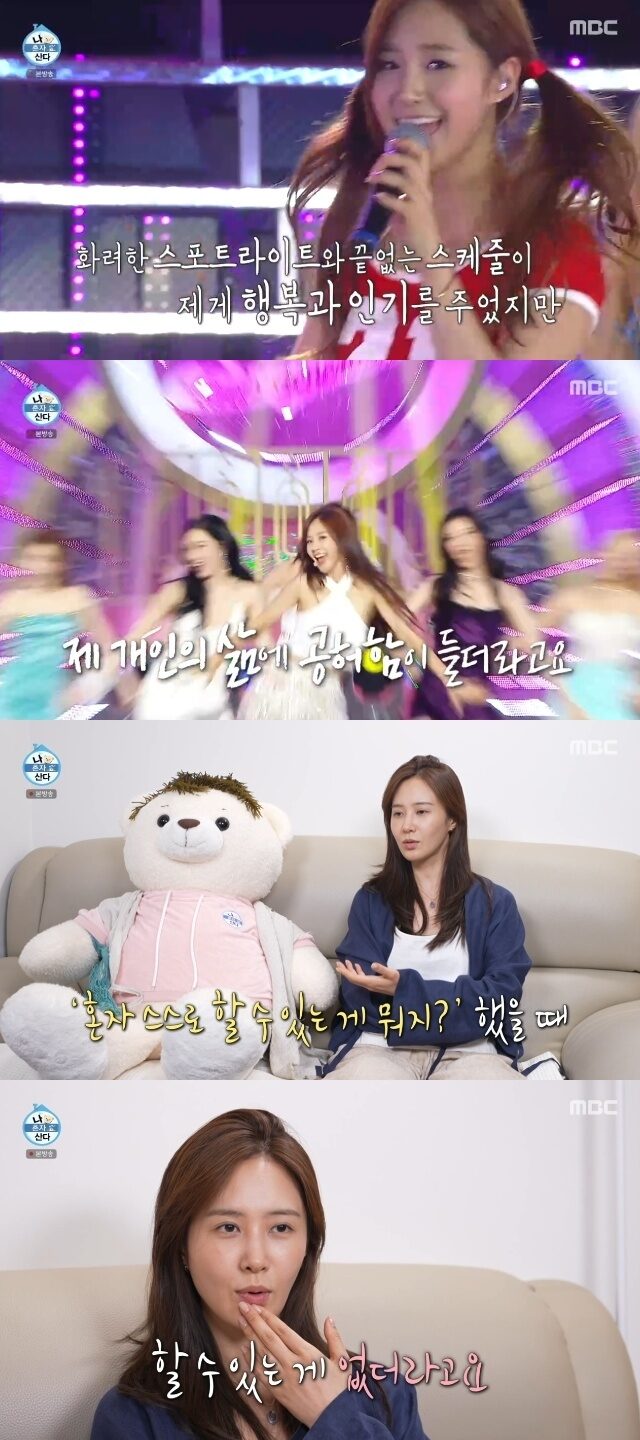
Yuri’s public declaration on I Live Alone carries significant implications for the discourse surrounding celebrity well-being in South Korea. Her honest sharing contributes to normalizing conversations about mental health and the importance of personal fulfillment beyond professional achievements within a culture that often places immense pressure on individuals to succeed. By openly discussing her vulnerability and her quest for self-improvement, she provides a powerful role model for others, both within and outside the entertainment industry, who may be grappling with similar feelings of emptiness despite outward success.
The public’s reaction to such revelations is typically one of support and understanding. Fans, who have witnessed Yuri’s journey for over a decade, often appreciate the authenticity and courage required for a public figure to admit such personal struggles. This transparency helps to humanize idols, fostering a deeper connection between artists and their audience. Moreover, Yuri’s decision to move to Jeju reinforces a growing trend among public figures to prioritize a more balanced and fulfilling lifestyle, potentially influencing younger idols and aspiring entertainers to consider their long-term well-being from the outset of their careers. It subtly challenges the traditional narrative that relentless work and constant visibility are the sole paths to enduring success and happiness.
Looking Ahead: A New Chapter for Kwon Yuri
As Yuri embarks on this new chapter in Jeju, her personal growth is likely to have a profound impact on her future artistic and professional choices. Her newfound courage and focus on authenticity may lead her to pursue projects that resonate more deeply with her personal values and experiences. This could manifest in more introspective acting roles, music that reflects her journey of self-discovery, or even advocacy for mental health and well-being within the entertainment industry.
Her participation in I Live Alone, a program specifically designed to showcase the independent lives of celebrities, perfectly aligns with her current trajectory of self-discovery. The show provides a platform for her to connect with the public on a more personal level, sharing her authentic self rather than a curated image. Ultimately, Yuri’s relocation to Jeju Island is more than just a change of scenery; it is a testament to her evolving understanding of success, happiness, and what it truly means to live a meaningful life. It underscores a broader cultural shift where even the brightest stars are seeking solace, authenticity, and a connection to something more profound than fleeting fame. Her journey serves as an inspiring example of resilience and self-determination in the face of extraordinary pressures, signaling a vibrant future shaped by personal conviction and inner strength.