The global ascent of K-pop, a multibillion-dollar industry originating from South Korea, has fostered a remarkably diverse international community. While the genre is celebrated for its high-octane performances, intricate choreography, and polished production, its expansion into Western markets has brought longstanding issues of cultural sensitivity and racial dynamics to the forefront. For Black K-pop fans, the relationship with the genre is often a nuanced navigation between genuine musical appreciation and the recurring sting of cultural appropriation. A recent roundtable discussion featuring cultural commentators Camiele, Cjontai, and Taylore highlights the multifaceted experiences of Black fans who find themselves at the intersection of a culture they love and an industry that frequently misunderstands or misrepresents their identity.
The Foundation of Influence and the Appropriation Gap
The historical lineage of K-pop is inextricably linked to Black musical traditions. From the early 1990s, when Seo Taiji and Boys revolutionized the Korean music scene by incorporating American rap and new jack swing, to the modern dominance of R&B and hip-hop aesthetics in groups like BTS, Big Bang, and EXO, the influence is undeniable. However, the distinction between cultural appreciation and appropriation remains a contentious point of friction.
Cultural appreciation is often characterized by a deep understanding and respect for the origins of a medium. The roundtable participants noted that artists like Rap Monster (now RM) of BTS have demonstrated this by recommending music from Black artists such as D’Angelo, Prince, and India Arie, thereby encouraging fans to explore the roots of the sounds they enjoy. Similarly, the industry’s frequent homages to Michael Jackson—evident in the choreography and visual aesthetics of soloists like Taemin and Niel—are generally viewed as respectful nods to a global icon.

Conversely, appropriation occurs when elements of a marginalized culture are adopted as a "costume" or a "trend" without regard for their historical or social significance. The roundtable pointed to 4Minute’s "Crazy" and Keith Ape’s "It G Ma" as examples where the adoption of hip-hop aesthetics can feel like a gimmick. When groups utilize "Blackness" to project a "tough" or "edgy" image—often referred to as a hip-hop concept—only to discard it for a bubblegum pop aesthetic once the trend fades, it signals to Black fans that their culture is being treated as a disposable commodity rather than a respected art form.
A Chronology of Controversy and the "Kanye Defense"
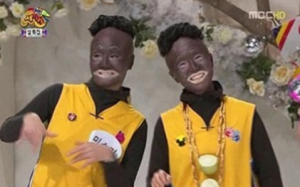
The history of K-pop is marked by a series of incidents that have sparked significant backlash from Black fans. These events range from the use of racial slurs in lyrics to the appearance of the Confederate flag in fashion and the recurring issue of blackface in variety shows. One specific point of frustration highlighted by the roundtable is the "Kanye West defense." In several instances where K-pop idols have worn the Confederate flag, fans have pointed to American rapper Kanye West’s use of the symbol as a justification.

Commentators argue that using a single, often controversial Black figure as a shield for problematic behavior is a logical fallacy that ignores the broader pain associated with such symbols. The Confederate flag, a symbol of systemic oppression in the United States, carries a weight that transcends fashion. While South Korean education systems may not prioritize U.S. history, the roundtable participants emphasized that in a digital, globalized era, ignorance is no longer a viable excuse for major entertainment corporations aiming for international success.
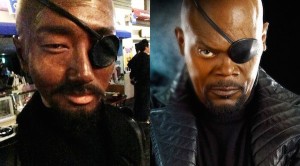
The timeline of these controversies is extensive. From Yesung’s use of blackface to mimic Nick Fury to various idols dropping the "N-word" in covers or original verses, the repetition of these "mistakes" suggests a systemic lack of cultural competency training within major agencies like SM Entertainment, YG Entertainment, and JYP Entertainment.

Data and Market Realities: The Black Influence on the Bottom Line
The financial success of K-pop is increasingly dependent on the North American market, where Black culture is the primary driver of mainstream trends. According to data from various industry reports, R&B and Hip-Hop accounted for nearly 30% of all music consumption in the U.S. in recent years. As K-pop seeks to capture this market, it inevitably leans into these genres.
The roundtable participants noted that without Black influence, the K-pop landscape would look drastically different. Genres such as trot (a traditional Korean pop style) or pure EDM would likely dominate, and the "idol rapper" archetype—now a staple of every group from Got7 to iKon—would not exist. Programs like Show Me the Money, Unpretty Rapstar, and American Hustle Life (which featured BTS learning from hip-hop legends like Coolio and Warren G) are direct results of this cultural exchange.
Despite this heavy reliance on Black musicality, Black fans often feel invisible within the fandom. Fan-produced content, such as "reader-insert" fan fiction, often assumes a non-Black audience, utilizing physical descriptions that do not resonate with the experiences of Black women. This lack of representation creates a sense of "othering," even as these fans contribute significantly to the genre’s global streaming numbers and social media engagement.
Official Responses and the Path to Education
While many agencies have remained silent in the face of controversy, some have shown a willingness to listen and adapt. The roundtable highlighted Seven Seasons, the agency for the group Block B, as a positive example. When international fans reached out to educate the agency on the offensive nature of certain actions by the group’s leader, Zico, the agency responded by engaging with the feedback rather than dismissing it.

However, a recurring sentiment among non-Black fans is the directive for Black fans to "let it slide" or "get over it." This passive-aggressive dismissal suggests that the feelings of marginalized fans are secondary to the "purity" of the idol’s image. The roundtable participants argued that this rhetoric essentially labels idols as incapable of learning, which is an insult to the artists themselves. If an artist is talented enough to master complex choreography and foreign languages, they are certainly capable of understanding the basic tenets of cultural respect.
The Complexity of the "Asian Artist" Narrative in the West
A significant point of analysis raised during the discussion is the shared experience of marginalization. Cjontai noted that Asian entertainers are often underrepresented and undervalued in the Western media landscape. For many Black fans, supporting K-pop is also a way to support Asian artists who are fighting for a seat at the global table.

This creates a complex dynamic: Black fans want to see Asian artists succeed and break through the "bamboo ceiling" of the U.S. entertainment industry, but they also demand that this success does not come at the expense of Black dignity. The tension between Korean and Black rappers, for instance, often stems from a defensive posture regarding authenticity. As Camiele noted, there is a historical fear that hip-hop will be "watered down" or turned into a "minstrel show" when adopted by those who do not respect its origins.
Broader Impact and Future Implications
The global K-pop industry stands at a crossroads. As it transitions from a regional phenomenon to a permanent fixture of the global music industry, its "soft power" carries significant responsibility. The roundtable discussion serves as a reminder that the K-pop community is not a monolith. Black fans are a vital part of the ecosystem, and their calls for respect are not "fake outrage" but a plea for the industry to acknowledge the roots of its success.
For K-pop to truly flourish as a global medium, it must move beyond imitation and toward genuine integration. This involves not only cultural competency training for artists and staff but also a conscious effort to include diverse voices in the creative and marketing processes. The beauty of music, as the participants concluded, lies in its ability to act as a "stained-glass window"—a kaleidoscope of colors and cultures that shines brightest when every pane is treated with equal care and respect.
The ongoing dialogue between Black fans and the K-pop industry is more than a series of internet debates; it is a vital part of the genre’s evolution. By addressing issues of colorism, appropriation, and systemic racism, the industry has the opportunity to build a more inclusive and sustainable future. As the roundtable participants noted, they remain for the music—a testament to the power of the art form—but their continued support is contingent on a reciprocal respect that has, at times, been sorely lacking.