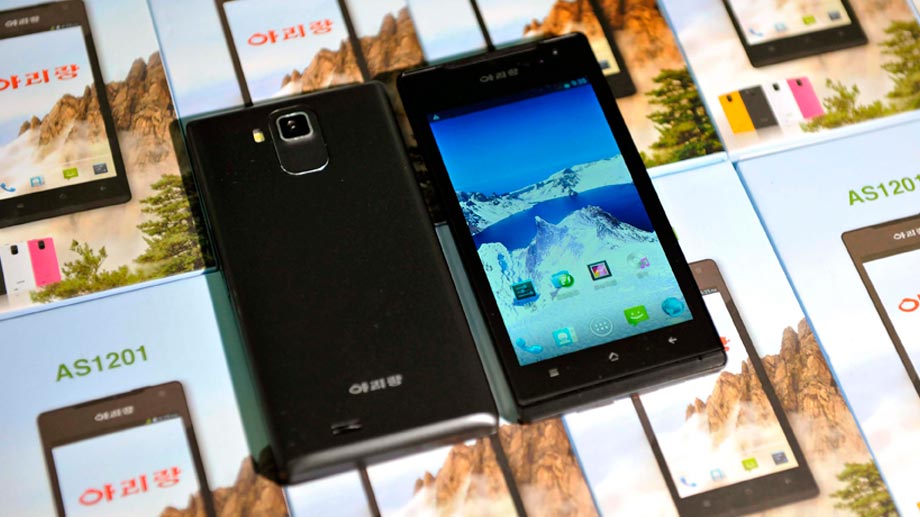
In a move that highlights the intersection of technological aspiration and deep-seated nationalist sentiment, North Korea recently announced the production of its first domestic smartphone, the Arirang. Named after the peninsula’s most iconic folk song, the device represents more than just a foray into the mobile electronics market for the Democratic People’s Republic of Korea (DPRK). It serves as a potent symbol of self-reliance and a strategic appropriation of a cultural touchstone that predates the modern division of the North and South. While the international community remains skeptical regarding the actual manufacturing origins of the device, the branding of the Arirang smartphone offers a significant window into the socio-cultural fabric of East Asia and the ongoing battle for cultural legitimacy between the two Koreas.
The Unveiling of the Arirang AS1201
The announcement of the Arirang smartphone came following a highly publicized visit by North Korean leader Kim Jong-un to the "May 11 Factory." State media, including the Korean Central News Agency (KCNA), reported that the leader inspected the production process and praised the workers for their "patriotic enthusiasm." According to official reports, the smartphone features a high-resolution camera and a touch screen, which Kim Jong-un noted was "sensitive" and "convenient" for the user.
However, technology analysts and regional experts have raised significant doubts about the claim that the phones are manufactured entirely within North Korea. Detailed examinations of the released photographs suggest that the Arirang AS1201 is a rebranded version of the Uniscope U70, a budget smartphone produced in China. Critics argue that the "production" witnessed by state media was likely a final assembly or packaging process for components imported from across the border. Despite these technical skepticism, the political message remains clear: North Korea intends to project an image of a modern, technologically advanced state that provides for the digital needs of its citizens through "indigenous" means.
The Significance of the Arirang Name
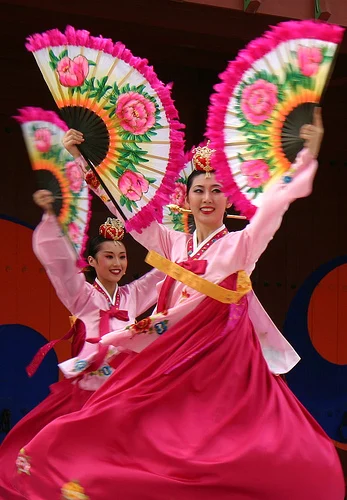
The choice of the name "Arirang" for a piece of modern technology is a calculated move. To understand why this name carries such weight, one must look at the history of the song itself. Arirang is often referred to as the unofficial national anthem of the Korean people. It is a traditional folk song, or minyo, that exists in hundreds of variations across the peninsula, with the most famous version being the "Bon Arirang."
The song is characterized by its simple melody and its lyrics, which generally describe a traveler or a lover crossing the Arirang Pass. While the literal meaning of the words is often debated—some scholars describe them as nonsensical or onomatopoeic—the emotional resonance of the song is undisputed. It embodies the concept of Han, a uniquely Korean emotion described as a collective feeling of grief, resentment, and longing, often stemming from the country’s history of foreign invasion and internal struggle.
Historical Chronology: From Folklore to National Identity
The transformation of Arirang from a local folk tune into a symbol of national resistance occurred primarily during the Japanese colonial occupation of Korea (1910–1945). Before this era, the song was one of many regional melodies. However, its popularity surged following the 1926 release of the silent film Arirang, directed by and starring Na Woon-gyu. The film, which depicted the struggles of Koreans under colonial rule, used the song as a centerpiece.
During the occupation, Arirang became a rallying cry. It was a way for Koreans to express their shared identity and their desire for independence without always attracting the direct ire of Japanese censors. In this context, Arirang was "deposited" with the historical experiences and emotions of a people facing the erasure of their culture.
Following the end of World War II and the subsequent division of the peninsula into the North (DPRK) and South (ROK), both nations claimed Arirang as their own. In South Korea, while the official anthem is the brass-heavy and Western-influenced "Aegukga" (The Song of Love for Country), Arirang remains the emotional heart of the public. This was solidified in 2012 when, after significant lobbying by the South Korean government, UNESCO added Arirang to the Representative List of the Intangible Cultural Heritage of Humanity. Interestingly, North Korea followed suit, successfully applying for its own version of Arirang to be recognized by UNESCO in 2014, emphasizing the song’s status as a shared, yet contested, heritage.
The Paradox of Cultural Appropriation in Japan
The cultural history of Arirang is further complicated by its reception in Japan. Despite the brutal nature of the colonial occupation, Arirang became a major pop hit in mainland Japan during the early 1930s. Japanese audiences of the time associated the song with a sense of "continental" melancholy. To the Japanese, Arirang represented a simpler, more pastoral past—a form of cultural nostalgia for an era before rapid industrialization.

This historical appropriation parallels modern trends in East Asian pop culture. Today, despite ongoing diplomatic tensions over issues such as the Liancourt Rocks (Dokdo/Takeshima) and historical grievances related to "comfort women," South Korean pop culture (Hallyu) remains immensely popular in Japan. The success of K-pop and K-dramas in Japan suggests that aesthetic and cultural appreciation can often transcend political and military friction.
Modern Technological Competition and Soft Power
The launch of the Arirang smartphone must also be viewed through the lens of regional economic competition. In the South, tech giants like Samsung and LG have become global leaders, providing the ROK with immense "soft power" and economic leverage. For the North, the Arirang phone is an attempt to enter this arena, even if only symbolically.
The smartphone serves several domestic and international purposes:
- Nationalist Pride: It signals to the North Korean populace that their nation is capable of producing the same high-tech goods as the South and the West.
- Information Control: By providing a "domestic" smartphone, the regime can better control the hardware used by its citizens. These devices typically run a modified version of the Android operating system that is locked down to prevent access to the global internet, instead connecting to the state-controlled intranet, Kwangmyong.
- Cultural Legitimacy: By naming the device Arirang, the DPRK asserts its role as the "true" guardian of Korean tradition, linking the regime to a history that predates the influence of the United States in the South.
Broader Implications and Analysis
The existence of the Arirang smartphone, and the cultural weight of its name, highlights a fundamental truth about the Korean peninsula: despite nearly 80 years of division, a shared cultural foundation remains. This foundation, however, is being utilized as a tool of statecraft.
In the South, Arirang is a symbol of a vibrant, democratic culture that has successfully exported its identity to the world. In the North, it is a symbol of endurance and "Juche" (self-reliance) against "imperialist" forces. The fact that both sides use the same song to justify different ideologies speaks to the power of cultural symbols.
Furthermore, the popularity of South Korean media within the North—often smuggled in via USB drives—indicates that the "Hallyu" effect is not limited to Japan or the West. Reports suggest that the North Korean government has even attempted to create its own versions of K-pop groups, such as the Moranbong Band, to satisfy the public’s desire for modern entertainment while maintaining ideological purity.
Conclusion: A Peninsula Linked by Song and Silicon
The Arirang smartphone is likely to remain a technological curiosity to the outside world, hampered by its likely Chinese origins and its restricted capabilities. Yet, its launch is a significant event in the ongoing cultural war between the two Koreas. It serves as a reminder that the conflict on the peninsula is not merely about nuclear missiles or military drills; it is a struggle over identity, history, and the future of a shared heritage.
As the North and South continue to compete in fields ranging from electronics to UNESCO recognition, the song "Arirang" continues to play in the background—a melody of shared sorrow and persistent hope. Whether through a traditional folk performance or the startup screen of a state-sanctioned smartphone, Arirang remains the most enduring link between two nations that are technically still at war, proving that even in a region defined by division, cultural threads are the hardest to break.