
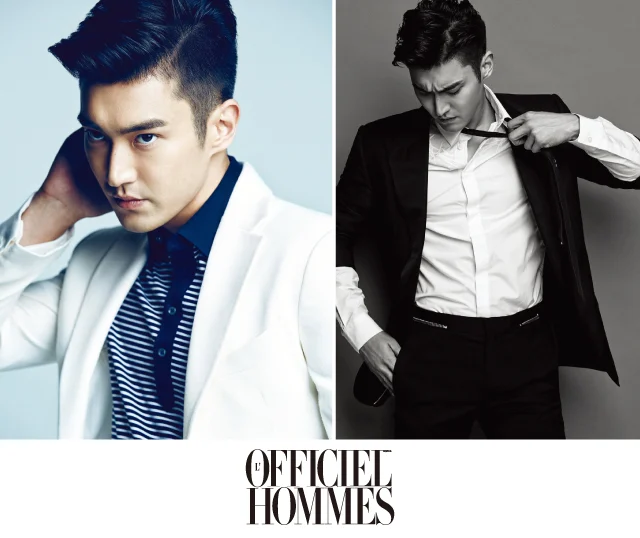
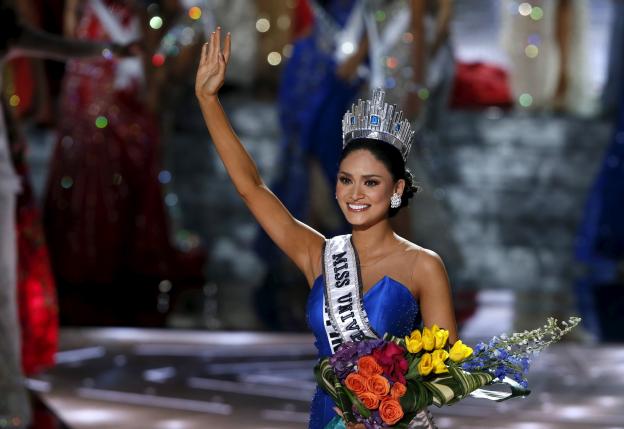
The 64th Miss Universe pageant, held on December 20, 2015, at the AXIS in Las Vegas, Nevada, will forever be remembered for one of the most significant live television errors in broadcasting history. Host Steve Harvey mistakenly announced Miss Colombia, Ariadna Gutiérrez, as the winner, only to return minutes later to correct the results, crowning Pia Wurtzbach of the Philippines as the actual Miss Universe 2015. While the global media remained fixated on the fallout of the crowning error and the subsequent tension between the participating nations, a secondary narrative began to emerge within the digital sphere. K-pop enthusiasts and social media archivists discovered that the newly crowned Miss Universe was a dedicated "stan" of the South Korean boy band Super Junior, specifically favoring member Choi Siwon. This revelation bridged the worlds of international pageantry and the Hallyu wave, sparking a global conversation about the normalization of celebrity fandoms and the pervasive reach of South Korean culture.
The Timeline of the Miss Universe 2015 Crowning Incident
The events of December 20, 2015, unfolded with a level of drama rarely seen in the history of the Miss Universe Organization. After a rigorous competition involving 80 contestants, the final three were narrowed down to representatives from the United States, Colombia, and the Philippines. As the climax approached, Steve Harvey announced Miss USA, Olivia Jordan, as the second runner-up. The final moment came down to Miss Colombia and Miss Philippines.
Harvey initially announced Miss Colombia as the winner. Gutiérrez was draped in the Miss Universe sash and crowned by her compatriot, the outgoing Miss Universe Paulina Vega. She stood at the front of the stage, waving to the crowd for approximately four minutes. However, the atmosphere shifted abruptly when Harvey reappeared on stage, visibly distressed. He stated, "I have to apologize. The first runner-up is Colombia. Miss Universe 2015 is Philippines."
The correction resulted in a moment of profound confusion. Pia Wurtzbach, initially standing in the background as the runner-up, appeared shocked and hesitant to move forward. The crown was eventually removed from Gutiérrez and placed on Wurtzbach in a transition that was broadcast to millions of viewers worldwide. In the days following the event, Harvey took full responsibility for the error, citing a misreading of the results card. While the incident led to significant legal and diplomatic discussions between the involved parties, it also directed an unprecedented amount of digital traffic toward Wurtzbach’s personal history and social media presence.
Digital Archaeology: The Discovery of a "Siwonest"
As Wurtzbach began her reign, fans in the Philippines and across the globe began exploring her past social media interactions. It was during this period of digital scrutiny that members of the K-pop fandom, particularly the "ELF" (Ever Lasting Friends, the official fan club of Super Junior), discovered tweets dating back to 2009 and 2010. These posts revealed that Wurtzbach was a passionate follower of the group.
The tweets, which quickly went viral, depicted a younger Wurtzbach expressing her admiration for Choi Siwon, one of Super Junior’s most prominent members. In several posts, she referred to herself as "Mrs. Siwon Choi" and joked about being the singer’s wife. One specific tweet from 2009 read, "Hi. I’m Mrs. Siwon Choi. Nice to meet you." Another post from 2011 showed her enthusiasm for the group’s "Sorry Sorry" era, a period when Super Junior solidified their status as global leaders of the Hallyu wave.
The discovery of these tweets humanized the Miss Universe titleholder in a way that traditional pageant PR rarely achieves. To the K-pop community, Wurtzbach was no longer just an untouchable beauty queen; she was a peer who had spent years supporting her favorite "bias" (a K-pop term for a favorite member). This connection resonated particularly well in the Philippines, a country that has historically been one of the most significant markets for K-pop in Southeast Asia.
Official Responses and Cross-Cultural Engagement
The intersection of Miss Universe and K-pop was not a one-sided affair. On December 27, 2015, Choi Siwon himself acknowledged Wurtzbach’s fandom. Taking to Instagram, Siwon posted a photo of himself dressed in formal attire alongside a caption congratulating Wurtzbach on her victory. He wrote, "Pia Alonzo Wurtzbach 🙂 Heartfelt Congratulations on your Miss Universe 2015 award, and please be my guest for next SUPERSHOW! Looking forward to seeing you shining the world :^)"
Wurtzbach responded with equal enthusiasm, thanking him and acknowledging the invitation. This exchange was more than just a polite interaction between two celebrities; it represented a strategic alignment of two massive global fanbases. Super Junior’s official social media accounts also joined in, welcoming Wurtzbach to the "ELF" family.
The Miss Universe Organization, recognizing the positive engagement, allowed these interactions to flourish. This marked a shift in how pageant winners were permitted to express their personal interests. Traditionally, Miss Universe winners were expected to maintain a strictly neutral and professional persona. However, Wurtzbach’s open admission of her K-pop fandom signaled a new era where authenticity and relatability were viewed as assets rather than distractions from the title’s prestige.
Contextualizing Hallyu’s Influence in the Philippines
The significance of Wurtzbach’s fandom cannot be fully understood without examining the cultural landscape of the Philippines. Since the early 2000s, the Philippines has been a primary consumer of South Korean media, including K-dramas and K-pop. According to data from the Korea Foundation for International Cultural Exchange (KOFICE), the Philippines consistently ranks among the top countries for "Hallyu consumption" in terms of social media engagement and concert attendance.
Super Junior, in particular, holds a legacy status in the country. Their 2009 hit "Sorry Sorry" spent ten consecutive weeks at number one on Philippine music charts, and they were among the first K-pop acts to hold large-scale stadium concerts in Manila. By identifying as a fan of a group that had been active for a decade, Wurtzbach tapped into a deep-rooted cultural phenomenon. Her "stanning" was not a fleeting trend but a reflection of a generation of Filipinos who grew up alongside the rise of the Korean wave.
Furthermore, the Philippines is a nation where beauty pageants are treated with the same intensity as professional sports. The "Big Four" pageants (Miss Universe, Miss World, Miss International, and Miss Earth) garner millions of viewers. The convergence of pageant culture and K-pop culture in the person of Pia Wurtzbach created a unique synergy that amplified the visibility of both industries.

Analysis of Celebrity Fandom and Public Perception
The reaction to Wurtzbach’s K-pop fandom also raises questions about the stigma associated with "stanning." Historically, intense fandom—particularly toward boy bands—has been dismissed as "fangirl behavior," often characterized as irrational or immature. Wurtzbach’s status as a Miss Universe winner challenged these stereotypes.
As noted in the original Seoulbeats report, many fans often feel a sense of hesitation or embarrassment regarding their level of dedication to a musical act, fearing it may be held against them in professional settings. Wurtzbach’s public embrace of her past tweets suggested that one could be both a globally recognized professional and a dedicated fan.
From a journalistic perspective, this event serves as a case study in how social media "archaeology" can be used to build a celebrity’s brand rather than tear it down. In an era where old tweets are frequently used to "cancel" public figures, Wurtzbach’s digital history served to make her more relatable and grounded. It showcased a narrative of growth—from a teenage fan tweeting at her favorite idol to a woman standing on the world stage representing her country.
Broader Impact and Implications for the Miss Universe Brand
The Miss Universe 2015 pageant was a turning point for the organization, which was then under new ownership by WME/IMG after being sold by Donald Trump. The organization was looking to modernize its image and appeal to a younger, more digitally savvy demographic. The viral story of Wurtzbach’s K-pop fandom perfectly aligned with this objective.
The implications of this crossover were felt in several areas:
- Market Expansion: The Miss Universe brand received significant exposure in South Korea and within the global K-pop community, a demographic that might not have previously followed international pageantry.
- Social Media Strategy: The incident demonstrated the power of organic, fan-driven narratives. The fact that the story was "discovered" by fans rather than manufactured by a PR team gave it a level of authenticity that resonated with audiences.
- Humanization of the Titleholder: Wurtzbach’s reign was characterized by her accessibility. By engaging with K-pop fans, she broke the "ice queen" mold often associated with pageant winners, paving the way for future winners to share their personal hobbies and interests more freely.
In conclusion, the crowning of Pia Wurtzbach was a landmark event for more than just the host’s error. It represented a unique moment in pop culture where the rigid, traditional world of international beauty pageants collided with the vibrant, fast-paced world of K-pop. Wurtzbach’s unapologetic history as a Super Junior fan served as a bridge between cultures, proving that the influence of the Hallyu wave extends to the highest echelons of global celebrity. As she transitioned from a fan to a peer of the idols she once admired, Wurtzbach underscored the transformative power of modern fandom in the digital age.