The Sasaeng Phenomenon and the Security Challenges Facing the K-pop Industry
Article Editorial Team

The South Korean music industry, known globally as K-pop, has long been characterized by its highly organized and passionate fandoms. However, a darker subculture exists within this ecosystem: the "sasaeng" fan. Derived from the Korean words "sa" (private) and "saeng" (life), sasaengs are individuals who engage in obsessive, often criminal, behavior to intrude upon the personal lives of idols. Unlike traditional fans who support an artist’s professional work, sasaengs dedicate their lives to 24/7 surveillance, tracking the movements of celebrities through illegal means. This phenomenon has recently resurfaced in the public consciousness following a series of high-profile incidents involving the rookie group EXO, prompting a broader discussion on artist safety, agency responsibility, and the psychological drivers of obsessive fandom.
The Anatomy of Sasaeng Behavior
Sasaeng activity transcends simple admiration, manifesting as a systematic form of stalking. These individuals often employ sophisticated and expensive methods to maintain proximity to their targets. One of the most prevalent tools is the "sasaeng taxi"—customized cabs that can be chartered for upwards of $500 a day to follow an idol’s van at high speeds, often leading to dangerous traffic violations and accidents.
Beyond physical pursuit, sasaengs engage in severe privacy breaches, including:
- Digital Intrusion: Hacking into personal social media accounts, cloud storage, and phone records to obtain private photos and contact lists.
- Physical Trespassing: Breaking into dormitories or hotel rooms to steal personal items, such as clothing or undergarments, or to photograph idols while they sleep.
- Financial Exploitation: Purchasing and selling "black market" information, such as flight details, social security numbers, and home addresses.
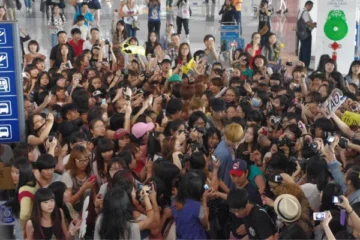
- Physical Harassment: Intentional physical contact in crowded areas like airports, often resulting in "stampede" scenarios where idols are shoved, tripped, or groped.
Case Study: The Rise of EXO and the Escalation of Fan Aggression
While the legendary group TVXQ is often cited as the first major victim of extreme sasaeng culture—with members famously reporting home invasions and the cloning of their phone SIM cards—the group EXO has become the contemporary face of this crisis. Since their debut, EXO has faced an unprecedented level of scrutiny and physical endangerment.
In an interview with Sports Seoul, the members of EXO expressed profound distress over the ongoing intrusion into their private lives. The group highlighted how the actions of a few individuals have tarnished the reputation of their entire fanbase. Specific incidents that have made headlines include:

- Privacy Violations in Private Spaces: Reports surfaced of fans recording audio of member Tao singing in the shower at a hotel.
- Airport Mobility Issues: Frequent "elephant stampedes" at international airports have led to members falling and sustaining minor injuries due to aggressive shoving.
- Personal Life Disruptions: Fans have been known to crash private family events, such as weddings, to catch a glimpse of the members.
The intensity of the sasaeng following surrounding EXO is often attributed to the "SM Entertainment Effect." As a group from one of the "Big Three" agencies, EXO was launched with immense hype and a meticulously crafted supernatural backstory. Analysts suggest that this level of branding, combined with the members’ youth and visual appeal, creates a volatile environment for parasocial obsession.
Chronology of Sasaeng Escalation in K-pop
The evolution of sasaeng behavior can be traced through several "generations" of K-pop, reflecting changes in technology and marketing:
- The First Generation (Late 1990s): Groups like H.O.T. and Shinhwa dealt with fans waiting outside dorms for days. The primary concern was physical crowding and occasional theft of mail.
- The Second Generation (Mid-2000s): The rise of TVXQ and Super Junior saw the introduction of sasaeng taxis and the first instances of digital hacking. This era was marked by high-speed car chases and the theft of intimate personal data.
- The Third Generation (Early 2010s to Present): With the advent of smartphones and global social media, sasaengs now operate internationally. Groups like EXO and BTS face global tracking, where their flight information is sold on Twitter within minutes of booking.
Factors Contributing to the Sasaeng Crisis
Journalistic analysis and industry observations suggest several structural factors that contribute to the proliferation of sasaeng culture.

1. The "Big Agency" Prestige
Idols from major companies like SM, YG, and JYP Entertainment are inherently more susceptible. These agencies possess the resources to create "larger-than-life" personas, which can inadvertently fuel the delusion among certain fans that these idols are "god-like" figures rather than human beings with a right to privacy.
2. Demographic Targeting and Parasocial Bonds
K-pop marketing heavily emphasizes the "boyfriend/girlfriend" image, encouraging fans to feel a deep personal connection with idols. When this marketing targets a younger, more impressionable demographic, the line between healthy support and obsessive possession can become blurred.
3. The "Shipping" Culture
The industry often promotes "ships" or "OTPs" (One True Pairings)—close-knit interactions between members—to drive engagement. While this is largely harmless fun for the majority of the fandom, for sasaengs, these manufactured narratives can become "realities" they feel a need to protect or investigate, leading to intrusive surveillance of members’ actual dating lives.

Industry Risk Mitigation and Official Responses
In response to the growing threat, agencies and idols have begun to adopt more assertive stances. Historically, South Korean entertainment companies were hesitant to take legal action against fans for fear of damaging the group’s public image. However, the severity of recent incidents has forced a shift in policy.
Legal Recourse and Law Enforcement
Agencies are increasingly "lawyering up," filing lawsuits for defamation, trespassing, and stalking. While South Korea’s stalking laws have historically been criticized as being too lenient, recent legislative shifts are beginning to recognize the gravity of these crimes. The "Sasaeng Prevention Act" has been a topic of discussion among lawmakers, aiming to provide stricter penalties for those who harass public figures.
Direct Confrontation and Boundary Setting
Some veteran idols have taken a direct approach to managing their fandoms. Shinhwa’s Kim Dongwan famously stated, "Shinhwa isn’t responsible for your lives," a bold move that initially cost the group some fans but ultimately established a healthier boundary for their long-term career. Similarly, TVXQ’s Changmin has been vocal about his disdain for sasaeng behavior, once famously telling intrusive fans to "go find a boyfriend" and live their own lives.

Cybersecurity and Digital Management
Agencies are now investing in higher levels of digital security to protect idols’ personal information. This includes the use of encrypted communication apps and the frequent changing of personal phone numbers. Furthermore, some groups have moved toward more "mellow" marketing strategies, focusing on musical talent rather than complex, mythologized backstories that might over-stimulate obsessive tendencies.
The Psychological and Social Implications
The sasaeng phenomenon is not merely a security issue but a psychological one. Mental health experts suggest that sasaeng behavior is often a manifestation of "Erotomania" or "Borderline Personality Disorder," where the individual believes they have a special relationship with the celebrity that justifies their intrusive actions.
The broader impact on the K-pop industry is significant. The constant threat of sasaengs leads to:

- Burnout and Trauma: Idols often suffer from anxiety, insomnia, and paranoia, knowing they are being watched even in their most private moments.
- Economic Loss: Agencies must spend millions of won on private security details and legal fees.
- Reputational Damage: Extreme fan behavior can deter the general public from engaging with K-pop, branding the genre as a "cult-like" or "dangerous" subculture.
Conclusion: Toward a Sustainable Fandom Culture
The sasaeng crisis represents a fundamental tension in the K-pop industry: the balance between commercial accessibility and human rights. While the genre thrives on the intense loyalty of its fans, that loyalty becomes toxic when it infringes upon the basic safety and dignity of the artists.
As groups like EXO continue to navigate the challenges of global superstardom, the responsibility falls on multiple parties. Agencies must prioritize artist protection over short-term PR gains; law enforcement must treat sasaeng activity as the criminal stalking it is; and the global fan community must continue to self-police, isolating and condemning sasaeng behavior to ensure that K-pop remains a safe and enjoyable cultural export. The "fun" of K-pop should never come at the expense of an individual’s right to live a life free from fear.
Related News