The Global Phenomenon of K-pop and the Unique Challenges Facing the International Fan Diaspora
Article Editorial Team

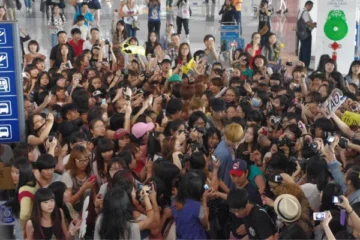
The international K-pop fan community, often referred to within the industry as "i-fans," represents a massive and highly engaged global diaspora bound together by a shared appreciation for South Korean music, choreography, and idol culture. Despite the vast geographical distances separating enthusiasts from Jakarta to New York, technology has served as the primary bridge, fostering a digital ecosystem where cultural exchange thrives. However, this community is also defined by a unique set of challenges that stem from linguistic barriers, cultural misunderstandings, and geographic isolation. As the Korean Wave, or Hallyu, continues its multi-billion dollar expansion into Western and emerging markets, the plight of the international fan highlights the complexities of globalized media consumption in the 21st century.
The Digital Divide: The Quest for Translation and Content Accessibility
For the international K-pop enthusiast, the primary obstacle to engagement is the language barrier. While music is often described as a universal language, the ancillary content that sustains a fandom—interviews, variety show appearances, and "behind-the-scenes" vlogs—requires a high degree of linguistic comprehension. Historically, the burden of translation fell upon volunteer "fansubbing" teams. These groups worked tirelessly to provide subtitles, often within hours of a broadcast, to ensure their global peers could follow their favorite "biases" (preferred members).

The reliance on unofficial channels creates a precarious environment. Fans frequently navigate third-party video platforms and obscure websites, often encountering broken links or content that has been removed due to copyright infringement. While major agencies like HYBE, SM Entertainment, and JYP Entertainment have increasingly integrated official English, Japanese, and Chinese subtitles into their YouTube content, a significant portion of archival material and niche broadcasts remain inaccessible to non-Korean speakers. This results in a viewing experience where international fans must often rely on visual cues and physical comedy, acknowledging that while aesthetics transcend borders, the nuances of Korean wordplay and cultural references are frequently lost in translation.
Cultural Misalignment and the Social Stigma of Hallyu Consumption
A recurring theme within the international fan experience is the need to defend or explain their interests to the "uninitiated." In many Western and non-Asian societies, the aesthetic standards of K-pop—particularly the "flower boy" (kkonminam) concept—clash with traditional local perceptions of masculinity. This often leads to intrusive questioning and social friction. A common anecdote among i-fans involves the "wallpaper reveal," where an innocent glance at a fan’s smartphone results in confusion or mockery from peers.
For instance, male idols like Ren (formerly of NU’EST) or Jeonghan (SEVENTEEN), known for their androgenous beauty and long hair during certain eras, are frequently misidentified by those outside the fandom. These interactions often devolve into debates over the idol’s gender or the fan’s taste, forcing the international enthusiast into a defensive posture. This social friction extends to the act of "initiating" others. When fans attempt to share landmark music videos, such as BIGBANG’s "Fantastic Baby" or Super Junior’s "Sorry Sorry," they are often met with a lackluster or bewildered response. The high-energy production, rapid-fire editing, and synchronized choreography—hallmarks of the K-pop industry—can be sensory overloads for those accustomed to the more understated aesthetics of Western pop music.

Linguistic Drift and the Evolution of Fandom Terminology
The K-pop diaspora has developed its own internal lexicon, a blend of Korean terms, English loanwords, and industry-specific jargon. Words such as "bias," "comeback," "daesang" (grand prize), "aegyo" (cute behavior), and "sasaeng" (obsessive fan) form the backbone of daily communication within the community. However, the use of this terminology outside of fan circles often leads to social awkwardness and a breakdown in communication.
The international fan must navigate a "black hole" of terminology when explaining their hobby. Describing the transition of a "fansite" (dedicated photographer) into "sasaeng" territory, or explaining why a "comeback" refers to a new album release rather than a return from retirement, requires a specialized glossary. Furthermore, the industry’s use of "Engrish"—a term used to describe the creative, if occasionally ungrammatical, use of English in lyrics—presents its own set of hurdles. Lines such as "You zoom zoom my heart like a rocket" or references to "cola" being "elastic" are embraced by the fandom as part of the genre’s charm but can be jarring for native English speakers attempting to engage with the music on a purely lyrical level.
The Geographic "Land of Oz": Isolation from the Live Experience
Perhaps the most significant grievance for the international fan is the geographic limitation of K-pop’s physical reach. For many years, world tours were largely restricted to East Asia, Southeast Asia, and a few select cities in the United States. Fans residing in South America, Europe, Africa, and the Middle East often find themselves in a "Land of Oz" scenario, where their home countries are seemingly invisible to tour promoters and entertainment agencies.

This geographic isolation relegates the international fan to a purely digital existence. Participation in the fandom is often limited to watching "fancams"—handheld recordings of performances—at 1080p resolution on a laptop screen. The "i" in "i-fan" thus takes on a dual meaning, representing both "international" and "internet-based." While domestic Korean fans can attend weekly music shows (like M! Countdown or Inkigayo) and fan-sign events, the international fan must content themselves with virtual engagement. This disparity in access creates a hierarchy of experience that can lead to feelings of exclusion and "FOMO" (fear of missing out) within the global community.
Branding Paradoxes and the Complexity of Group Naming
The K-pop industry is notorious for its unconventional approach to naming groups and idols, often employing complex acronyms that are difficult to explain to the general public. While names like SHINee or T-ara are relatively straightforward to pronounce, their origins and the logic behind them can be labyrinthine.
The quintessential example of this branding complexity is the group Teen Top. To the casual observer, the name suggests a youthful demographic. However, the official backronym for the group is "Teenager EmoBoys Emoticon Next Generation Talent Object Praise." Such naming conventions are a staple of the industry but serve as yet another point of friction for international fans who must explain these concepts to bewildered friends and family. This branding paradox reflects a broader trend where labels are chosen for their visual impact or perceived "coolness" in a Korean context, often without regard for how they translate to a native English-speaking audience.

Cultural Disassociation and the Shift in Musical Identity
A profound, yet less discussed, implication of long-term K-pop consumption is the gradual disassociation of the fan from their own local culture. As international fans immerse themselves in the Hallyu ecosystem, they often find that their local music scene begins to sound "foreign." It is not uncommon for an i-fan to hear a popular domestic song in a grocery store and experience a moment of confusion before realizing it is in their native tongue.
This shift in musical identity suggests that the more an individual embraces the K-pop subculture, the further they may drift from the mainstream cultural currents of their own country. This phenomenon is a testament to the "stickiness" of K-pop as a medium, where the combination of high-quality production, parasocial relationships with idols, and a constant stream of content creates an all-consuming environment that can eclipse local entertainment.
Societal Repression and the Freedom of Expression
The act of "fangirling" or "fanboying" in public is often met with societal disapproval, particularly for adult fans. International fans frequently report the need to repress their excitement while consuming content in public spaces to avoid being perceived as immature or "obsessive." The sudden burst of giggles at a variety show clip or the emotional reaction to a new music video is often met with cold glares from bystanders.

This repression is jokingly compared by some in the community to a violation of basic human rights, specifically the freedom from "degrading treatment." While hyperbolic, the sentiment reflects a genuine feeling of being misunderstood by a society that prioritizes "mature" and "sensible" behavior over the expressive, often hyperbolic joy associated with fandom culture.
Analysis of Implications: The Economic Power of the I-Fan
Despite these struggles, the international fan is far from a passive victim of circumstance. In recent years, the K-pop industry has undergone a paradigm shift, recognizing that the global market is now the primary driver of growth. According to the International Federation of the Phonographic Industry (IFPI), South Korea has consistently ranked among the top ten music markets globally, largely due to international exports.
The "i-fan" community is responsible for the massive streaming numbers on platforms like Spotify and YouTube, which in turn drive Billboard chart rankings and global brand partnerships. Agencies are now tailoring their strategies to accommodate this diaspora:

- Global Auditions: Groups are increasingly diverse, featuring members from Japan, Thailand, China, and the United States to broaden international appeal.
- Digital Infrastructure: The rise of platforms like Weverse and Bubble allows for direct communication between idols and fans, bypassing traditional media barriers.
- Expanded Touring: Post-pandemic, tour circuits have expanded to include more diverse locations, including major festivals like Coachella and Lollapalooza.
In conclusion, the international K-pop fan diaspora is a vital, yet often overlooked, pillar of the global entertainment industry. While they face unique linguistic, cultural, and geographic hurdles, their resilience and dedication have transformed K-pop from a regional genre into a worldwide cultural force. As the industry continues to evolve, the bridge between the "i-fan" and the Korean source material is becoming shorter, promising a future where the "common pain" of the international fan is replaced by a more integrated and accessible global community.
Related News