

When the South Korean artist Psy released his global sensation "Gangnam Style" in 2012, international audiences were captivated by its infectious beat and distinctive horse-riding dance. However, for domestic audiences and cultural scholars, the music video served as a biting satirical critique of a specific social archetype: the dwenjang-nyeo, or "bean paste girl." This term, which became a fixture of South Korean social discourse in the mid-2000s, describes a woman who opts for low-cost meals—specifically dwenjang jjigae (fermented soybean paste stew)—in order to afford expensive, Western-branded luxury goods and premium coffee. While the term is often dismissed as mere internet slang, its roots are deeply embedded in South Korea’s rapid economic transformation, gender politics, and the evolving nature of consumer identity in the 21st century.
The Etymology of a Pejorative: From Stew to Social Status
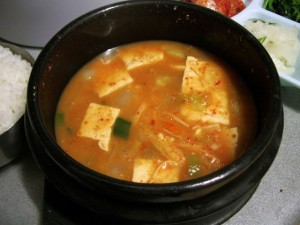
To understand the weight of the term, one must first understand the significance of dwenjang. Fermented soybean paste is a cornerstone of Korean cuisine, utilized to create dwenjang jjigae, a humble, hearty, and remarkably affordable soup. Traditionally served with rice and a variety of banchan (side dishes), it is a staple of home cooking and budget-friendly restaurants. In the early 2000s, a bowl of this stew typically cost between 3,500 and 5,000 Korean Won (approximately $3.00 to $4.50).
The "bean paste girl" moniker arose from the perceived paradox of a woman consuming this inexpensive, traditional meal while simultaneously carrying a designer handbag—often valued at over $1,500—and holding a Starbucks latte. In the South Korean context of the time, Starbucks was not merely a coffee shop; it was a symbol of Western sophistication and high-end lifestyle. A single Frappuccino could cost more than the dwenjang jjigae consumed for lunch. Consequently, the term became a derogatory label for women accused of being shallow, vain, and fiscally irresponsible, prioritizing outward displays of wealth over practical living.
A Chronology of Economic Transformation
The emergence of the dwenjang-nyeo cannot be viewed in isolation from South Korea’s broader economic history. The nation’s journey from a war-torn agrarian society to a global G20 powerhouse occurred with unprecedented speed, a period often referred to as the "Miracle on the Han River."
- The Post-War Era (1953–1960): Following the Korean War, South Korea was one of the poorest nations in the world. Its GDP per capita was lower than that of many Sub-Saharan African nations, and it relied heavily on international aid. During this time, frugality was not a choice but a necessity for survival.
- The Park Chung-hee Era (1961–1979): Under the authoritarian leadership of Park Chung-hee, the government implemented aggressive export-led growth strategies. National campaigns encouraged citizens to "tighten their belts." The concept of kwasobi (excessive spending) was stigmatized as unpatriotic. Savings were funneled into heavy industry, and the consumption of foreign luxury goods was strictly discouraged through high tariffs and social pressure.
- The 1988 Seoul Olympics and Liberalization: The hosting of the Olympics marked South Korea’s debut on the world stage. The 1990s saw the rise of the "Orange Tribe" (orenji-jok), the children of the newly wealthy who flaunted imported cars and designer clothes in the upscale Apgujeong-dong neighborhood. This was the first significant crack in the national ethos of frugality.
- The 1997 IMF Crisis: The Asian Financial Crisis brought a temporary return to austerity. However, the subsequent recovery led to a surge in credit card use and a renewed desire for status symbols as the economy shifted toward services and high-tech consumption.
- The Mid-2000s: The term dwenjang-nyeo gained viral traction on internet forums like DC Inside. It reflected a generational tension between the older generation, who remembered poverty, and a younger generation navigating a hyper-competitive, image-conscious society.
Supporting Data: The Economics of Aspiration
The prevalence of the dwenjang-nyeo archetype is supported by South Korea’s unique position in the global luxury market. According to a 2022 report by Morgan Stanley, South Koreans are the world’s biggest spenders on personal luxury goods per capita, spending an average of $325 per person, compared to $280 for Americans and $55 for Chinese citizens.
Furthermore, the "coffee culture" in Seoul is among the most saturated in the world. As of 2023, South Korea has the highest number of Starbucks stores per capita in several major global metrics, with Seoul alone hosting more branches than New York City. For the dwenjang-nyeo, the Starbucks cup serves as a "portable luxury"—an affordable way to signal membership in a modern, globalized middle class, even if one’s actual bank balance is modest.
The Gendered Nature of Consumption Critique
A critical analysis of the dwenjang-nyeo phenomenon reveals a significant gender bias in South Korean social criticism. While women are lambasted for spending money on handbags and coffee, there is no equally popular or vitriolic term for men who spend disproportionate amounts on expensive electronics, cars, or nightlife.
Sociologists argue that the vilification of the "bean paste girl" is a byproduct of South Korea’s persistent gender inequality. According to the OECD, South Korea has the largest gender pay gap among member nations, a position it has held for decades. In a society where women often face a "glass ceiling" in the corporate world, many turn to consumption as a means of asserting agency and status.
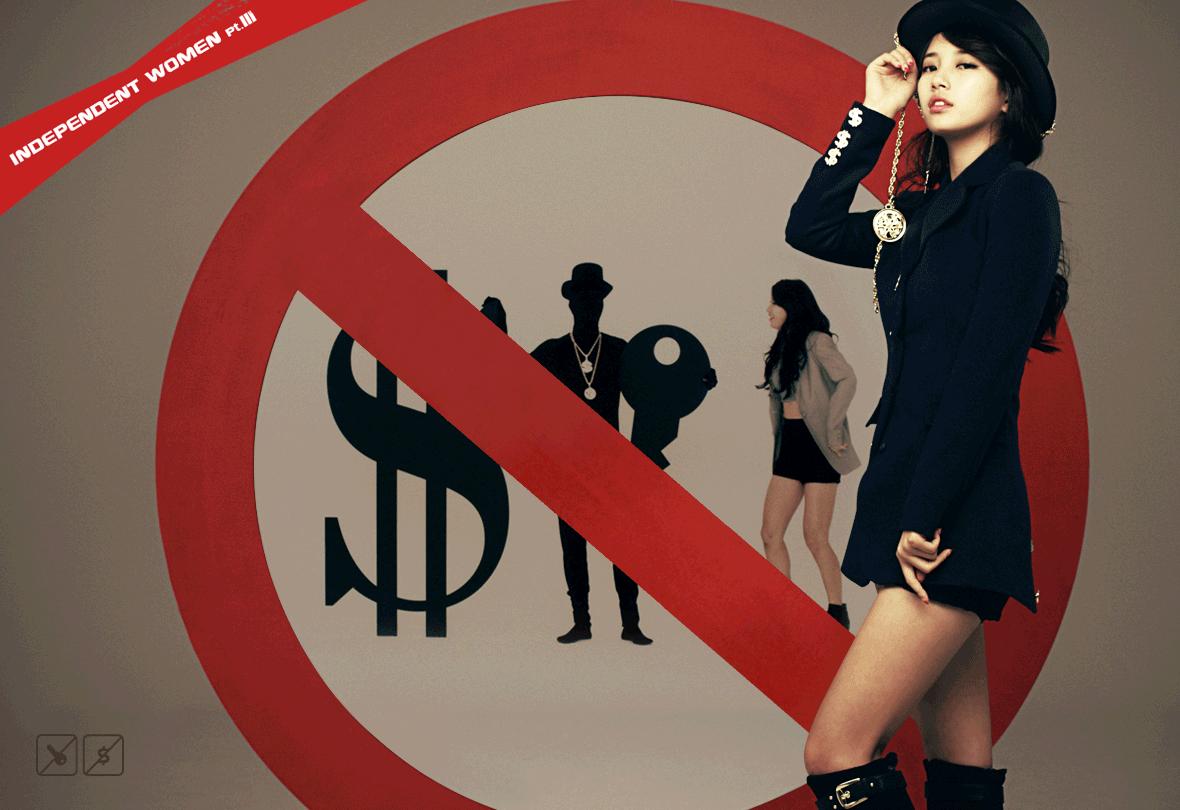
Some feminist perspectives have attempted to reclaim the term. They argue that if a woman earns her own salary and chooses to eat cheaply to afford a luxury item, she is making a rational choice based on her own values. This "Miss A feminism"—referencing the K-pop group’s lyrics about independent women—posits that the critique of the dwenjang-nyeo is less about financial responsibility and more about a societal discomfort with women controlling their own economic destiny and aesthetic identity.
Societal Reactions and Official Perspectives
The backlash against the dwenjang-nyeo label has been significant. Many young women argue that the term is used to silence female consumers and distract from larger systemic issues, such as the lack of affordable housing and the high cost of living in Seoul.
In response to the growing toxicity of online gender wars, some South Korean civic groups and government-affiliated organizations have called for a more tempered discourse. The National Human Rights Commission of Korea has occasionally weighed in on the use of misogynistic slang on internet portals, though the term dwenjang-nyeo itself is rarely censored, as it occupies a gray area between social commentary and harassment.

Psychologists suggest that the obsession with "looking the part" is a response to the extreme social pressures of South Korean life. In a culture where "spec" (short for specifications, or one’s resume and outward appearance) is paramount for both employment and marriage, a designer bag is often viewed as a necessary investment in one’s social capital rather than a frivolous whim.
Broader Impact and Global Implications
The dwenjang-nyeo phenomenon is a precursor to modern global trends such as "loud budgeting" or the "little luxury" effect, where consumers purchase small high-end items during times of economic uncertainty. However, in South Korea, the term remains a potent reminder of the country’s rapid transition from tradition to hyper-modernity.
The satire in "Gangnam Style" was not just about a dance; it was about the absurdity of a society chasing a "Gangnam" lifestyle that many can only afford through extreme sacrifice in other areas of life. Psy’s lyrics—"A girl who enjoys the relaxation of a cup of coffee"—directly referenced the dwenjang-nyeo and the envy/resentment they provoke.
As South Korea continues to export its culture through the Hallyu (Korean Wave), these internal social dynamics are becoming better understood by a global audience. The dwenjang-nyeo is no longer just a local internet meme; she is a case study in how rapid globalization, economic pressure, and gendered expectations converge in the modern marketplace. Whether viewed as a victim of consumerism, a symbol of vanity, or an icon of financial independence, the "bean paste girl" remains a central figure in the narrative of South Korea’s complex social evolution.