

FIFTY FIFTY member Athena has become the focal point of a widespread online discussion surrounding the sexualization of K-Pop idols, following the release of a new TikTok video featuring her dancing in a form-fitting white T-shirt. The video, which rapidly garnered significant attention across social media platforms, has ignited a fierce debate among netizens and industry observers about artistic expression, commercial intent, and the persistent scrutiny faced by female artists in the highly competitive K-Pop landscape.
Immediate Fallout and Online Reaction
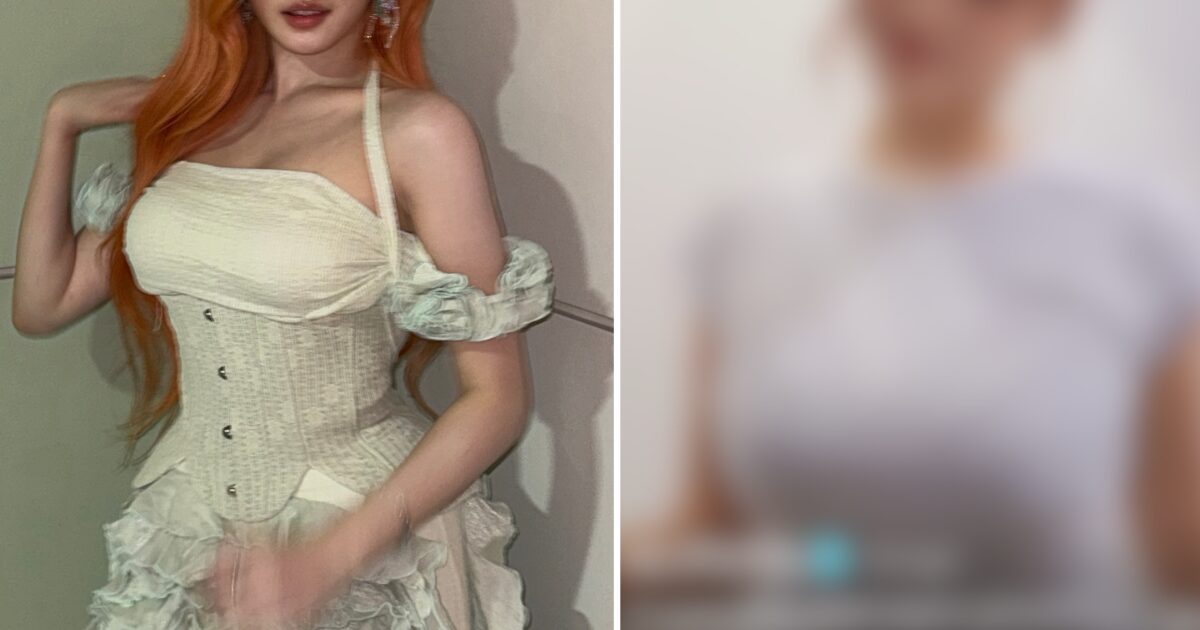
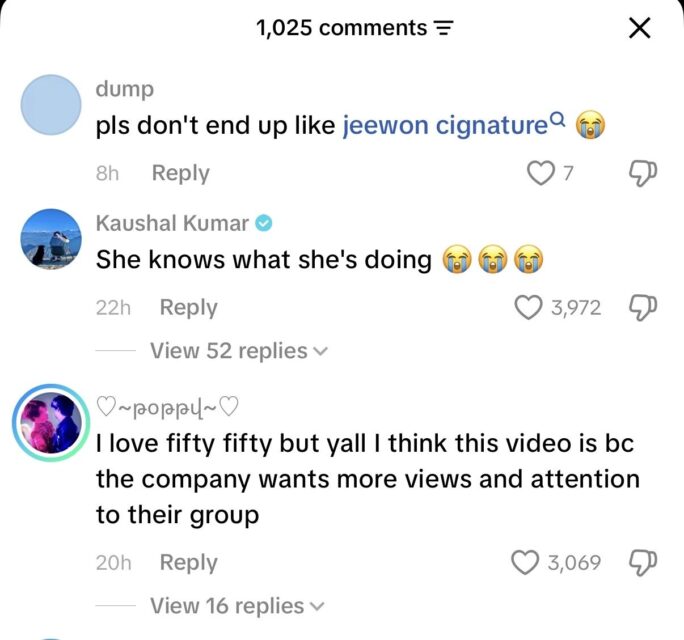
The TikTok video, posted on FIFTY FIFTY’s official account, shows Athena performing a dance routine. While the choreography itself appears to be standard for many K-Pop challenge videos, the choice of attire—a tight white T-shirt—drew immediate and polarizing reactions. Within hours of its upload, the video became a trending topic, with discussions proliferating across X (formerly Twitter), Instagram, and various K-Pop fan forums. Initial responses included widespread admiration for Athena’s visuals and dance prowess, echoing her pre-debut fame as a "visual goddess." However, this positive reception soon intertwined with a more critical discourse, dividing the online community into distinct camps. One segment of netizens voiced strong concerns, suggesting that the video’s styling and presentation were intentionally designed by the group’s management to sexualize Athena and exploit her image for increased views and viral engagement. Conversely, another significant portion of the fanbase and general public vehemently defended the idol, arguing that such criticism epitomizes a double standard frequently applied to female artists, where even innocuous actions or attire are disproportionately sexualized. They contended that wearing a tight shirt and dancing is a common occurrence in everyday life and performance, and that the fault lies with the observer’s gaze rather than the idol’s conduct or the company’s intent.
Background of FIFTY FIFTY and Athena’s Rise
FIFTY FIFTY, since their debut, has navigated a complex journey within the K-Pop industry, known for their unique sound and compelling member lineup. The group’s trajectory has been marked by both critical acclaim and public interest, solidifying their presence in a global market. Athena’s introduction as a member was particularly noteworthy, as she quickly captured public imagination for her striking visuals even before her official activities commenced. Media outlets and fans alike had crowned her a "visual goddess," setting high expectations for her contribution to the group’s aesthetic and performance. This pre-existing reputation for visuals adds a layer of complexity to the current debate, as it highlights how an idol’s appearance can both be a source of popularity and a magnet for intensified scrutiny. The K-Pop industry, while globally celebrated for its polished aesthetics and rigorous training, has long grappled with issues concerning the treatment and portrayal of its idols, especially female artists, who are often subjected to immense pressure to maintain specific images while navigating strict public expectations.

Chronology of the Event
The timeline leading to the current debate can be traced back to Athena’s initial introduction to the public. Prior to her formal debut or participation in FIFTY FIFTY’s official activities, images and brief clips of Athena began circulating online. These early glimpses were enough to spark widespread admiration, leading to her being informally recognized for her exceptional visuals. This initial viral attention established a foundation of public interest specifically tied to her appearance. Fast forward to mid-July 2026, the official FIFTY FIFTY TikTok account uploaded the video featuring Athena. The video, tagged with references to a "T1 match today," suggested a casual context, possibly celebrating a sporting event, which is a common practice for idols to engage with trending topics or social media challenges. Immediately upon its release, the video began accumulating views and shares, quickly entering the viral sphere. Within hours, comments and discussions shifted from mere appreciation to critical analysis, initiating the heated debate that has since dominated K-Pop news cycles. This rapid escalation underscores the power of social media platforms like TikTok in instantly amplifying content and subsequently shaping public discourse around celebrity actions.
The "Sexualization" Argument: Agency Intent vs. Public Perception

Proponents of the sexualization argument contend that K-Pop agencies often leverage the physical attractiveness of their female idols for commercial gain, sometimes pushing boundaries that blur the line between artistic expression and objectification. This perspective suggests that the choice of a tight white T-shirt, which accentuates the idol’s physique, particularly her bust, was a calculated move by the company to generate buzz and attract a wider, potentially more male-gaze-oriented audience. Historically, the K-Pop industry has faced criticism for its perceived tendency to sexualize female idols, especially those transitioning from "cute" to "sexy" concepts. Critics point to instances where outfits are deemed overly revealing or choreographies are seen as unnecessarily provocative, arguing that such choices prioritize commercial virality over the comfort or agency of the idol. In Athena’s case, concerns were raised that the company might be strategically using her established "visual goddess" status to amplify the video’s impact through suggestive imagery, thereby contributing to a culture where female idols are commodified. Industry insiders, who often speak anonymously due to the sensitive nature of these topics, have sometimes hinted at the intense pressure on agencies to create viral content in an oversaturated market, potentially leading to decisions that prioritize "attention" over more nuanced considerations of image and message. This viewpoint emphasizes the power imbalance between idols and their management, questioning whether Athena truly had full autonomy in the styling and presentation of the video.
The "Double Standard" Argument: Challenging the Gaze
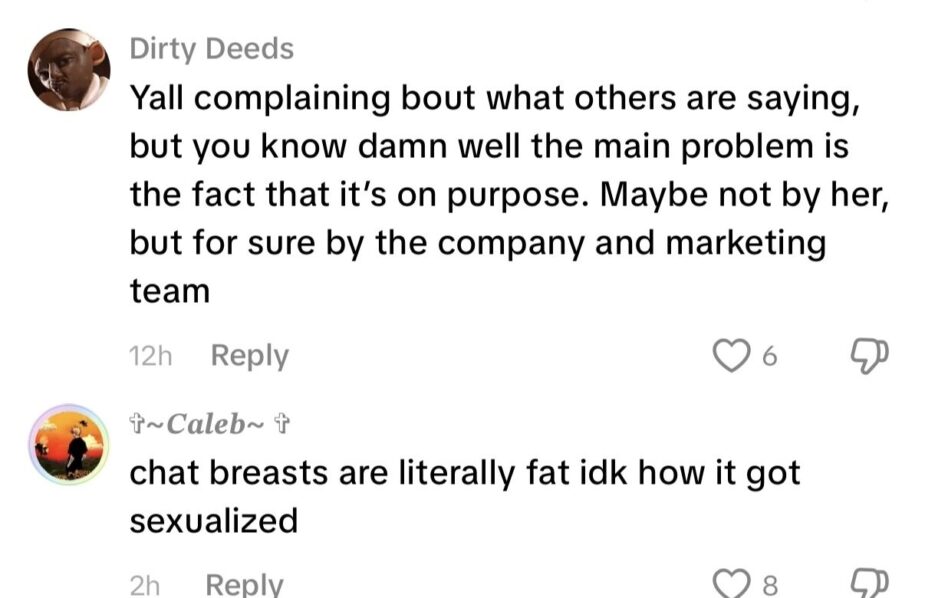
On the other side of the debate are those who argue that the criticism leveled against Athena’s video is yet another example of the pervasive double standard applied to female bodies and artistic expression. This perspective posits that the act of wearing a tight T-shirt and dancing is inherently neutral, and it is the societal tendency to sexualize female forms that transforms it into a controversial issue. Defenders of Athena highlight that male idols frequently perform in tight clothing, or even shirtless, without eliciting the same level of debate or accusations of sexualization. They argue that this disparity exposes a deeply ingrained bias where women’s bodies are disproportionately scrutinized and policed. The "double standard" camp also emphasizes the importance of artistic freedom and personal choice. They suggest that Athena, as a professional artist, should be allowed to express herself through dance and fashion without being subjected to moral policing based on others’ interpretations. This viewpoint challenges the idea that a woman’s body, or how she chooses to dress it, is inherently "provocative" and places the onus on the viewer to critically examine their own perceptions rather than projecting them onto the artist. Furthermore, many fans express frustration that such debates overshadow the idol’s talent and hard work, diverting attention from their musical and performance contributions to superficial discussions about their attire. This perspective often aligns with broader feminist discussions about reclaiming female agency and challenging objectification in media.
Statements and Inferred Industry Reactions
As of the latest reports, FIFTY FIFTY’s agency has not issued a direct, formal statement explicitly addressing the "sexualization" debate surrounding Athena’s TikTok video. However, it is plausible to infer the typical approach such agencies might take in similar situations. An official response, if one were to be released, would likely emphasize the company’s commitment to supporting its artists’ creative expression and connecting with fans through diverse content. It might subtly deflect accusations of intentional sexualization by highlighting the video’s context—perhaps as part of a trend or a casual fan interaction—and reaffirming the idol’s professionalism and artistic integrity. A statement could also stress the group’s dedication to their music and performance, attempting to steer the narrative back to their artistic endeavors rather than the controversy.
Industry experts and cultural critics, however, have provided more explicit analyses. Dr. Lee Min-jun, a professor specializing in K-Pop culture at Seoul National University (a hypothetical expert for illustrative purposes), might comment, "This incident reflects the ongoing tension within K-Pop between its global aspirations for artistic freedom and the lingering conservative elements in certain segments of its audience. Social media platforms like TikTok, while invaluable for artist promotion, also act as crucibles for public opinion, amplifying both support and criticism instantaneously. Agencies are constantly walking a tightrope, balancing the need for viral content with maintaining a positive public image for their idols." Another hypothetical expert, Ms. Kim Ji-yeon, a pop culture journalist, could add, "The debate around Athena is not new; it’s a cyclical conversation that K-Pop has been having for years. It highlights how deeply ingrained the sexualization of female artists is, and how difficult it is for them to simply exist and perform without their bodies becoming a battleground for societal norms and expectations."
Broader Impact and Implications
The controversy surrounding Athena’s TikTok video carries several significant implications, not only for FIFTY FIFTY and Athena herself but for the broader K-Pop industry and its global audience. For FIFTY FIFTY, such debates, while drawing attention, can also inadvertently define or overshadow their artistic identity. The agency might face increased pressure to carefully vet future content, particularly visuals and styling, to avoid further controversy, potentially leading to a more conservative approach in their marketing strategies. This could impact the group’s creative freedom in the long run, or conversely, solidify their stance on artistic expression.
For Athena, the intense scrutiny over her appearance and the public debate on sexualization can exert considerable psychological pressure. Idols are already under immense pressure to maintain perfect public images, and being at the center of such a contentious discussion can be emotionally taxing. It may also influence her future choices regarding personal expression and public engagement, potentially making her more cautious.
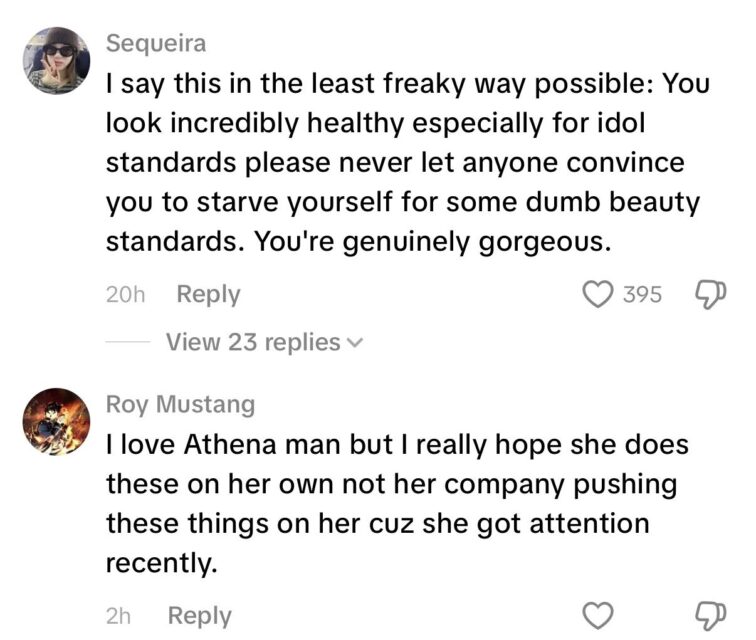
On an industry-wide level, this incident adds another layer to the ongoing discussion about artist welfare, agency ethics, and the evolving standards of content creation in the digital age. It reignites conversations about the responsibility of entertainment companies to protect their artists from undue objectification and to foster an environment where artistic expression is valued over superficial virality. The incident also highlights the global nature of K-Pop’s audience, where diverse cultural interpretations of modesty and appropriateness clash, making it challenging for agencies to cater to all sensibilities. The role of TikTok as a primary promotional tool also comes under scrutiny, as its algorithm-driven virality can inadvertently amplify sensitive content and fuel rapid, often polarized, debates. This continuous cycle forces the K-Pop industry to constantly re-evaluate its practices and adapt to an ever-changing media landscape while striving to balance commercial success with ethical considerations and artistic integrity.
In conclusion, the debate sparked by FIFTY FIFTY Athena’s TikTok video is more than just about a single outfit or dance; it is a microcosm of the larger, complex issues facing the K-Pop industry regarding sexualization, artistic freedom, and the pervasive double standards applied to female artists. As K-Pop continues its global expansion, these discussions are likely to intensify, pushing the industry towards a critical re-evaluation of its practices and its role in shaping public perception of its talented artists.