From Pageant Stage to K-pop Stan: The Intersection of Global Fandom and the Miss Universe Platform
Article Editorial Team

On December 20, 2015, the 64th Miss Universe pageant at the Planet Hollywood Resort and Casino in Las Vegas, Nevada, became the epicenter of a global media firestorm following a historic broadcasting error by host Steve Harvey. While the initial discourse focused on the accidental crowning of Miss Colombia, Ariadna Gutiérrez, and the subsequent correction that saw the Philippines’ Pia Wurtzbach named the rightful winner, a secondary narrative soon emerged that resonated deeply with the international K-pop community. Within days of her victory, the digital footprint of the newly crowned Miss Universe revealed her to be a dedicated "ELF"—a member of the official fandom for the South Korean boy band Super Junior—and a particular admirer of member Choi Siwon. This revelation not only humanized a global beauty icon but also highlighted the pervasive influence of the Hallyu wave (Korean Wave) across diverse socio-cultural landscapes.
The Crowning Controversy and the Path to Virality
The events of the 2015 Miss Universe pageant were unprecedented in the competition’s history. Host Steve Harvey, a seasoned comedian and television personality, misread the results card during the live broadcast, announcing Miss Colombia as the winner. After Gutiérrez had already been crowned and performed her initial walk as the supposed titleholder, Harvey returned to the stage to apologize, clarifying that Wurtzbach was the actual Miss Universe 2015.
The resulting video clips garnered hundreds of millions of views within 24 hours, placing Wurtzbach under an intense global microscope. As the public sought to learn more about the woman at the center of the controversy, social media investigators unearthed a series of tweets from Wurtzbach’s past, dating back to 2009 and 2012. These posts depicted a relatable, enthusiastic fan of Korean pop music, specifically documenting her affection for Super Junior, a group that had been instrumental in spreading K-pop throughout Southeast Asia during the late 2000s.
The Discovery of "ELF" Pia Wurtzbach
The discovery of Wurtzbach’s K-pop fandom was led by the Filipino "ELFs" (Ever Lasting Friends), who found tweets where Wurtzbach referred to herself as "Mrs. Siwon Choi" and expressed her admiration for the group’s performances. One tweet from May 2009 read, "I love you Siwon! You’re the best!" while another mentioned her excitement regarding the group’s "Super Show" concert tours.
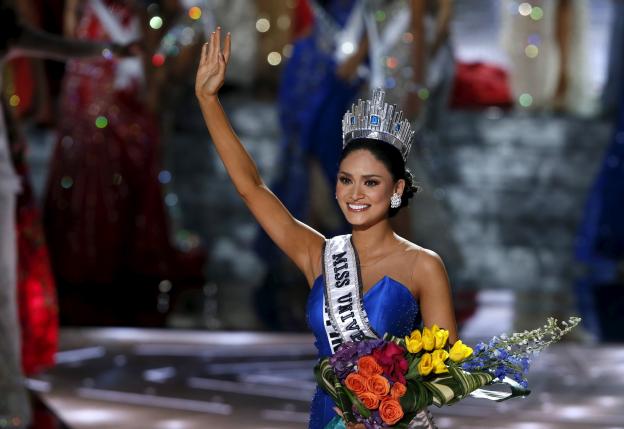
For the K-pop community, this was more than a trivial fun fact; it was a validation of the genre’s reach. At the time of her tweets, Wurtzbach was a working actress and model in the Philippines, yet she engaged with fan culture in a way that mirrored millions of other teenagers and young adults worldwide. The transition from a fan tweeting about her "bias" (favorite member) to a woman holding the most prestigious title in pageantry served as a powerful narrative of personal growth and the enduring nature of pop culture interests.
Chronology of the Interaction and Official Responses
The timeline of the "Miss Universe K-pop" phenomenon moved rapidly following the December 20 pageant:
- December 21-23, 2015: As Wurtzbach began her media tour in New York City, fans began circulating screenshots of her old K-pop-related tweets. The hashtags #MissUniverse and #SuperJunior began to trend together in various territories, particularly in the Philippines, Indonesia, and South Korea.
- December 24-26, 2015: The news reached the South Korean media. Major outlets like Dispatch and Naver picked up the story, highlighting that the "most beautiful woman in the world" was a fan of their domestic talent.
- December 27, 2015: Choi Siwon, who was serving his mandatory military service at the time, acknowledged the news. He took to Instagram to post a congratulatory message, sharing a photo of himself and inviting Wurtzbach to the next "Super Show" concert. He wrote, "Pia Wurtzbach, my heartiest congratulations on becoming Miss Universe 2015. Please be my guest for the next Super Show! Looking forward to seeing you shining in the world."
- Early 2016: Wurtzbach responded with grace, thanking Siwon and reaffirming her support for the group. This exchange cemented the crossover between the pageant world and the K-pop industry, leading to increased engagement on both sides.
The Socio-Cultural Impact of Hallyu in the Philippines
To understand why Wurtzbach’s fandom was so significant, one must look at the data regarding K-pop’s expansion in the Philippines. By 2015, the Philippines had become one of the top five global markets for K-pop consumption on platforms like YouTube and Twitter. Super Junior, in particular, held a "legendary" status in the country, being the first K-pop group to top the Philippine music charts with their hit "Sorry, Sorry" in 2009.
The fact that Wurtzbach was part of this initial wave of fans illustrates the timing of the Hallyu wave’s first major peak in Southeast Asia. Her fandom was not a calculated PR move but a genuine reflection of the cultural zeitgeist of her generation. For many Filipino fans, Wurtzbach became a representative of their own experiences, bridging the gap between a perceived "niche" hobby and mainstream global success.
Analysis: The End of "Stan" Stigma?
The original discourse surrounding Wurtzbach’s tweets also touched upon the concept of "stan embarrassment." Many adult fans of K-pop often feel a sense of hesitation when sharing their dedication to the genre, fearing that it may be perceived as immature or obsessive by professional peers. The original Seoulbeats article reflected this sentiment, with the author noting a "vague terror" of being judged for their level of dedication.

However, Wurtzbach’s ascent to Miss Universe while being an open fan served to challenge these stereotypes. Her story suggested that one could be a high-achieving professional—an ambassador for global causes and a symbol of elegance—while still maintaining a passionate interest in pop music and celebrity fandom. This has contributed to a broader shift in how "stan culture" is viewed, moving it from the fringes of the internet into the mainstream as a legitimate form of cultural engagement.
Broader Implications for the Miss Universe Organization
For the Miss Universe Organization (MUO), the organic viral moment involving Super Junior was a marketing boon. In an era where pageantry faced criticism for being antiquated, the Wurtzbach-Siwon interaction provided a modern, digital-first narrative that appealed to a younger, tech-savvy demographic. It demonstrated that Miss Universe winners are not just distant figures on a pedestal but individuals with digital histories and personal interests that align with global trends.
Furthermore, the incident highlighted the strategic importance of the Asian market for the pageant. With the Philippines being one of the most passionate pageant-following nations, and South Korea being a cultural powerhouse, the intersection of these two worlds ensured that Wurtzbach’s reign began with an unprecedented level of social media engagement.
Conclusion: A Lasting Legacy of Cross-Cultural Connection
The story of Pia Wurtzbach and her K-pop fandom remains a hallmark example of how social media can bridge disparate industries. What began as a series of enthusiastic tweets from a young fan in 2009 culminated in a global moment of recognition in 2015. It underscored the reality that the Hallyu wave is not merely a regional trend but a global phenomenon that counts world leaders, athletes, and Miss Universe titleholders among its ranks.
As Wurtzbach continued her reign, she frequently showcased her appreciation for her roots and her hobbies, including her love for gaming and pop culture. This transparency has become a blueprint for modern titleholders, who now use their personal interests to build authentic connections with their audience. The "Mrs. Siwon Choi" tweets, once the private musings of a fan, now stand as a testament to the unpredictable and interconnected nature of fame in the 21st century. By embracing her identity as an "ELF," Pia Wurtzbach did more than just win a crown; she helped dismantle the barriers between "high" and "low" culture, proving that a Miss Universe can indeed be a "stan" without losing an ounce of her prestige.
Related News