The Power and Paradox of the Chaebol South Koreas Corporate Dynasties and Their Socioeconomic Legacy
Article Editorial Team

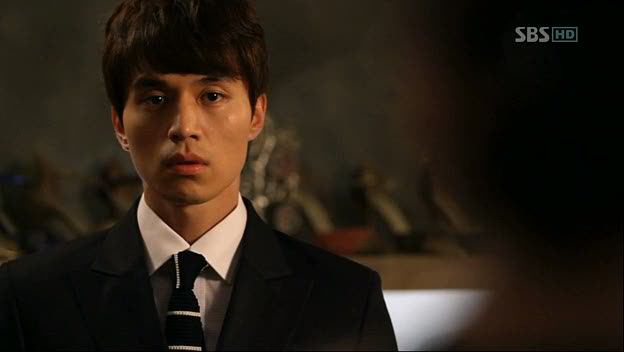
The archetype of the "chaebol" heir—the impeccably dressed, often arrogant, and immensely wealthy scion of a multi-industry conglomerate—has become a staple of South Korean popular culture, exported globally through television dramas and K-pop. In these fictional narratives, the chaebol is often a symbol of aspirational luxury and romanticized conflict. However, behind the polished veneer of television tropes lies a complex, deeply entrenched economic system that has defined South Korea’s trajectory from a war-torn agrarian society to a global technological powerhouse. The term "chaebol," derived from the Korean words chae (wealth) and beol (clan), refers to the large, family-owned business conglomerates that dominate the national economy. While their role in the "Miracle on the Han River" is undisputed, their continued dominance remains one of the most polarizing issues in contemporary South Korean discourse, raising questions about market competition, political influence, and social equity.
Defining the Chaebol Structure and Market Reach
A chaebol is characterized by its sprawling diversification and its management by a single family, usually spanning several generations. Unlike Western conglomerates that often focus on a core competency, South Korean chaebols are vertically and horizontally integrated across vastly different sectors. Samsung, the most prominent example, is globally recognized for electronics, but its domestic operations include life insurance, shipbuilding, construction, and even theme parks. Similarly, Hyundai is synonymous with automobiles and heavy machinery but also maintains a significant presence in department stores and logistics.
The structural hallmark of the chaebol is "cross-shareholding," a complex web of ownership where subsidiary companies own stakes in one another. This allows the founding family to maintain absolute control over the entire group despite owning only a small percentage of the total shares. According to data from the Korea Fair Trade Commission (KFTC), the top 10 chaebols account for a staggering percentage of South Korea’s Gross Domestic Product (GDP), with some estimates placing their collective revenue at nearly 80% of the national total, though they employ only a small fraction of the workforce. This concentration of wealth and power ensures that the health of these corporations is inextricably linked to the health of the nation itself.
Historical Genesis: The Park Chung-hee Era and Export-Led Growth
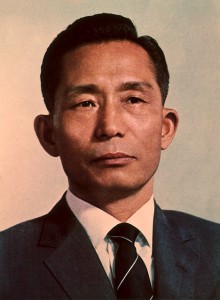
The rise of the chaebol was not an accidental byproduct of the free market; rather, it was a deliberate outcome of state-sponsored industrial policy. Following the 1953 armistice of the Korean War, South Korea was among the poorest nations in the world, with its infrastructure decimated and its economy reliant on foreign aid. In 1961, General Park Chung-hee seized power in a military coup and initiated a series of Five-Year Economic Development Plans aimed at rapid industrialization.
The Park administration identified specific entrepreneurs and granted them preferential treatment to spearhead growth in strategic industries such as steel, shipbuilding, and electronics. The government provided these selected firms with low-interest loans, protected them from foreign competition through high tariffs, and facilitated access to international capital. In exchange, these companies were required to meet strict export quotas and align their business strategies with the state’s developmental goals.

Chronology of Chaebol Evolution
- 1950s: Post-war reconstruction begins; early chaebols like Samsung and LG (then Lucky-Goldstar) emerge in light industries such as sugar and textiles.
- 1960s–1970s: The Park Chung-hee era shifts focus to heavy and chemical industries. Hyundai enters shipbuilding and construction; POSCO (though state-led) establishes the steel foundation.
- 1980s: Chaebols diversify into high-tech sectors and electronics. The "Three Lows" (low oil prices, low dollar value, and low interest rates) fuel an unprecedented export boom.
- 1997: The Asian Financial Crisis hits. Several major chaebols, most notably Daewoo, collapse under the weight of excessive debt and over-expansion. The International Monetary Fund (IMF) mandates structural reforms.
- 2000s–Present: Survival of the fittest. Remaining chaebols like Samsung and SK Group transition into global leaders in semiconductors, telecommunications, and green energy.
The Political-Economic Nexus: Collaboration and Corruption
The symbiotic relationship between the Blue House (the South Korean presidential office) and chaebol leadership has been a double-edged sword. On one hand, it allowed for the rapid mobilization of resources to build national infrastructure and compete on the global stage. On the other, it fostered a culture of "crony capitalism," where political favors were exchanged for corporate donations and support.
Historical precedents illustrate the depth of these ties. Former President Lee Myung-bak, who served from 2008 to 2013, was the former CEO of Hyundai Engineering and Construction, embodying the bridge between corporate leadership and executive governance. More controversially, the 2016-2017 political scandal involving President Park Geun-hye and her confidante Choi Soon-sil revealed a massive bribery network involving Samsung’s top leadership. The scandal led to the first-ever impeachment of a sitting South Korean president and the imprisonment of Samsung Electronics Vice Chairman Lee Jae-yong, though he was later pardoned—a move that critics argue highlights the "too big to fail" status of chaebol leaders.
Socioeconomic Implications: The SME Struggle and "Hell Joseon"
The dominance of chaebols has created a bifurcated labor market in South Korea. While a position at a top-tier conglomerate offers high prestige, job security, and lucrative benefits, these roles are increasingly difficult to obtain. The vast majority of South Koreans work for Small and Medium Enterprises (SMEs), which often struggle to compete against the sheer capital and political lobbying power of the chaebols.

Economists point to the "crowding out" effect, where chaebols monopolize talent, credit, and market share, stifling the growth of innovative startups. This economic imbalance has contributed to the "Hell Joseon" sentiment among the youth—a term expressing frustration with high unemployment, intense academic pressure, and a perceived lack of social mobility. In this context, the "chaebol heir" seen in K-dramas is viewed not just with admiration, but with resentment, representing a class that inherits wealth and power through bloodlines rather than merit.
Official Responses and the Push for Reform
Over the decades, various administrations have attempted to curb the power of the chaebols through "Economic Democratization" policies. Following the 1997 financial crisis, the Kim Dae-jung administration introduced measures to improve corporate governance, increase transparency, and reduce debt-to-equity ratios. More recently, the Moon Jae-in administration (2017-2022) appointed "chaebol sniper" Kim Sang-jo as head of the Fair Trade Commission to crack down on unfair business practices and circular shareholding.
Despite these efforts, meaningful reform remains elusive. The chaebols are so deeply integrated into the national fabric that aggressive dismantling of their structure could risk destabilizing the entire economy. As Professor Robert Kelly of Pusan National University has noted, while these oligopolies might be seen as anachronistic in Western market economies, they remain the primary engines of South Korean exports and R&D investment.
Impact Analysis: The Global Context and Future Outlook
As South Korea navigates the 21st century, the chaebol model faces new challenges. The rise of Chinese competition in manufacturing and the global shift toward digital and service-based economies require a level of agility that massive, hierarchical conglomerates may struggle to maintain. Furthermore, the "Third Generation" of chaebol leadership is under intense scrutiny. Unlike the founders who built these empires from the ground up, the current heirs must prove they can innovate in a globalized, post-industrial landscape while adhering to modern standards of environmental, social, and governance (ESG) criteria.
The legacy of the chaebol is a testament to what can be achieved through disciplined state-corporate coordination. They transformed South Korea from a recipient of aid to a donor nation and a cultural powerhouse. However, the cost of this success has been a market environment that often penalizes smaller competitors and a political system susceptible to corporate influence.
In conclusion, the chaebol is more than just a dramatic trope in a television script; it is the backbone of the South Korean state. Whether these dynasties can evolve into more transparent, competitive entities or whether they will remain "rapacious oligopolists" is a question that will determine the country’s economic stability for decades to come. For the international observer, understanding the chaebol is essential to understanding the modern Korean identity—a blend of fierce ambition, traditional family hierarchy, and a relentless drive for global relevance. While the K-drama version of the chaebol heir may end in a romantic resolution, the real-world narrative of South Korea’s corporate giants remains a complex, ongoing saga of power, reform, and national survival.
Related News