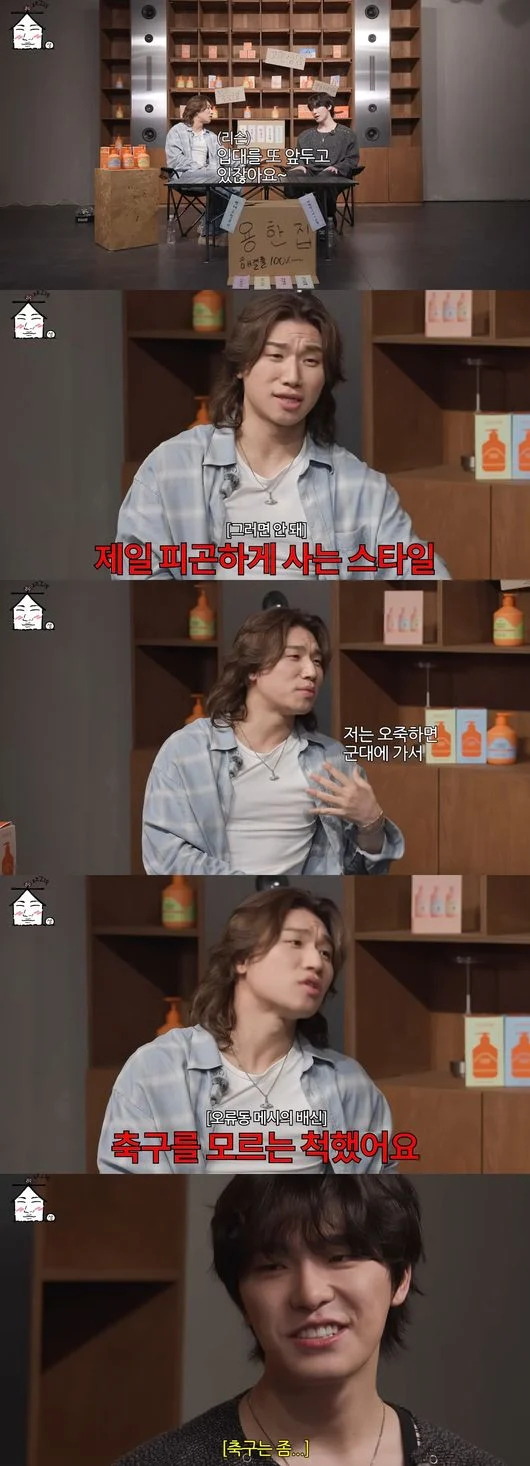
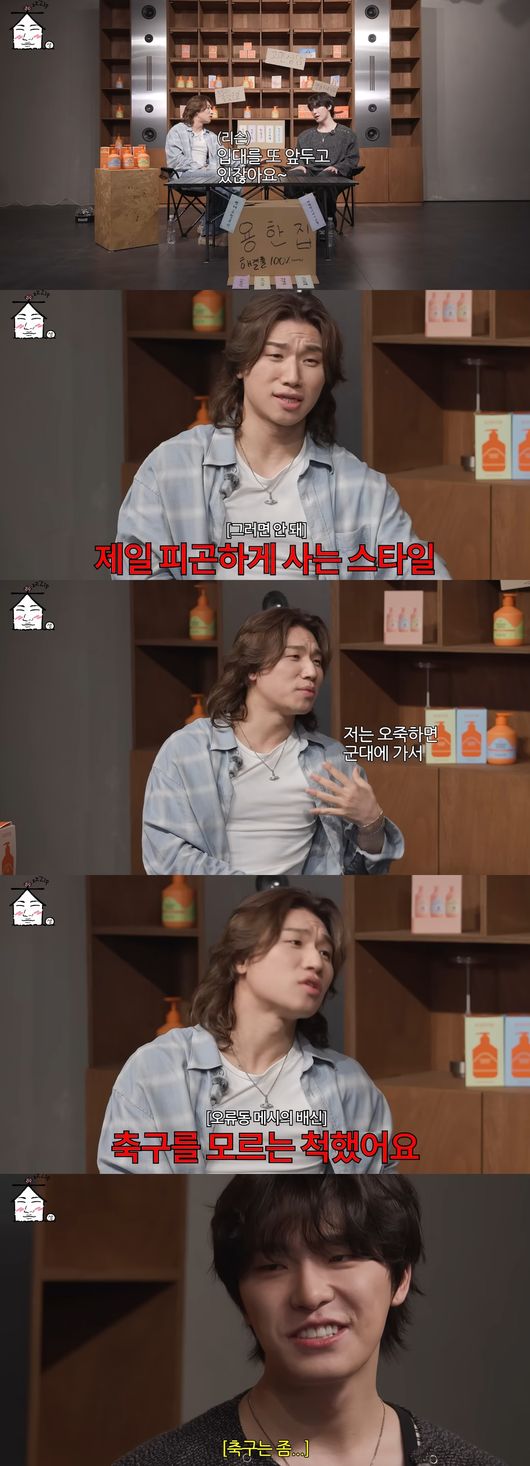
In a candid revelation that has offered fans and the public a humorous glimpse into the realities of mandatory military service, Daesung, a prominent member of the iconic K-pop group BIGBANG, admitted to fabricating a lack of knowledge regarding soccer rules during his enlistment. This confession emerged during a recent interview segment on his YouTube channel, "ZIP DAESUNG," featuring SEVENTEEN’s Dino, sparking widespread discussion about the human element behind celebrity military duties and the often-relatable strategies employed to navigate challenging environments.
The admission came to light on August 7th, within a video titled "SEVENTEEN’s Maknae Asks BIGBANG’s Maknae," which quickly garnered attention for its informal yet insightful dialogue between two generations of K-pop idols. The discussion initially centered on the unique challenges and survival tactics employed by the youngest members, or ‘maknaes,’ within their respective groups. Daesung, known for his charismatic stage presence and powerful vocals, shared his observation that "usually the youngest takes on tasks that the older members refuse," a sentiment echoed by Dino, who confessed to often performing "parts that other members found difficult."
The conversation naturally transitioned to the topic of military service, an inescapable rite of passage for all able-bodied South Korean men. It was at this juncture that Daesung interjected with a humorous piece of advice for Dino, who, as the younger idol, is likely to face his own enlistment in the coming years. "You’re about to enter the military, right? That’s the most tiring phase. You can’t be a jack-of-all-trades," Daesung quipped, setting the stage for his own military anecdote. He then elaborated on his strategy: "I even pretended not to know soccer in the military. How could a man not know soccer? But I said I didn’t know the rules well and only knew about music. They made me play goalkeeper, and after I let in a few goals, they didn’t make me play anymore." This lighthearted admission resonated with many, providing a relatable anecdote of adapting to military life’s demands.
The Unveiling on "ZIP DAESUNG" and Its Resonance
The "ZIP DAESUNG" YouTube channel has become a significant platform for Daesung to connect with his fanbase directly and showcase a more relaxed, authentic side of his personality since his discharge from military service and the subsequent hiatus of BIGBANG’s full group activities. The format of "SEVENTEEN’s Maknae Asks BIGBANG’s Maknae" capitalized on the natural curiosity surrounding interactions between senior and junior artists, offering fans a unique cross-generational K-pop experience.
The dialogue between Daesung and Dino was characterized by its candidness, moving beyond typical idol-to-idol pleasantries to delve into more personal and professional insights. Their shared experience as ‘maknaes’ provided a common ground, fostering an environment where Daesung felt comfortable enough to share such a personal and amusing military story. The confession, delivered with a self-deprecating smile, highlighted the ingenuity often required to navigate the strictures and physical demands of military life, even for a global celebrity. His strategy of feigning ignorance to avoid a physically demanding role like playing soccer, and subsequently being relegated to goalkeeper where his intentional poor performance led to his exclusion, paints a vivid picture of a relatable human desire for self-preservation within an obligatory, often arduous, environment.
Mandatory Military Service in South Korea: A National Obligation
South Korea maintains a conscription system, mandating that all able-bodied male citizens between the ages of 18 and 35 complete approximately 18 to 21 months of military service. This system is deeply rooted in the nation’s security concerns, stemming from the ongoing conflict with North Korea. The requirement applies to everyone, regardless of their social standing or profession, including globally recognized celebrities like K-pop idols, actors, and athletes.
For male celebrities, military enlistment marks a significant hiatus in their careers, often leading to a temporary cessation of group activities, album releases, and public appearances. The period of service is typically viewed with a mixture of public expectation, scrutiny, and support. While fulfilling military duty is a point of national pride and a demonstration of patriotism, there have been instances in the past where attempts at evasion or allegations of preferential treatment for celebrities have led to public outcry and damaged reputations. Consequently, idols often strive to complete their service diligently and without incident, sometimes even excelling in their units to set a positive example. Daesung’s humorous confession, while seemingly a minor act of subterfuge, subtly humanizes the experience, illustrating that even celebrities seek small ways to make their mandatory service more manageable. It also underscores the fact that despite their public personas, they are subject to the same regulations and daily routines as any other conscript.
Daesung’s Military Journey: A Timeline
Daesung, whose full name is Kang Dae-sung, officially commenced his mandatory military service on March 13, 2018. He enlisted at the 27th Infantry Division’s recruit training center, commonly known as the "Ikegi Unit," located in Hwacheon, Gangwon Province. His enlistment followed shortly after fellow BIGBANG members G-Dragon and Taeyang had also begun their service, reflecting the group’s strategic decision to enlist around the same period to minimize their overall hiatus.
During his service, Daesung underwent the rigorous five-week basic training before being assigned to an active duty unit. While specific details of his daily military life are typically kept private, anecdotes like the soccer story provide rare insights into his experiences. He served diligently for approximately 20 months, fulfilling his duties without major controversies. Daesung was honorably discharged on November 10, 2019, marking his return to civilian life and gradually resuming his public activities. His discharge was met with anticipation from fans, eager for BIGBANG’s eventual reunion, which saw a brief re-emergence with the single "Still Life" in 2022.
The period of military service for BIGBANG members, including Daesung, marked a significant chapter in the group’s history, influencing their trajectory and allowing individual members to explore solo endeavors or focus on personal growth. Daesung’s subsequent establishment of his YouTube channel and his willingness to share such candid stories are indicative of an artist who has processed his military experience and is comfortable discussing its lighter aspects years later.
The Human Side of Idols: Navigating Military Life
The life of a K-pop idol is often portrayed as glamorous and highly disciplined, demanding constant perfection and adherence to strict routines. However, military service strips away much of this celebrity facade, placing idols in a standardized, egalitarian environment. This transition can be challenging, requiring adaptation to a drastically different lifestyle that includes physical training, communal living, and a loss of personal autonomy.

Daesung’s anecdote about avoiding soccer is a classic example of the ingenuity and minor acts of "defiance" that often emerge in structured, demanding environments like the military. It’s a relatable experience for many who have served, regardless of nationality or background, where individuals often find creative ways to manage their workload or avoid less desirable tasks. By confessing this, Daesung humanizes himself further, showing that even a globally recognized star is not immune to the mundane challenges and small strategic maneuvers of everyday military life. This relatability fosters a deeper connection with fans and the general public, moving beyond the idol image to reveal a more ordinary, albeit humorous, individual. The act of feigning incompetence in a common sport like soccer, to the point of being intentionally bad as a goalkeeper, underscores a universal aspect of human behavior when confronted with obligations one might rather avoid.
The Broader Context of Celebrity Military Service and Public Perception
The public perception of celebrity military service in South Korea is a complex landscape. While there’s an expectation for all citizens to fulfill their duty, celebrities face an intensified level of scrutiny. Past incidents involving celebrities attempting to avoid service or receiving perceived special treatment have often resulted in severe backlash, career damage, and public condemnation. Conversely, those who serve diligently and set a good example are often lauded, earning respect and enhancing their public image.
Daesung’s confession, being a lighthearted and non-controversial anecdote, is unlikely to draw criticism. Instead, it serves as a testament to his honesty and transparency, contributing positively to his public image. By sharing such a minor, humorous transgression, he demonstrates an understanding of the common experience of military life, making him more approachable and relatable. It subtly reinforces the idea that despite the pressures and expectations placed upon them, idols are fundamentally human beings who, like anyone else, seek comfort and convenience within restrictive systems. This type of disclosure can be beneficial, as it demystifies the celebrity military experience, showing it to be less about heroism and more about navigating daily life in a unique environment. It offers a counter-narrative to the often-stiff, formal portrayals of military service by public figures.
BIGBANG’s Legacy and Daesung’s Individual Path
BIGBANG, formed by YG Entertainment, debuted in 2006 and quickly rose to become one of the most influential and successful K-pop groups globally, earning the title "Kings of K-pop." Their innovative music, fashion, and stage presence left an indelible mark on the industry. Daesung, as a core vocalist and occasional drummer, played a crucial role in the group’s sonic identity.
Following the military enlistments and subsequent challenges faced by some members, BIGBANG’s group activities have been sporadic. In this context, Daesung has actively pursued individual endeavors, particularly expanding his reach through his YouTube channel, "ZIP DAESUNG." This platform allows him greater creative freedom and a direct avenue to interact with fans, fostering a sense of community. His solo career in Japan, under the name D-LITE, has also seen considerable success, showcasing his versatility as an artist. The decision to share personal anecdotes like his military soccer story aligns with a broader trend among senior K-pop idols to present more authentic and unfiltered versions of themselves to their audiences, a move often appreciated by fans who crave deeper connections beyond the curated idol image.
SEVENTEEN’s Dino and the Generational Exchange
The inclusion of SEVENTEEN’s Dino in the "ZIP DAESUNG" video facilitated a fascinating generational exchange within the K-pop industry. Dino, as the youngest member of the highly popular group SEVENTEEN, represents a newer generation of idols who are still actively navigating their careers and looking towards their own mandatory military service in the future.
The interaction provided a valuable opportunity for Dino to receive informal advice and insights from a seasoned senior idol who has already completed his service. Daesung’s playful warning about the "tiring phase" of military life and the advice not to be a "jack-of-all-trades" likely offered a glimpse into what Dino might expect. This mentorship, even in a humorous context, underscores the shared experiences that bind K-pop idols across different generations. The conversation about being a ‘maknae’ also highlighted the universal dynamics within K-pop groups, regardless of their debut year or specific concept, creating a relatable bond between the two artists and their respective fanbases. Such inter-group collaborations are increasingly common and are highly valued by fans for the unique perspectives and interactions they offer.
Implications and Future Outlook
Daesung’s candid confession, while minor in its implications, contributes to a broader understanding of celebrity life in South Korea, particularly regarding military service. It serves to humanize idols, making them more relatable to the general public and their vast fanbases. In an industry often criticized for its manufactured images, moments of genuine honesty and self-deprecating humor are often warmly received.
This trend of senior idols sharing more personal stories, particularly from their military days, is likely to continue as more artists complete their service and feel comfortable reflecting on their experiences. Platforms like YouTube provide the ideal medium for such candid disclosures, allowing for direct communication without the filters of traditional media. Such anecdotes, while seemingly trivial, enrich the narrative surrounding K-pop and its stars, reminding audiences that behind the elaborate performances and polished images are individuals who navigate life’s universal challenges, including mandatory national service, with their own unique strategies and senses of humor. Daesung’s story reinforces the idea that even in a highly structured and demanding environment, the human spirit finds ways to adapt, sometimes with a touch of playful deception, ultimately making for a more endearing and approachable public figure.