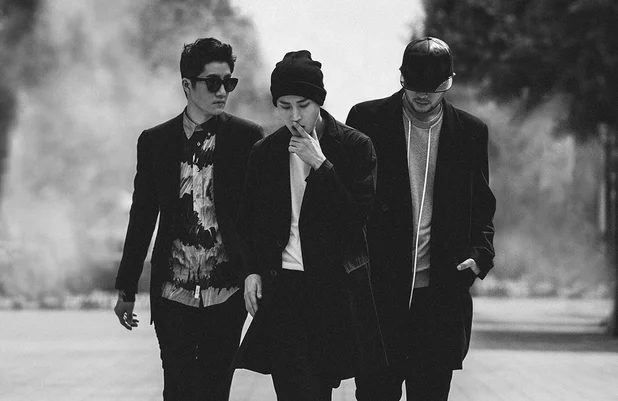
The global expansion of South Korean popular music, known as K-pop, has fostered an increasingly diverse international fandom, yet this growth has simultaneously exposed deep-seated tensions regarding cultural representation and historical sensitivity. As the genre continues to draw heavily from African American musical traditions—specifically R&B, hip-hop, and soul—black fans find themselves in a complex position, navigating a space that celebrates their culture’s aesthetics while often disregarding its historical and social context. A recent roundtable discussion involving prominent community voices Camiele, Cjontai, and Taylore has brought these issues to the forefront, analyzing how the industry’s reliance on black creative output contrasts with instances of appropriation, colorism, and racial stereotyping.
The Intersection of Black Culture and the Hallyu Wave
The foundation of modern K-pop is inextricably linked to black musical innovation. From the early 1990s, when Seo Taiji and Boys introduced hip-hop elements to the Korean mainstream, to the current era of global superstars, the "K-pop sound" has consistently utilized syncopated rhythms, rap verses, and soul-inspired vocal arrangements. However, for black fans, this appreciation often feels one-sided. The roundtable participants noted that while idols like BTS’s RM (formerly Rap Monster) demonstrate genuine appreciation by recommending artists such as D’Angelo, Prince, and India Arie, other acts treat these cultural markers as a "concept" or a "costume."
This distinction between appreciation and appropriation is central to the discourse. Appreciation is characterized by a respect for the source material and an acknowledgment of its origins. In contrast, appropriation involves the superficial adoption of cultural elements—such as cornrows, "blaccents," or specific street-wear styles—to project an image of "toughness" or "authenticity" without understanding the systemic struggles associated with those identities. The roundtable highlighted groups like 4Minute and artists like Keith Ape as examples where the line between homage and caricature becomes blurred, often leaning into "edgy" gimmicks that rely on racialized stereotypes.

A Chronology of Cultural Missteps and Industry Friction
The history of K-pop’s global expansion is marked by recurring instances of cultural insensitivity that have sparked international backlash. These events often follow a predictable pattern: a controversial visual or lyrical choice is made, international fans express grievance, and the domestic industry either responds with confusion or defensive silence.
- The Confederate Flag Controversy (2014-2015): Several idols were spotted wearing the Confederate flag as a fashion statement. When fans criticized the move, some defenders cited American rapper Kanye West’s use of the imagery as justification. The roundtable participants countered this by stating that a single black artist’s provocative choices do not grant a universal license to use symbols of systemic oppression as fashion accessories.
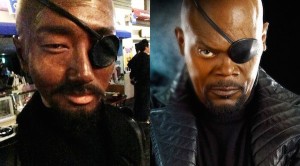
- The Persistence of Blackface: Despite global awareness, instances of blackface have appeared in Korean variety shows and music videos. Notable examples include Yesung of Super Junior, whose portrayal of a black character was defended by some fans as "innocent humor," a stance the roundtable contributors vehemently rejected as an erasure of the harmful history of minstrelsy.
- Linguistic and Lyrical Misconduct: The use of racial slurs in rap lyrics remains a point of contention. While some artists, like Zico of Block B, have faced criticism for using the "N-word," others, like San E, have been accused of harboring animosity or a "superiority complex" toward the very black artists who pioneered the genre they inhabit.
- Concept-Based Hip-Hop: Many rookie groups debut with a "hip-hop concept" only to pivot to bubblegum pop once they achieve a certain level of fame. This "flavor of the month" approach suggests that hip-hop is viewed by major labels as a marketing tool rather than a respected art form.
Supporting Data: The Economic Stakes of Global Inclusivity
The necessity for cultural sensitivity is not merely a moral imperative but an economic one. According to data from the Korea Customs Service, K-pop exports reached a record high of nearly $290 million in 2023, with significant growth in North American and European markets. As the consumer base diversifies, the risk of alienating key demographics through "cultural tone-deafness" carries significant financial consequences.

Research into fandom demographics indicates that black fans constitute a significant and vocal segment of the international K-pop community. Their influence is particularly visible on social media platforms like X (formerly Twitter) and TikTok, where "Black K-pop Stan" communities drive trends and engagement. When these fans feel alienated by colorist remarks—such as idols mocking teammates for having "darker skin"—or by the blatant appropriation of their culture, the resulting "cancel culture" or boycotts can impact a group’s brand reputation and Western chart performance.
Official Responses and the "Let it Slide" Narrative
The reaction from South Korean entertainment agencies has been inconsistent. Some companies, such as Seven Seasons (representing Block B), have been noted for their willingness to engage with international fans and issue apologies or corrections when problematic content is identified. These agencies recognize that their talent’s longevity depends on a respectful relationship with a global audience.

However, a significant portion of the fandom often encourages marginalized fans to "let it slide," citing cultural differences or a lack of education in South Korea regarding Western history. The roundtable participants argued that this narrative is inherently patronizing to Korean artists, as it suggests they are incapable of performing basic research despite their aspirations for global success. "To say they don’t know better is to say they are too unintelligent to learn," noted one participant, emphasizing that in the digital age, ignorance is increasingly seen as a choice by the industry.
The Role of Fan-Produced Content and Representation
Beyond the actions of the idols themselves, the roundtable explored the "erasure" of black fans within fan-produced content. In the world of fanfiction and "fan-service," black fans often find themselves excluded from the narrative. Descriptions of "pale skin" or "straight hair that a bias can run his fingers through" serve as constant reminders that the "lovey-dovey illusion" sold by the industry is often not designed with them in mind.
This lack of representation extends to the way black sensuality is viewed within the fandom. Participants noted that black women are often either hyper-sexualized (based on images of artists like Beyoncé or Nicki Minaj) or deemed "undesirable" based on traditional East Asian beauty standards that prize "glass skin" and extreme fairness. This creates a psychological barrier for black fans who "go nuts over their biases" like anyone else but are reminded of their "otherness" by the very content they consume.
Broader Impact and the Path Toward a "Kaleidoscope"
The implications of this ongoing dialogue suggest that K-pop is at a crossroads. As it moves away from being a niche interest and into the global mainstream, the industry must decide whether it will continue to "mine" black culture for aesthetics or begin to engage with it as a peer.

The roundtable concluded with a call for mutual respect. The participants emphasized that their criticism does not stem from a desire to "bully" idols, but from a place of genuine investment in the music. They highlighted that without the influence of R&B and hip-hop, the K-pop landscape—including powerhouse groups like EXO, Big Bang, and SHINee—would not exist in its current form.
For K-pop to truly function as a "stained-glass window" of global culture, it must embrace a kaleidoscope of perspectives. This requires industry executives to hire cultural consultants, artists to study the history of the genres they perform, and the broader fandom to listen when marginalized groups express hurt. As the Hallyu wave continues to crash onto distant shores, the sustainability of its success may well depend on its ability to transition from a culture of imitation to one of genuine, respectful integration.