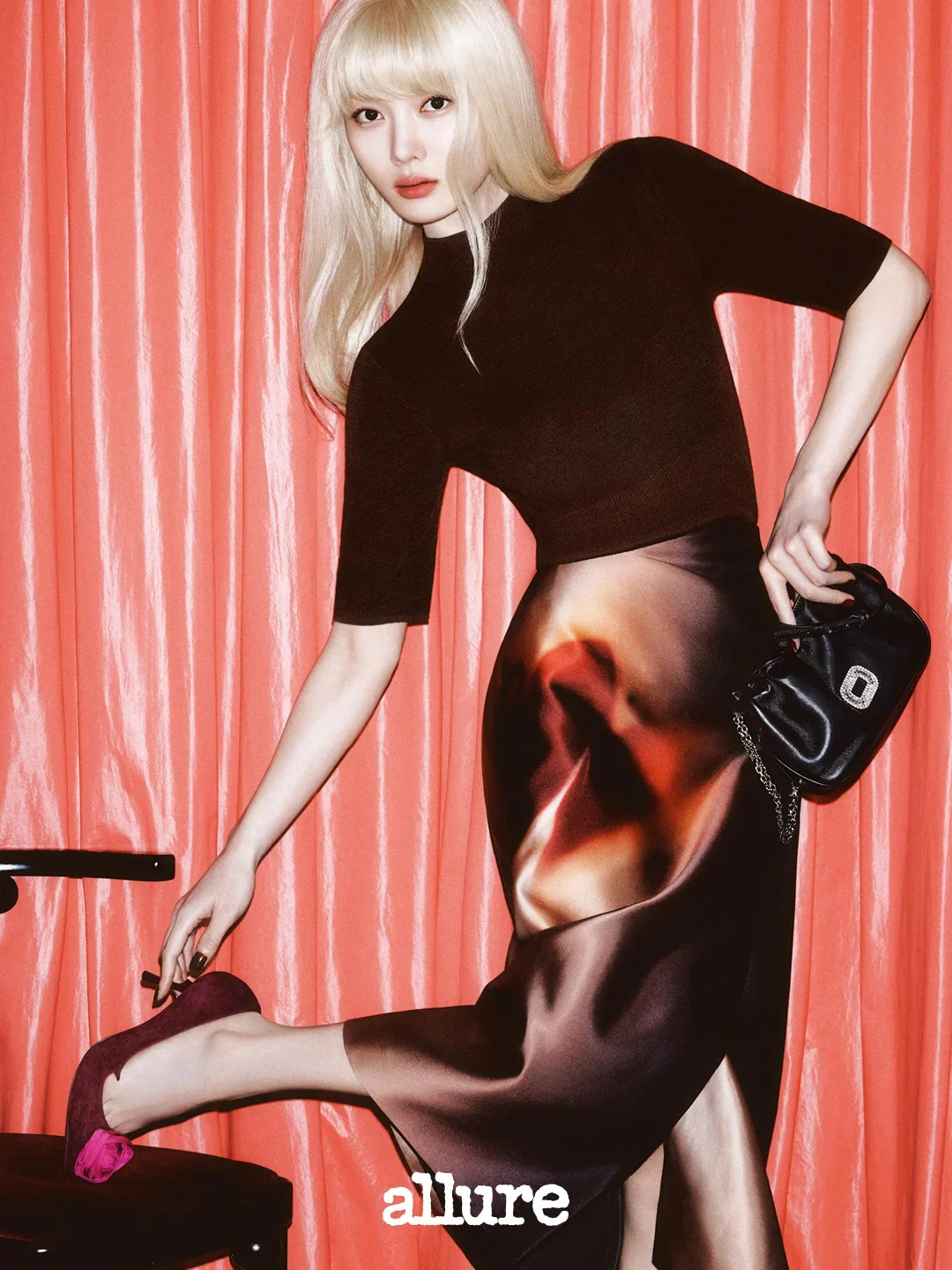
The latest installment of "For Your Viewing Pleasure," a recurring feature dedicated to curating impactful visual aesthetics from the K-pop landscape, spotlights the perennial power and versatile elegance of leather. This foundational material, transcending mere trend cycles, consistently redefines sophistication and a certain devil-may-care attitude across the spectrum of K-pop fashion. From the classic silhouette of a motorcycle jacket to the commanding presence of knee-high boots, leather’s inherent ability to imbue any ensemble with an edge is demonstrably showcased by prominent figures within the Korean entertainment industry. Whether manifesting as a chic corset, casual culottes, or the perfect statement handbag, the featured imagery unequivocally affirms leather’s timeless appeal and its unwavering status as a sartorial staple. Esteemed actors Nam Joo-hyuk and So Ji-sub exemplify suave masculinity in impeccably tailored leather jackets, while Minnie of (G)I-DLE channels a distinct rock-chic sensibility with studded fingerless gloves. Katseye’s Yoonchae embraces a modern, edgy aesthetic in a black leather corset, and actress Kim You-jung demonstrates understated luxury by accessorizing an elegant silk skirt with a striking leather bag. A particular highlight is Yuqi of (G)I-DLE, who boldly pairs a vibrant red dress with a formidable set of leather boots, creating a look that is both striking and assertive. These examples collectively underscore why leather continues to be an indispensable element in crafting the diverse and dynamic visual narratives of K-pop.
The Historical Tapestry of Leather in Fashion
Leather’s journey through fashion history is marked by its transformation from a utilitarian material to a symbol of luxury, rebellion, and refined style. Historically, animal hides were crucial for protection and warmth, evolving into durable workwear and military uniforms. The 20th century saw leather adopt new cultural connotations. Post-World War II, the leather jacket became an emblem of rebellion and non-conformity, popularized by figures like Marlon Brando and James Dean, symbolizing youth defiance and counter-culture movements. Concurrently, high fashion embraced leather for its luxurious texture and structural capabilities, with designers experimenting with various finishes and forms. The late 20th and early 21st centuries witnessed further diversification, with leather appearing in avant-garde designs, sportswear, and sustainable alternatives gaining traction. Its inherent qualities—durability, supple texture, and capacity to be molded into countless forms—have ensured its enduring presence, allowing it to adapt seamlessly to evolving aesthetic preferences and technological advancements. This rich heritage provides the foundational context for understanding its profound and lasting impact within the rapidly evolving landscape of K-pop fashion.

A Chronology of Leather’s Evolution in K-Pop Styling
The integration of leather into K-pop fashion is not a recent phenomenon but rather a stylistic constant that has evolved significantly across generations, reflecting broader fashion trends while simultaneously shaping them within the genre.
The Genesis: First and Second Generations (1990s – Early 2000s)
In the formative years of K-pop, leather emerged as a potent symbol of edgy masculinity and urban coolness, deeply influenced by Western hip-hop and rock aesthetics. Groups like H.O.T., Sechskies, and Shinhwa frequently sported full leather ensembles, including fitted jackets, vests, and pants, often in black or deep jewel tones. This period saw leather primarily utilized for powerful stage performances, conveying a sense of strength, rebellion, and charisma. Female groups such as Fin.K.L. and S.E.S., while often embracing softer concepts, also occasionally incorporated leather elements, particularly in more assertive or "girl crush" themes that began to surface, hinting at the material’s future versatility. The leather look of this era was often characterized by its starkness and heavy application, designed to make a dramatic visual impact on stage and in music videos.
Mid-Generational Refinement: Second and Third Generations (Mid-2000s – Early 2010s)
As K-pop matured and gained broader international recognition, the use of leather became more nuanced and experimental. Artists like Rain, BoA, TVXQ, and later Big Bang and 2NE1, pushed stylistic boundaries. Leather began to appear in more diverse forms: fitted dresses, skirts, shorts, and elaborate accessories. The "rocker chic" aesthetic gained prominence, with studded leather jackets and distressed leather pieces becoming commonplace. Big Bang, in particular, under the influence of G-Dragon’s fashion-forward vision, frequently incorporated high-end designer leather pieces, showcasing the material’s potential for luxury and avant-garde expression. Female groups like Girls’ Generation and 4Minute began to integrate leather into more diverse concepts, ranging from sleek and sophisticated to fierce and edgy, demonstrating its adaptability beyond a singular "tough" image. This era also saw an increased focus on the quality and finish of leather, moving beyond simple black to include patent, metallic, and colored leathers.

Contemporary Adaptations: Third and Fourth Generations (Mid-2010s – Present)
In the current era, leather remains a ubiquitous element, continually reinterpreted to align with contemporary fashion trends and the diverse concepts of modern K-pop. Groups like BTS, BLACKPINK, EXO, Stray Kids, and (G)I-DLE leverage leather to convey a vast array of aesthetics. It is now seamlessly integrated into high-fashion collaborations, streetwear, and gender-fluid styling. The material appears in innovative forms such as leather culottes, intricate corsets, tailored blazers, and statement accessories. The original article’s examples perfectly illustrate this modern application: Nam Joo-hyuk and So Ji-sub’s sophisticated jackets, Minnie’s edgy studded gloves, Yoonchae’s chic corset, Kim You-jung’s luxurious bag, and Yuqi’s bold leather boots. This period also sees a greater emphasis on ethical sourcing and the increasing popularity of high-quality vegan leather alternatives, reflecting a growing awareness of sustainability within the fashion industry. Leather’s adaptability allows it to be paired with diverse fabrics—from silk to denim to knitwear—creating layered and textured looks that define much of today’s K-pop fashion.
Supporting Data and Stylistic Analysis: The Multifaceted Appeal of Leather
The consistent presence of leather in K-pop fashion is underpinned by its unparalleled versatility and its capacity to evoke a wide spectrum of visual narratives. This material serves not just as clothing but as a powerful storytelling device.
Versatility in Form and Function:
Leather’s inherent structure allows it to be manipulated into various forms, from rigid, protective outerwear to supple, draped garments.

- Outerwear: The classic leather jacket, whether a biker style, bomber, or tailored blazer, remains a perennial favorite. Its ability to instantly add an element of cool, rebellion, or sophistication makes it ideal for airport fashion, stage performances, and editorial shoots. Nam Joo-hyuk and So Ji-sub’s choices exemplify the sophisticated end of this spectrum, showcasing clean lines and premium finishes that elevate a simple ensemble.
- Bottoms: Leather pants, skirts, and shorts offer a sleek alternative to denim or fabric. They contour the body, providing a sharp silhouette that enhances stage presence. The introduction of leather culottes and more relaxed-fit trousers demonstrates a modern interpretation, blending comfort with high fashion.
- Tops and Dresses: Leather tops, corsets, and dresses can range from aggressively edgy to subtly sensual. Yoonchae’s black corset, for instance, blends historical fashion elements with contemporary K-pop aesthetics, conveying both strength and allure. Yuqi’s pairing of a red dress with leather boots creates a dynamic contrast of textures and colors, emphasizing her stage persona.
- Accessories: Beyond garments, leather accessories are crucial. Boots, like Yuqi’s, provide a strong anchor to an outfit. Bags, as seen with Kim You-jung, can serve as a focal point, adding a touch of luxury and refinement. Smaller items like Minnie’s studded fingerless gloves are instrumental in conveying specific sub-cultural influences, such as punk or rock.
Texture and Finish as Aesthetic Tools:
The visual impact of leather is significantly influenced by its finish.
- Matte Leather: Offers a sophisticated, understated elegance, often favored for tailored pieces and classic jackets. It absorbs light, creating a refined and luxurious appearance.
- Patent Leather: Characterized by its high-gloss, reflective surface, patent leather is frequently used to make a bold statement. Its ability to catch and reflect light adds a dynamic visual element, perfect for stage costumes.
- Distressed Leather: Conveys a rugged, worn-in, and rebellious aesthetic, often associated with rock and grunge influences.
- Embossed/Textured Leather: Mimicking exotic skins or featuring intricate patterns, this type adds a layer of intricate detail and luxury.
Color Palette Beyond Black:
While black leather remains the quintessential choice for its inherent coolness and versatility, K-pop stylists increasingly experiment with colored leather. Deep reds, emerald greens, navy blues, and even pastels can introduce vibrancy and unexpected twists to classic leather pieces, allowing for greater conceptual differentiation and visual storytelling.
Gender-Neutrality and Empowering Imagery:
One of leather’s most compelling attributes in K-pop is its inherent gender-neutral appeal. It is equally embraced by male and female idols and actors to project confidence, power, and an unyielding sense of style. A leather jacket on a male idol exudes rugged charm, while on a female idol, it can signify strength, independence, and an "unbothered" attitude. This fluidity aligns perfectly with K-pop’s progressive approach to fashion, where traditional gender boundaries are frequently blurred or redefined to create unique and impactful visual identities.

Industry Perspectives: Stylists, Designers, and Analysts Weigh In
While direct quotes from specific stylists or designers regarding the featured looks are not provided, industry consensus offers valuable insight into why leather holds such a prominent position in K-pop fashion.
The Stylist’s Indispensable Tool: K-pop stylists often cite leather as a fundamental fabric due to its unparalleled ability to create strong visual impact, both on stage and in photographic media. "Leather is a stylist’s secret weapon," an anonymous K-pop stylist might infer, "It photographs beautifully, adds immediate texture and depth, and most importantly, it conveys a powerful message—whether that’s fierce confidence, refined luxury, or edgy rebellion. Its durability is also crucial for performance wear." The material’s ability to maintain its shape and structure under intense stage choreography, coupled with its dramatic visual presence under stage lights, makes it an ideal choice for high-energy performances. Furthermore, its versatility means a single leather piece can be styled in multiple ways, adapting to different song concepts or promotional activities, offering efficiency in a fast-paced industry.
Designers’ Enduring Muse: Fashion designers, both within Korea and internationally, consistently return to leather for its timelessness and adaptability. "Leather is a canvas that never goes out of style," a designer might suggest, "Its raw material quality allows for endless innovation in cut, finish, and application. It’s a material that embodies both tradition and modernity, making it a perennial favorite for creating statement pieces that resonate across diverse audiences." The ability to manipulate leather into tailored garments, intricate accessories, or avant-garde structures provides an expansive creative playground for designers aiming to push boundaries while maintaining a connection to classic elegance.

Analysts on K-Pop’s Fashion Influence: Industry analysts often point to K-pop’s sophisticated use of fashion as a key driver of its global appeal. "K-pop artists are not just musicians; they are fashion trendsetters," explains a market analyst. "Their strategic deployment of iconic materials like leather influences consumer behavior and global fashion trends. When an idol wears a specific leather jacket or bag, it creates immediate demand and elevates the perceived coolness of the item, impacting luxury sales and street style alike." This analytical perspective underscores leather’s role not just as a fabric but as a significant economic and cultural influencer within the K-pop ecosystem.
Broader Impact and Implications
The consistent and innovative integration of leather into K-pop fashion extends its influence far beyond the stage, impacting global fashion trends, consumer behavior, and discussions around sustainability.
Global Trendsetter: K-pop’s massive international following means that the fashion choices of idols and actors are observed and emulated worldwide. When figures like Nam Joo-hyuk or Minnie sport a particular leather style, it invariably sparks interest and influences fashion trends, from high street retail to luxury brand collections. K-pop acts as a powerful conduit, translating runway trends into wearable, aspirational looks for a global audience, with leather being a prime example of a classic material continually recontextualized and popularized.

Economic Ripple Effect: The K-pop industry’s engagement with luxury fashion houses, many of whom are renowned for their leather goods, has a significant economic impact. Idols are frequently appointed as global ambassadors for brands, leading to increased sales and brand visibility for their leather collections. The association of K-pop stars with high-end leather products elevates the perceived value and desirability of these items, contributing to the burgeoning luxury market in Asia and beyond. This synergy between entertainment and high fashion creates a robust ecosystem where fashion choices translate into tangible economic benefits.
Sustainability in Focus: As global awareness of environmental and ethical concerns grows, the fashion industry, including K-pop, faces increasing scrutiny regarding its material choices. While traditional leather remains prevalent, there is a discernible shift towards incorporating sustainable alternatives. Vegan leather, often made from innovative plant-based materials like mushroom mycelium, pineapple leaves, or cactus, is gaining traction. K-pop stylists and brands are beginning to explore and feature these alternatives, signaling a move towards more environmentally conscious fashion practices. This evolution reflects a broader industry trend and positions K-pop as a potential leader in promoting sustainable fashion choices to its vast youth demographic. The conscious selection of materials will likely become an even more prominent aspect of K-pop styling in the coming years, impacting how leather, or its sustainable counterparts, are perceived and utilized.
In conclusion, the curated set of images from "For Your Viewing Pleasure" serves as a microcosm of leather’s enduring and dynamic presence within the K-pop landscape. From its historical roots as a symbol of rebellion and luxury to its contemporary manifestations in high fashion and street style, leather continues to be a cornerstone material. Its versatility allows it to adapt to diverse concepts, empower both male and female idols, and make a definitive statement. As K-pop solidifies its position as a global cultural and fashion influencer, leather remains an indispensable tool for crafting compelling visual narratives, demonstrating its timeless appeal and reaffirming its status as an iconic element in the ever-evolving world of K-pop fashion.