
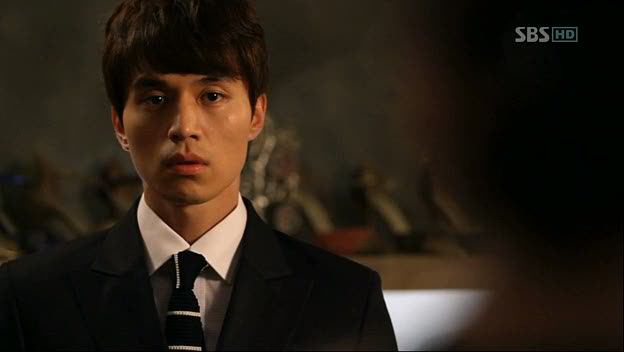
In the landscape of South Korean popular culture, few figures are as recognizable or as polarizing as the heir to a family-owned conglomerate. Known as the "chaebol" son, this character archetype—frequently depicted as an arrogant, impeccably dressed young man destined to inherit a multi-billion dollar empire—serves as a staple of K-dramas such as Secret Garden, What Happened in Bali, and Scent of a Woman. These fictional narratives often present a romanticized view of extreme wealth, yet the reality of the chaebol (재벌) system is a complex tapestry of economic triumph, political entanglement, and systemic controversy that has defined the South Korean state for over seven decades. While global audiences may recognize names like Samsung, Hyundai, and LG through their consumer electronics and automobiles, these entities represent a unique corporate structure that exerts an overwhelming influence on nearly every facet of South Korean life.
Defining the Chaebol: A Structural Overview
The term "chaebol" is derived from the Chinese characters for "wealth" or "property" (chae) and "faction" or "clan" (bol). Unlike Western conglomerates, which are typically managed by professional executives and owned by a diverse pool of shareholders, chaebols are characterized by centralized ownership and management by a single family. This control is often maintained through a complex web of cross-shareholdings, where subsidiaries own stakes in one another, allowing the founding family to exert absolute authority over the entire group despite owning only a small percentage of the total equity.
The sheer scale of these organizations is difficult to overstate. A single chaebol like Hyundai does not merely manufacture cars; its reach extends into heavy industry, construction, department stores, logistics, and petrochemicals. Similarly, Lotte operates a vast empire spanning from confectionery and retail to luxury hotels and chemicals. In the domestic Korean market, these companies are omnipresent. A citizen might live in a Samsung-built apartment, use an LG phone serviced by an SK Telecom network, shop at a Lotte Mart, and drive a Hyundai vehicle fueled by GS Caltex. This "cradle-to-grave" corporate presence has turned South Korea into one of the most concentrated economies in the industrialized world.
The Chronology of the Economic Miracle
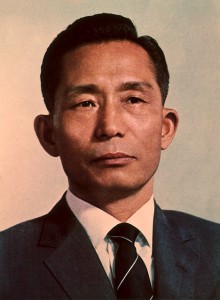
The genesis of the chaebol system is inextricably linked to the "Miracle on the Han River," the period of rapid industrialization that followed the devastation of the Korean War. When the armistice was signed in 1953, South Korea was one of the poorest nations on earth, with a GDP per capita lower than many sub-Saharan African countries. The transformation began in earnest during the 1960s under the administration of General Park Chung-hee.
Park’s military government recognized that the nation lacked the capital and infrastructure to compete globally. His administration implemented a series of Five-Year Economic Development Plans that shifted the nation toward an export-oriented industrialization strategy. To achieve this, the government hand-picked a small number of private firms to spearhead development in strategic sectors such as steel, shipbuilding, and electronics.
Between 1961 and 1979, the government provided these selected firms with massive incentives, including low-interest loans from state-owned banks, preferential access to foreign exchange, and protection from international competition through high tariffs. In exchange for this support, the chaebols were required to meet strict export quotas. This symbiotic relationship between the state and private capital allowed South Korea to achieve double-digit annual growth for decades, transforming the country into a global economic powerhouse by the 1990s.
Supporting Data: Economic Concentration and the "Korea Discount"
The success of the chaebol model is evident in South Korea’s macroeconomic data, but this success has come with significant concentration risks. According to data from the Korea Fair Trade Commission and various economic research institutes, the top 10 chaebols frequently account for nearly 80% of the country’s total GDP in terms of combined revenue. Samsung Group alone, the largest of the conglomerates, has seen its annual revenue fluctuate between 15% and 20% of South Korea’s total GDP.

While this concentration has provided the stability and capital necessary for massive research and development projects, it has also led to the "Korea Discount." This financial phenomenon refers to the tendency for South Korean stocks to be undervalued compared to global peers. Investors often cite the "chaebol risk"—lack of transparency, poor corporate governance, and the prioritisation of family interests over minority shareholders—as the primary reason for this lower valuation. Furthermore, the dominance of chaebols has historically stifled the growth of Small and Medium Enterprises (SMEs). With the conglomerates controlling supply chains and often engaging in predatory pricing or "technology theft" from smaller vendors, the South Korean startup ecosystem struggled for decades to find a foothold.
The Political-Business Nexus and Official Responses
The close-knit relationship between the Blue House (the presidential office) and chaebol leadership has been a source of recurring scandal. Critics argue that the government’s historical protection of these entities has created a "moral hazard" where the largest companies are considered "too big to fail." This was painfully illustrated during the 1997 Asian Financial Crisis. The collapse of the Daewoo Group, then the second-largest chaebol in the country, sent shockwaves through the global economy and forced South Korea to accept a $58 billion bailout from the International Monetary Fund (IMF).
In the aftermath of the 1997 crisis, the South Korean government was forced to implement sweeping reforms, including the dismantling of several over-leveraged conglomerates and the introduction of stricter accounting standards. However, the political influence of the remaining giants remained potent. Notable examples of this "bedfellow" relationship include the presidency of Lee Myung-bak, the former CEO of Hyundai Engineering and Construction, whose administration was often viewed as highly favorable to corporate interests.
Public sentiment toward the chaebol is deeply conflicted. While there is a sense of national pride in the global success of brands like Samsung and LG, there is also widespread resentment regarding the "hereditary" nature of wealth. High-profile incidents, such as the 2014 "nut rage" scandal involving a Korean Air executive (a daughter of the Hanjin Group chairman) and the bribery scandal that led to the impeachment of President Park Geun-hye and the imprisonment of Samsung heir Lee Jae-yong, have fueled calls for "Economic Democratization."

Analysis of Implications: The Future of the Model
As South Korea moves further into the 21st century, the utility of the chaebol model is being questioned by economists and policymakers alike. The "command and control" management style that was effective during the industrialization era is often seen as a hindrance in the modern, innovation-driven digital economy. Pusan University Professor Robert Kelly has famously described the chaebols as "politics-corrupting, consumer-punishing, reverse-engineering oligopolists," suggesting that their structural advantages have become anachronistic in a globalized market.
The primary challenge facing South Korea today is balancing the economic stability provided by these giants with the need for a more equitable and competitive domestic market. Current President Yoon Suk-yeol, like his predecessors, faces the difficult task of regulating corporate excesses without stifling the economic engines that drive the nation’s exports.
Moreover, the issue of succession remains a flashpoint. As the third and fourth generations of founding families take the helm, many lack the "entrepreneurial grit" of their predecessors, leading to internal family feuds and management instability. Some conglomerates have begun to move toward a more "professionalized" management model, appointing outside CEOs and increasing board independence, but the core family-centric identity remains largely intact.
Conclusion: A Legacy of Mixed Blessings
The story of the chaebol is, in many ways, the story of South Korea itself. It is a narrative of improbable success, driven by a tireless work ethic and a unique partnership between the state and private industry. Without the chaebol, the "Miracle on the Han River" likely would not have occurred, and South Korea would not be the cultural and technological leader it is today.
However, the costs of this rapid ascent—cronyism, market distortion, and a widening wealth gap—are now coming due. While K-dramas will undoubtedly continue to utilize the "chaebol heir" as a romantic trope, the South Korean public is increasingly demanding a shift from a "chaebol-centric" economy to one that fosters broader innovation and social mobility. The coming decade will determine whether these corporate dynasties can evolve into modern, transparent entities or if they will remain as gilded relics of a bygone era of developmental dictatorship. For now, the chaebol remains the most powerful force in the Republic of Korea, a testament to the nation’s past and the greatest challenge to its future.