
The intersection of aesthetic enhancement and public identity has become a defining characteristic of the South Korean entertainment industry, fostering a complex dialogue that resonates far beyond the borders of the "Hallyu" wave. In the dense landscape of K-pop and Korean cinema, the prevalence of plastic surgery is no longer a peripheral topic but a central pillar of celebrity discourse. Digital platforms such as Google, Naver, and Daum frequently see search queries for popular idols inextricably linked with terms like "before and after" or "plastic surgery rumors." Online communities and message boards serve as digital laboratories where fans and critics alike conduct minute-by-minute analyses of facial transitions, tracking subtle shifts in jawlines, nose bridges, and eyelid creases.
Historically, the relationship between South Korean celebrities and cosmetic procedures was one of strategic silence or vehement denial. However, as the industry has matured and the prevalence of procedures has reached record highs, the conversation has shifted toward a more nuanced, albeit contentious, public debate. This evolution is marked by a tension between individual agency and the overwhelming societal pressure to conform to a singular, manufactured ideal of beauty.
The Variety Show Debate: Personal Happiness versus Traditional Values
A significant moment in the public discourse occurred during a televised exchange between solo vocalist G.NA and comedian Lee Yoon-suk. The debate was sparked when Lee voiced a staunch disapproval of his wife undergoing plastic surgery, characterizing such an act as a "violation of their marriage oath." Lee argued against the prevailing notion that surgical enhancement is a valid tool for self-improvement, suggesting that the pursuit of a different face undermines the authenticity of the person he committed to spend his life with.
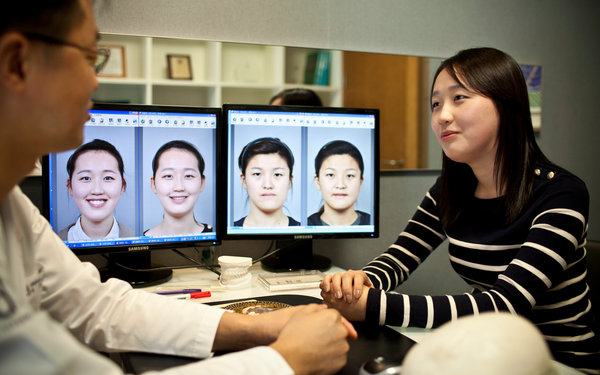
In response, G.NA offered a defense centered on the concepts of personal satisfaction and psychological well-being. She cited the example of her grandfather, who reportedly experienced a significant boost in happiness and self-esteem following hair transplant surgery. G.NA’s argument posited that if a physical change can alleviate deep-seated insecurities and lead to a more confident life, it should be viewed as a positive personal choice rather than a societal transgression.
While the exchange eventually reached a stalemate—with G.NA expressing frustration at what she perceived as a lack of male understanding regarding female beauty pressures—the incident highlighted a growing divide. On one side stands a traditionalist view that prizes natural "originality," and on the other, a pragmatic view that treats the body as a customizable vessel for social and personal empowerment.
The Miss Daegu Controversy and the "Clone" Phenomenon
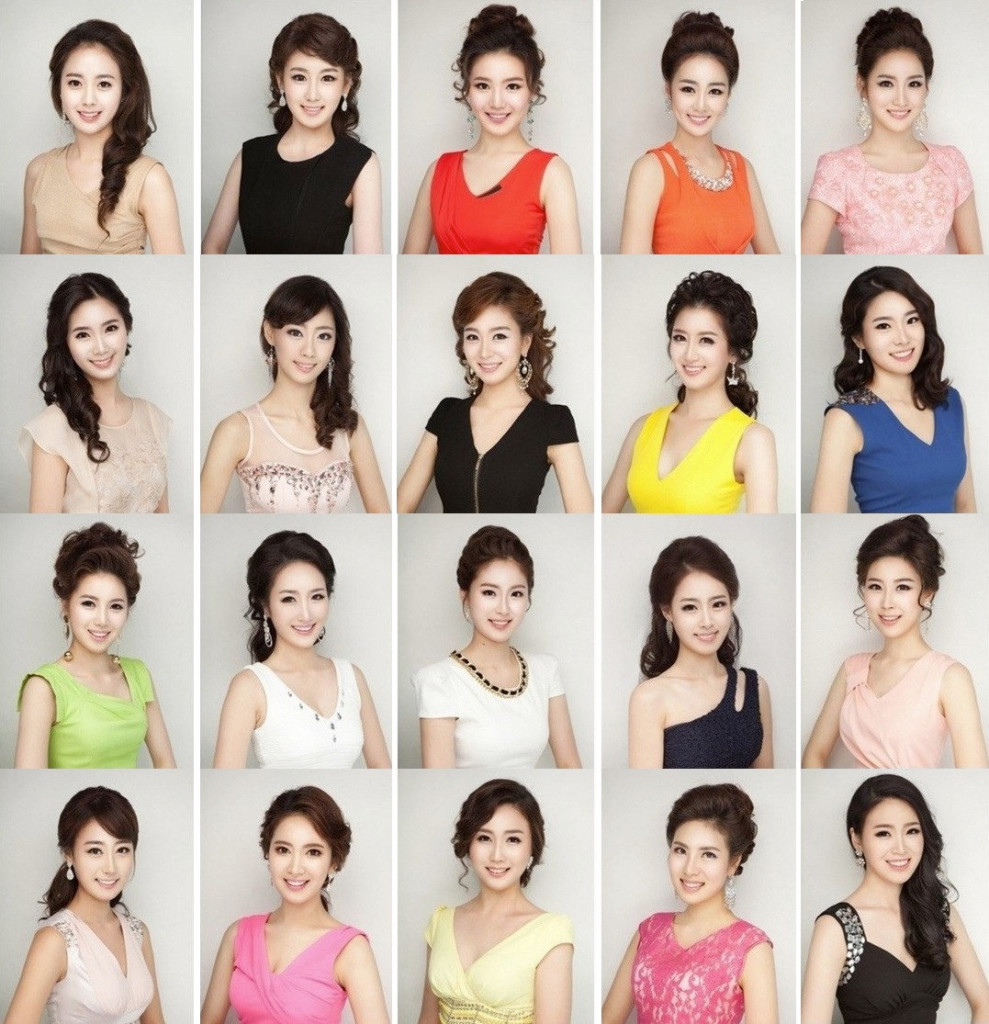
The debate surrounding South Korean beauty standards reached a global fever pitch following the release of the official photographs for the 2013 Miss Daegu pageant. The images, featuring twenty candidates vying for the title, went viral internationally due to the striking similarity in the contestants’ features. Observers noted that the women appeared nearly identical, sharing the same "V-line" jaw shapes, high nose bridges, wide eyes with double eyelids, and pale skin tones.
This incident served as a visual manifestation of the "K-beauty" ideal. Critics argued that the pageant represented the erasure of natural diversity in favor of a surgical template. The candidates were described by some international media outlets as "clones," a term that underscored the hyper-standardization of beauty in the region. The controversy raised fundamental questions: if a beauty competition features twenty women who have all undergone similar procedures to reach the same aesthetic finish line, what is actually being judged? The skill of the surgeon or the inherent grace of the individual?

The 2013 Miss Daegu winner, Kwak Ka-hyun, became a focal point of this discussion. As a representative of Korean beauty, her surgically-refined features were seen by many as an advertisement for the nation’s medical prowess rather than a celebration of unique Korean heritage.
Statistical Context: South Korea as a Global Hub for Aesthetic Surgery
The prevalence of plastic surgery in South Korea is supported by staggering statistical data. According to reports from the International Society of Aesthetic Plastic Surgery (ISAPS), South Korea consistently maintains one of the highest rates of cosmetic procedures per capita in the world. In Seoul’s Gangnam District, specifically the Apgujeong neighborhood, an area known as the "Beauty Belt" houses over 400 specialized clinics within a small radius.
The normalization of these procedures is evident in daily life. Advertisements for "double eyelid surgery" (blepharoplasty) and "V-line jaw reduction" are ubiquitous in subway stations and on the sides of buses. Data suggests that approximately one in three women in Seoul between the ages of 19 and 29 has undergone some form of cosmetic surgery. Furthermore, "graduation gifts" in the form of surgical procedures have become a common rite of passage for high school students entering university, viewed by parents as a necessary investment in their child’s future social and professional success.
The Media’s Role in Constructing the "Ideal"
The South Korean media apparatus plays a pivotal role in reinforcing these rigid beauty standards. Unlike Western media, which, despite its own flaws, has seen the rise of "body positive" icons and comedians like Tina Fey or Lena Dunham who challenge traditional glamour, the South Korean landscape remains largely monolithic. In his memoir Bossypants, Tina Fey noted how Western beauty standards are a "laundry list of attributes" that are often contradictory, yet there is a space for "unconventional" women to achieve leading status without conforming to every trope.

In contrast, South Korean celebrities who do not fit the "idol" mold are often relegated to specific, narrow roles. Actresses or comedians who lack the "standard" surgically-enhanced look are frequently cast as "gagwomen," where their act relies heavily on self-deprecating humor regarding their appearance. Figures like Kim Shin-young or Jung Ju-ri are celebrated for their talent, yet the industry often frames their "value" in opposition to the "natural" or "surgically perfect" beauties that lead dramas and music videos.
The glorification of a specific, manufactured look creates a feedback loop. Idols are presented as the pinnacle of human perfection; the public, seeing these idols rewarded with fame and fortune, seeks to emulate their features through surgery. When celebrities like Hyorin of SISTAR or members of Brown Eyed Girls eventually admit to procedures, it often comes after years of public speculation, further cementing the idea that beauty is a prerequisite for entry into the elite tiers of society.
Socio-Economic Implications: The "Spec" Culture
The drive for aesthetic perfection in South Korea is not merely a matter of vanity; it is increasingly tied to economic survival. The concept of "spec" (short for specifications) refers to the list of qualifications a person needs to get a job, including their university degree, English test scores, and internships. In a hyper-competitive job market, physical appearance has become an unofficial "spec."
Many job applications in South Korea require a headshot, leading many young professionals to seek surgery to look more "employable" or "trustworthy." This systemic "lookism" suggests that the decision to undergo surgery is often less about personal choice and more about societal coercion. When society rewards a specific facial structure with better job prospects and social mobility, the "personal satisfaction" argued by figures like G.NA becomes a secondary factor to the necessity of conforming for the sake of one’s career.
Broader Impact and the Future of the Beauty Standard
The consequences of this cultural obsession are multifaceted. While many individuals report increased confidence and life satisfaction post-surgery, there is a growing concern regarding the "loss of face"—the literal and figurative loss of ethnic and individual distinctiveness. The medical risks associated with more invasive procedures, such as "jaw-shaving" or "double jaw surgery" (orthognathic surgery), are significant, yet they are often downplayed in a media environment that treats these operations as routine maintenance.
However, there are nascent signs of a counter-movement. In recent years, the "Escape the Corset" movement in South Korea has seen women destroying their makeup and cutting their hair short to protest the country’s demanding beauty standards. Additionally, some celebrities are beginning to speak more candidly about the pain and regret associated with excessive surgery, fostering a more honest dialogue about the realities of the industry.
Conclusion
The debate surrounding plastic surgery in South Korea is a microcosm of the tensions between tradition, modernity, and the power of media. While individuals like G.NA argue for the right to pursue happiness through aesthetic change, the "clone" controversy of Miss Daegu 2013 serves as a warning of what happens when societal pressure overrides individual diversity. Until the South Korean media and corporate structures begin to value a broader, more inclusive definition of beauty, the "Beauty Belt" will likely continue to thrive, and the line between personal choice and societal mandate will remain dangerously blurred. The path forward requires a shift from the celebration of a singular "manufactured ideal" toward a genuine appreciation for the diverse faces that represent the true breadth of the Korean experience.