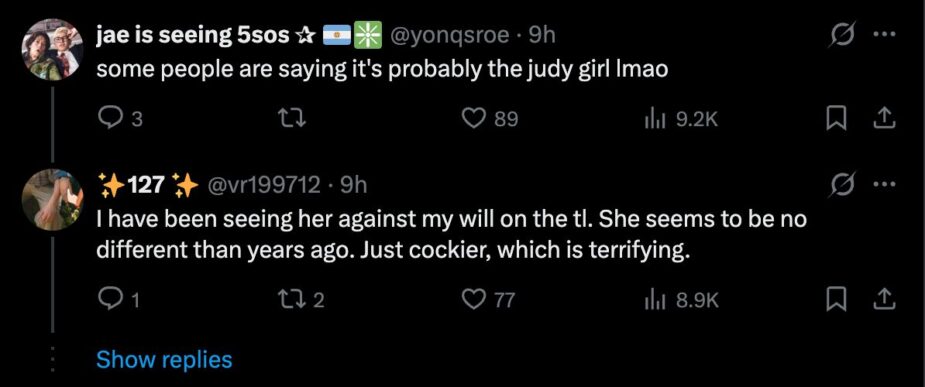
The global K-pop industry is once again grappling with the pervasive and dangerous issue of "sasaeng" culture—a term used to describe obsessive individuals who engage in stalking and other behaviors that invade the privacy of South Korean idols—following a series of alarming reports involving the boy group NCT 127. During the group’s recent promotional activities in Los Angeles, fans and online observers identified a notorious individual who has a documented history of harassing the group’s members. This individual, who gained infamy in 2023 for illegally entering a hotel room occupied by NCT member Jaehyun, was reportedly spotted trailing the group across various locations in California, reigniting a fierce debate regarding the efficacy of artist protection protocols within the entertainment industry.
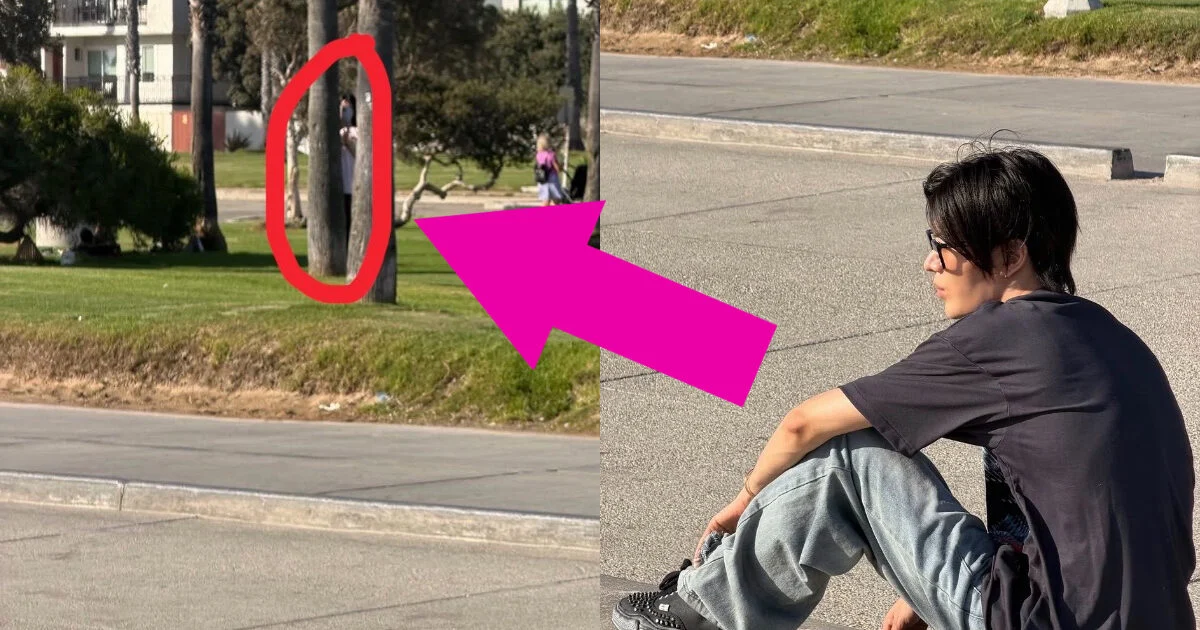
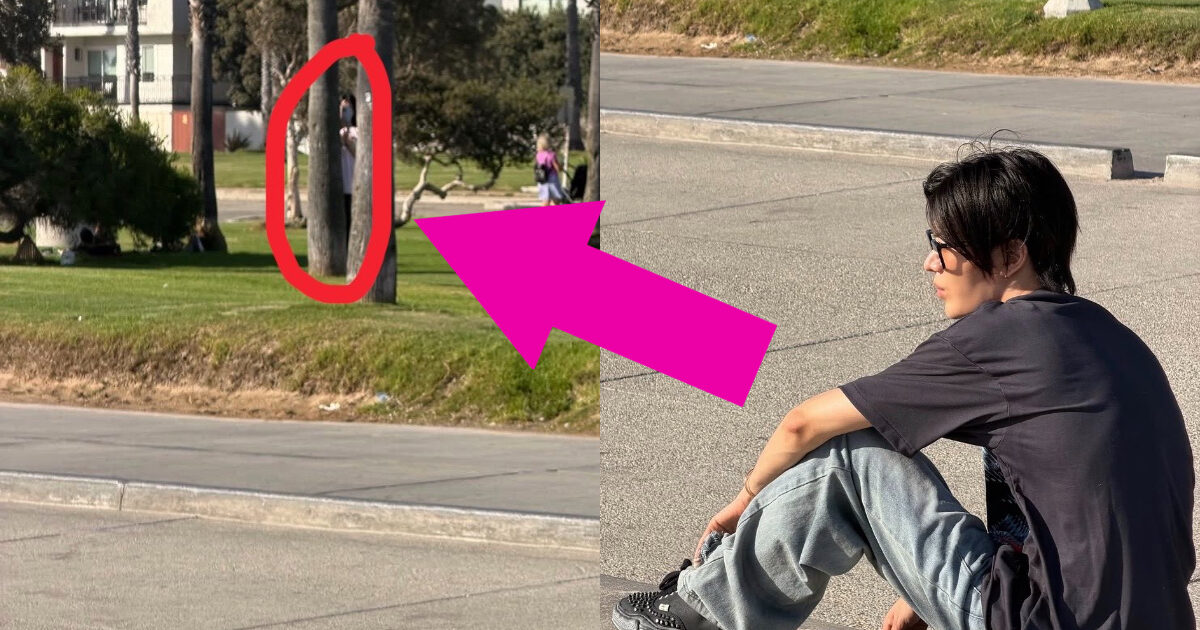
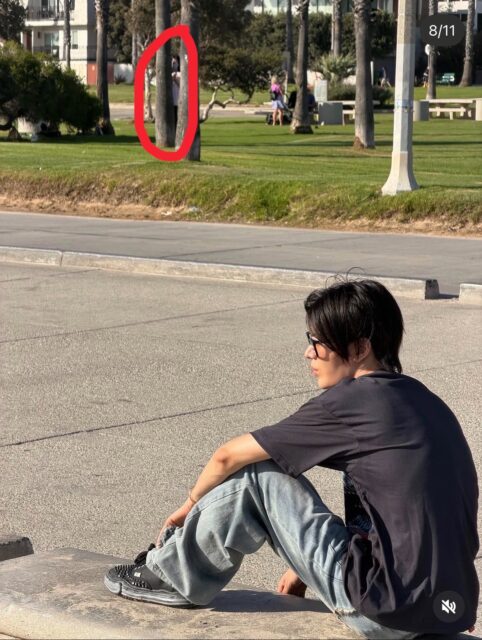
The situation reached a boiling point after a series of photos and videos were uploaded to social media platforms by the stalker, showcasing the members of NCT 127 during their private time. These clips depicted the idols at their hotel and participating in non-public schedules, suggesting that the individual had access to confidential itinerary information. The gravity of the situation was further underscored when netizens meticulously analyzed a photograph of member Yuta, which had been posted to the group’s official social media channels. In the background of the image, a figure was visible partially obscured by a tree, appearing to film the members from across the street. Fans quickly cross-referenced the figure’s appearance and location with other sightings, concluding with a high degree of certainty that the person was the same individual involved in the 2023 security breach.
A History of Harassment: The 2023 Hotel Incident
To understand the intensity of the current outcry, it is necessary to examine the history of this specific stalker’s interactions with NCT. In August 2023, the K-pop community was shocked when a video surfaced online showing the interior of a hotel room in the United States. The room was occupied by Jaehyun during NCT 127’s "Neo City – The Link" tour. The video showed the member’s personal belongings, including his stage outfits and luggage, while he was away from the room.
The individual responsible for the video claimed to have used a key card provided by a third party or obtained through deceptive means to gain entry. At the time, SM Entertainment, the management agency for NCT, issued a stern statement vowing to take legal action. The company characterized the incident as a "severe act that violates the artist’s privacy" and stated they were collecting evidence regarding the person who first uploaded the video and all those who redistributed it. Despite these assurances, the recent sightings in Los Angeles suggest that the individual has not been deterred by legal threats and continues to follow the group across international borders.
Chronology of the Recent Los Angeles Incidents
The timeline of the most recent sightings indicates a persistent pattern of surveillance. NCT 127 arrived in Los Angeles in mid-August 2026 for a series of high-profile events and promotional content filming. Almost immediately, photos began appearing on "sasaeng" social media accounts—private or semi-private accounts often used to trade information about idols’ locations.
On August 18, 2026, footage was leaked showing the members in the lobby of their hotel. While hotels are semi-public spaces, the proximity and the unauthorized nature of the filming raised immediate red flags for the group’s security detail. On August 19, the group’s official Instagram account shared a "behind-the-scenes" photo of Yuta posing on a suburban street. Within hours, eagle-eyed fans pointed out a figure in the background, standing behind a tree with a professional-grade camera lens pointed directly at the idol.
By August 20, the hashtag #ProtectNCT began trending globally on X (formerly Twitter). Fans began compiling a "dossier" of evidence, linking the individual’s clothing and camera gear from the "tree photo" to other videos posted by the known stalker. This collective digital investigation highlighted a disturbing reality: the stalker was not merely a random passerby but someone actively tracking the group’s movements in real-time.
The Mechanics of Sasaeng Culture and Data Privacy
The persistence of these individuals is often fueled by a lucrative and illicit market for idol information. "Sasaeng" culture is not merely a manifestation of extreme fandom; it is an organized network involving the sale and purchase of "flight data" (flight numbers, seat assignments), "hotel data" (room numbers), and "personal contact information" (phone numbers, KakaoTalk IDs).
Supporting data suggests that these leaks often originate from within the travel and hospitality industries. In 2024, several reports in South Korea revealed that employees at telecommunications companies and airlines had been caught selling the private data of celebrities to stalkers for sums ranging from $500 to $5,000 USD. For NCT 127, a group with a massive international following, the risk is amplified during overseas tours where local security may not be as familiar with the specific threats posed by professional stalkers as their Korean counterparts are.

The psychological impact on the artists is profound. Industry experts note that the constant state of being watched—even in supposedly "safe" spaces like hotel rooms or private vans—can lead to chronic stress, anxiety, and a sense of hyper-vigilance. The "panopticon" effect, where an individual feels they are under constant surveillance, has been cited by several retired K-pop idols as a primary reason for leaving the industry.
Corporate Response and the "KWANGYA 119" Initiative
In response to the growing prevalence of cyberbullying and stalking, SM Entertainment launched "KWANGYA 119" in mid-2023. This dedicated reporting center was designed to allow fans to submit evidence of privacy violations and malicious comments directly to the company’s legal department. While the initiative was initially praised for its transparency, the recent NCT 127 incident has led to a wave of criticism from fans who believe the system is reactionary rather than preventative.
In the wake of the Los Angeles sightings, fans have flooded the KWANGYA 119 portal with reports. The prevailing sentiment among the fandom, known as NCTzens, is that "legal action" is an insufficient deterrent if it does not result in active restraining orders or physical barriers to the artists. Many are calling for SM Entertainment to hire more robust private security teams during international schedules and to work more closely with local law enforcement in cities like Los Angeles to ensure that stalkers are removed from the vicinity of the idols.
While SM Entertainment has not released a specific statement regarding the "tree photo" as of August 21, the company has historically maintained that it pursues "zero tolerance" policies. However, the legal complexities of prosecuting a stalking case that spans multiple jurisdictions—South Korea and the United States—present significant hurdles.
Legal Implications and International Challenges
The legal framework for addressing stalking varies significantly between South Korea and the United States. In South Korea, the "Anti-Stalking Punishment Act," which was strengthened in 2021 and further amended in 2023, allows for prison sentences of up to three years for persistent harassment. However, the law often struggles to address incidents that occur outside of Korean soil.
In California, stalking is a crime under Penal Code 646.9, which defines it as willfully, maliciously, and repeatedly following or harassing another person and making a credible threat with the intent to place that person in reasonable fear for their safety. The challenge in the case of NCT 127 is the "credible threat" component. Many sasaengs argue they are simply "taking photos," a defense that often exploits the gray area between aggressive paparazzi journalism and criminal stalking.
Furthermore, the logistical difficulty of serving a foreign national with legal papers or maintaining a cross-border prosecution means that many of these individuals continue their behavior with relative impunity. This legal vacuum has forced management agencies to rely heavily on private security, which, as the recent incidents show, can still be bypassed by a determined and well-funded stalker.
Broader Impact on the K-pop Industry
The NCT 127 situation is a microcosm of a larger crisis within the K-pop industry. As groups like BTS, SEVENTEEN, and Stray Kids continue to dominate global charts, the demand for "exclusive" and "intimate" content has created a shadow economy that rewards the violation of privacy.
The implications of this are two-fold. First, there is the immediate physical danger to the artists. History has shown that obsessive stalking can escalate into physical confrontation. Second, there is a reputational risk for the agencies. If a major label like SM Entertainment cannot guarantee the safety of its top-tier talent in a major city like Los Angeles, it raises questions about the sustainability of global touring models.
Industry analysts suggest that the solution may lie in a combination of technological intervention and legislative reform. Some agencies have begun experimenting with "blind" travel arrangements, where even the artists are not informed of their hotel location until shortly before arrival. Others are advocating for an international database of known stalkers that would allow hotels and airlines to flag and deny service to individuals with a history of harassment.
Conclusion: A Call for Systemic Change
The reappearance of a known stalker in the vicinity of NCT 127 in Los Angeles is a stark reminder that the current safeguards in the entertainment world are failing. The "tree photo" of Yuta is more than just a creepy image; it is an indictment of a system that allows criminal behavior to masquerade as fandom.
As NCT 127 continues their global activities, the pressure on SM Entertainment to provide more than just "statements of intent" will only grow. The safety of the members—Taeil, Johnny, Taeyong, Yuta, Doyoung, Jaehyun, Jungwoo, Mark, and Haechan—must be prioritized over the convenience of promotional schedules. For the K-pop industry to continue its upward trajectory, it must find a way to sever the link between fan engagement and the exploitation of an artist’s basic right to privacy and safety. Until then, the shadow of the "sasaeng" remains a persistent and darkening cloud over the bright lights of the global stage.