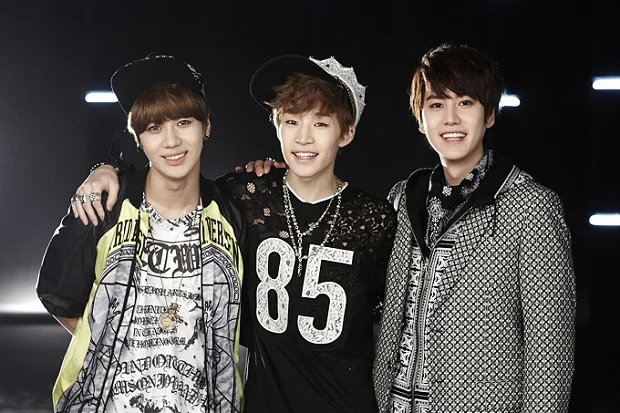
The global expansion of the Hallyu Wave, or the Korean Wave, has fundamentally altered the landscape of international pop culture, transforming the relationship between the consumer and the producer. In the digital age, this transformation is most visible within the K-pop fandom, a demographic known for its high level of engagement, digital literacy, and organizational prowess. Central to this evolution are editorial platforms that provide a space for critical analysis, moving beyond the traditional boundaries of passive consumption. Sites like Seoulbeats have emerged as pivotal hubs where fans transition into critics, examining the socio-political, economic, and artistic dimensions of the South Korean entertainment industry. This shift from "blind devotion" to "analytical scrutiny" highlights a maturing audience that demands more than just a polished aesthetic, seeking instead to understand the mechanisms of the industry and its broader cultural implications.
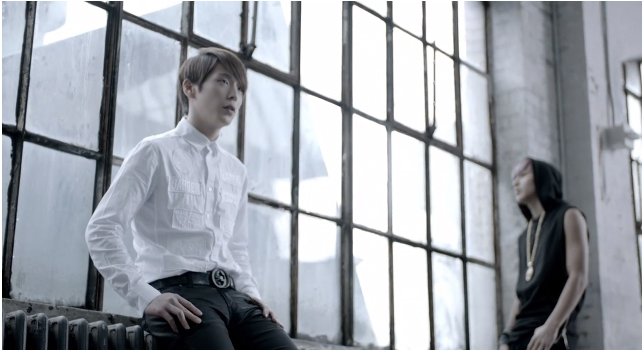
The Shift from Consumption to Criticism: A Narrative Overview
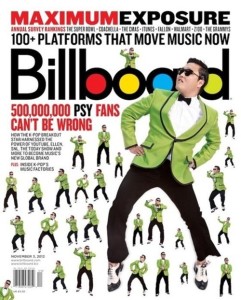
The rise of critical fan-led media marks a significant departure from early K-pop fan culture, which was primarily characterized by unconditional support for "idols." As the Hallyu Wave reached a global audience in the early 2010s, particularly following the viral success of Psy’s "Gangnam Style" in 2012, the demographic of the fandom expanded to include academics, journalists, and professionals. These individuals brought with them a penchant for critical thinking, often utilizing their own specialized backgrounds—ranging from business and law to cultural studies—to dissect the industry.
For many contributors to these platforms, the act of writing serves as a bridge between their personal interests and their professional or academic lives. Contributors often report that their engagement with K-pop has evolved from a purely emotional connection to a logical and systematic evaluation. This evolution is frequently accompanied by a sense of "professional detachment." While these writers remain fans, their primary community often shifts from general fan forums to internal editorial teams. This transition allows for a more objective viewing of the industry, where the "vitriol" often found in online fan spaces is replaced by peer-reviewed discourse and constructive critique.
Chronology of the Hallyu Wave and the Rise of Digital Fandom
To understand the current state of K-pop criticism, it is essential to trace the timeline of the Hallyu Wave’s expansion into the Western consciousness:
- The First Wave (Late 1990s – Mid 2000s): Focused primarily on the export of Korean dramas (K-Dramas) and early K-pop groups like H.O.T. and Shinhwa to neighboring Asian markets such as China and Japan.
- The Second Wave (2008 – 2012): The era of "Idol Groups" like Girls’ Generation, BIGBANG, and Wonder Girls. The launch of the iPhone and the rise of YouTube allowed K-pop to bypass traditional gatekeepers and reach a global audience.
- The Global Explosion (2012 – 2013): Psy’s "Gangnam Style" became the first YouTube video to reach one billion views, proving that language was no longer a barrier to global success. During this period, English-language K-pop sites transitioned from mere news aggregators to analytical editorial outlets.
- The Analytical Era (2013 – Present): Fans began to question the "Idol Code," the rigorous training systems, and the business ethics of major agencies like SM Entertainment, YG Entertainment, and JYP Entertainment. This period saw the rise of long-form essays and roundtable discussions regarding cultural appropriation, mental health, and industry transparency.
Supporting Data: The Business of K-pop and Fan Engagement
The scale of the K-pop industry in 2013 was unprecedented. According to data from the Korea Creative Content Agency (KOCCA), the export value of Korean music grew by nearly 20% annually during this period. By mid-2013, K-pop videos on YouTube were generating billions of views monthly, with over 90% of those views originating outside of South Korea.

This massive volume of content—ranging from weekly music show performances to "behind-the-scenes" reality content—requires a high level of vigilance from fans and critics alike. Platforms that analyze this content provide a necessary filter for a market saturated with "mediocre" releases. Data suggests that while the sheer volume of idols produced annually is high, only a small fraction (estimated at less than 5%) achieve long-term commercial viability. Critical outlets play a role in identifying "quality" amidst the "quantity," often highlighting neglected artists who lack the marketing budget of the "Big Three" agencies.
The "Idol Code" and Socio-Cultural Implications
A recurring theme in critical K-pop discourse is the "Idol Code," a set of unwritten rules governing the behavior, public image, and personal lives of Korean entertainers. This includes the infamous "dating bans" and the requirement for idols to maintain a persona of perpetual availability and moral perfection.

Critics argue that these standards are often at odds with the "Western" values of many international fans. The tension between the traditional Korean "standard of performance"—which emphasizes synchronized dancing and vocal stability—and the Western preference for "authenticity" and individual expression is a frequent point of analysis. Furthermore, writers have noted that the industry’s lack of transparency regarding corporate decisions and artist contracts creates a "mystery" that invites constant speculation and investigation from the fandom.
Reaction from the Fandom and Industry Stakeholders
The relationship between critical editorial sites and the broader fandom is often contentious. When writers critique popular artists—referred to colloquially as "oppas" or "unnies"—they frequently face backlash from "stans" (obsessive fans). This reaction highlights a fundamental divide within the Hallyu Wave: those who view K-pop as a product to be enjoyed and those who view it as a cultural phenomenon to be studied.

However, there is evidence that this critical engagement has a positive impact on the industry. Increased scrutiny regarding issues like "slave contracts" and the "dark side" of the industry has, over time, led to legislative changes in South Korea, such as the introduction of standardized contracts by the Fair Trade Commission. Furthermore, the demand for higher quality content from an international audience has pushed agencies to collaborate with Western producers and choreographers, leading to a more sophisticated musical output.
Broader Impact: Skepticism and the Future of the Hallyu Wave
Despite the massive success of K-pop, many critics remain skeptical about its ability to truly enter the "mainstream" Western market in a permanent capacity. While K-pop has successfully carved out a significant "niche," it often remains separated from the broader music industry, frequently relegated to "World Music" categories or social media-driven charts.

The ongoing discourse on platforms like Seoulbeats suggests that for K-pop to achieve longevity, it must continue to evolve beyond its "polished sheen." This involves addressing internal systemic issues and engaging with global social issues in a meaningful way. The transition of fans into critical consumers is not just a personal journey for the writers involved; it is a reflection of a global audience that is becoming increasingly astute about the intersection of art, commerce, and culture.
In conclusion, the role of the "critical fan" is essential to the health of the Hallyu Wave. By moving away from blind adoration and toward a more nuanced understanding of the industry, these individuals ensure that the conversation around K-pop remains vibrant, challenging, and intellectually stimulating. Whether through the lens of business, culture, or pure artistry, the analytical approach to K-pop ensures that the genre is treated with the same seriousness as any other major global cultural export. As the industry continues to produce a high volume of content, the need for discerning voices to sift through the "duds" to find the "good stuff" has never been more critical. The future of K-pop may well depend on its ability to withstand, and eventually embrace, this scrutiny.