The global ascent of K-pop has been fueled by an unprecedented level of fan engagement, where the relationship between the artist and the audience transcends traditional entertainment boundaries. While this devotion manifests in remarkable philanthropic efforts, such as large-scale charitable donations and the organization of elaborate fan projects, it simultaneously harbors a darker, more intrusive element. The industry is currently grappling with a growing crisis of fan entitlement, where the "customer is always right" philosophy has evolved into a mechanism for harassment, digital bullying, and the physical endangerment of artists. Recent incidents involving prominent idols from major agencies like SM Entertainment and YG Entertainment have highlighted the urgent need for structural changes in how companies manage fan behavior and protect their talent.
Digital Harassment and the Erosion of Privacy
In the digital age, social media serves as a double-edged sword for K-pop idols. While it allows for direct engagement with a global audience, it also exposes artists to immediate and concentrated vitriol. A significant example occurred when Krystal, a member of the girl group f(x), was forced to deactivate her Instagram account, @kjungxox. The harassment began after G-Dragon, the leader of Big Bang, interacted with several of her posts by "liking" them. This minor digital interaction triggered a wave of dating rumors and subsequent targeted abuse from a subset of G-Dragon’s fanbase.
The harassment was not limited to derogatory comments; it escalated into multiple hacking attempts on Krystal’s account. This incident illustrates a recurring pattern in the industry: the perceived "ownership" of an idol by their fans often results in aggressive gatekeeping. When an idol’s personal life or social interactions deviate from the fans’ idealized narrative, the backlash is swift and personal. In Krystal’s case, the deletion of her account represented a loss of autonomy and a retreat from a platform intended for fan connection, sacrificed to appease an angry minority.
The "Only 13" Movement and Internal Fandom Politics
The issue of fan entitlement also extends to the structural composition of K-pop groups. Super Junior, one of the industry’s most enduring acts, has long been at the center of a debate regarding its membership. The "Only 13" movement, a faction of the fanbase dedicated to maintaining the group’s original lineup, has historically resisted the integration of Henry Lau and Zhou Mi into the main group. Although Henry and Zhou Mi were officially debuted as members of the sub-unit Super Junior-M, they faced years of exclusion and hostility from fans who viewed them as "guest members" rather than legitimate parts of the Super Junior brand.
In July 2013, the tension reached a tipping point, leading Super Junior member Eunhyuk to issue a public statement. He clarified that Zhou Mi and Henry were not "official" members of the primary Super Junior lineup, a move seen by many analysts as a concession to the demands of the "Only 13" supporters. This situation underscores the immense pressure fans can exert on management and the artists themselves. By dictating group dynamics and membership, fans effectively act as unofficial board members, often prioritizing their nostalgia or specific preferences over the professional growth and inclusion of individual artists.
The Burden of Perpetual Apology: The Case of SHINee’s Jonghyun
The expectation of "purity" and availability is perhaps the most taxing demand placed on K-pop idols. In August 2013, Jonghyun of SHINee was photographed by fans while attending a movie with a female friend. Despite the mundane nature of the outing, the resulting speculation on community sites forced Jonghyun to issue a formal apology on Twitter.
In his statement, Jonghyun clarified that the individual was merely a friend and not a celebrity, expressing regret for the "concern" caused. He stated, "Even though it’s not something I should be sorry about, I’m sorry." This sentiment captures the paradox of the modern idol: the necessity to apologize for exercising basic human rights, such as socializing, to maintain the "boyfriend/girlfriend" fantasy marketed by entertainment agencies. The psychological toll of this constant surveillance and the requirement for public penance for non-offenses contributes to a high-pressure environment that many industry experts warn is unsustainable.

Physical Safety and the Chaos of Airport Culture
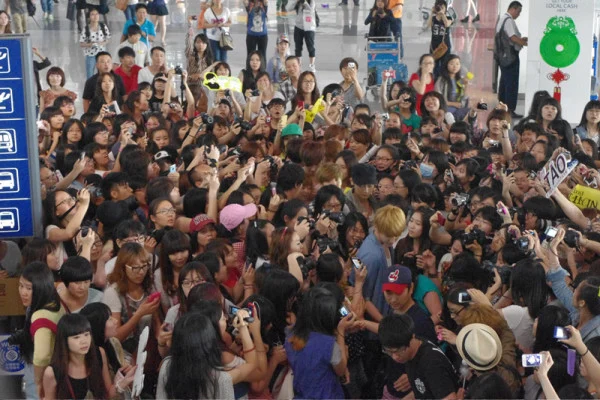
Beyond digital harassment, the physical safety of artists is frequently compromised by the very people who claim to support them. Airport arrivals and departures have become notorious for "stampedes" and "swarming," where hundreds of fans crowd terminals to catch a glimpse of their favorite idols. These environments often lack adequate security, leading to incidents where both artists and fans are shoved, tripped, or even sexually harassed in the chaos.
During recent travels for groups like EXO, the lack of crowd control resulted in several members falling or being physically overwhelmed by cameras and fans. Despite these recurring safety hazards, major agencies have been criticized for their slow response in implementing more robust security protocols. The hesitation to reprimand fans or restrict access stems from a fear of alienating the consumer base that drives the company’s revenue. However, by allowing this behavior to go unchecked, companies are tacitly endorsing a culture where the idol’s physical well-being is secondary to the fan’s "experience."
The Business of Perfection: Analyzing the Power Dynamic
The root of this entitlement lies in the commercialization of the idol-fan relationship. K-pop is an industry built on the image of perfection. Idols are not merely singers or dancers; they are carefully curated characters designed to be relatable yet aspirational. Agencies encourage parasocial relationships—one-sided bonds where the fan feels a deep personal connection to the idol—because these bonds drive album sales, concert attendance, and merchandise consumption.
Data from the South Korean music industry indicates that the "core fandom"—the most dedicated and highest-spending segment—is responsible for a disproportionate amount of a group’s financial success. Consequently, agencies are often loath to challenge these fans, even when their behavior becomes toxic. The "customer is always right" mantra, while effective for retail, becomes dangerous when the "product" is a human being. This power dynamic creates a environment where fans feel entitled to demand transparency in an idol’s personal life and obedience to the fandom’s collective will.

The Role of Netizens and the Hypocrisy of Standards
The term "netizen" (internet citizen) carries significant weight in South Korea, where online communities can influence public opinion and even impact an artist’s career trajectory. There is a noted hypocrisy in how these communities operate. While many fans claim to protect their idols from "haters" or "antis," they often employ the same tactics of bullying and scrutiny when the idol fails to meet their expectations.
The demand for perfection is absolute. Minor mistakes in performance, changes in physical appearance, or perceived lapses in "attitude" are met with intense criticism. This environment of hyper-surveillance means that idols are constantly walking a tightrope. The repercussions of a single negative post can outweigh years of positive contributions, as agencies are quick to bench or distance themselves from artists who become "controversial" in the eyes of the public.
Toward a Sustainable Fandom Culture
For the K-pop industry to continue its global expansion healthily, a shift in the power dynamic is essential. This requires action from three primary stakeholders:
- Entertainment Agencies: Companies must prioritize the safety and mental health of their artists over short-term fan satisfaction. This includes investing in better security, taking legal action against digital harassers and hackers, and refusing to apologize for the private lives of their talent.
- The Artists: While difficult given the contractual and cultural constraints, there is a growing need for artists to set boundaries. When idols like Jonghyun acknowledge that they "shouldn’t be sorry," it signals a desire for a more mature relationship with the public.
- The Fandoms: The majority of K-pop fans are supportive and respectful. However, this silent majority must take a more active role in policing their own communities. By calling out inappropriate behavior and refusing to participate in "witch hunts" or invasive stalking, fans can help shift the culture away from entitlement.
The "gritty" side of K-pop is not an inevitable byproduct of success; it is a result of unchecked boundaries and the commodification of human identity. As the industry matures, the definition of a "fan" must evolve from a demanding consumer to a respectful supporter. Only then can the industry protect the very individuals who make the music and performances possible. The question remains: will the industry take the necessary steps to curb this blind negativity, or will the cycle of harassment continue in the pursuit of profit?