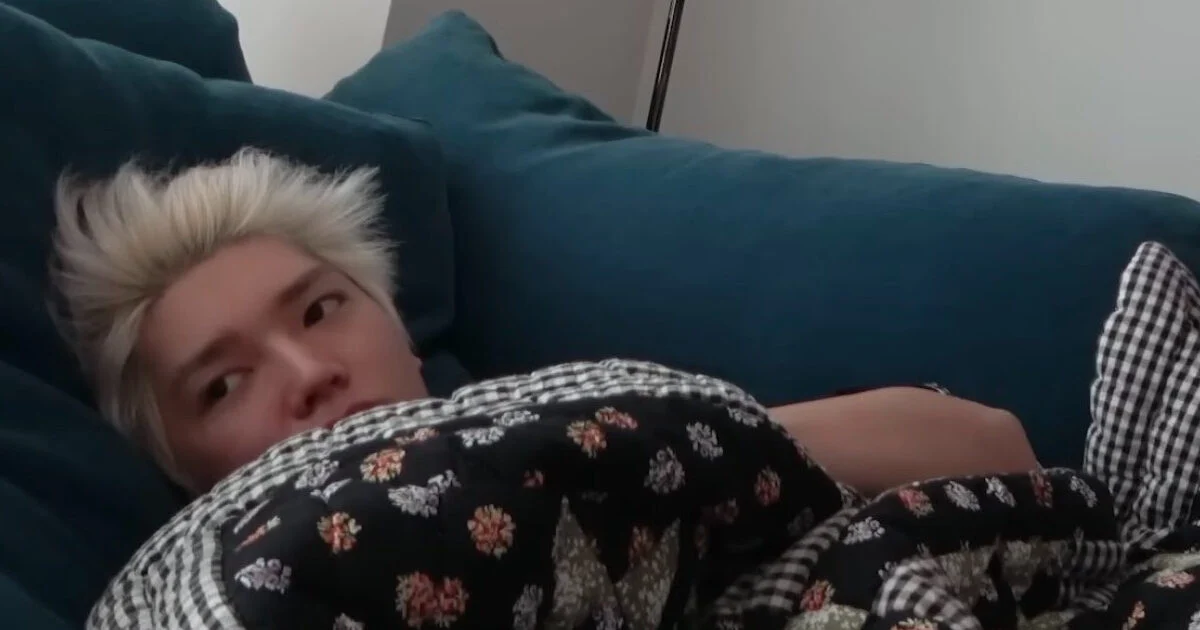
The highly anticipated comeback of K-pop sensation NCT 127 with their seventh full-length album, BLINGY, has been met with fervent fan enthusiasm, yet a significant undercurrent of concern has emerged regarding the health of group leader Taeyong. Fans, known as Czennies, expressed widespread worry after observing Taeyong displaying signs of illness during recent music broadcast pre-recordings. Despite his visible discomfort and subsequent partial withdrawal from scheduled activities, Taeyong’s unwavering dedication to his craft and his heartfelt messages to fans have sparked a critical discussion about artist well-being within the demanding K-pop industry, with many Czennies advocating for his complete rest over performance.
NCT 127’s Return and Initial Fan Observations
NCT 127, one of K-pop’s most globally recognized groups under SM Entertainment, officially launched their BLINGY album, marking another significant chapter in their prolific career. Comebacks in the K-pop world are meticulously planned, high-stakes affairs, often involving intense promotional schedules that include music video releases, album showcases, fan meetings, and extensive music broadcast appearances. These periods are crucial for maintaining momentum, reaching new audiences, and solidifying a group’s standing in the highly competitive industry. For NCT 127, known for their powerful performances and intricate choreography, the BLINGY comeback was expected to be no different, requiring peak physical condition from all members.
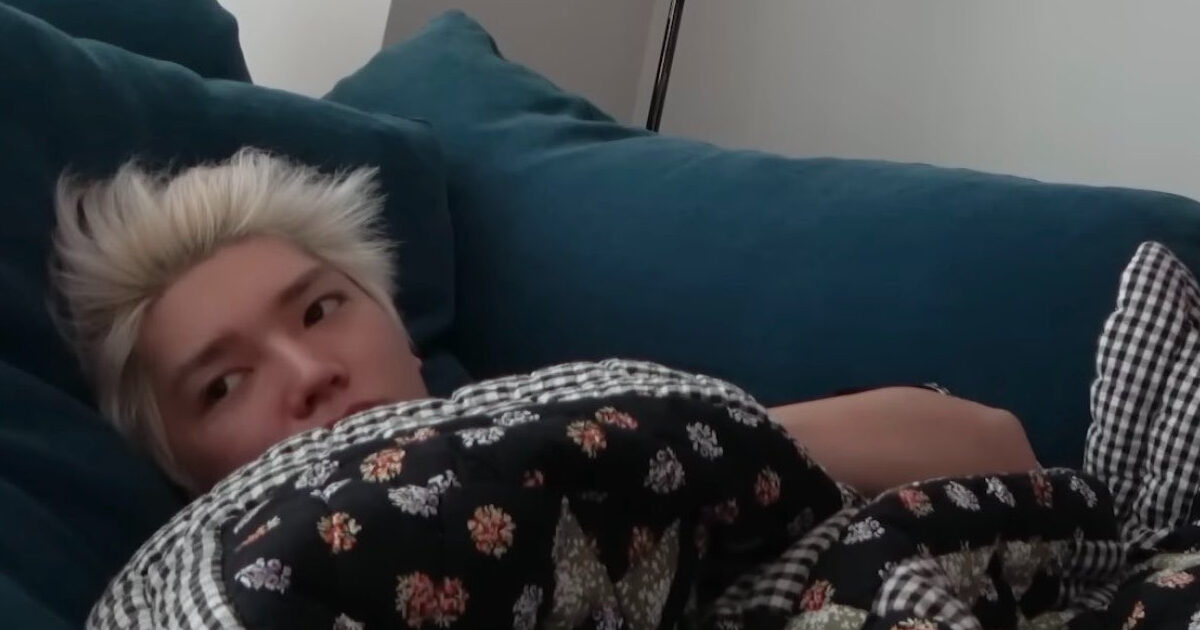
However, the celebratory atmosphere surrounding the comeback took a serious turn during the weekend of August 28-29, when the group commenced pre-recordings for music broadcasts. Fans attending these early sessions, often privy to behind-the-scenes moments before official broadcasts, quickly noticed that Taeyong, whose real name is Lee Taeyong, appeared visibly unwell. Social media platforms, particularly X (formerly Twitter), became a hub for fans sharing observations and expressing distress. Multiple accounts reported Taeyong coughing persistently and exhibiting general signs of discomfort upon his arrival and throughout the initial stages of the recordings.
One fan’s detailed account from the August 28 pre-recording painted a stark picture of Taeyong’s condition. The fan noted, "Taeyong looked so sick, I wanted to eat up that virus. He even went to the ER in the early morning. He kept saying he was sorry he couldn’t present a good image, but as soon as he got on stage, he performed so well that it made me wonder if he really was that sick person. He seemed to be having a hard time while waiting… he is such a pro." This tweet, along with numerous others, highlighted the painful dichotomy between his physical state and his professional resolve, leaving fans deeply concerned about the toll his illness was taking. The mention of an early morning emergency room visit further amplified worries, suggesting a more severe condition than initially perceived.
Official Announcement and Modified Schedule
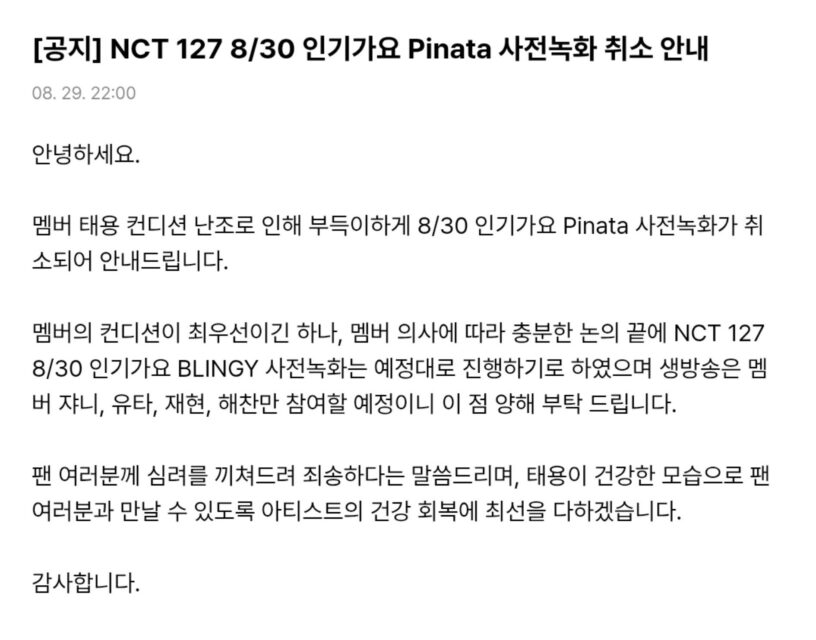
As fan concern mounted, the situation escalated, leading to an official announcement regarding Taeyong’s participation in subsequent scheduled activities. On August 29, it was confirmed that his health had indeed worsened following the initial pre-recordings. A notice was released by SM Entertainment (or an inferred equivalent entity responsible for such announcements), detailing modifications to the group’s schedule for the upcoming August 30 pre-recording.
The statement clarified that "Due to Taeyong’s health, we will cancel the ‘Pinata’ pre-recording on August 30." This specific cancellation indicated that Taeyong’s condition rendered him unable to perform one of the album’s tracks. However, the notice continued, "due to his strong will and discussions with the group, they will proceed with the pre-recording for ‘Blingy’ as scheduled. However, Taeyong will not attend the live broadcast." This decision underscored the delicate balance between an artist’s personal health and their commitment to group activities and fan expectations. While Taeyong insisted on participating in the title track’s pre-recording, his absence from the live broadcast signaled a necessary concession to his deteriorating health, preventing him from engaging in the full, demanding schedule typically associated with a comeback week.
This partial withdrawal, while necessary, also brought to light the immense pressure on K-pop idols. The decision to proceed with the title track’s pre-recording, even amidst illness, is often driven by a deep sense of responsibility towards the group, the agency, and the fans who eagerly await their performances. Taeyong’s "strong will" to perform, as cited in the announcement, is a testament to the ingrained work ethic prevalent in the industry, where artists often push past physical limits to deliver.
Taeyong’s Unyielding Professionalism and Fan Admiration
Despite the official health notice and his visible struggles, Taeyong’s commitment during the BLINGY pre-recording on August 30 did not go unnoticed by the Czennies present. Fans who attended this session reiterated their admiration for his professionalism. One fan recounted, "Taeyong saw many of the older Neobongs in the crowd and thanked everyone for supporting them over the years. Although he was in bad condition, he performed so well that I almost forgot he was sick. I wish he would stop saying sorry. Taeyong, you really are the best idol…"

These accounts painted a picture of an artist performing at a high level despite immense personal difficulty. Taeyong’s interaction with fans, acknowledging their long-standing support, further endeared him to them, even as it deepened their concern. His repeated apologies for his condition, as noted by fans, reflected a pervasive sentiment among idols who feel a profound obligation to present a perfect image and performance, irrespective of their personal struggles. This dedication, while inspiring, often comes at a significant personal cost, fueling the ongoing debate about the sustainability of such intense work ethics.
Heartfelt Messages and the "Rest When Dead" Controversy
In the wake of the public concern and modified schedule, Taeyong directly addressed Czennies through personal messages, offering updates on his health and expressing his gratitude and resolve. His messages, shared on August 31, provided a poignant glimpse into his state of mind and the pressures he was experiencing.
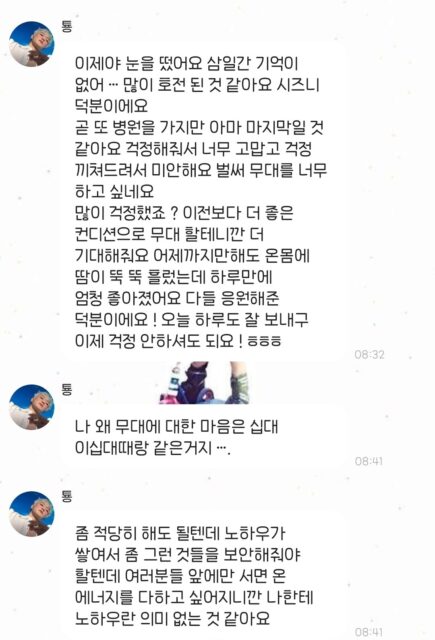
In a lengthy message, Taeyong wrote, "I am finally opening my eyes now. I have no memories of the past three days. I am finally feeling better, thanks to Czennies. I will be going to the hospital soon, but it will probably be my last time. Thank you for worrying about me, and I’m sorry for causing concern. I already want to be back on stage. You were really worried, right? I will be back on stage in even better condition, so look forward to it! Up until yesterday, I was sweating so much, but I’ve gotten so much better in just one day. It’s all because of your support."
This message conveyed both a sense of recovery and an urgent desire to return to his professional duties. His apology for causing concern is a common refrain among idols who face health issues, highlighting the immense pressure to maintain an image of unwavering strength. He also reflected on his enduring passion for performing: "Why is my heart for the stage the same as it was in my teens and twenties? I should know how to balance myself now this many years into this career, but whenever I stand in front of you guys, I want to use all my energy. I guess, for me, having know-how has no meaning." This introspective comment speaks to the deep-seated artistic drive that often pushes idols beyond conventional limits, blurring the lines between passion and self-preservation.
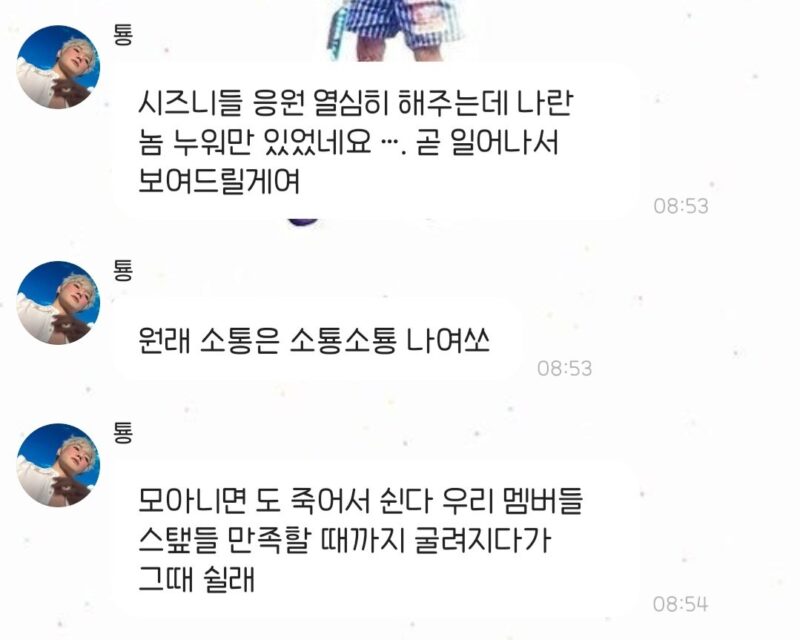
However, a subsequent message from Taeyong sparked a more intense reaction and deepened fan concern. He wrote, "Czennies were supporting me so hard, and I was just lying in bed…I will get up soon and show you. It’s either all or nothing for me. I can rest when I am dead. I am going to work myself hard until our members and staff are satisfied, and then rest."
This particular statement, "I can rest when I am dead," resonated powerfully and controversially among Czennies. While intended to convey extreme dedication and passion, it inadvertently highlighted a dangerous mindset that many fans found deeply troubling.
Czennies’ Overwhelming Call for Rest and Health Prioritization
The "rest when dead" remark, despite Taeyong’s probable intention to express his unyielding commitment, immediately triggered an outpouring of concern and strong admonitions from Czennies worldwide. Fans took to social media, using hashtags like #TAEYONGBUBBLE and #SOTUSOTU (a Korean phrase often used for encouraging rest) to voice their feelings. Their messages were clear and unequivocal: Taeyong’s health must come first.
One fan’s tweet encapsulated the collective sentiment: "Bubble has word limitations so I hope you will check on Twitter. Taeyong there is nothing like ‘I will rest when I’m d*ad’ that is bullshit. Please don’t push yourself exceeding the limit for others. You need to take care of your body yourself baby." This direct, emotional plea underscored the fans’ desire for Taeyong to abandon such a self-sacrificial mindset. Another fan urged, "Please send encouraging message to Taeyong on Bubble so that he can take care and rest well. To those who don’t subscribe you can use this tag… To Taeyong who works hard for this promotion as well let’s cheer up." These messages reflect a mature and protective fandom that prioritizes the long-term well-being of their idol over short-term performances.
This reaction signifies a broader shift in K-pop fan culture. While historical fan expectations often demanded constant output and flawless performance, contemporary fandoms are increasingly vocal about mental and physical health. They recognize the intense pressures idols face and often act as a collective voice advocating for better conditions and proper rest, sometimes even challenging the unspoken norms of the industry that glorify overwork. The global reach of K-pop means these sentiments quickly cross borders, creating a unified demand for artist welfare.
Broader Implications: Idol Health and Industry Demands
Taeyong’s recent health scare and his subsequent messages reignite a perennial discussion within the K-pop industry: the sustainability of its demanding schedules and the impact on idol health. The journey of a K-pop idol is notoriously rigorous, starting with years of intense training as a trainee, often from a young age. Once debuted, the schedule becomes even more relentless, especially during comeback periods. Sleep deprivation, strict diets, constant travel, and the immense pressure to maintain a perfect public image can take a severe toll on both physical and mental health.
Many idols have, over the years, faced similar health crises, leading to temporary hiatuses or even permanent withdrawals from groups. These incidents often spark temporary industry-wide conversations about artist welfare, but systemic changes are slow to materialize. Agencies, while responsible for managing artist schedules, are also under immense financial pressure to maximize output and capitalize on an artist’s popularity, especially during critical promotional windows. This creates a challenging environment where artists, driven by their passion and loyalty to their groups and fans, often feel compelled to push themselves beyond their limits.
Taeyong, as a seasoned idol and a group leader, embodies this dilemma. His dedication is undeniable, a characteristic that has contributed to NCT 127’s success. However, his "rest when dead" philosophy, while demonstrating extraordinary commitment, is also a stark warning sign. It highlights a culture where self-worth can become inextricably linked to productivity, and where rest is seen as a luxury rather than a necessity. The fact that he "had no memories of the past three days" due to illness is a grave indicator of the severity of his condition and the extent to which he was pushing himself.
The collective response from Czennies, prioritizing Taeyong’s health above all else, demonstrates the evolving relationship between idols and their fans. Modern fandoms are not merely consumers of content but active advocates for their artists’ well-being. They understand that a healthy idol can have a longer, more fulfilling career, and that genuine connection comes from recognizing the artist as a human being, not just a performer.
Moving Forward: A Call for Balance
As Taeyong recovers and prepares to return to the stage, the incident serves as a potent reminder for both artists and the industry at large. While passion and dedication are integral to success, they must be balanced with self-care and robust health management. SM Entertainment, like other major agencies, faces ongoing scrutiny regarding its artist management practices. Ensuring adequate rest, access to comprehensive medical care, and fostering an environment where artists feel empowered to prioritize their health without fear of professional repercussions is paramount.
For Taeyong, his expressed desire to return "in even better condition" is hopeful. However, the true measure of recovery will be his ability to maintain that condition without resorting to self-sacrificial extremes. The unwavering support and heartfelt pleas from Czennies are a powerful force, hopefully influencing not just Taeyong’s personal decisions but also encouraging broader, more sustainable practices within the K-pop industry, ensuring that the health of its brightest stars shines as brightly as their talent. The incident underscores the critical need for a culture where an idol’s well-being is not just acknowledged but actively protected, allowing them to pursue their artistic dreams in a healthy and sustainable manner for years to come.