Miss Universe 2015 Pia Wurtzbach and the Global Intersection of Pageantry and K-pop Fandom
Article Editorial Team
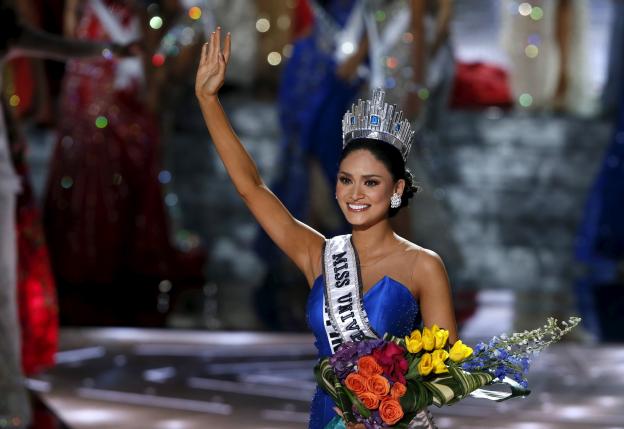
The 64th Miss Universe pageant, held on December 20, 2015, at the AXIS in Las Vegas, Nevada, remains one of the most discussed events in the history of international beauty competitions. While the initial discourse was dominated by a televised broadcasting error by host Steve Harvey, a secondary narrative emerged in the days following the event that bridged the worlds of global pageantry and South Korean pop culture. The revelation that the newly crowned Miss Universe, Pia Wurtzbach of the Philippines, was a dedicated "stan" or enthusiast of the K-pop group Super Junior, catalyzed a unique cross-cultural dialogue, illustrating the pervasive reach of the Hallyu (Korean Wave) phenomenon.
The Miss Universe 2015 Crowning Controversy
The primary event that brought Pia Wurtzbach into the global spotlight was characterized by an unprecedented technical and human error. During the live broadcast, host Steve Harvey mistakenly announced Ariadna Gutiérrez of Colombia as the winner. Gutiérrez was crowned and began her celebratory walk before Harvey returned to the stage to apologize, clarifying that Wurtzbach was the actual winner and Gutiérrez was the first runner-up.
This error resulted in a significant media firestorm, generating millions of social media impressions and placing both contestants under intense scrutiny. However, as the initial shock of the mistake subsided, digital investigators and fans began exploring Wurtzbach’s social media history. What they discovered was a digital footprint that resonated deeply with a specific and highly active demographic: the international K-pop fandom.
Chronology of the Fandom Discovery
In the 48 hours following her coronation, screenshots of Wurtzbach’s past tweets began to circulate on platforms like Twitter and Reddit. These posts, dating back as far as 2009, revealed her deep-seated admiration for Super Junior, one of the most influential boy bands in the K-pop industry.
The timeline of her digital engagement showed a consistent pattern of fandom:
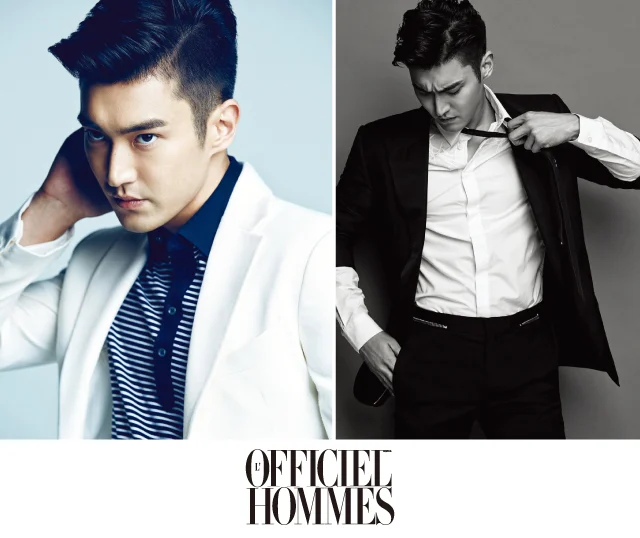
- 2009–2011: Wurtzbach frequently tweeted about the group’s members, specifically identifying Choi Siwon as her "bias" (a K-pop term for a favorite member).
- The "Mrs. Siwon Choi" Reference: Fans unearthed tweets where Wurtzbach playfully referred to herself as "Mrs. Siwon Choi," a common trope among K-pop enthusiasts that humanized the pageant queen to millions of young fans.
- Post-Coronation Acknowledgement: On December 27, 2015, after the tweets went viral, the official Super Junior social media accounts and member Choi Siwon himself acknowledged Wurtzbach’s victory, further cementing the link between the pageant and the music industry.
The Significance of the Hallyu Wave in the Philippines
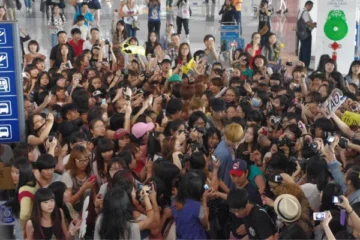
To understand why Wurtzbach’s fandom caused such a stir, it is necessary to examine the socio-cultural context of the Philippines. The country has long been a primary consumer of South Korean media. The Hallyu wave began to take hold in the Philippines in the early 2000s through "Koreanovelas" (dubbed K-dramas) and later through the music of groups like Super Junior, Girls’ Generation, and 2NE1.
Data from social media monitoring tools indicates that the Philippines consistently ranks among the top five countries globally for K-pop-related conversations on Twitter. For a national figure like Wurtzbach to be revealed as a member of this community was not merely a fun fact; it was a validation of a cultural movement that had often been dismissed as a niche or juvenile interest.
Super Junior and the Architecture of K-pop Fandom
Super Junior, the group Wurtzbach supported, was instrumental in the global expansion of K-pop. Debuting in 2005 under SM Entertainment, they were pioneers in the "large group" format and were among the first to find significant success in the Chinese and Southeast Asian markets.
The group’s fanbase, known as E.L.F. (Ever Lasting Friends), is characterized by its longevity and organizational capabilities. When Wurtzbach’s history as an E.L.F. was revealed, the fandom mobilized to support her, viewing her success as a victory for the community. This mobilization is a hallmark of K-pop culture, where fans utilize social media to amplify the achievements of those associated with their favorite idols.
Official Responses and Cross-Industry Engagement
The interaction between the pageant winner and the K-pop industry reached a pinnacle when Choi Siwon, a member of Super Junior and a prominent actor, posted a message of congratulations on his Instagram account. He invited Wurtzbach to attend a "Super Show" (Super Junior’s signature concert tour) as a special guest.
The official Miss Universe organization also leaned into this narrative. Recognizing the high engagement rates of K-pop fans, the organization’s social media channels engaged with Super Junior fans, effectively expanding the pageant’s reach into a younger, more digitally savvy demographic. This synergy demonstrated the power of "fandom crossover," where two seemingly unrelated industries benefit from a shared audience.
Analysis of Implications: Humanizing the Celebrity
The revelation of Wurtzbach’s fandom had several broader implications for celebrity culture and the perception of K-pop.
1. Breaking the Pageant Stereotype
Beauty pageants have historically been criticized for being rigid or overly curated. Wurtzbach’s enthusiastic, often fangirl-like tweets from her youth broke the "perfect" persona often associated with Miss Universe. It showed a relatable, multi-dimensional side of a woman who, despite her global title, shared the same hobbies and passions as millions of others.

2. Destigmatizing "Stanning"
In many professional circles, being an active fan of boy bands or pop music is sometimes viewed with a degree of condescension. Wurtzbach’s success while being an open fan challenged this stigma. As the original source content noted, many fans feel a sense of "terrified" caution regarding their online presence for fear of professional judgment. Wurtzbach’s trajectory—from a tweeting fan to the most famous woman in the world for a year—served as a counter-narrative to the idea that fandom is a distraction or a sign of immaturity.
3. The Power of "Soft Power"
This event served as a case study for South Korea’s "soft power." The fact that a Miss Universe from the Philippines was influenced by South Korean cultural exports highlights the effectiveness of Korea’s cultural diplomacy. It illustrates how music and entertainment create a shared cultural language that can bridge gaps between different nations and industries.
Data and Engagement Metrics
During the week of December 21, 2015, mentions of "Miss Universe" and "Super Junior" spiked by over 400% on Twitter compared to previous weeks. The "Siwon" and "Pia" keywords trended in multiple countries, including the Philippines, Indonesia, South Korea, and the United States.
According to marketing analysts, the "organic" nature of this connection—where a celebrity’s past genuine interests are discovered—is far more valuable for brand engagement than a paid partnership. The authenticity of Wurtzbach’s fandom provided the Miss Universe organization with a level of grassroots engagement that would have been difficult to manufacture through traditional PR.
Timeline of Key Post-Coronation Events
- December 20, 2015: Pia Wurtzbach is crowned Miss Universe 2015.
- December 22, 2015: K-pop fans begin unearthing and sharing Wurtzbach’s old tweets regarding Super Junior and Choi Siwon.
- December 24, 2015: International entertainment outlets (e.g., Billboard, various K-pop news sites) report on Wurtzbach’s status as an E.L.F.
- December 27, 2015: Choi Siwon posts a congratulatory message on Instagram, inviting Wurtzbach to Super Show.
- January 2016: Wurtzbach mentions her love for K-pop in several high-profile interviews during her media tour in New York City, solidifying her role as a cultural ambassador for the fandom.
Conclusion
The story of Pia Wurtzbach and Super Junior is more than a celebrity anecdote; it is a reflection of the modern digital landscape where global icons are interconnected through shared interests and social media histories. The 2015 Miss Universe pageant will always be remembered for Steve Harvey’s error, but for a significant portion of the global population, it will also be remembered as the moment the worlds of high-stakes pageantry and K-pop collided.
This intersection provided a platform for discussing the legitimacy of fandom in the professional world and highlighted the immense influence of the Hallyu wave in Southeast Asia. As Wurtzbach moved forward in her reign, she carried with her the support of a global community of fans, proving that the labels of "pageant queen" and "K-pop stan" are not mutually exclusive, but rather facets of a modern, interconnected identity.
Related News