Looking Ahead to 2015: A Critical Analysis of the K-pop Industry’s Evolution and Future Challenges
Article Editorial Team

The South Korean music industry, commonly known as K-pop, enters 2015 following one of the most turbulent years in its modern history. While 2014 saw the continued global expansion of the Hallyu wave, it was simultaneously defined by high-profile legal disputes, tragic accidents, and significant shifts in group dynamics. As the industry looks toward a new calendar year, the focus has shifted from mere commercial growth to structural reform, the diversification of artist portfolios, and a heightened demand for professional transparency. Industry analysts and observers are identifying several key areas where the K-pop ecosystem must evolve to maintain its international momentum and ensure the well-being of its primary stakeholders: the artists.

The Strategic Shift Toward Solo Artistry and Individual Branding
One of the most prominent trends anticipated for 2015 is the further diversification of group members into solo acts. For years, the K-pop model focused almost exclusively on the collective brand of the group. However, the success of individual ventures in 2014 has demonstrated that solo debuts are not only viable but necessary for long-term brand sustainability.
A primary case study in this demand is Gong Min-ji, known as Minzy of the veteran girl group 2NE1. Despite being recognized as one of the industry’s premier dancers and a competent vocalist, Minzy remains one of the few members of her group without a solo discography. In contrast, her group mate CL (Lee Chae-rin) has been positioned for a major debut in the United States under the management of Scooter Braun. The disparity in individual opportunities within high-profile groups like 2NE1 highlights a broader industry issue where younger members or those in "supporting" roles are often underutilized.

Supporting data suggests that agencies like YG Entertainment and SM Entertainment are increasingly looking at the "BIGBANG model," where members like G-Dragon and Taeyang maintain highly successful solo careers that ultimately feed back into the group’s popularity. This trend is expected to extend to other groups in 2015. For instance, there is significant pressure from both critics and fans for members of Infinite, such as Sunggyu, to follow up on previous solo efforts that prioritized musicality over mainstream pop tropes. Similarly, the potential for individual projects from members of the Wonder Girls—a group that has faced an extended hiatus—remains a point of interest for market analysts. The shift toward solo ventures allows artists to explore personal musical colors, such as R&B, hip-hop, or indie-rock, which may not fit the rigid conceptual framework of their parent groups.
Chronology of the 2014 Crisis: A Catalyst for Transparency
The demand for better industry insight and "darker" transparency stems from a series of seismic shifts that occurred throughout 2014. To understand the landscape of 2015, one must examine the timeline of events that fractured the perceived "fairy tale" image of idol life:

- May 2014: Kris (Wu Yifan) of EXO filed a lawsuit against SM Entertainment to terminate his contract, citing a lack of personal freedom and health concerns.
- September 2014: Jessica Jung was allegedly forced out of Girls’ Generation (SNSD), the nation’s most prominent girl group, leading to a public dispute regarding the balance between group commitments and personal business ventures.
- October 2014: Luhan of EXO followed Kris in filing for contract termination, citing similar grievances regarding the distribution of profit and management practices.
- November 2014: All six members of the boy group B.A.P filed a lawsuit against TS Entertainment, alleging "slave contracts" and unfair profit distribution, claiming they had earned only a fraction of the millions in revenue generated by their world tours.
These incidents have pulled back the curtain on the internal workings of major labels. The implications are profound; the K-pop industry is now facing a "legal awakening." Artists are increasingly willing to challenge the status quo, demanding that agencies respect the Fair Trade Commission’s (FTC) standard contract regulations, which were designed to limit "slave contracts" to a maximum of seven years. In 2015, the industry is expected to see a rise in "amicable" departures—such as the cases of Lee Joon and Thunder leaving MBLAQ—rather than the litigious and public mudslinging that characterized the previous year.
The Evolution of Variety Media: Beyond Idol Entertainment
The South Korean variety show landscape is also undergoing a transformation that mirrors the country’s growing internationalism. The success of programs like Abnormal Summit (Bichesanghoedam) indicates a shift in viewer appetite toward more substantive, debate-driven content. Unlike traditional variety shows that rely on slapstick humor or idol "shipping," Abnormal Summit features a panel of foreign residents discussing complex social issues in fluent Korean.

This format provides a dual benefit: it educates the Korean public on global perspectives and provides a more nuanced representation of foreigners, who have historically been sidelined or stereotyped in Korean media. However, the show has not been without controversy, including criticism regarding the lack of ethnic diversity on the panel and the occasional use of culturally insensitive music or jokes. In 2015, the challenge for broadcasters will be to refine these formats, ensuring that they provide an accurate and respectful platform for cultural exchange as K-pop continues to market itself to a global audience.
Industrial Safety and the "Kill Schedule" Reform
Perhaps the most somber lesson of 2014 came in September, when a tragic car accident claimed the lives of EunB and RiSe of the girl group Ladies’ Code. This event sent shockwaves through the industry and reignited a fierce debate over road safety and the grueling schedules imposed on idols and their staff.

For years, "road safety" in K-pop was an open secret. Managers, often sleep-deprived, are tasked with driving artists across the country at high speeds to meet "kill schedules"—back-to-back appearances at music shows, festivals, and fan signs. Following the Ladies’ Code tragedy, industry insiders and artists like Bumkey have publicly called for a fundamental change in how logistics are handled.
Analysts suggest that in 2015, agencies will face increased pressure to prioritize health and safety over maximum profit. This includes hiring professional drivers, ensuring proper vehicle maintenance, and allowing for adequate rest periods. The "happy façade" shown to fans is increasingly viewed as unsustainable if it is built on a foundation of physical exhaustion and life-threatening transit conditions.

Fandom Maturity and the Ethics of the "Sasaeng" Culture
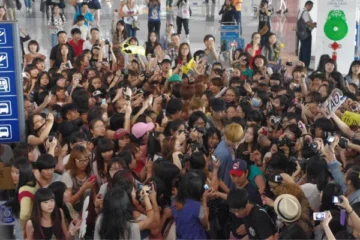
As K-pop grows, so does the complexity of its fandom. The year 2015 is being viewed as a potential turning point for fan maturity. The industry continues to struggle with "sasaeng" fans—extreme individuals who engage in stalking, invasion of privacy, and harassment. High-profile groups like EXO have been particularly targeted, with incidents ranging from fans breaking into dormitories to installing hidden cameras.
Furthermore, the "dating scandal" remains a volatile issue. In 2014, the confirmation of relationships such as Baekhyun (EXO) and Taeyeon (SNSD) resulted in significant backlash from portions of the fandom who felt "betrayed." The evolution of the industry in 2015 depends heavily on whether fans can transition from viewing idols as "possessions" to viewing them as human beings with a right to a private life.

Simultaneously, there is a growing demand for "cultural maturity" from the artists themselves. As K-pop artists perform in diverse international markets, the consequences of cultural appropriation—such as the use of blackface, religious symbols as fashion, or ethnic stereotypes—have become more damaging. In 2015, it is expected that agencies will invest more in cultural sensitivity training to prevent international PR disasters that can alienate global fanbases.
Broader Impact and 2015 Outlook
The overarching goal for the K-pop industry in 2015 is the pursuit of stability. After a year defined by "Black Swan" events—unpredictable incidents with massive consequences—the industry is seeking a return to growth that is ethical and sustainable.

The broader implications of these shifts are significant. If K-pop can successfully navigate its internal labor disputes and improve the safety and well-being of its artists, it will solidify its position as a world-class entertainment powerhouse. Conversely, if it fails to address the "darker corners" exposed in 2014, it risks a decline in international credibility and a potential exodus of talent.
The year 2015 represents more than just a new cycle of musical releases; it is a period of professionalization. From the demand for solo debuts like Minzy’s to the necessity of road safety reform and fan maturity, the "wishes" of the K-pop community are no longer just about entertainment—they are about the fundamental rights and respect afforded to the people who create the music. As the industry moves forward, the hope is for a year where the joy and laughter presented on screen are a genuine reflection of the reality behind the scenes.
Related News