The Paradox of Passion: Analyzing the Rise of Toxic Fan Culture and the Accountability of the K-pop Industry
Article Editorial Team
The global ascent of the South Korean music industry, commonly known as K-pop, has been fueled by a level of fan dedication that is arguably unparalleled in the modern entertainment landscape. This devotion manifests in extraordinary ways: fans organize intricate large-scale projects, donate tens of thousands of dollars to charitable organizations in the names of their favorite artists, and create a formidable digital presence that can propel a song to the top of international charts within hours. However, the same fervor that drives these positive contributions has a darker, more volatile counterpart. As the industry has matured, a growing trend of toxic entitlement, digital harassment, and physical endangerment has emerged, raising critical questions about the responsibilities of entertainment agencies, the rights of the artists, and the boundaries of consumer influence.
Digital Harassment and the Erosion of Privacy
The power of social media has fundamentally altered the relationship between idols and their audience. While platforms like Instagram and Twitter were designed to foster closer connections, they have also become breeding grounds for coordinated harassment campaigns. A prominent example occurred in mid-2013 when Krystal Jung, a member of the girl group f(x), was forced to deactivate her Instagram account, @kjungxox. The catalyst for this withdrawal was not a personal scandal, but rather the digital interactions of another high-profile artist, G-Dragon of BIGBANG.
After G-Dragon "liked" several of Krystal’s photos, a segment of his fanbase initiated a wave of vitriol against her, fueled by unsubstantiated dating rumors. This harassment was compounded by repeated attempts to hack her account, demonstrating a disturbing level of technical intrusion. The incident highlighted a recurring theme in K-pop culture: the "possession" of an idol by their fanbase. When an artist’s perceived availability is threatened—even by a social media interaction—certain fans resort to bullying to "protect" their perceived relationship with their bias.
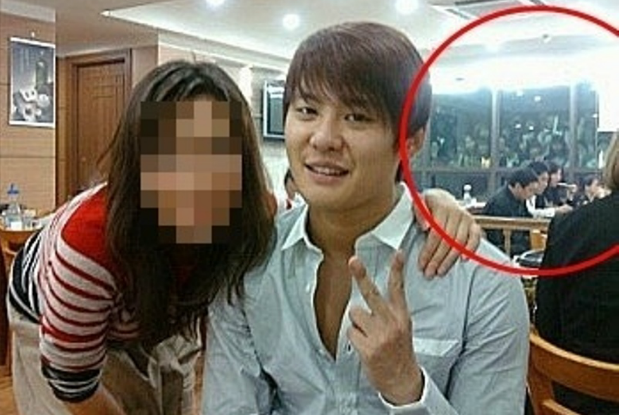
This digital volatility is not limited to rumors. Even innocuous social outings are scrutinized with a level of intensity that necessitates public apologies for private behavior. In August 2013, Jonghyun of the boy group SHINee was photographed at a movie theater with a female acquaintance. Despite there being no evidence of a romantic relationship, the backlash on community sites was swift. Jonghyun felt compelled to issue a lengthy explanation on Twitter, stating, "I went to the movies with my friends, and they’re just my friends, not celebrities. I hope no one gets hurt by this." His closing remarks—"Even though it’s not something I should be sorry about, I’m sorry"—underscore the immense pressure idols face to maintain an image of perpetual singleness and accessibility to their fans.
The "Only 13" Movement and the Rejection of New Talent
The influence of fans extends beyond the personal lives of idols into the very structure of the groups themselves. One of the most long-standing and contentious examples of fan interference involves the veteran group Super Junior. Since the group’s inception, a vocal faction of the fanbase has adhered to the "Only 13" philosophy, a movement dedicated to preventing the permanent addition of new members to the core lineup.
This ideology has directly impacted the careers of Henry Lau and Zhou Mi, members of the sub-unit Super Junior-M. Despite their years of contribution to the brand, they have faced persistent exclusion from the main group’s activities due to fan demands. In July 2013, the situation reached a head when Super Junior member Eunhyuk was forced to clarify the status of Henry and Zhou Mi. He stated that they were not "official" members of the main group but were limited to the sub-unit, a move seen as a concession to the "Only 13" supporters who demanded clear boundaries between original members and "guest" members.
This dynamic reveals a fundamental flaw in the K-pop business model: the "customer is always right" mentality. Because fans are the primary financial engine of the industry—purchasing physical albums in bulk, funding advertisements, and buying concert tickets—agencies often prioritize fan satisfaction over the professional integration and emotional well-all being of their artists. By pandering to exclusionary fan movements, companies inadvertently validate toxic behavior, signaling that collective pressure can dictate corporate strategy and personnel management.

Physical Safety and the Logistics of Chaos
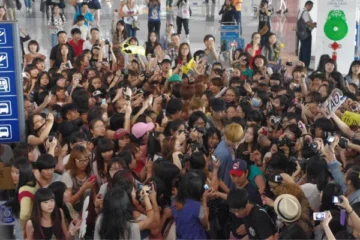
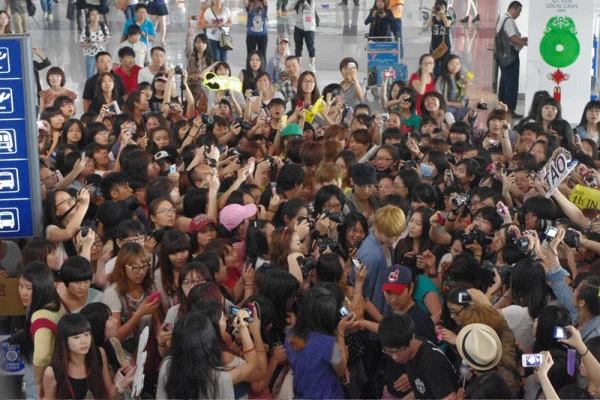
The transition of fan obsession from the digital realm to physical spaces often results in dangerous environments, particularly at international airports. The "airport culture" in K-pop involves hundreds, sometimes thousands, of fans congregating to catch a glimpse of an artist arriving for a schedule. In many instances, the lack of adequate security personnel from agencies like SM Entertainment has led to stampedes, physical altercations, and injuries.
Artists are frequently swarmed, with fans pushing, shoving, and even grabbing at them to secure close-up photographs or physical contact. These incidents are not merely inconveniences; they are safety hazards that have seen both idols and fans fall and be trampled in the chaos. Despite the recurring nature of these events, official reprimands from agencies remain rare. While some artists use social media to plead for personal space and safety, the lack of a unified industry standard for fan conduct at public hubs continues to put lives at risk.
The Commodity of Perfection: A Psychological Analysis
At the heart of these issues lies the way K-pop idols are marketed. The industry often promotes idols not as musicians or performers, but as idealized "characters" or "products" designed to fulfill the emotional needs of the consumer. This creates a parasocial relationship where fans feel a sense of ownership over the artist’s life.
Netizens and fans alike often hold idols to an impossible standard of "perfection." Any deviation from this—be it a dating rumor, a perceived lapse in manners, or a change in physical appearance—is met with severe criticism. This expectation of perfection is hypocritical, as the fans demanding it are themselves human and fallible. However, within the vacuum of the internet, the idol is stripped of their humanity and reduced to a set of traits that must align with the fan’s narrative.

The "poisonous" nature of allowing bad behavior to go unchecked cannot be overstated. When agencies fail to take a stand against bullying or physical harassment, they create an environment where the most vocal and aggressive fans dictate the culture. This not only harms the artists but also alienates the "silent majority" of fans who wish to support their favorites in a healthy and respectful manner.
The Need for Structural and Cultural Reform
The cessation of toxic behavior in the K-pop industry requires a multi-faceted approach involving agencies, artists, and the fans themselves.
- Agency Accountability: Entertainment companies must move beyond mere profit-seeking and prioritize the mental and physical health of their artists. This includes investing in robust security for public appearances, taking legal action against malicious commenters and hackers, and refusing to pander to exclusionary or discriminatory fan demands.
- Fan Self-Regulation: The K-pop community has demonstrated an incredible capacity for organization. This same organizational power must be channeled into self-policing. When a segment of the fandom acts inappropriately, it is the responsibility of the broader community to maturely address and condemn those actions. The same fans who coordinate "light stick oceans" and charity drives can coordinate campaigns for fan etiquette and digital respect.
- Humanizing the Idol: There needs to be a shift in the marketing narrative. While the fantasy element of K-pop is part of its appeal, it should not come at the cost of the artist’s basic human rights, such as the right to privacy, the right to personal relationships, and the right to a safe working environment.
Conclusion: A Call for Maturity in a Global Era
As K-pop continues to expand its global footprint, the behavior of its domestic and international fanbases will remain under the microscope. The "blind negativity" and entitlement that have characterized many of the incidents in 2013 and beyond are unsustainable. Buying a CD or a concert ticket is a commercial transaction for a creative product; it is not a contract that grants ownership over a human being’s life or choices.
The industry is at a crossroads. It can continue to mollify the most aggressive consumers to maintain short-term revenue, or it can take a stand for the longevity and health of its artists. For K-pop to truly mature as a global cultural force, it must foster an environment where passion is balanced with respect, and where the "customer" is recognized as being wrong when their demands infringe upon the dignity and safety of others. The question remains: who will be the first to step forward and demand this change?
Related News