The Evolution of a K-pop Fan: From Casual Observer to Diehard Devotee and Beyond
Article Editorial Team

The global phenomenon of South Korean popular music, widely known as K-pop, has transformed from a regional interest into a multibillion-dollar international industry, fundamentally altering the landscape of modern music consumption and fan engagement. While the music itself—a meticulously produced blend of pop, hip-hop, R&B, and electronic dance music—serves as the primary draw, the psychological and social journey of a K-pop fan follows a distinct and often predictable trajectory. This progression, ranging from initial confusion to intense devotion and eventual equilibrium, reflects broader trends in digital culture, parasocial relationships, and the globalization of media.
According to data from the International Federation of the Phonographic Industry (IFPI), the South Korean music market has consistently ranked among the top ten globally, with the "Hallyu" or Korean Wave driving significant export revenue for the South Korean economy. For the individual consumer, however, the entry into this world is rarely about economics; it is an immersive experience characterized by a series of emotional and behavioral milestones.
The Introductory Stage: Sensory Overload and Cultural Friction
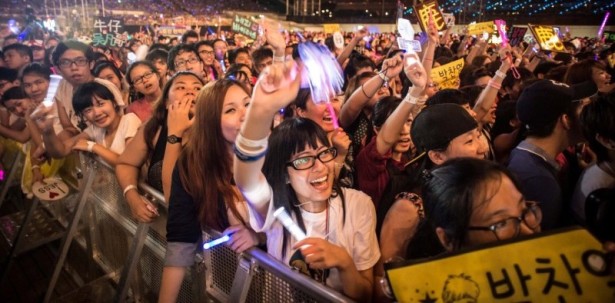
The journey typically begins with an accidental or peripheral encounter. In communities where Western pop music remains the dominant paradigm, the first exposure to a K-pop music video can be a jarring experience. This stage is marked by what sociologists describe as "sensory overload." The high-definition "box sets," neon-saturated aesthetics, and the gender-fluid fashion of male idols often challenge the newcomer’s preconceived notions of masculinity and performance.
During this phase, observers frequently perceive K-pop as gimmicky or overly manufactured. The precision of the choreography—often synchronized to a degree rarely seen in Western acts—can feel "robotic" to the uninitiated. Furthermore, the sheer number of members in groups like Seventeen or NCT can be overwhelming. Some potential fans are immediately deterred, while others find themselves intrigued by the spectacle. For those already entrenched in a different fandom, there may be a defensive reaction; a common phenomenon is the "copycat" accusation, where a new fan of one group might dismiss another rising group, such as BTS or B.A.P, as a derivative of their preferred aesthetic.
The Investigative Stage: The Role of the Digital Algorithm
The transition from observer to participant often occurs during the investigative stage. This phase is characterized by a "nagging curiosity" that drives the individual back to platforms like YouTube, TikTok, or Spotify. Music industry analysts note that K-pop’s success is inextricably linked to the "YouTube algorithm," which excels at suggesting related content once a user has engaged with a single video.

A casual search for a specific song, such as Girls’ Generation’s "I Got a Boy" or BLACKPINK’s "DDU-DU DDU-DU," often leads to "variety show" appearances, "behind-the-scenes" vlogs, and "dance practice" videos. It is during this stage that the consumer begins to look past the production value and starts to distinguish individual personalities. The investigative stage is a critical tipping point; the viewer is no longer just listening to music but is beginning to consume the "narrative" of the idols themselves.
The Obsessive Stage: The Rise of Parasocial Bonds
The third stage is arguably the most intense: the descent into total fandom. This period is defined by the establishment of parasocial relationships—one-sided emotional bonds where the fan feels a deep personal connection to the idol. In K-pop terminology, this is when a fan selects a "bias" (a favorite member) and an "ultimate bias" (a favorite across the entire industry).
The obsessive stage involves a significant reallocation of personal time and resources. Fans may spend hours scanning Twitter (X) for updates, translating Korean news articles, or participating in "streaming parties" to boost a group’s chart positions. This behavior is supported by the "comeback" cycle, a unique K-pop marketing strategy where groups release new music every few months, accompanied by a blitz of promotional content.

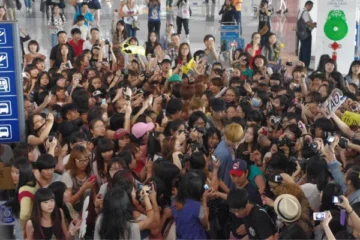
During this stage, the fan’s social circle often becomes a target for proselytization. It is common for fans to subject friends and family to music video marathons, passionately defending the vocal talent or visual appeal of their chosen group. Psychologically, this stage provides a sense of community and identity, as fans join global "fandoms" (such as ARMY for BTS or BLINK for BLACKPINK) that operate with their own internal hierarchies and lexicons.
The Denial and Acknowledgement Stages: The Conflict of Real-World Priorities
As the obsession deepens, it inevitably clashes with the fan’s "real-world" obligations. This leads to the denial stage, where the individual refuses to acknowledge the disproportionate amount of time and emotional energy being funneled into the fandom. This period is often marked by sleep deprivation—frequently due to staying up for late-night South Korean livestreams or award shows—and the neglect of academic or professional responsibilities.
The transition to the acknowledgement stage occurs when the negative consequences of the obsession become unavoidable. Whether it is a stack of overdue assignments, strained personal relationships, or the realization that their happiness is entirely dependent on the "mood" of an idol they have never met, the fan hits a "slump." This stage is often a period of self-reflection. Many fans at this point announce a "semi-hiatus" from social media, attempting to reclaim their autonomy from the constant demands of the digital fandom cycle.

Rehabilitation and the Relapse Cycle
Rehabilitation involves a conscious effort to return to "normalcy." This includes re-establishing a healthy sleep schedule, diversifying music tastes, and engaging in social interactions that do not revolve around K-pop. For some, this period is successful; they find they can appreciate the music without the accompanying lifestyle of a "stan."
However, the "relapse" is a well-documented phenomenon in the K-pop community. The industry is designed to prevent disengagement. A sudden announcement of a world tour, a teaser for a highly anticipated album, or a "Daesang" (Grand Prize) win at a major award show can trigger a wave of guilt and nostalgia. The fan, feeling they have "abandoned" their idols during a moment of triumph, often returns to the fandom with renewed vigor, sometimes becoming more devoted than before to compensate for their absence.
The Path to Equilibrium: Balance vs. Renouncement
Eventually, most fans reach a final state of either balance or renouncement. These two paths represent the long-term resolution of the fandom experience.

The Balanced Stage
The balanced fan has achieved "fandom harmony." They have learned to enjoy K-pop as a hobby rather than an identity. They may still buy albums or attend concerts, but they no longer feel the compulsive need to monitor every social media update or participate in online fan wars. This stage represents a mature integration of K-pop into a stable adult life, where the music serves as a source of joy rather than a source of stress.
The Renouncement
Conversely, some fans undergo a total renouncement. This often occurs as fans "age out" of the demographic or as their life circumstances change. For others, the departure is catalyzed by negative experiences within the fandom, such as "toxic" behavior from other fans or scandals involving their favorite idols. When a "bias" leaves a group or a group disbands, the primary motivation for engagement often vanishes, leading to a natural falling out of love with the genre.
Broader Implications and Industry Analysis
The trajectory of a K-pop fan provides valuable insights into the future of global entertainment. The "K-pop model"—characterized by high-frequency content, direct-to-fan communication, and the monetization of parasocial bonds—is increasingly being adopted by Western artists and brands.

From a factual standpoint, the sustainability of this model relies on a constant influx of new fans to replace those who reach the "renouncement" stage. Data from the Korea Creative Content Agency (KOCCA) suggests that while the "hardcore" fandom might fluctuate, the general "casual" audience for K-pop is expanding. This suggests that while individual fans may move through these stages and eventually leave, the industry itself has built a robust infrastructure to capture and retain the next generation of consumers.
In conclusion, the evolution of a K-pop fan is a complex psychological journey that mirrors the intensity of the industry itself. By understanding these stages—from the initial sensory shock to the final state of balance—one gains a clearer picture of how K-pop has managed to capture the hearts and wallets of millions worldwide. Whether a fan remains for a season or a lifetime, the experience leaves an indelible mark on their cultural consumption habits, proving that K-pop is far more than just a musical genre; it is a comprehensive social experience.
Related News