The Dark Reality of K-pop Sasaeng Culture and the Ongoing Struggle for Idol Privacy and Safety
Article Editorial Team

The South Korean entertainment industry, particularly the global phenomenon of K-pop, has long grappled with a shadow element known as "sasaeng" fans. Derived from the Korean words "sa" (private) and "saeng" (life), the term refers to obsessive individuals who engage in invasive behaviors that cross the line from enthusiastic support to criminal stalking. While the relationship between idols and their fans is the bedrock of the industry’s success, sasaeng culture represents a systemic failure of boundaries, posing significant risks to the physical safety and mental well-being of performers. Recent escalations involving rookie and veteran groups alike have reignited a national conversation regarding the legal protections afforded to public figures and the ethical responsibilities of management agencies.
Defining the Sasaeng Phenomenon and Its Tactics
To the uninitiated, sasaengs may appear to be merely "extreme" fans, but their actions are characterized by a calculated and often illegal pursuit of an idol’s private life. Unlike "homemaster" fans who follow groups to public schedules to take high-quality photographs, sasaengs operate 24 hours a day, seven days a week, focusing exclusively on non-public activities. Their methodology is diverse and increasingly sophisticated, involving the exploitation of technology and the infiltration of private spaces.
Common tactics include hiring "sasaeng taxis"—chartered vehicles whose drivers specialize in high-speed chases to follow idol vans from the moment they leave their dormitories. These drivers often charge exorbitant fees, creating a micro-economy built on harassment. Beyond physical stalking, sasaengs are known to hack into personal phones to retrieve contact lists, private photos, and KakaoTalk messages. In some of the most egregious cases, individuals have been known to purchase stolen personal items, such as underwear, or install GPS tracking devices on idols’ vehicles. The ultimate goal of these activities is not merely to see the idol, but to possess a piece of their private reality that is inaccessible to the general public.
The Case of EXO: A Modern Study in Fandom Extremism
Since their debut, the SM Entertainment group EXO has become a primary target for sasaeng activities, highlighting the dangers faced by "rookie" groups that achieve rapid, massive popularity. In a revealing interview with Sports Seoul, the members of EXO expressed the profound psychological burden of being constantly monitored. The group reported incidents that range from the unsettling to the life-threatening.
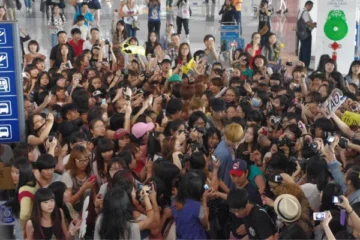
One specific incident involved the member Tao, who was recorded singing in the shower after sasaengs managed to plant recording devices or infiltrate the group’s living quarters. This level of intrusion extends to public transit hubs; airports have frequently become scenes of "elephant stampedes," where unruly mobs shove members, causing physical falls and injuries. In several documented instances, fans have attempted to link arms with members or grab them as they walk through terminals, treating the idols as objects rather than human beings. The group’s visit to Disneyland was similarly marred by stalking, proving that even during designated "rest" periods, privacy remains elusive.

The members’ plea during the Sports Seoul interview was clear: they wished for the "burdensome" business of sasaengs to end, noting that the constant intrusion makes it difficult for them to lead normal lives or even perform their duties without fear.
Historical Context: From TVXQ to Shinhwa
The struggle against sasaengs is not a new development in K-pop. It is a legacy issue that has plagued every generation of "idoldom." The group TVXQ is perhaps the most famous victim of this culture. At the height of their fame, the members faced unprecedented levels of harassment, including sasaengs breaking into their dorms to take photos of them while they slept or even attempting to kiss them while they were unconscious. Such experiences have long-term effects; members of veteran groups often speak of developing chronic anxiety and a permanent "startle response" to the sound of camera shutters or car doors.
In contrast, the first-generation group Shinhwa took a different approach to managing fan boundaries. Member Kim Dongwan famously told fans during a promotional event for their first album, "Shinhwa isn’t responsible for your lives." While this was considered controversial PR at the time and led to a temporary loss of fans, it established a precedent for idols asserting their autonomy. Today, Shinhwa’s remaining fanbase is noted for its maturity, suggesting that early boundary-setting may be a viable, albeit risky, strategy for long-term stability.

The Role of Corporate Influence and Brand Image
The intensity of sasaeng behavior is often linked to the prestige of the management agency. Idols from the "Big Three" (SM Entertainment, YG Entertainment, and JYP Entertainment) face higher levels of scrutiny because these companies are synonymous with "hit-making." When a company like SM Entertainment announces a new group, the anticipation is comparable to a major Hollywood blockbuster. This hype cycle attracts not only genuine supporters but also those looking to capitalize on the group’s rising "social currency."
Furthermore, the industry’s reliance on "shipping" (pairing members together for fan service) and the promotion of "OTPs" (One True Pairings) can inadvertently fuel sasaeng delusions. By marketing idols as accessible, "boyfriend-like" figures, agencies can blur the lines between professional entertainment and personal intimacy. When fans spend thousands of dollars on albums and merchandise, some develop a sense of "ownership," believing that their financial contribution entitles them to access to the idol’s private life.
Psychological Impact and the "Parasocial" Trap
The root of sasaeng behavior often lies in a distorted parasocial relationship. In a healthy fan dynamic, there is a clear understanding that the intimacy portrayed on screen is a performance. However, for sasaengs, the "idol" becomes a central figure in a personal narrative. The dopamine rush associated with "discovering" a secret about a celebrity can lead to an addictive cycle of stalking.

For the idols themselves, the impact is devastating. Constant surveillance leads to a state of hyper-vigilance. The inability to feel safe in one’s own home—the ultimate sanctuary—can lead to severe mental health crises, including depression and social withdrawal. When fans record an idol in a vulnerable state, such as the aforementioned incident with Tao, it strips the individual of their dignity and transforms their private moments into a commodity for public consumption.
Legal Challenges and Legislative Gaps
Historically, South Korean law has been criticized for being too lenient on stalkers, often classifying such actions as minor misdemeanors or "nuisances." For many years, the legal system viewed sasaeng behavior as an inevitable byproduct of fame, leaving idols and agencies with few options for recourse. While some agencies have begun to "lawyer up" and issue warnings of legal action, the difficulty of identifying anonymous online hackers and the sheer volume of offenders make enforcement a monumental task.
However, the tide is slowly turning. There is an increasing demand for more robust anti-stalking legislation that recognizes the digital and physical realities of modern harassment. Legal experts suggest that until the "sasaeng taxi" industry is dismantled and the sale of private information is met with heavy criminal penalties, the cycle is unlikely to break.

Strategies for Mitigation and Industry Change
While there is no "magic bullet" to eliminate sasaeng culture, several strategies have been proposed to minimize the risks:
- Direct Confrontation and Boundary Setting: Following the example of Kim Dongwan and TVXQ’s Changmin (who famously told fans to "find a boyfriend" and live their own lives), idols are increasingly encouraged to speak out against invasive behavior rather than maintaining a "polite" facade that may be misinterpreted as encouragement.
- Agency Responsibility and Security: Agencies must prioritize security over "fan service" at high-risk locations like airports. This includes utilizing private terminals where possible and taking a hardline stance on blacklisting fans who are caught engaging in sasaeng activities.
- Digital Decoupling: In an era of constant connectivity, maintaining a "scarce trail" on the web is essential. Agencies are now more careful about leaking travel itineraries, though the "insider" leak problem remains a significant hurdle.
- Targeting Diverse Demographics: Groups that target older audiences (often referred to as "noonas" or "hyungs") sometimes find that their fans have the maturity and life experience to respect boundaries more effectively than teenage-centric fandoms.
- Shifting the Marketing Narrative: Moving away from extreme "backstories" or "god-like" imagery in favor of a more grounded, music-focused persona can help reduce the "mythic" status of idols that attracts obsessive personalities.
Conclusion: Toward a Healthier Fandom Culture
The existence of sasaengs is a stain on the vibrant and creative world of K-pop. It is a phenomenon that thrives on the silence of victims and the slow response of legal systems. However, as groups like EXO and TVXQ continue to advocate for their right to privacy, and as fans themselves begin to police their own communities to eject "sasaeng" elements, there is hope for a shift in the status quo.
K-pop should be a source of joy and inspiration, not a catalyst for criminal activity and psychological trauma. The responsibility for change lies with everyone involved: the agencies must protect their artists, the government must strengthen its laws, and the fans must remember that behind the "idol" is a human being deserving of respect, safety, and the right to a private life. Only through a collective rejection of obsessive culture can the industry ensure a sustainable and healthy future for its performers.
Related News