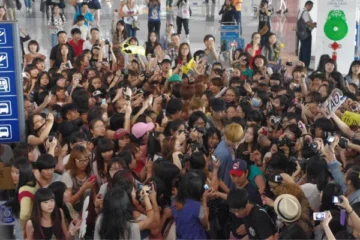
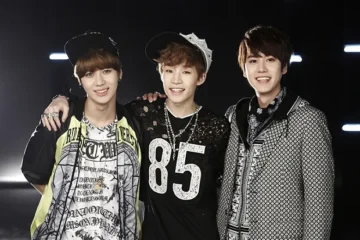
The Evolution of Fan Culture in K-pop: Navigating the Divide Between Constructive Criticism and Malicious Online Behavior
Article Editorial Team
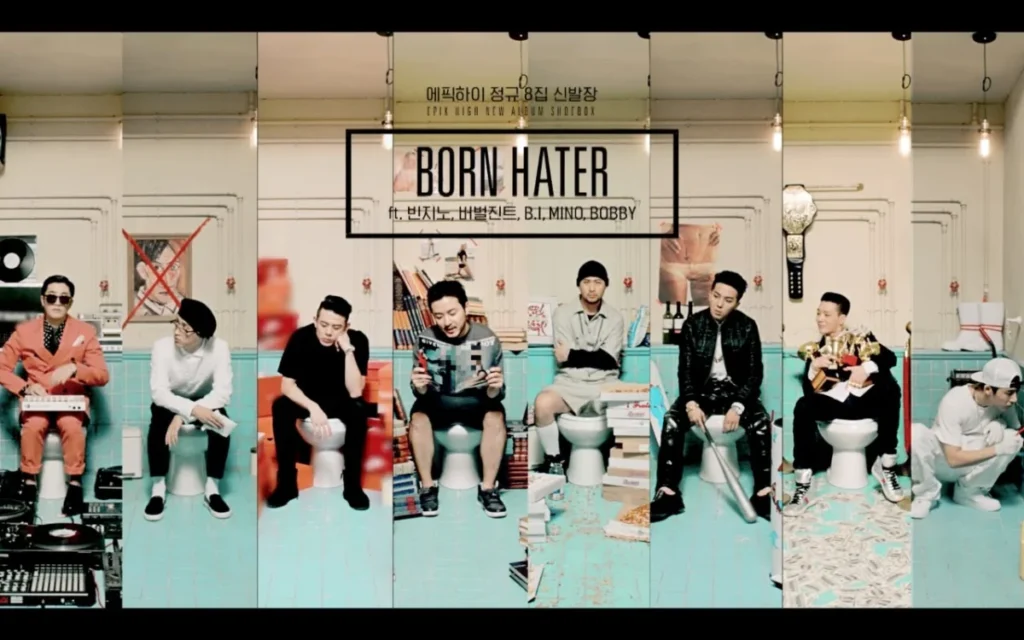
The global expansion of the South Korean music industry, commonly known as K-pop, has transformed the landscape of modern entertainment, creating a multi-billion dollar ecosystem driven by a highly organized and digitally active fan base. However, this rapid growth has brought to the forefront a complex challenge: the distinction between legitimate artistic criticism and malicious online harassment. As the boundary between idols and fans becomes increasingly blurred through real-time communication platforms, the prevalence of "haters"—individuals who disseminate vitriolic and destructive commentary—has become a significant concern for agencies, artists, and the community at large. Understanding the nuances of constructive feedback versus destructive malice is no longer merely a social etiquette issue; it is a critical component of maintaining the industry’s sustainability and the well-being of its participants.
The Socio-Digital Context of K-pop Fandom
The relationship between K-pop artists and their supporters is characterized by a high level of emotional investment. Unlike Western pop music paradigms, the K-pop model emphasizes a "parasocial" connection, fostered through frequent live streams, private messaging apps like Bubble and Weverse, and exhaustive behind-the-scenes content. While this proximity drives commercial success and loyalty, it also creates a volatile environment where fans feel a sense of ownership over an idol’s personal life, professional choices, and public image.
In this environment, the "hater" phenomenon manifests as a byproduct of digital anonymity. Malicious commentary often targets an idol’s physical appearance, personality traits, or perceived moral failings, frequently deviating from the actual art or performance. The destructive nature of this behavior is exacerbated by the "echo chamber" effect of social media, where negative sentiments can be amplified by algorithms, leading to organized "anti-fan" campaigns.
Historical Chronology of Fan Interaction and Conflict
To understand the current state of online discourse in K-pop, one must examine the evolution of fan-artist interactions over the past three decades:

- The First Generation (1990s – Early 2000s): Fandom was largely domestic and physical. Conflicts between rival fan clubs, such as those of H.O.T. and SechsKies, occasionally escalated into physical altercations. Online interaction was limited to basic bulletin boards (BBS), and the concept of "cyber-defamation" was in its infancy.
- The Second Generation (Mid-2000s – 2011): The rise of the internet and early social media platforms like Cyworld and YouTube introduced the "anti-fan" culture. This era saw the first major instances of coordinated online harassment, leading to significant psychological distress for artists.
- The Third Generation (2012 – 2018): Global expansion via Twitter (now X) and Instagram localized K-pop discourse globally. The speed of information increased, and "cancel culture" began to take root, where idols were scrutinized for every word or action, often without context.
- The Fourth and Fifth Generations (2019 – Present): Agencies have begun taking aggressive legal action against malicious commenters. The industry has seen a shift toward prioritizing mental health, yet the volume of digital toxicity remains at an all-time high due to the sheer scale of the global audience.
Distinguishing Constructive Criticism from Malicious Attacks
For the K-pop ecosystem to remain healthy, the community must distinguish between the right to critique and the intent to harm. Journalistic analysis suggests that constructive criticism serves the industry by encouraging growth, whereas hate speech serves only to destabilize.
1. Objectivity and Subject Matter Focus
Constructive criticism is characterized by its adherence to a specific topic. If a debate concerns an idol’s vocal performance or acting ability, professional feedback remains centered on those skills. In contrast, malicious behavior often involves ad hominem attacks—targeting the individual’s character or physical traits—which are irrelevant to the professional output being discussed. Professional discourse maintains a separation between the performance and the performer’s intrinsic human value.
2. The Utility of Feedback
The primary goal of criticism should be improvement. When a fan or critic points out a flaw, providing context or suggestions for change transforms a negative observation into a valuable insight. For instance, critiquing a group’s choreography for lack of synchronization is a professional observation; however, using that observation to label the members as "lazy" or "worthless" shifts the comment into the realm of harassment.
3. Proportionality and Perspective
A hallmark of malicious online behavior is the tendency to exaggerate minor incidents. In the digital age, a single misunderstood gesture or a misspoken word can be magnified into a career-ending scandal. Constructive discourse requires a sense of perspective, acknowledging that idols are human beings prone to errors. When criticisms are blown out of proportion, they lose their intellectual validity and become tools for spite.
Legal Frameworks and Agency Responses
The South Korean government and entertainment agencies have recognized that malicious commenting is a systemic issue requiring legal intervention. South Korea has some of the world’s strictest cyber-defamation laws under the Act on Promotion of Information and Communications Network Utilization and Information Protection.

Data on Legal Action
In recent years, major agencies such as HYBE, SM Entertainment, JYP Entertainment, and YG Entertainment have established dedicated legal teams to monitor online portals and social media for malicious content.
- HYBE (BIGHIT MUSIC): Has consistently released quarterly updates regarding legal proceedings against individuals who post defamatory content regarding BTS and other artists. These actions often result in criminal fines or prison sentences for the perpetrators.
- Starship Entertainment: In a landmark 2023-2024 case, the agency successfully pursued legal action against the operator of a prominent "cyber wrecker" YouTube channel, demonstrating that anonymity can be stripped through international legal cooperation with platforms like Google.
These legal precedents indicate a shift in the industry: agencies are no longer willing to tolerate harassment as a "price of fame."
The Psychological Impact on Artists
The human cost of "hating" is documented through numerous accounts of idols struggling with anxiety, depression, and social phobia. The pressure to maintain a "perfect" persona while being subjected to a constant stream of vitriol is immense. Industry experts note that while physical training is rigorous, the mental toll of enduring death threats and personal insults is often what leads to prolonged hiatuses or early retirement.
The extreme end of this spectrum involves death threats—a line that, once crossed, moves the behavior from "fandom" to "criminality." Wishing harm upon an artist or suggesting they "disappear" is a violation of fundamental human rights and has been a contributing factor in several tragedies within the industry over the past decade.
Broader Implications for the Global K-pop Community
The behavior of the K-pop fandom has broader implications for how South Korean culture is perceived globally. As K-pop becomes a primary cultural export, the "toxic" reputation of certain online circles can deter potential new fans and brands.

Strategies for a Healthier Community
To mitigate the rise of malicious behavior, several community-led and industry-led strategies have been proposed:
- Moderation and Reporting: Fans are increasingly taking it upon themselves to report malicious comments to agencies rather than engaging with the "haters" directly.
- Digital Literacy Education: Encouraging younger fans to understand the impact of their digital footprint and the legal consequences of online harassment.
- Agency Support Systems: Implementing more robust mental health resources for idols to help them navigate the psychological pressures of public scrutiny.
Conclusion: The Path Forward
The distinction between a critic and a hater lies in intent and execution. Criticism is an essential part of the artistic process, providing the tension necessary for improvement and innovation. Malice, however, is a destructive force that offers no value to the artist, the agency, or the fandom.
As the K-pop industry continues to break records and cross borders, the responsibility for maintaining a healthy digital environment falls on all stakeholders. By prioritizing objective, helpful, and proportionate feedback over personal attacks and hyperbole, the community can ensure that K-pop remains a source of entertainment and inspiration rather than a breeding ground for toxicity. The evolution of the industry must be matched by an evolution in fan conduct, moving toward a future where the passion of the fandom is used to build up, rather than tear down.
Related News