From Pageant Queen to K-pop Enthusiast The Intersection of Miss Universe 2015 and the Global Hallyu Wave
Article Editorial Team
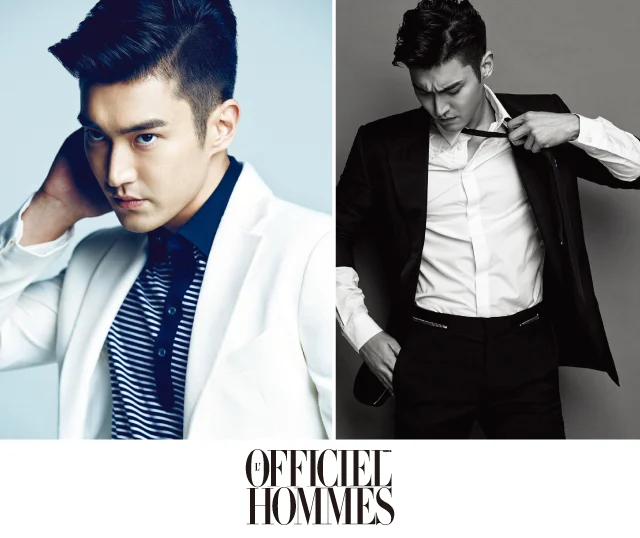
The Miss Universe 2015 pageant, held on December 20, 2015, at the AXIS in Las Vegas, Nevada, will forever be etched in television history for one of the most significant live broadcasting errors of the decade. Host Steve Harvey mistakenly announced Miss Colombia, Ariadna Gutiérrez, as the winner, only to return to the stage minutes later to correct the error and crown the actual winner, Pia Wurtzbach of the Philippines. While the immediate aftermath of the pageant was dominated by discussions regarding the hosting blunder and the grace shown by both contestants, a secondary narrative soon emerged that captivated a different global demographic: the K-pop community. Within days of her victory, digital archives revealed that the newly crowned Miss Universe was a devoted "ELF"—a member of the official fan club for the South Korean boy band Super Junior—and specifically a "stan" of member Choi Siwon.
This revelation bridged the world of international pageantry with the burgeoning global phenomenon known as the Hallyu Wave, or the Korean Wave. Wurtzbach’s past social media activity, dating back to 2009 and 2012, showcased her as a relatable fan who engaged in the same "stanning" behaviors as millions of other teenagers and young adults worldwide. The discovery of these tweets sparked a massive wave of engagement across social media platforms, highlighting the profound reach of Korean cultural exports and the diverse backgrounds of its enthusiasts.
The Chronology of the Crowning and the Digital Resurgence
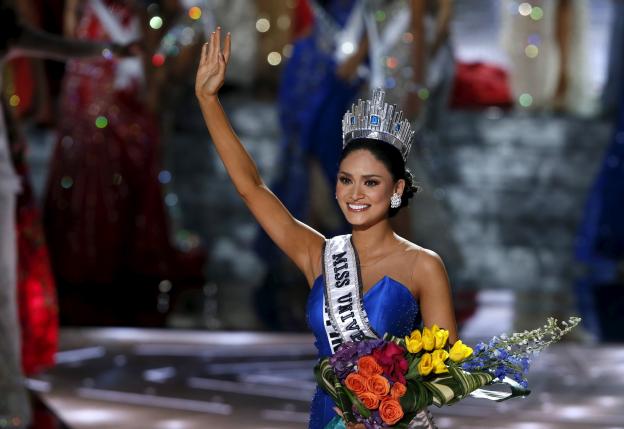
The timeline of Wurtzbach’s rise to global prominence began with her victory at the Binibining Pilipinas 2015 pageant, which earned her the right to represent the Philippines on the Miss Universe stage. On the night of the international competition, the atmosphere was one of high tension. After the top three contestants—representatives from the Philippines, Colombia, and the USA—delivered their final statements, Harvey announced Gutiérrez as the winner. Gutiérrez was crowned, took her first walk, and waved to the crowd for approximately four minutes before Harvey re-emerged to apologize for the misreading of the cue card.
Following the televised correction and Wurtzbach’s official coronation, the internet’s attention turned to the background of the new Miss Universe. Fans in the Philippines, a country with one of the highest K-pop consumption rates in the world, began scouring Wurtzbach’s Twitter history. They discovered several tweets from 2009, 2010, and 2011 in which she expressed her admiration for Super Junior. In one tweet, she referred to herself as "Mrs. Siwon Choi," a common humorous trope among K-pop fans who identify their favorite idol as their "bias" or "husband."
By December 27, 2015, these tweets had gone viral. The K-pop community, known for its organized and rapid digital mobilization, celebrated Wurtzbach not just as a national hero for the Philippines, but as a representative of their own subculture. The narrative shifted from a story of a pageant error to a story of a "fan girl" achieving the highest honor in beauty pageantry.
The Hallyu Wave in the Philippines: A Contextual Background
The significance of Wurtzbach being a K-pop fan cannot be fully understood without examining the cultural landscape of the Philippines during the early 21st century. The Philippines was one of the earliest adopters of the Hallyu Wave in Southeast Asia. Beginning in the early 2000s, Korean dramas (K-dramas) began to dominate Philippine television ratings, displacing traditional Latin American telenovelas. This cultural shift paved the way for Korean music (K-pop) to enter the mainstream.
Super Junior, the group Wurtzbach supported, was a pivotal force in this movement. Their 2009 hit "Sorry, Sorry" became a national sensation in the Philippines, famously performed by the inmates of the Cebu Provincial Detention and Rehabilitation Center, which garnered millions of views on YouTube. During the period Wurtzbach was tweeting about Siwon, Super Junior was at the height of its regional influence, consistently sold out arenas in Manila, and was a staple on Philippine music charts.
Data from various digital consumption reports indicates that the Philippines consistently ranks in the top five countries globally for K-pop-related Twitter volume and YouTube views. Wurtzbach’s fandom was not an anomaly but rather a reflection of a generation of Filipinos who grew up with Korean entertainment as a primary source of media consumption.
Official Responses and the Validation of Fandom
The intersection of Miss Universe and K-pop reached its peak when the idols themselves acknowledged Wurtzbach’s victory. Choi Siwon, the subject of Wurtzbach’s past tweets, took to his official Instagram account in early January 2016 to congratulate her. He posted a photo of himself and invited Wurtzbach to be his guest at the next "Super Show," Super Junior’s signature concert tour. He wrote, "Pia Alonzo Wurtzbach 🙂 Heartfelt Congratulations on your Miss Universe 2015 award, and please be my guest for next SUPERSHOW! Looking forward to seeing you shining the world :^)"
The official Twitter account for Super Junior also acknowledged the win, further cementing the link between the pageant and the music industry. These interactions were more than just celebrity pleasantries; they served as a form of validation for the K-pop fandom. For years, K-pop fans had often faced stigma or been dismissed as "obsessed" or "immature." Seeing a Miss Universe titleholder openly embraced by her idol provided a sense of legitimacy to the "stan" culture that had previously been relegated to the fringes of mainstream respectability.
Sociological Implications: The Normalization of "Stanning"
The Wurtzbach-Siwon narrative also prompts an analysis of the psychological and sociological aspects of celebrity worship, often referred to in modern parlance as "stanning." Historically, intense fandom has been viewed with skepticism by the general public. As noted in the original reporting, many fans harbor a sense of self-consciousness or "embarrassment" regarding their dedication, fearing that professional peers or authority figures might judge their passion as frivolous.

However, the 2015 Miss Universe incident served as a catalyst for changing this perception. Wurtzbach’s success proved that being a dedicated fan of a pop group is not mutually exclusive with being a high-achieving, professional, and socially influential individual. The "closet fan" phenomenon—where individuals hide their hobbies to maintain a certain professional image—began to erode as more high-profile figures acknowledged their interests in niche or global pop cultures.
Market analysts suggest that this normalization has had significant economic impacts. As K-pop fans "age up" into demographics with higher disposable income, brands have increasingly leveraged these "stan" behaviors for marketing. The fact that a Miss Universe winner was an "ELF" made her an even more attractive brand ambassador for companies looking to tap into the lucrative and loyal K-pop demographic across Asia and beyond.
Impact on the Miss Universe Brand
For the Miss Universe Organization (MUO), the Wurtzbach-Siwon connection was an unexpected marketing boon. The organization, which was at the time transitioning through a period of ownership change (from Donald Trump to WME/IMG), benefited from the massive digital engagement generated by K-pop fans.
The metrics from late 2015 and early 2016 show a significant spike in Miss Universe mentions within the "Hallyu" sphere of the internet. This cross-pollination of audiences helped the pageant maintain relevance in an era where traditional linear television viewership was declining. By embracing Wurtzbach’s personality and her interests, the MUO was able to project a more modern, relatable image of its titleholders. Wurtzbach was not just a symbol of beauty; she was a woman with a history, a digital footprint, and interests that resonated with the youth.
Timeline of Key Events
- 2009–2012: Pia Wurtzbach actively tweets about her admiration for Super Junior and Choi Siwon, identifying as an "ELF."
- March 15, 2015: Wurtzbach wins Binibining Pilipinas 2015 after her third attempt at the national title.
- December 20, 2015: The Miss Universe 2015 pageant takes place. Steve Harvey incorrectly crowns Miss Colombia before correcting the mistake and crowning Wurtzbach.
- December 21–25, 2015: Fans in the Philippines and the global K-pop community rediscover and circulate Wurtzbach’s old tweets.
- December 27, 2015: International media outlets begin reporting on the "K-pop fan turned Miss Universe" story.
- January 2016: Choi Siwon officially congratulates Wurtzbach on social media and invites her to a future concert.
- January 2017: Wurtzbach completes her reign, credited with revitalizing the Miss Universe brand in Asia.
Conclusion: A Legacy of Cultural Convergence
The story of Pia Wurtzbach’s Miss Universe victory and her K-pop fandom is a testament to the power of cultural convergence in the digital age. It highlights how social media can transform a local interest into a global narrative, breaking down the barriers between different forms of entertainment and celebrity.
Wurtzbach’s reign was characterized by her advocacy for HIV/AIDS awareness and her work in disaster relief, but it was also marked by her authenticity. By not deleting her old tweets or distancing herself from her "fan girl" roots, she provided a template for modern celebrities to embrace their past and their personal interests. The intersection of a prestigious international beauty pageant and the vibrant world of K-pop served to humanize the crown, proving that even a Miss Universe can be, at her core, a dedicated fan of the music that moves her. This event remains a milestone in the history of the Hallyu Wave, signaling its move from a regional trend to a permanent fixture of global popular culture.
Related News