Navigating the Intersection of Black Identity and Global Pop Culture A Roundtable Discussion on the Black Experience in K-pop
Article Editorial Team
The global expansion of the South Korean music industry, commonly referred to as the Hallyu wave, has cultivated one of the most diverse and digitally active fanbases in the history of modern entertainment. As K-pop transcends national borders, it increasingly encounters the complex social dynamics of the Western markets it seeks to inhabit. Central to this expansion is the genre’s foundational debt to Black American music, specifically Hip-Hop, R&B, and Soul. However, the relationship between the K-pop industry and its Black fans is often characterized by a paradox: a deep aesthetic and sonic appreciation for Black culture coupled with recurring instances of cultural insensitivity, appropriation, and systemic exclusion within the fandom.
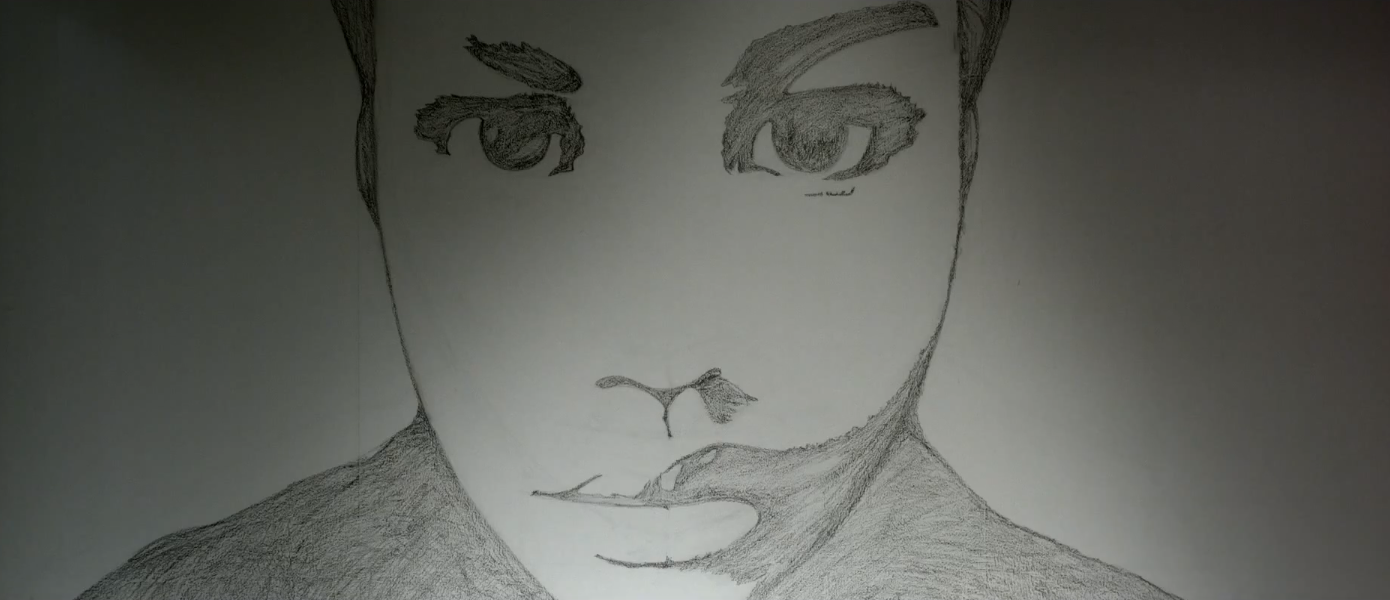
To address these nuances, a group of cultural commentators and fans—Camiele, Cjontai, and Taylore—engaged in a comprehensive roundtable discussion. Their insights provide a critical framework for understanding how Black fans navigate a space that often emulates their culture while simultaneously marginalizing their identities.
The Historical Blueprint: From Seo Taiji to the Modern Idol
To understand the current friction, one must examine the origins of the K-pop idol system. The modern era of Korean pop began in 1992 with the debut of Seo Taiji and Boys, a group that integrated American rap and New Jack Swing into the Korean mainstream. This set a precedent for the "idol" formula, which heavily relies on the "rapper-vocalist-dancer" structure—a blueprint directly inspired by 1980s and 90s Black entertainment acts like New Edition and Boyz II Men.

Throughout the 2000s and 2010s, this influence evolved. Artists such as Michael Jackson, Prince, and D’Angelo became staples of inspiration for idols. During the roundtable, Cjontai noted that BTS’s RM (Rap Monster) frequently recommends artists like India Arie, signaling a level of genuine musical appreciation. However, the transition from musical appreciation to visual appropriation remains a significant point of contention. When the "hip-hop" aesthetic is used as a temporary "concept" or a "gimmick"—as seen in the stylistic choices of groups like 4Minute in their "Crazy" era—Black fans often perceive it as a costume rather than a craft.
The Appropriation Dilemma: Concept vs. Culture
A recurring theme in the discussion was the distinction between cultural appreciation and appropriation. In the K-pop industry, "concepts" are changed seasonally to keep groups relevant. For Black fans, seeing traditional hairstyles like cornrows or Bantu knots, or the use of specific vernacular (AAVE), treated as a "rebellious" or "tough" phase for a group is often dehumanizing.

Camiele highlighted that appropriation involves using another’s culture as a costume while claiming the right to use it without understanding its history. The roundtable pointed to Keith Ape’s "It G Ma" as an example of the "cringe-inducing" overlap where imitation lacks the weight of the original culture’s struggles. The consensus among the participants was that while Korean artists are not expected to be experts in American history, the desire to succeed in Western markets necessitates a basic level of research into the symbols they utilize.
A Chronology of Controversy: Symbols and Slurs
The history of K-pop is marked by several high-profile incidents that have alienated Black fans. These events often follow a predictable pattern: the use of a problematic symbol, a backlash from international fans, and a varying degree of response from the agency.

- The Confederate Flag: In various music videos and fashion shoots, the Confederate flag has appeared as a "rebel" aesthetic. The roundtable specifically addressed the "Kanye West defense," where fans cite the American rapper’s use of the flag to justify its appearance in K-pop. The participants argued that one Black artist’s provocative choices do not grant a "pass" for global insensitivity.
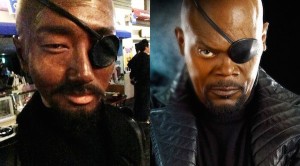
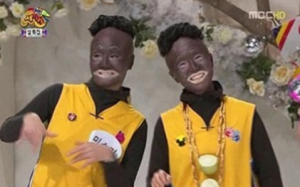
- Blackface in Variety Shows: The use of dark makeup to parody Black people has a long history in South Korean entertainment, often defended as "comedy." Notable incidents involving members of Super Junior (Yesung) and other veteran idols have left lasting scars on the fandom.
- Linguistic Slurs: The use of the "N-word" in lyrics or during live broadcasts remains a persistent issue. The roundtable mentioned San E and Zico (Block B) as artists who have faced criticism for their lyrics. While some artists, like Zico, have shown growth and sought education, the initial impact of these slurs reinforces a sense of "pre-resentment" among Black listeners.
The Role of Industry Responsibility and Fan Education
A critical component of the discussion focused on how the industry responds to these controversies. Historically, many agencies ignored international backlash, focusing primarily on their domestic audience. However, as the "Global K-pop" model becomes the primary revenue stream for companies like SM, HYBE, and YG, the cost of ignorance has risen.
Cjontai noted that some agencies, such as Seven Seasons (representing Block B at the time), have shown a willingness to engage with international fans who reach out to educate them. This proactive approach is seen as a blueprint for the future. When fans provide context on why certain behaviors are harmful, and agencies respond with genuine policy changes rather than template apologies, the relationship between the artist and the global community can be repaired.
Conversely, the roundtable critiqued the "let it slide" attitude prevalent among non-Black fans. This sentiment often frames Black fans as "fake outraged" or "bullies," effectively silencing their lived experiences to protect the image of the idol. The participants argued that true respect for K-pop requires respecting its roots, which are undeniably Black.
Exclusion in Fan-Created Content
The marginalization of Black fans extends beyond the artists and into the digital spaces created by the fandom. Taylore highlighted the specific example of "reader-insert" fanfiction, a popular genre where fans write themselves into stories with their favorite idols. These stories often rely on Eurocentric beauty standards—such as descriptions of "running hands through long, straight hair"—which effectively exclude Black fans from the "lovey-dovey illusion" of the idol-fan relationship.

This exclusion has led to the creation of sub-communities where Black K-pop fans can acknowledge their own existence and share their unique perspectives. While the K-pop dream is often marketed as a universal fantasy, the reality for many Black women is a constant reminder that they are not the intended "target audience" for the romanticized imagery of the industry.
Analysis of Implications: The Future of a Multi-Cultural Industry
As K-pop continues to integrate into the global mainstream, the industry faces a crossroads. The success of groups like BTS, who have made efforts to learn from and collaborate with Black artists authentically (as seen in their American Hustle Life series and collaborations with Megan Thee Stallion), suggests that a more respectful path is possible.

However, the "stained-glass" beauty of music that Cjontai mentioned—where a kaleidoscope of colors makes the art shine—requires a foundation of mutual respect. For the K-pop industry, this means:
- Cultural Sensitivity Training: Agencies must invest in staff who understand the historical and social contexts of the global markets they are entering.
- Authentic Collaboration: Moving beyond "concept" hip-hop toward genuine artistic exchange with Black creators.
- Diverse Representation: Recognizing the diversity of the international fanbase in marketing and fan-engagement strategies.
The roundtable concluded on a note of tempered optimism. Despite the challenges, Black fans remain engaged with K-pop because of the music’s quality and the personal connections they have built within the community. The cultural exchange has allowed many to explore Korean food, language, and history. In return, these fans are asking for a seat at the table and the respect that any foundational contributor to a genre deserves.
As the industry moves forward, the voices of Camiele, Cjontai, and Taylore serve as a reminder that a global industry cannot thrive if it continues to ignore the very people whose culture it uses as a springboard for success. The evolution of K-pop from a regional phenomenon to a global powerhouse is not just a story of catchy melodies and synchronized dancing; it is a complex narrative of cultural intersection that requires constant dialogue, education, and, above all, respect.
Related News