The Rising Tide of Sasaeng Culture in K-pop: Analyzing the Security and Ethical Challenges Facing Groups Like EXO and TVXQ
Article Editorial Team

The South Korean entertainment industry, particularly the K-pop sector, has long grappled with a phenomenon known as "sasaeng" fans—individuals whose obsessive behavior transcends traditional fandom and enters the realm of criminal stalking. Derived from the Korean words "sa" (private) and "saeng" (life), the term refers to fans who intrude upon the personal lives of idols, often through illegal or highly intrusive means. While the global popularity of K-pop continues to soar, the rise of groups like EXO has brought the issue of sasaeng culture back into the national spotlight, prompting a critical examination of the industry’s security protocols and the psychological motivations behind such extreme behavior.
Defining the Sasaeng Phenomenon and Recent Escalations
Sasaengs are characterized by their 24/7 dedication to following idols, often utilizing a sophisticated network of resources to track their targets. These individuals are not merely enthusiastic supporters; they are frequently viewed with disdain by the general public and the broader "clean" fandoms. Their activities include hiring specialized "sasaeng taxis" that charge exorbitant rates to chase idol vans, hacking into personal mobile devices to obtain private contact lists, and purchasing stolen personal items, such as clothing or undergarments.
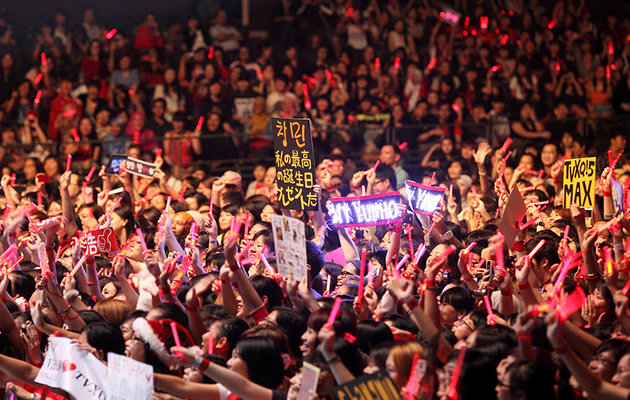
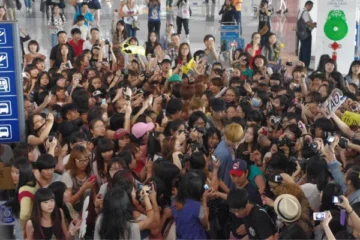
Recent reports involving the rookie group EXO, managed by SM Entertainment, have highlighted the severity of these intrusions. During an interview with Sports Seoul, the members of EXO expressed profound distress regarding the impact of sasaengs on their daily lives. Incidents cited include the surreptitious recording of member Tao while he was singing in a hotel shower and the frequent occurrence of "elephant stampedes" at international airports. These chaotic scenes have led to physical injuries, with members being shoved to the ground or forcibly touched by fans attempting to link arms with them. The group’s plea for privacy underscores a growing tension between the idol industry’s accessibility and the fundamental right to personal safety.
Historical Context: From TVXQ to the Modern Era
To understand the current state of sasaeng culture, one must look at the precedent set by groups like TVXQ (Tohoshinki). During the mid-2000s, TVXQ was the primary target of some of the most extreme sasaeng activities ever recorded in the industry. Reports from that era detail fans breaking into the group’s dormitory to take photographs of the members while they slept, as well as the installation of GPS trackers on their vehicles.
The evolution of this behavior has been facilitated by the rapid advancement of digital technology. In the past, sasaengs relied on physical proximity and word-of-mouth information. Today, the trade of "sasaeng info"—including flight details, ID numbers, and private phone numbers—has become a lucrative underground economy on social media platforms. This digital infrastructure allows for a level of surveillance that was previously impossible, making it increasingly difficult for management agencies to protect their artists.

Analysis of Risk Factors and Industry Influence
The intensity of sasaeng behavior is often correlated with specific industry factors. A systematic review of the current landscape reveals several key elements that contribute to the emergence of obsessive fandoms:
1. The Influence of Major Management Agencies
Groups debuting under "Big Three" companies—SM Entertainment, YG Entertainment, and JYP Entertainment—often face higher levels of sasaeng activity. The prestige associated with these labels creates an immediate aura of "superstardom," which in turn attracts individuals who seek the social status associated with having "exclusive" access to top-tier idols. The high expectations and massive marketing budgets of these firms inadvertently foster an environment of extreme anticipation.
2. Demographic Dynamics and Targeting
Sasaeng behavior is most prevalent among younger demographics, particularly teenage girls. Sociologists suggest that the lack of mature boundaries and the search for identity in adolescence can lead to the development of unhealthy parasocial relationships. When groups are marketed heavily toward this demographic, the risk of boundary-crossing increases. Conversely, groups that successfully target an older "noona" (older sister) or "hyung" (older brother) audience tend to experience fewer instances of extreme stalking, as older fans are often more grounded in their own professional and personal lives.

3. Marketing and Narrative "Backstories"
The industry’s reliance on elaborate "lore" and fictional universes—such as EXO’s initial concept of being extraterrestrials with superpowers—can blur the lines between reality and fiction for vulnerable fans. These narratives encourage a deeper level of immersion that, for some, translates into a desire to "uncover the truth" of the idol’s real life, leading to intrusive investigative behavior.
Strategies for Mitigation and Boundary Setting
In response to the growing threat, various stakeholders have proposed and implemented strategies to curb sasaeng activity. These measures range from direct communication to legal escalation.
The "Shinhwa Model" of Direct Communication
One of the most famous examples of boundary-setting in K-pop history involves Kim Dong-wan of the first-generation group Shinhwa. During a period of intense fan harassment, Dong-wan famously stated, "Shinhwa is not responsible for your lives." This blunt approach, while initially perceived as poor public relations, is now lauded for its honesty. By deconstructing the fantasy that idols belong to the fans, Shinhwa was able to cultivate a more respectful and long-lasting relationship with their supporters.

Legal Recourse and Digital Privacy
Industry experts increasingly advocate for the "lawyering up" approach. In the past, agencies were hesitant to pursue legal action against fans for fear of damaging the group’s image. However, the shift toward treating sasaeng activity as criminal stalking has gained momentum. Filing police reports and pursuing restraining orders are now seen as necessary steps to ensure artist safety. Furthermore, the management of digital footprints—limiting the amount of personal information shared on social media and securing private communications—is paramount in a hyper-connected era.
Re-evaluating Fan Interactions
The phenomenon of "shipping" (imagining romantic relationships between members) and "skinship" (physical affection between members) is a staple of K-pop marketing. While these elements drive engagement, they can also incite deluded fans to take their obsessions to "dark places." Some analysts suggest that reducing the emphasis on these manufactured interactions could help de-escalate the intensity of certain fan segments.
Supporting Data: The Cost of Obsession
The financial and psychological costs of sasaeng culture are significant. Data from security firms in South Korea indicate that top-tier K-pop groups often require a security detail of 10 to 20 personnel during public appearances, a number that has doubled over the last decade. Furthermore, the "sasaeng taxi" industry remains a persistent problem; these drivers can earn upwards of $300 to $500 USD per day by providing high-speed chases for obsessed fans, creating significant traffic hazards for the general public.

Psychologically, the impact on idols is profound. The Sports Seoul interview with EXO revealed that the constant surveillance leads to chronic stress, sleep deprivation, and a sense of paranoia. The invasion of the "sacred" space of the home or the bathroom (as seen in the Tao incident) represents a violation that can have long-term effects on an individual’s mental health.
Official Responses and Legislative Progress
Governmental and regulatory bodies in South Korea have begun to take notice. In recent years, there have been calls to strengthen the Punishment of Stalking Crimes Act to specifically address the unique challenges of the entertainment industry. Management agencies have also become more vocal. SM Entertainment, for instance, has issued multiple statements condemning sasaeng behavior and vowing to take "zero-tolerance" legal action to protect their artists’ human rights.
The broader fan community has also taken a stand. "Clean" fanbases often organize "report chains" to take down social media accounts that trade in sasaeng information. This internal policing within the fandom is a crucial component of the fight against obsessive culture, as it devalues the "social capital" that sasaengs seek to gain through their proximity to idols.

Implications for the Global K-pop Industry
As K-pop continues its global expansion, sasaeng culture is no longer a localized issue. International tours now bring these security challenges to airports and hotels in the West, where local security may not be familiar with the intensity of sasaeng tactics. The globalization of the genre necessitates a standardized approach to artist protection that transcends borders.
In conclusion, while the passion of K-pop fans is a driving force behind the genre’s success, the rise of sasaeng culture represents a dangerous subversion of that enthusiasm. The transition from a fan to a stalker is a violation of both law and ethics. For the industry to remain sustainable and for artists to maintain their well-being, a multi-faceted approach involving stricter legislation, robust agency protection, and a fundamental shift in fan culture is required. The experiences of EXO and TVXQ serve as a stark reminder that without clear boundaries, the price of fame can become unacceptably high. The goal for the future of K-pop must be to foster a culture where music and talent can be celebrated without compromising the basic human right to privacy and safety.
Related News