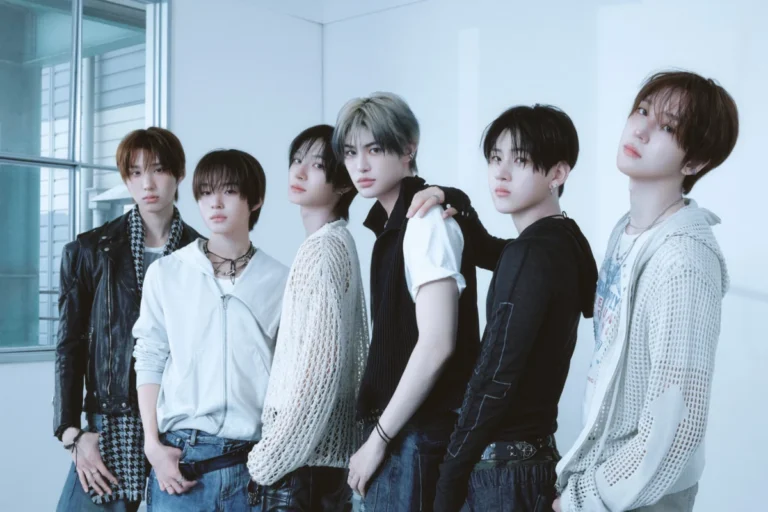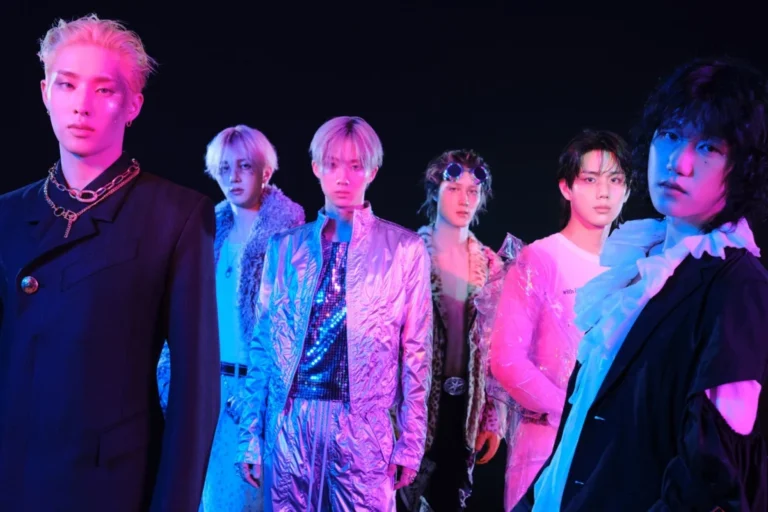



&TEAM member Nicholas has become the subject of intense dating rumors circulating across social media platforms, igniting a fervent debate among fans and online communities. The allegations, primarily spearheaded by a single netizen, claim that Nicholas is in a romantic relationship with a non-celebrity, citing various pieces of purported evidence such as "couple items," an alleged "lovestagram," and a perceived shift in the idol’s demeanor during recent public appearances. However, these claims have been met with significant skepticism and strong counter-arguments from other netizens, who allege malicious intent and the spread of misinformation.
The Genesis of the Allegations
The rumors began to surface "over the last few days" of September 2026, when an anonymous netizen initiated a series of posts on social media, primarily X (formerly Twitter), presenting what they claimed was irrefutable proof of Nicholas’s alleged relationship. The initial "evidence" centered on the concept of "couple items" – a common trope in K-Pop dating rumors where idols and their alleged partners are seen with similar or identical accessories, clothing, or other personal effects. While the specific items were not explicitly detailed, the accuser implied a pattern of shared belongings that suggested a romantic connection.
Following the "couple items," the netizen introduced the idea of a "lovestagram," referring to the practice of individuals, often celebrities, leaving subtle hints about their relationship through social media posts. In this instance, the "lovestagram" was characterized by the alleged use of identical emojis by both Nicholas and the purported non-celebrity girlfriend. This form of "evidence" relies heavily on interpretation and is frequently contested, as emojis are universally accessible and their use can be coincidental or misinterpreted.
The rumors gained further traction with what the accuser presented as the "latest proof," focusing on Nicholas’s "attitude" during &TEAM’s recent activities. The netizen alleged a noticeable contrast in Nicholas’s mood and demeanor: he appeared "miserable throughout his entire time doing all kinds of MC gigs and variety shows in Korea," but was "suddenly in a good mood" upon returning to Japan. This shift, according to the accuser, was because he was "looking forward to meeting his girlfriend waiting for him in Tokyo." To bolster this claim, the accuser also pointed to an Instagram account believed to belong to the supposed girlfriend, which had reportedly "liked" a video of the idol. This specific action, if true, provided a more direct link than the previous, more circumstantial "couple items" and emoji usage, but still fell short of conclusive proof.

Fan Scrutiny and Counter-Narratives Emerge
The allegations, despite their detailed presentation, were swiftly met with a wave of "heavy skepticism" from a significant portion of the online community and &TEAM’s fanbase, known as LUNÉ. Many fans were quick to challenge the validity of the "evidence," highlighting its circumstantial nature and the potential for misinterpretation. The K-Pop industry is notorious for the intense scrutiny idols face, where even the slightest commonality can be blown out of proportion and spun into a dating rumor. Fans often argue that such "proof" is easily manufactured or misconstrued, especially given the public nature of an idol’s life.
One prominent counter-argument directly addressed the "attitude" claim. A netizen challenged the original accuser, demanding "photos from the exact same day" to contextualize Nicholas’s varying expressions. This counter-claim presented two contrasting images: in one, Nicholas was "smiling and greeting people," while in another, "the moment he entered the airport, he pulled his hat down and had a blank expression." The respondent sarcastically urged the accuser to "make up a whole storyline for that too!" This argument underscored the natural variability of human emotions and expressions, suggesting that an idol’s mood can fluctuate based on countless factors—fatigue, privacy concerns, or simply the moment—rather than solely being indicative of a romantic relationship. It highlighted the selective nature of the "evidence" presented by the original accuser, implying a deliberate effort to paint a specific narrative.
More severely, several netizens accused the original rumor-monger of harboring "hatred" for Nicholas and engaging in "maliciously spreading lies." One user explicitly stated, "Stop pretending to be Korean when you write these posts. We all know how much you hate Nicholas. That’s why you keep creating accounts across different platforms and maliciously spreading lies about Nicholas." This accusation suggests a history of targeted harassment and the deliberate fabrication of rumors, pointing to a pattern of behavior rather than a genuine attempt to reveal information. The same user further claimed that "that woman herself" (referring to the alleged non-celebrity girlfriend) had "previously called you out for maliciously spreading lies and making things up," and that the accuser had "actually caused harm to other people as well." This brought a new dimension to the debate, suggesting that the initial accuser might not be an innocent whistleblower but rather an individual with a personal vendetta, causing distress to multiple parties.
Another user echoed these sentiments, urging the public to "report this account for spreading misinformation and harming both nico, and the girl, who has nothing to do with this." This call to action reflects a growing frustration within the fanbase regarding the spread of unverified and potentially damaging information, emphasizing the real-world impact such rumors can have on the individuals involved, particularly a non-celebrity whose privacy is inadvertently breached.
The Broader Context of K-Pop Dating Rumors

The current situation involving Nicholas is not an isolated incident but rather a recurring phenomenon within the K-Pop industry, where dating rumors are an almost inevitable part of an idol’s career. The unique dynamics of the idol-fan relationship often create an environment where personal relationships are viewed with intense scrutiny, and sometimes, disapproval. Many fans, particularly a vocal minority, hold expectations of their idols remaining "single" or "available," leading to strong reactions when dating rumors emerge.
The "evidence" often presented in these rumors—such as "couple items," "lovestagrams," or perceived mood changes—is frequently circumstantial and open to multiple interpretations. Idols, like anyone, have personal lives, friends, and family, and their interactions are constantly under a microscope. A shared brand item could be a coincidence, a gift, or simply a popular fashion choice. Emoji usage can be generic. A smile or a frown at an airport could be due to anything from jet lag to a bad day, rather than a clandestine rendezvous. Yet, in the highly speculative world of K-Pop fan theories, these small details are often woven into elaborate narratives, sometimes fueled by confirmation bias.
The industry’s strict management of idols’ private lives, especially concerning dating, further contributes to the fervor surrounding such rumors. Agencies often impose dating bans or encourage idols to maintain an image of availability to cater to the fantasies of their fanbase. When rumors surface, they can destabilize fan support, impact album sales, or even lead to boycotts, creating immense pressure on both the idol and their agency.
The Role of Social Media in Spreading and Debunking Information
Social media platforms, particularly X (formerly Twitter), Instagram, and Korean online forums, play a dual role in the propagation and debunking of K-Pop dating rumors. On one hand, they act as rapid-fire conduits for the spread of unverified information, allowing a single post to reach millions within minutes. The anonymity offered by some platforms can embolden individuals to share speculative or even fabricated claims without immediate accountability. The viral nature of these platforms means that once a rumor takes hold, it can be incredibly difficult to contain or retract, regardless of its veracity.
On the other hand, social media also empowers fan communities to act as collective fact-checkers. Dedicated fans, often with deep knowledge of their idols’ schedules, appearances, and past statements, quickly mobilize to analyze and refute claims. They meticulously compare photos, cross-reference timelines, and provide alternative explanations for the "evidence" presented. This collective effort, as seen in the Nicholas case, can be a powerful force against misinformation, though it often requires significant emotional labor from the fans themselves. The call to "report this account for spreading misinformation" highlights the community’s attempt to self-regulate and protect their idols from harm.

Agency Response and Industry Implications
As of the publication of this article, YX Labels, the agency managing &TEAM (under HYBE Labels Japan), has not issued an official statement regarding the dating allegations involving Nicholas. This approach is not uncommon in the K-Pop industry. Agencies often weigh the pros and cons of addressing rumors directly. A swift denial might legitimize the rumor in the eyes of some, while silence can be interpreted in various ways, from indifference to tacit admission. In many cases, agencies prefer to remain silent on unverified claims to avoid giving them more oxygen, opting instead to focus on the group’s official activities and promotions.
However, if the rumors persist or begin to significantly impact the idol’s reputation or the group’s activities, agencies typically take more decisive action. This can range from official statements clarifying the situation to legal action against individuals found to be spreading malicious falsehoods. South Korea has strict defamation laws, and K-Pop agencies have a history of pursuing legal recourse against malicious commenters and rumor-mongers, especially when the allegations are proven false and cause significant harm. The accusations of "maliciously spreading lies" and "causing harm to other people" in the Nicholas case could potentially lay the groundwork for such legal action if the agency chooses to intervene.
The implications for Nicholas and &TEAM, regardless of the truth of the rumors, are significant. Idols are often under immense pressure to maintain a pristine public image. Dating rumors, even if unfounded, can lead to a dip in popularity, alienation of certain fan segments, and increased scrutiny from the media and public. For Nicholas, as a member of a relatively newer group like &TEAM, navigating such controversies early in his career can be particularly challenging. It places additional mental and emotional strain on the idol and can distract from the group’s artistic endeavors and promotional efforts. For &TEAM as a whole, sustained negative attention on one member could affect the group’s overall image and trajectory.
Conclusion
The dating rumors surrounding &TEAM’s Nicholas underscore the complex and often precarious nature of life as a K-Pop idol. While the allegations have been presented with various pieces of "evidence," they have been met with substantial skepticism and counter-arguments, which point to the circumstantial nature of the claims and potential malicious intent behind their dissemination. As the online debate continues, the situation highlights the critical role of social media in amplifying both rumors and their rebuttals, and the ongoing challenge for agencies and idols to manage their public personas in an era of hyper-connectivity and intense fan scrutiny. In the absence of an official statement from YX Labels, the veracity of these claims remains unconfirmed, leaving fans to grapple with conflicting narratives and reinforcing the need for caution and critical assessment of information in the digital age. The potential harm to both Nicholas and the alleged non-celebrity underscores the responsibility of online users to verify information before participating in its spread.