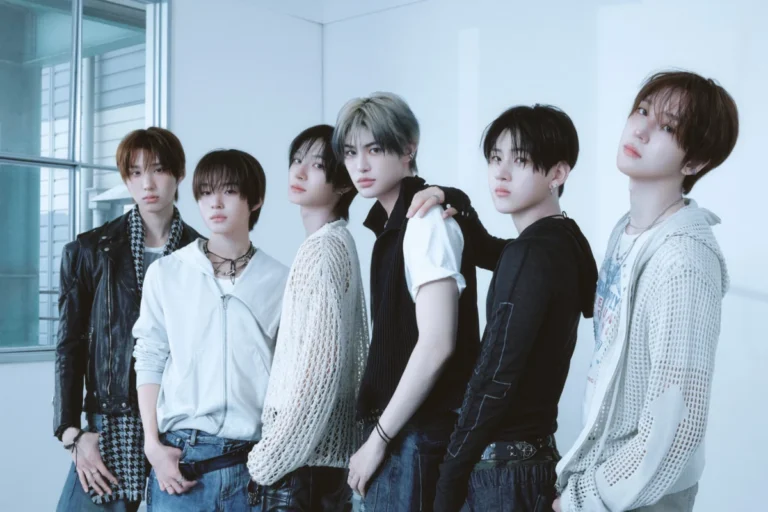
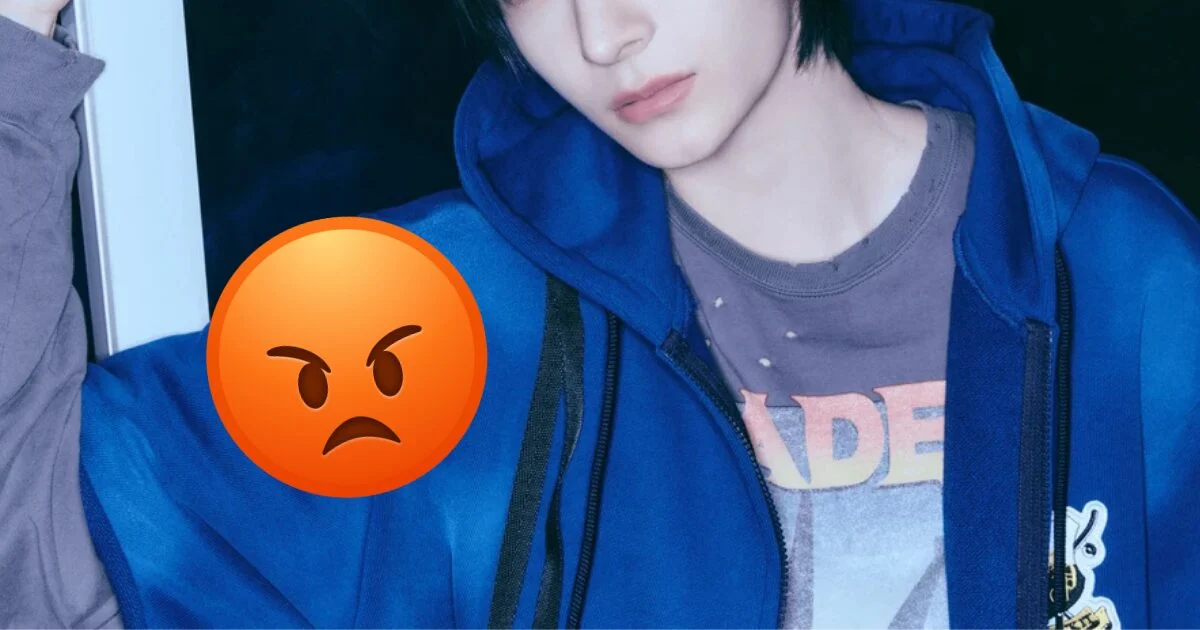
The landscape of the South Korean entertainment industry, particularly the K-pop sector, is often defined by the high standards of conduct expected of its stars. This reality was highlighted once again following a recent series of events involving Donghwa, a prominent member of the JYP Entertainment boy group KickFlip. The artist became the center of a heated online debate after footage surfaced of him operating a motorized scooter in public. While the act itself was legal and conducted with safety precautions, the resulting backlash and Donghwa’s subsequent apology have sparked a broader conversation regarding idol autonomy, fan concern, and the pressures of the "comeback" season in the music industry.
The incident began on September 19, 2026, when a video captured by a netizen began circulating on various social media platforms, most notably X (formerly Twitter). The footage depicted Donghwa riding a scooter or light motorbike through city streets during the evening hours. Accompanying him as a passenger was another individual, widely identified by fans and observers as his fellow KickFlip group mate, Juwang. Further evidence of the outing was corroborated by additional clips showing the two performers walking on a public sidewalk, dressed in the same attire seen in the riding video.
Chronology of the Controversy
The timeline of the event moved rapidly from a casual sighting to a full-scale industry talking point. On the evening of September 19, the initial video was posted by an account that frequently monitors idol activities. Within hours, the clip garnered hundreds of thousands of views, triggering an immediate divide within the KickFlip fandom, known as WeFlip.
By the morning of September 20, the discourse had shifted from mere observation to critical analysis. One faction of the fanbase expressed deep-seated anxiety regarding the timing of the ride. KickFlip is currently in the midst of preparations for a highly anticipated comeback, a period characterized by rigorous choreography rehearsals, music video shoots, and a tightly packed promotional schedule. For these fans, the inherent risks associated with operating a two-wheeled vehicle—regardless of the rider’s skill—represented an unnecessary threat to the group’s collective success.
Conversely, a second faction of the audience rose to Donghwa’s defense. This group argued that the artist is a legal adult who was seen wearing a helmet and adhering to traffic regulations. They posited that the criticism was an overreach into the personal lives of performers who deserve moments of normalcy and leisure outside of their professional obligations.
The Safety Standards and Cultural Context of K-Pop
To understand why a simple scooter ride could generate such significant friction, one must look at the historical context of the K-pop industry. Major entertainment agencies, including JYP Entertainment, often include "risk management" clauses or informal guidelines in their artist management strategies. Injuries sustained during the lead-up to a new album release can result in massive financial losses, delayed schedules, and the temporary sidelining of members, which impacts the group’s brand equity.
In South Korea, the safety of idols is frequently viewed through a communal lens. Fans often feel a sense of stewardship over an artist’s well-being, a byproduct of the parasocial relationships fostered by the industry. While this leads to immense support, it also results in high levels of scrutiny. Motorbike and scooter safety, in particular, has been a sensitive topic in the industry following several high-profile accidents involving celebrities in years past. These historical precedents often fuel the "safety-first" mentality that characterized the initial wave of criticism against Donghwa.
Donghwa’s Response via Fan Communication Platforms
In response to the growing discourse, Donghwa took to the group’s official fan chatting platform, Bubble, to address the situation directly. His messages, sent on September 20, aimed to clarify his position and de-escalate the tension within the community. In his initial communication, he confirmed that he holds a valid license to operate the vehicle, emphasizing that his actions were within the bounds of the law.
However, as the day progressed and the volume of concern from fans increased, Donghwa’s tone shifted toward a more formal apology. He acknowledged that his initial reaction might have underestimated the depth of the fans’ anxiety.
"I want to properly apologize to WeFlip, so I wanted to talk about this again," Donghwa wrote in a translated transcript of his messages. "I think I took the situation too lightly yesterday. After taking some time and reading through what WeFlip had to say, I’ve been thinking a lot. I’m sorry that I didn’t think things through more carefully from the beginning and talk about it properly."
He further committed to changing his personal habits to appease the fanbase and ensure his safety during the promotional period. "I also realized that WeFlip was much more worried about me riding a scooter than I had thought. I understand that fully now. From now on, I won’t ride scooters anymore. I promise."
The apology concluded with a reaffirmation of his dedication to the upcoming comeback, stating that he would work "as hard as possible" to show his best side to the supporters who had expressed disappointment or fear.
Polarization of Public and Fan Reaction
The apology, rather than silencing the debate, ignited a new wave of controversy. This time, the criticism was directed not at Donghwa, but at the segments of the fandom that had pressured him into such a restrictive promise. Many netizens expressed "surprise and anger" that a 20-year-old man felt compelled to apologize for a legal and mundane activity.
Critics of the apology argued that the "infantilization" of K-pop idols has reached a point where performers can no longer exercise basic personal freedoms without fear of a public relations crisis. On international forums and Korean community boards alike, commenters pointed out that Donghwa was not under the influence of alcohol, was not speeding, and was fully licensed.
"Are you guys happy now?" one viral post on X questioned. "Donghwa is apologizing for [nothing]; he is 20 years old. He is a grown man who knows how to drive." Other fans lamented that such high levels of scrutiny prevent idols from being "authentic" and force them into a mold of "perfect" behavior that is unsustainable and psychologically taxing.
Professional Implications for JYP Entertainment and KickFlip
For JYP Entertainment, the incident serves as a reminder of the delicate balancing act required in modern artist management. The agency, known for its emphasis on the "mental health" and "character" of its artists, must navigate the fine line between protecting its "assets" and allowing them the autonomy necessary to maintain their morale.
From a business perspective, the "scooter controversy" is unlikely to have a long-term negative impact on KickFlip’s commercial performance. In fact, the intense engagement surrounding the event—even if fueled by controversy—indicates a highly active and invested fanbase. However, the internal culture of the group and the relationship between the members and their fans may undergo a shift. By promising never to ride a scooter again, Donghwa has set a precedent for how he will respond to fan feedback in the future, a move that some analysts suggest could lead to further demands for "compliance" in other areas of his private life.
Broader Industry Impact and the Future of Idol Autonomy
The Donghwa incident is a microcosm of the evolving relationship between K-pop idols and their global audiences. As the genre continues to expand internationally, Western perspectives on individual liberty often clash with the more traditional, protective, and sometimes restrictive norms of the domestic Korean idol industry.
This event highlights a growing "exhaustion" among certain sectors of the public regarding "unnecessary apologies." In recent years, there has been a noticeable uptick in netizens defending idols against what they perceive as "toxic" fan entitlement. This shift suggests that while the "safety-first" culture remains strong, there is a burgeoning movement advocating for the "humanization" of K-pop stars.
As KickFlip prepares for their upcoming release, the focus will likely return to their music and performance. Nevertheless, the "nighttime ride" of September 19 will remain a significant case study in the power dynamics of the K-pop world. It serves as a stark illustration of how a simple moment of personal leisure can be transformed into a professional liability, and how the "promise" of an idol is often the only currency strong enough to settle the debts of public perception.
In the final analysis, Donghwa’s decision to retire his scooter appears to be a strategic move to preserve the harmony of the "Band-Aid" comeback era. Whether this leads to a safer environment for the artist or a more restricted one remains a subject of debate among those who follow the industry. For now, the streets of Seoul will see one less idol on a scooter, but the digital corridors of the K-pop world will continue to echo with the questions this incident has raised about the true cost of fame.