

The release of the highly anticipated Netflix period drama The Scandal has ignited a complex debate across social media platforms regarding the intersection of modern aesthetic standards and historical authenticity. While the series boasts a high-profile cast and a lavish production budget, much of the online discourse has shifted away from the narrative adaptation of its source material and toward the physical appearance of its lead actors. Specifically, actress Nana, born Im Jin Ah, has become the center of a viral controversy, with viewers claiming that her modern cosmetic enhancements—often referred to as having an "iPhone face"—severely hinder the immersive experience of a story set in Korea’s Joseon Dynasty.

The Genesis of the Controversy
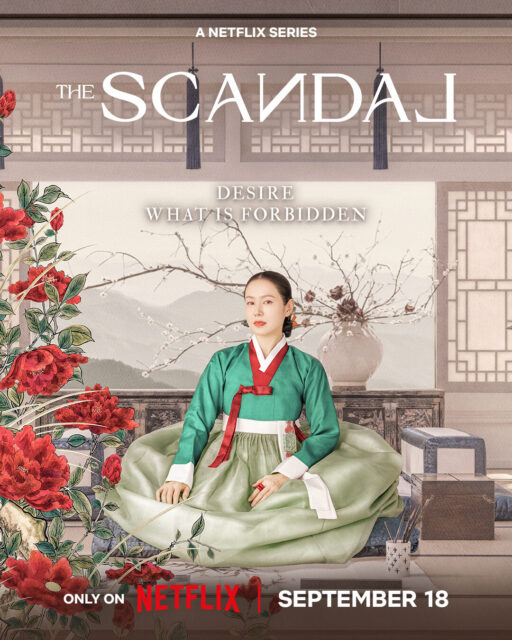
The Scandal, a Joseon-era reimagining of the classic French novel Les Liaisons dangereuses (Dangerous Liaisons) by Pierre Choderlos de Laclos, was designed to be a flagship title for Netflix’s 2026 K-Drama slate. The story explores the hedonistic and manipulative games played by the aristocracy, a theme that has been successfully adapted into various cultural contexts, including the 1988 American film Dangerous Liaisons and the 2003 South Korean film Untold Scandal.
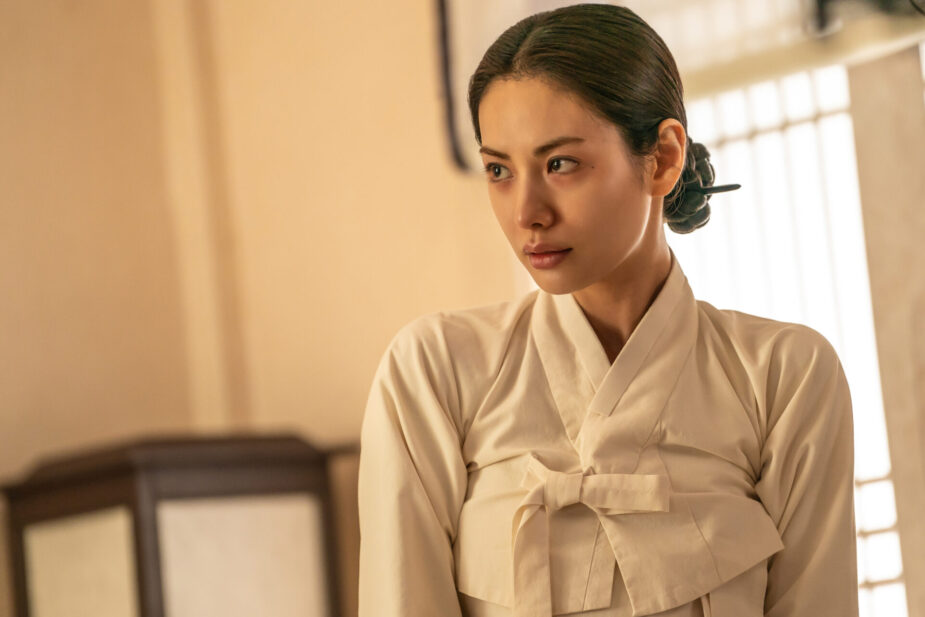
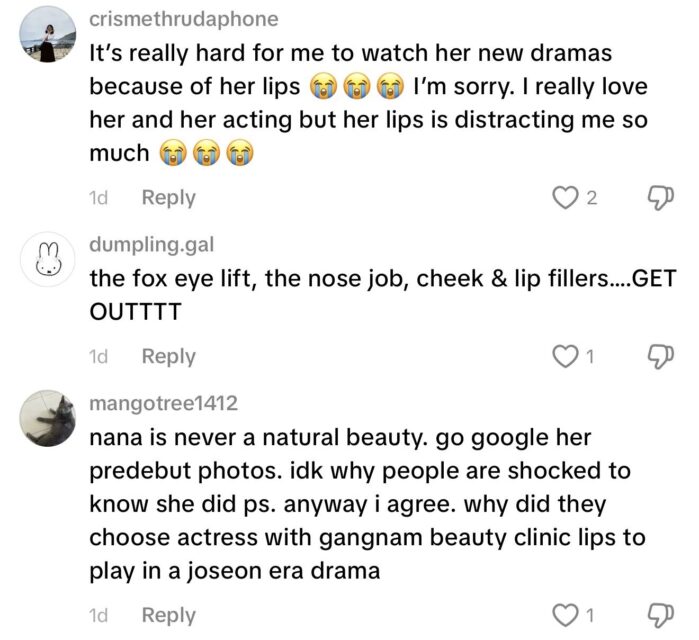
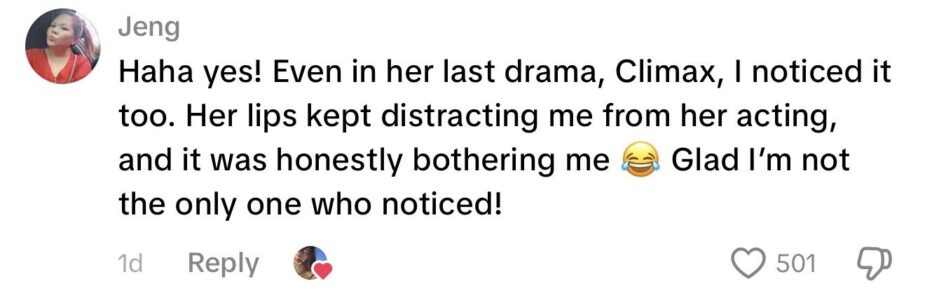
However, shortly after the series premiered, a clip of Nana’s performance began circulating on TikTok and other short-form video platforms. The video, which compiled several close-up shots of the actress in traditional hanbok, quickly garnered millions of views and thousands of comments. The primary criticism leveled against Nana involves the perceived presence of modern cosmetic procedures, specifically lip fillers and facial contouring, which many viewers argue do not align with the historical setting of the 14th to 19th centuries.

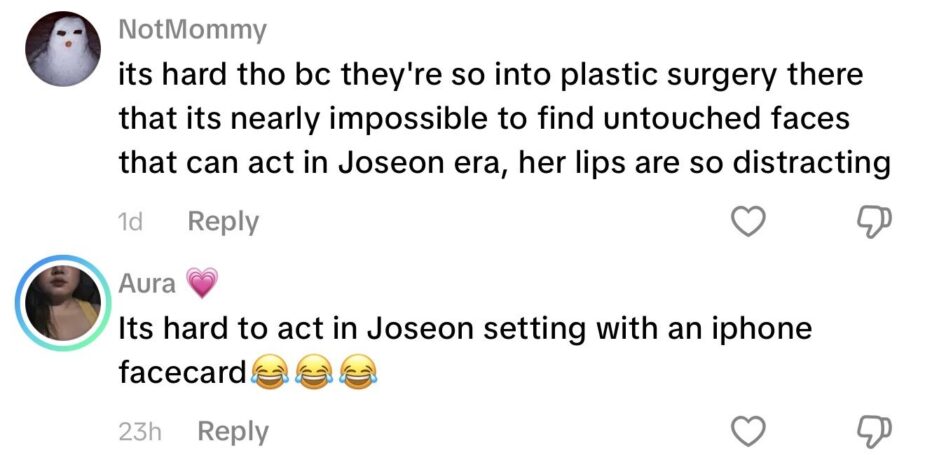
The term "iPhone face" has surfaced frequently in these discussions. It is a colloquialism used by Gen Z and Millennial audiences to describe a person whose facial features look "too modern" or "digitally optimized" for a period piece. Critics argue that when an actor possesses features that are clearly the result of 21st-century medical technology, it creates a "visual anachronism" that pulls the audience out of the historical narrative.
Narrative Background and Character Dynamics
To understand the weight of these criticisms, one must look at the roles within The Scandal. The series features Hallyu superstars Son Ye Jin and Ji Chang Wook in the primary roles. Son Ye Jin portrays Lady Cho, a powerful and manipulative noblewoman who maintains a facade of virtue while orchestrating complex social takedowns. Ji Chang Wook plays Cho Won, a skilled libertine and aristocrat who enters into a dangerous wager with Lady Cho.
Nana plays the pivotal role of a young, virtuous widow who becomes the target of Cho Won’s seduction as part of Lady Cho’s revenge plot. In the original French novel, this character (Madame de Tourvel) represents purity and the tragic consequences of a corrupted heart. Viewers have argued that the "unrecognizable" or "plastic" look attributed to Nana’s character undermines the intended contrast between her supposed innocence and the cynical world of the older aristocrats.
The "iPhone Face" Phenomenon in Period Cinema
The backlash against Nana is not an isolated incident but part of a growing trend in global film criticism. As cosmetic procedures such as fillers, Botox, and rhinoplasty become more normalized and accessible, casting directors for historical dramas face increasing difficulty.
In the context of K-Dramas, the "visual" is a significant component of the industry’s marketing. South Korea is globally recognized as a leader in cosmetic surgery, and K-pop idols—a background from which Nana emerged—are often expected to adhere to rigorous and often artificial beauty standards. However, what is considered an asset in a modern romantic comedy or a music video can become a liability in a "sageuk" (historical drama).
Film historians note that historical immersion relies on "period-appropriate aesthetics." When a character in the Joseon Dynasty appears to have perfectly symmetrical, voluminous lips and a high-definition jawline achieved through modern fillers, it clashes with the organic, often minimalist beauty standards of that era. This discrepancy, according to critics, "ruins" the suspension of disbelief required to enjoy a story set hundreds of years in the past.
Supporting Data: The Evolution of Nana’s Public Image
Nana’s career trajectory adds another layer to the public’s reaction. Originally debuting as a member of the K-pop girl group After School and its sub-unit Orange Caramel, Nana was frequently cited as one of the most beautiful women in the world. She topped TC Candler’s "100 Most Beautiful Faces" list for two consecutive years in 2014 and 2015.
As she transitioned into a serious acting career, she earned praise for her performances in The Good Wife, Into the Ring, and the Netflix hit Mask Girl. Ironically, Mask Girl dealt heavily with the themes of lookism and the societal pressure to undergo plastic surgery. Her move into The Scandal was meant to solidify her status as a versatile actress capable of handling complex period roles.

The current controversy suggests a shift in audience priorities. While viewers once celebrated "perfect" visuals, there is a growing demand for "naturalism" in high-end productions. Data from social media sentiment analysis indicates that while Nana’s acting ability is rarely questioned, her "visual fit" for the role has become a polarizing topic that overshadows her performance.
Industry Reactions and Production Challenges
Netflix and the production house behind The Scandal have not issued an official statement regarding the specific criticisms of Nana’s appearance. However, sources close to the production suggest that the casting was based on her proven acting range and her chemistry with the lead actors.

The challenge for modern productions is balancing the "star power" of popular actors with the technical requirements of a period piece. In many cases, makeup artists and cinematographers use specific lighting and traditional cosmetics to soften modern features. In The Scandal, however, some viewers feel the high-definition 4K cinematography provided by Netflix only highlighted the modern nature of the actors’ features rather than concealing them.
This has led to a broader discussion within the Korean entertainment industry about the "plastic surgery clause" in historical drama contracts. Some industry insiders suggest that for prestigious period pieces, actors should be discouraged from undergoing recent cosmetic enhancements that might alter their facial expressions or period-appropriateness.

Chronology of Audience Backlash
The timeline of the backlash suggests a rapid escalation:
- September 15, 2026: Netflix releases the first official teaser for The Scandal. While initial reactions are positive due to the star-studded cast, a small subset of the "K-Drama community" on X (formerly Twitter) begins questioning the "modern look" of the costumes and actors.
- September 20, 2026: The series premieres globally. Within hours, viewers begin posting screenshots on forums like Pann and TheQoo, focusing on Nana’s close-up scenes.
- September 21, 2026: A TikTok video titled "The Joseon Dynasty’s first lip filler" goes viral, amassing 2 million views in six hours. The comment section becomes a breeding ground for the "iPhone face" critique.
- September 22, 2026: Major K-content news outlets begin reporting on the "immersion-breaking" visuals, citing Nana’s appearance as a primary complaint among international and domestic viewers.
Broader Impact and Implications for K-Content
The controversy surrounding The Scandal reflects a maturing audience. As K-Dramas move from being a niche interest to a dominant force in global streaming, the scrutiny applied to them has reached the level of Hollywood’s "prestige TV." Audiences are no longer satisfied with just "pretty" faces; they demand a level of authenticity that honors the setting of the story.
This event may influence future casting decisions for historical epics. There is a potential for a "natural beauty" revival in the sageuk genre, where actors with more traditional or "unaltered" features are prioritized for period roles to ensure narrative integrity.
Furthermore, the "iPhone face" debate highlights a paradox in the South Korean entertainment industry. While the industry promotes a specific, often surgically enhanced beauty standard to the world, that very standard is now being criticized for limiting the artistic range of its performers in historical contexts.
Conclusion
The Scandal remains a top-performing title on Netflix due to its compelling plot and the star power of Son Ye Jin and Ji Chang Wook. However, the discourse surrounding Nana’s "unrecognizable" visuals serves as a cautionary tale for future productions. It underscores the fact that in the age of high-definition streaming, the smallest visual detail—even a slight enhancement to one’s lips—can become a significant distraction that competes with the story itself.
As the industry moves forward, the balance between modern beauty expectations and historical realism will likely become a central focus for directors, casting agents, and actors alike. For Nana, while the criticism is sharp, it also highlights the intense gaze under which modern actresses must operate, balancing the demands of a beauty-obsessed industry with the rigorous requirements of their craft.