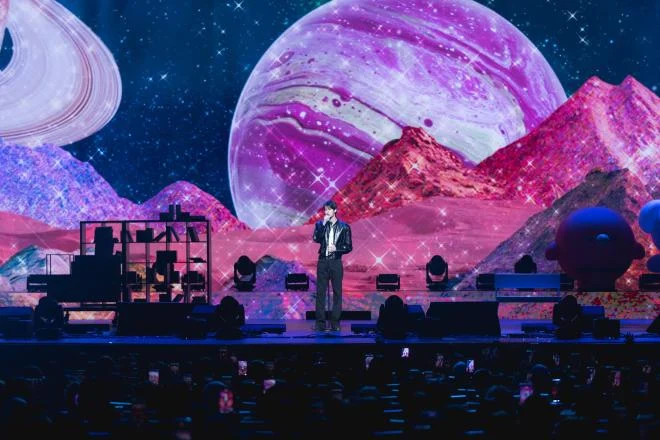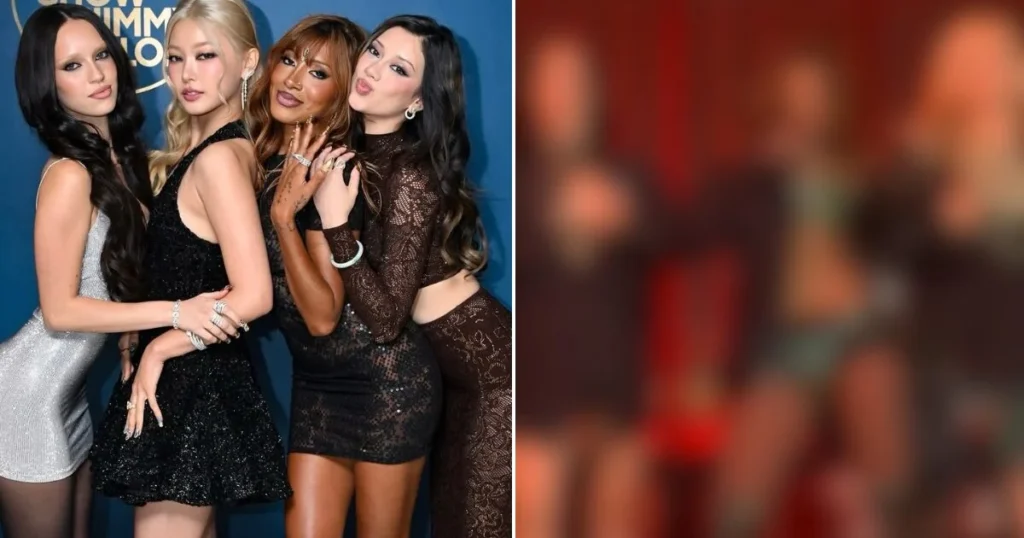
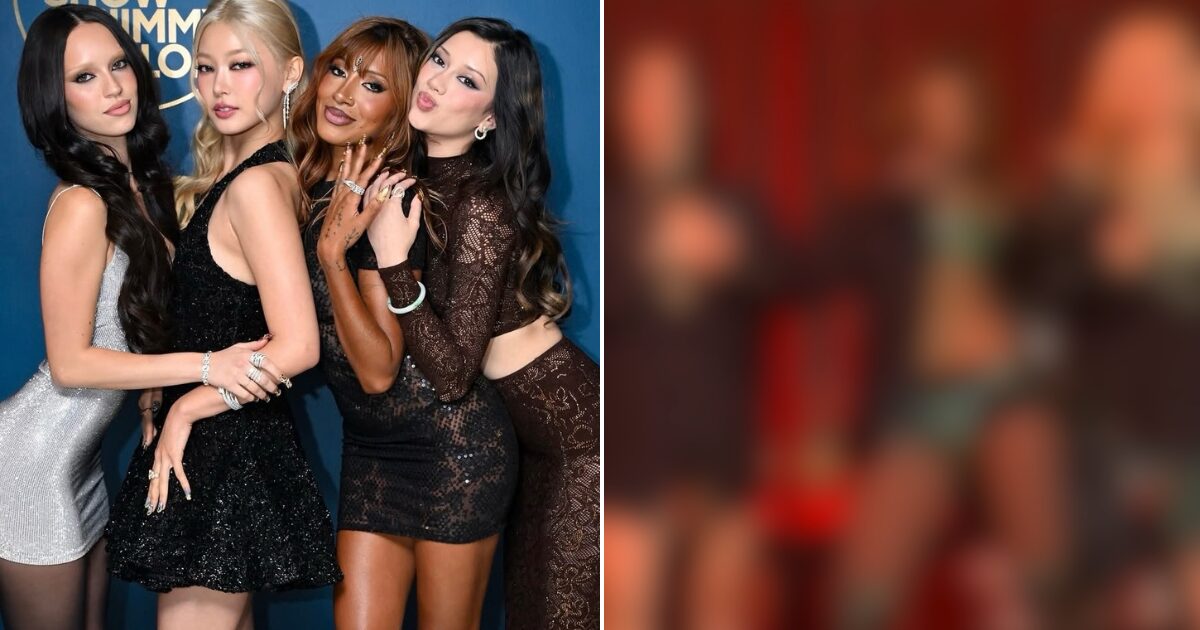
Global sensation KATSEYE has found itself embroiled in significant controversy following its recent appearance on NBC’s iconic late-night staple, Saturday Night Live. A performance clip of their track "Animal" rapidly circulated across social media platforms, igniting a firestorm of criticism ranging from concerns over the group’s styling and perceived sexualization to the noticeable absence of members Sophia and Manon, which many viewers felt diminished the overall stage presence and dynamic. The intense scrutiny underscores the formidable challenges faced by burgeoning international groups as they navigate high-profile global stages and the immediate, often unforgiving, feedback loop of digital media, especially when performing incomplete or under unexpected circumstances.
The High-Stakes SNL Debut and Immediate Fallout
The Saturday Night Live stage is widely regarded as a significant milestone for musical artists, offering unparalleled exposure to a massive, diverse audience across the United States and beyond. For KATSEYE, a group formed through the ambitious HYBE x Geffen Records collaboration, The Debut: Dream Academy, this performance on September 27, 2026, was anticipated to be a pivotal moment in their global expansion. However, the post-performance narrative quickly shifted from celebratory to critical. Within minutes of the broadcast and the subsequent sharing of performance clips, particularly from their rendition of "Animal," social media platforms like X (formerly Twitter) and TikTok became inundated with negative commentary. The core of the backlash coalesced around two primary issues: the group’s sartorial choices, which many deemed inappropriate or overly sexualized, and the perceived void left by the temporary absence of two key members, Sophia and Manon. These criticisms swiftly overshadowed any positive reception, placing the group and its management under intense public scrutiny. The speed at which the criticism proliferated highlights the power of modern digital platforms in shaping public perception in real-time.
KATSEYE’s Formation and the Weight of Global Expectations
KATSEYE emerged from The Debut: Dream Academy, an unprecedented global audition program launched by HYBE, the South Korean entertainment powerhouse behind K-pop titans BTS, and Geffen Records, a subsidiary of Universal Music Group, one of the largest record labels in the world. The project, which commenced in 2023 and culminated in the group’s formation in 2025, was conceived with the explicit aim of creating a globally oriented girl group that transcended traditional regional boundaries. The vision was to blend the rigorous training, artistic excellence, and meticulous production values synonymous with K-pop with the expansive marketing reach and cultural resonance of the American music industry.
The six members – Manon, Sophia, Daniela, Lara, Megan, and Yoonchae – were meticulously selected from a diverse pool of contestants spanning numerous countries, each bringing unique talents, linguistic abilities, and cultural backgrounds to the ensemble. Their formation was met with considerable anticipation, as industry observers and fans alike eagerly awaited the debut of a group poised to redefine the landscape of global pop. The group’s initial releases and promotional activities were met with a mix of curiosity and support, establishing a foundation for what many hoped would be a meteoric rise. This high-profile origin story inherently placed immense pressure on KATSEYE to consistently deliver exceptional performances, especially on platforms as prominent and culturally significant as Saturday Night Live. The stakes were exceptionally high for their first major network television appearance in the U.S.
The Impact of Member Hiatus: Sophia and Manon’s Absence

A significant dimension of the recent backlash stems directly from the fact that KATSEYE performed as a four-member unit, with Sophia and Manon notably absent. While the official reasons for their hiatus have not been extensively detailed by their management, their absence was keenly felt by both fans and critics. Sophia, often recognized for her powerful vocal capabilities, captivating stage presence, and strong leadership qualities, and Manon, frequently lauded for her distinctive charisma, unique vocal color, and sharp dance skills, are integral components of KATSEYE’s overall group dynamic. Their contributions to vocal harmonies, choreographic synchronization, and visual impact are substantial, creating a specific synergy that fans have come to appreciate.
The original article’s opening quote, "Without Manon and Sophia…", succinctly captures the sentiment expressed by a significant portion of the audience. Many viewers articulated that the performance of "Animal" lacked the expected energy, vocal depth, and synchronized completeness that a full six-member lineup would typically deliver. Social media comments frequently highlighted gaps in the formation, perceived unevenness in vocal distribution, and a general sense that the stage felt "empty" despite the efforts of the four performing members. For a group still in its formative stages, establishing a cohesive and impactful image is crucial, and performing incomplete on a major television broadcast can inevitably lead to questions about group synergy and overall preparedness. This situation highlights the delicate balance agencies must strike when managing member absences, particularly when high-stakes promotional activities are involved, as fan expectations for a complete group experience are often paramount.
Chronology of Events Leading to the Backlash
- Mid-2025: KATSEYE officially debuts following the conclusion of The Debut: Dream Academy, immediately garnering international attention due to the HYBE x Geffen partnership.
- Late 2025 – Early 2026: The group releases initial singles and engages in various promotional activities, building their fanbase and establishing their musical identity. Fan anticipation for major global appearances grows steadily.
- Summer 2026: HYBE x Geffen Records announces KATSEYE’s participation in various upcoming promotional activities, including a highly anticipated appearance on Saturday Night Live, generating considerable buzz within the global music community.
- Early September 2026: Speculation begins regarding the health or availability of certain members as promotional materials and teasers for upcoming schedules feature only four members, hinting at the temporary hiatus of Sophia and Manon. Official statements regarding their absence are minimal, often citing "health reasons" or "personal matters," leaving room for fan concern and speculation.
- September 27, 2026, Evening (ET): KATSEYE takes the stage on Saturday Night Live, performing their track "Animal" as a four-member unit. The performance is broadcast live across the United States and internationally, reaching millions of viewers.
- September 27, 2026, Late Night/Early Morning (September 28, ET): Clips of the "Animal" performance begin to circulate rapidly on social media platforms like TikTok, X, and Instagram. Initial reactions emerge, with a notable segment of viewers expressing disappointment or concern regarding the styling and the incomplete lineup.
- September 28, 2026, Morning: The backlash intensifies as more clips and critical comments gain traction. Hashtags related to KATSEYE’s SNL performance trend globally, with discussions dominated by critiques of the styling and the perceived impact of Sophia and Manon’s absence. Mainstream K-pop news outlets, including Koreaboo, begin to report on the burgeoning controversy, highlighting the "brutal backlash" within minutes of their publication.
- Ongoing: The debate continues across fan communities and general public forums, prompting broader discussions about industry practices, idol welfare, and artistic presentation, particularly for global groups navigating multiple cultural expectations.
Critiques of Styling and Perceived Sexualization
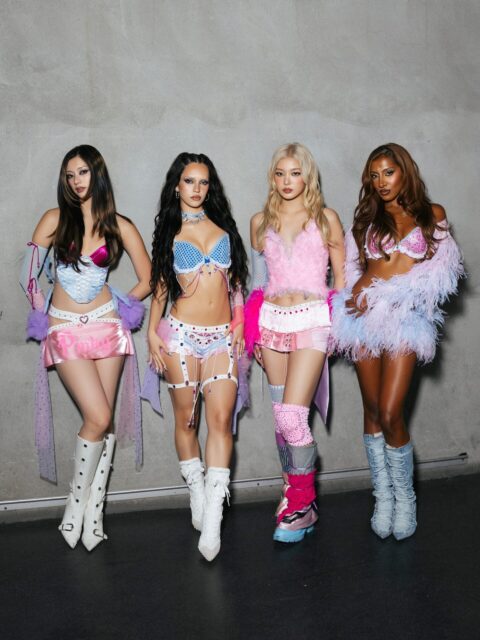
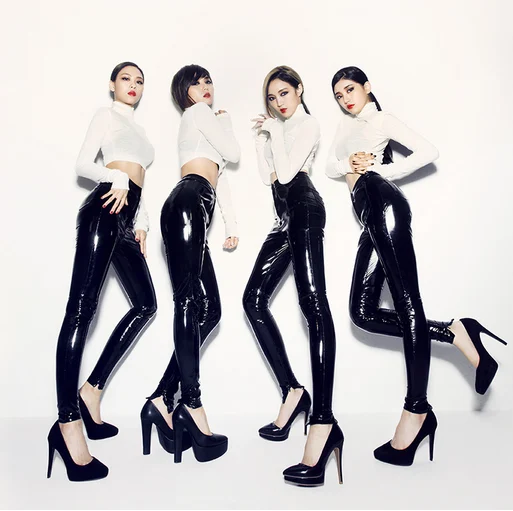
Beyond the issue of member absence, a substantial portion of the backlash focused on the group’s styling for the "Animal" performance. While specific details of the outfits were not explicitly detailed in the initial reports, the widespread criticism suggests that the attire was perceived by many as overly mature, overtly sexualized, or simply inappropriate for the group’s current image, especially considering the broad demographic reach of Saturday Night Live. Comments frequently highlighted a disconnect between the perceived youthful image of a newly debuted global girl group and the more provocative aesthetic presented on stage. Critics argued that the styling choices were either inconsistent with a more empowering or sophisticated concept, or simply a misstep in aesthetic judgment that detracted from the performance’s artistic merit and the members’ individual appeals.
This criticism taps into a long-standing and often contentious debate within the K-pop industry and the broader entertainment landscape concerning the sexualization of female idols, particularly those who are relatively young or newly debuted. Agencies are frequently scrutinized for the creative direction and visual concepts they impose on groups. The online discourse surrounding KATSEYE’s SNL performance reflected concerns that such styling could misrepresent the group’s intended message or appeal, potentially alienating certain segments of their global fanbase who expect a different kind of artistic presentation from groups originating from the HYBE ecosystem, known for its emphasis on artistic integrity and empowering concepts. The swift and strong reaction indicates a heightened sensitivity among audiences regarding these issues, reflecting a growing demand for thoughtful and appropriate artistic representation in the global entertainment sphere.
Lack of Official Response and Diverse Fan Reactions
As of the immediate aftermath of the performance and the onset of the backlash, neither KATSEYE nor their joint management (HYBE and Geffen Records) had issued an official statement directly addressing the criticisms. This silence, while common in the initial stages of a controversy as agencies formulate a response, often fuels further speculation and can intensify fan dissatisfaction. In the absence of direct communication, online communities become primary arenas for debate, with various factions emerging and consolidating their views.
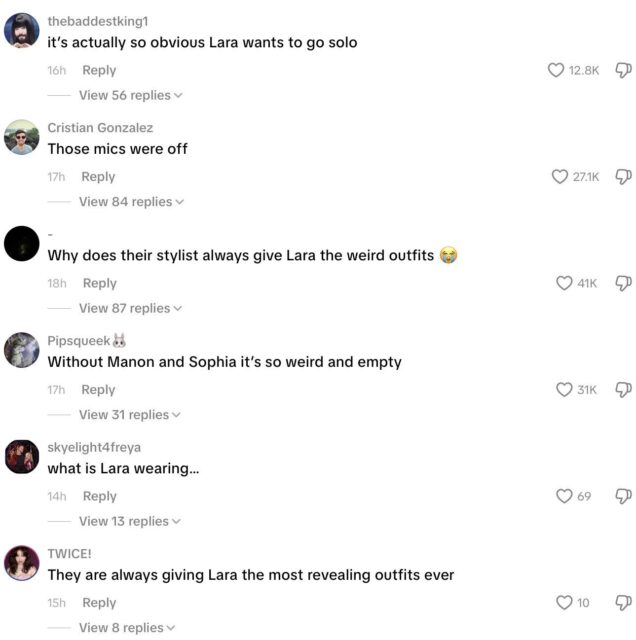
On one side, a vocal segment of fans echoed the criticisms, expressing profound disappointment and concern for the group’s artistic direction and the welfare of its members. These "critics" often articulated a desire for the agency to protect the members, re-evaluate styling choices, and provide transparent, empathetic updates regarding Sophia and Manon’s hiatus. They emphasized the importance of a complete group dynamic for major performances. On the other side, a contingent of "defenders" rallied to support the performing members, acknowledging the inherent difficulty and pressure of performing incomplete on such a high-profile stage. These supporters emphasized the members’ hard work, professionalism, and the challenges they face, urging others to focus on their talent and dedication rather than external factors or incomplete lineups. A third group of more neutral observers engaged in analytical discussions, dissecting the performance from technical standpoints, debating vocal stability, choreography execution, and overall stage presence, attempting to separate the artistic output from the surrounding controversies. The dynamic interplay of these fan reactions underscores the complexity of modern fandom and the immense power of collective online sentiment to shape perceptions and demand accountability.
Broader Implications for KATSEYE and the Global Pop Landscape
The controversy surrounding KATSEYE’s Saturday Night Live performance carries significant implications for the group’s nascent career and offers broader lessons for the global pop industry. For KATSEYE, this incident marks a critical juncture. The intense scrutiny on a global platform, while offering immense visibility, also presents the risk of shaping their public image early on. How the group and its management respond to this feedback, whether through direct statements, adjustments in future concepts, or strategic communications, will be crucial in defining their trajectory. The incident highlights the unique challenges faced by groups formed with a global vision: they must appeal to diverse cultural sensitivities while maintaining artistic integrity and a consistent brand image. Missteps on such a grand stage can have lasting repercussions on public perception and fan loyalty.
Furthermore, this event contributes to the ongoing dialogue about agency responsibilities in the K-pop and global pop spheres. It reiterates the importance of careful consideration in styling, concept development, and managing member health and availability, especially when artists are thrust into the global spotlight. The swift and powerful nature of the social media backlash serves as a potent reminder of the immediate impact of public opinion in the digital age. For emerging artists, every high-profile appearance is a double-edged sword: an opportunity for unparalleled exposure, but also a crucible for public judgment. The incident with KATSEYE on Saturday Night Live will undoubtedly be analyzed by industry professionals as a case study in navigating the complexities of global debuts and managing public perception in an increasingly interconnected and opinionated world. The future will reveal how KATSEYE adapts and evolves in the wake of this challenging, yet defining, moment, and how their management addresses the concerns of a highly engaged global audience.