
The global ascent of South Korean popular music, commonly known as K-pop, has transformed from a regional cultural export into a multi-billion-dollar international phenomenon. Central to this expansion is the unique and often intense trajectory of the individual fan experience. While every listener’s entry point into the community is distinct, sociological observations and fan-reported data suggest a remarkably consistent progression of stages that define the journey from a casual observer to a deeply embedded member of a fandom. This evolution is characterized by specific psychological shifts, behavioral changes, and varying levels of social integration that reflect the sophisticated marketing and community-building strategies employed by the South Korean entertainment industry.
The Hallyu Wave and the Context of Global Consumption
To understand the stages of fandom, one must first consider the broader context of the "Hallyu" or Korean Wave. According to data from the Korea Foundation, the number of global Hallyu fans surpassed 178 million in 2022, marking a significant increase from previous years. This growth is fueled by a digital-first distribution model that prioritizes accessibility through platforms like YouTube, TikTok, and specialized fan applications such as Weverse and Bubble. The stages of fandom are not merely personal milestones but are increasingly viewed by industry analysts as a structured consumer lifecycle designed to maximize long-term engagement and financial investment.
Phase I: Initial Exposure and Sensory Overload
The introductory stage of K-pop fandom often begins with an accidental or algorithmic encounter with a music video. For individuals residing in regions where Western musical norms dominate, the first impression of K-pop is frequently one of "sensory overload." The genre is noted for its high-production-value visuals, including neon-saturated sets, gender-fluid fashion, and a level of choreographic precision rarely seen in other markets.
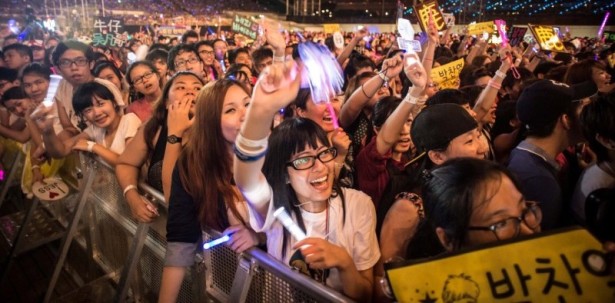
From a journalistic perspective, this stage is defined by cognitive dissonance. Newcomers may find the aesthetic "gimmicky" or "over-produced." Initial reactions often range from confusion to mild dismissal. In some cases, established fans of one group may view a new rising group with skepticism. For example, during the mid-2010s, the emergence of groups like BTS was occasionally met with comparisons to existing acts like B.A.P, leading to defensive posturing among different factions of the community. This initial resistance is a common psychological barrier before the "investigative" phase begins.
Phase II: The Investigative Search and Digital Immersion
The transition from a casual observer to an interested listener typically occurs through a "nagging curiosity." A specific melody or a visually arresting performance remains in the observer’s memory, prompting a tentative search for more information. Industry data suggests that YouTube’s recommendation algorithm plays a pivotal role here; once a user engages with a single K-pop video, the platform provides a steady stream of related content, including "behind-the-scenes" footage, variety show appearances, and fan-edited compilations.
During this stage, the potential fan discovers that the industry offers more than just music. They are introduced to the "idol system," where the personalities and interpersonal dynamics of group members are as curated and marketed as the songs themselves. This discovery often leads to an "hour-long browsing session" that signals the end of casual observation and the beginning of active participation.
Phase III: The Obsessive Stage and the Development of Parasocial Ties
The third phase is characterized by a rapid descent into high-involvement fandom. This is the point where the consumer begins to differentiate between individual members of a group, leading to the selection of a "bias" (a favorite member) and an "ultimate bias" (a favorite across the entire genre).

This stage involves significant behavioral changes:
- Information Saturation: The fan begins monitoring social media platforms like Twitter (now X) and Instagram for real-time updates.
- Social Proselytization: Fans often attempt to introduce their social circles to the genre, leading to "MV-watching marathons" with friends and family.
- Emotional Investment: The fan develops strong parasocial relationships, where they feel a personal connection to the idol’s successes and failures.
Sociologists point out that this stage is where "affective labor" becomes prominent. Fans are no longer just consumers; they become unpaid marketers, voting in award shows, streaming music to boost chart positions, and defending their favorite artists against online criticism.
Phase IV: Cognitive Dissonance and the Denial of Functional Impairment
As the obsession deepens, many fans enter a period of denial regarding the impact of their hobby on their daily lives. The "addiction" metaphor is frequently used within the community to describe the compulsion to stay updated 24/7. In this phase, the fan may prioritize digital interactions and content consumption over traditional responsibilities.
A hallmark of this stage is the repetitive consumption of content—such as listening to a single track like SHINee’s "Ring Ding Dong" hundreds of times—while ignoring external concerns about the time and emotional energy being expended. The denial stage is supported by the "echo chamber" effect of online fandoms, where high-intensity devotion is normalized and encouraged by the collective.

Phase V: The Acknowledgement of Fandom Burnout
Eventually, the high-intensity lifestyle of a diehard fan leads to a "slump" or period of exhaustion. This acknowledgement stage is often triggered by external pressures, such as declining academic performance, professional setbacks, or strained personal relationships.
The fan is forced to confront the reality of their situation:
- Physical exhaustion from following late-night livestreams across different time zones.
- Financial strain from purchasing multiple album versions, concert tickets, and merchandise.
- Emotional fatigue from "fanwars" (conflicts between rival fandoms) or negative news regarding their favorite idols.
At this juncture, many fans announce a "semi-hiatus," a term borrowed from the idols themselves, to retreat from the digital community and focus on their "real-world" lives.
Phase VI: Rehabilitation and the Attempt at Normalcy
Rehabilitation involves a conscious effort to break the cycle of constant digital monitoring. Fans in this stage attempt to return to a regular sleeping schedule and re-engage with other interests or musical genres. The goal is to prove that one can function without knowing the specific hair color or daily menu of a celebrity thousands of miles away. Success in this stage is measured by the ability to hold a conversation without referencing K-pop trivia or industry news.

Phase VII: The Relapse and the Cycle of Devotion
Despite the efforts of the rehabilitation stage, a significant portion of fans experience a "relapse." The catalyst is often a "comeback"—the release of new music and content by a favorite group. The feeling of missing out on a major milestone, such as a "Daesang" (Grand Prize) win at an award show, can trigger a sense of guilt. This guilt often drives the fan back into the community with even greater intensity than before, as they attempt to "compensate" for the time they were away.
Long-term Outcomes: The Balanced Path vs. Renouncement
The evolution of a K-pop fan generally concludes in one of two ways:
The Balanced Stage: Sustainable Consumption
For many, the final stage is a healthy integration of K-pop into their adult identity. They achieve a "yin and yang" balance where they enjoy the music and content within set boundaries. These fans may still attend concerts or buy albums, but they no longer allow the fandom to dictate their emotional well-being or daily schedule. They have moved from "obsessive" to "enthusiastic" consumers.
The Renouncement: Natural Attrition
Conversely, some fans undergo a complete renouncement. This often occurs as fans age or as their life circumstances change. The "void" that K-pop filled may be replaced by career goals, family, or other hobbies. In some cases, renouncement is the result of "fandom trauma," such as a favorite member leaving a group or a major scandal that shatters the idol’s curated image. For these individuals, K-pop becomes a nostalgic memory of a specific life chapter rather than a permanent interest.

Industry Implications and Broader Impact
The structured nature of these fandom stages is not accidental. Major entertainment agencies like SM Entertainment, HYBE, and JYP Entertainment have mastered the art of "engagement loops." By providing a constant stream of content that appeals to different emotional needs—ranging from the thrill of a new discovery to the comfort of a parasocial friendship—the industry ensures a steady flow of revenue.
The broader impact of this fandom lifecycle is evident in the global music industry’s shift toward high-engagement models. Western artists are increasingly adopting K-pop strategies, such as collectible physical albums and direct-to-fan messaging apps, to cultivate the same level of devotion.
In conclusion, the journey through the stages of K-pop fandom is a complex psychological and social process. While it can lead to periods of imbalance, it also fosters global communities and provides a unique form of cultural exchange. Whether a fan reaches a state of balance or eventually moves on, the experience leaves a lasting mark on their digital and social identity, reflecting the profound power of the modern Hallyu wave.