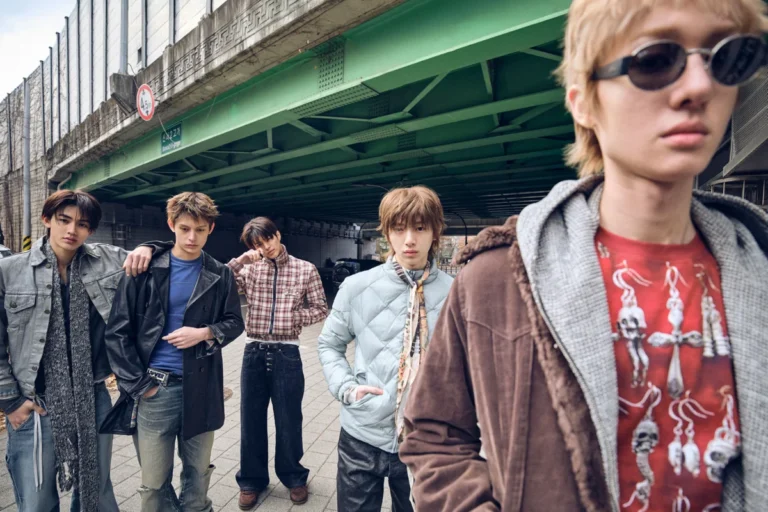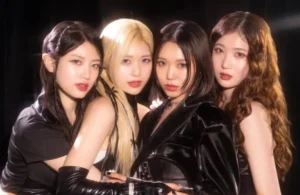
A high-profile cultural event featuring the prominent fourth-generation K-pop group Stray Kids has inadvertently sparked a significant national debate regarding South Korea’s mandatory military service exemptions. The controversy emerged following a performance by the group in Mexico City, which was intended to celebrate diplomatic relations between South Korea and Mexico. While the event was initially hailed as a success for Korean soft power, it quickly pivoted into a polarized discussion on social media when fans of the group began publicly petitioning the South Korean President for military exemptions on behalf of the members.
The discourse has intensified due to the historical context of similar debates surrounding BTS, the global icons who ultimately enlisted despite years of legislative deliberation regarding their potential exemption. For many South Korean citizens, the request for Stray Kids’ exemption is seen as a premature and contentious demand that challenges the principle of national equity.
The Catalyst: A Presidential Commendation and Fan Response
The current controversy began in late September 2026, following a celebratory performance by Stray Kids in Mexico. The event, which highlighted the "Great Power of K-pop" in promoting South Korean culture on the global stage, was acknowledged by President Lee Jae Myung. Taking to the social media platform X (formerly Twitter), the President shared a video of the performance, expressing his appreciation for the group’s role in elevating the nation’s cultural prestige. His post emphasized the importance of the Korea-Mexico summit and credited JYP Entertainment’s Chairman, Bang Si-hyuk, for the cultural coordination.
However, the tone of the interaction shifted when the comment section of the President’s post was flooded with requests from "STAY" (the Stray Kids’ fanbase). Many fans, both domestic and international, utilized the high-visibility platform to lobby for military exemptions for the group’s South Korean members. Comments ranging from "Military exemption, please" to more emphatic demands like "MILITARY EXEMPTION!!!!" quickly went viral.
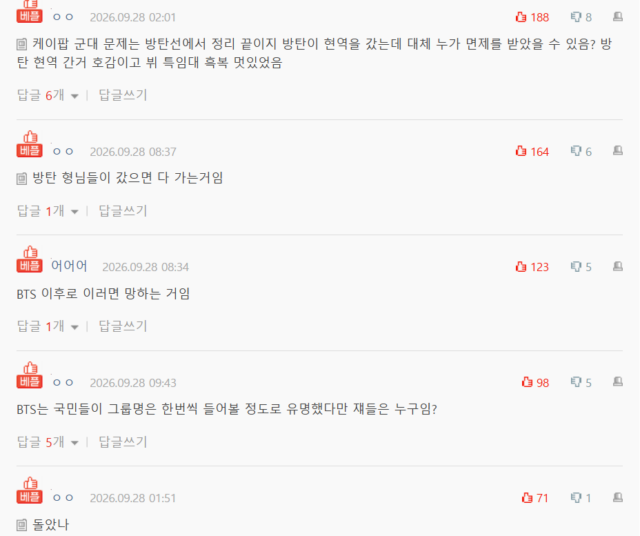
While fan enthusiasm is common in the K-pop industry, the direct appeal to the Head of State on a matter of national security and civic duty was viewed by many as a step too far. The requests were soon captured and shared on popular Korean online communities, including Nate Pann, where they met with a wave of domestic backlash.
The Shadow of the BTS Precedent
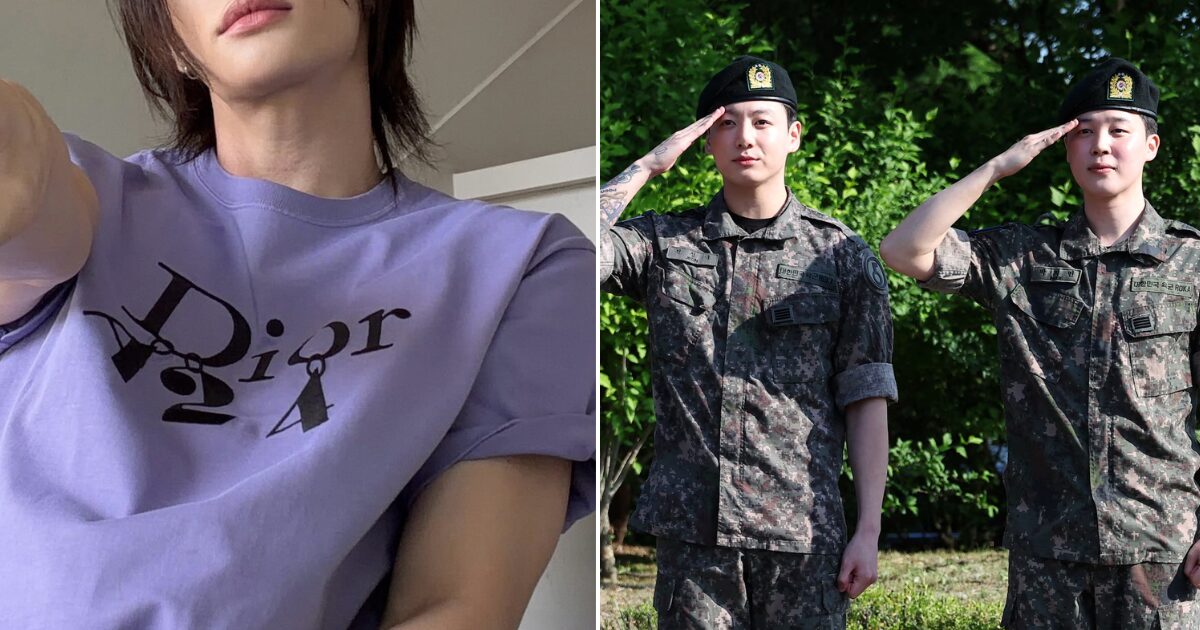
To understand the intensity of the current backlash, one must look back at the multi-year saga involving BTS and the South Korean Ministry of National Defense. Between 2018 and 2022, the question of whether BTS should be granted an alternative service option was a frequent topic of discussion in the National Assembly.
Proponents of an exemption for BTS argued that the group’s economic contribution—estimated by the Hyundai Research Institute to be worth billions of dollars annually—and their role in spreading Korean culture justified a waiver similar to those granted to Olympic athletes and award-winning classical musicians. Despite their unprecedented achievements, including multiple Billboard Hot 100 number ones and Grammy nominations, the South Korean government remained deadlocked on the issue.
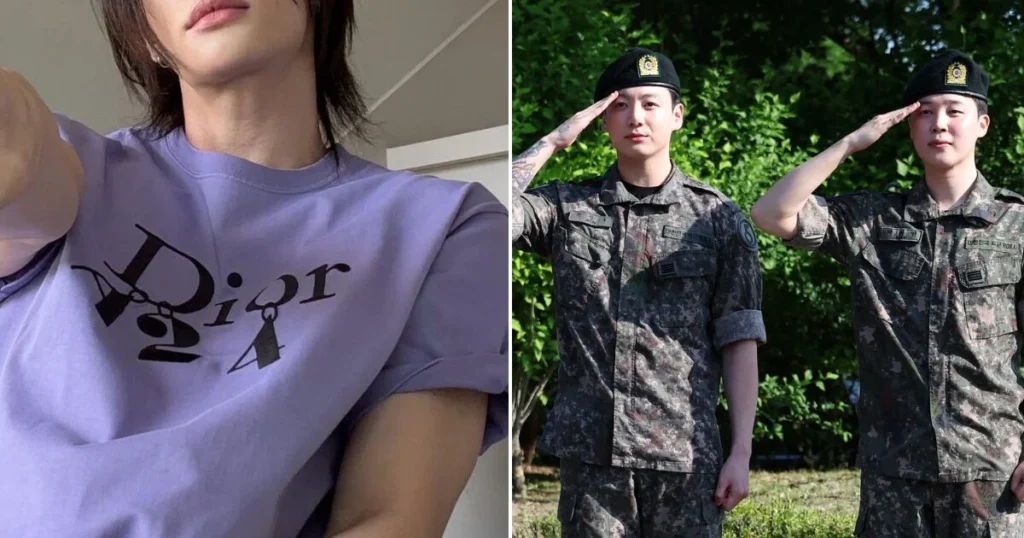
The debate eventually concluded in late 2022 when BTS announced they would fulfill their mandatory service, beginning with the eldest member, Jin. This decision was seen as a major statement on the importance of "fairness" in a society where military service is a rite of passage and a strictly enforced civic obligation for all able-bodied men.
Critics of the recent Stray Kids’ fan requests point to this precedent as a primary reason for their anger. The prevailing sentiment among K-netizens is that if BTS, who achieved "national treasure" status, were required to serve, it is inappropriate for fans of a younger group to suggest exemptions. Some netizens argued that Stray Kids, while undeniably successful, have not yet reached the same level of domestic recognition or cultural impact required to even enter the conversation regarding exemptions.
South Korea’s Legal Framework for Military Exemptions
Under the current South Korean Military Service Act, all able-bodied men must enlist for approximately 18 to 21 months of service by the time they reach the age of 28. There are specific provisions for "Art and Sports Personnel" who have enhanced national prestige. These exemptions typically apply to:
- Olympic medalists.
- Gold medalists at the Asian Games.
- Winners of specific, high-ranking international classical music or dance competitions.
Notably, the law does not currently include provisions for "pop culture artists." Although a 2020 amendment—often referred to as the "BTS Law"—allowed top K-pop stars to postpone their service until the age of 30 if recommended by the Ministry of Culture, Sports, and Tourism, it did not provide a path to full exemption.

The push by Stray Kids’ fans for an exemption is legally groundless under the current statutes. Legislative attempts to expand the exemption criteria to include K-pop idols have consistently faced public opposition. A 2022 poll by the Ministry of National Defense showed that while a majority of the public appreciated K-pop’s cultural value, they remained wary of expanding exemptions, fearing it would create a "privileged class" and undermine the integrity of the conscription system.
Domestic Backlash and the "Fairness" Doctrine
The reaction on Nate Pann and other domestic forums reflects a deep-seated societal value in South Korea: the "Fairness Doctrine." For the "MZ Generation" (Millennials and Gen Z), who face high competition in education and the job market, military service is one of the few areas where equality is expected to be absolute.
Netizens criticizing the fans’ requests often used harsh language to describe the perceived entitlement. Some comments pointed out that Stray Kids’ popularity is significantly higher internationally than domestically, leading to the argument that their "contribution to national prestige" is viewed differently by the Korean public than by global fans.
"Even BTS went to the military. Who do these fans think they are asking for an exemption for a fourth-gen group?" one top-rated comment read. Another user noted, "Using the President’s official account to beg for exemptions is embarrassing for the group and the country."
This domestic-international divide is a recurring theme in K-pop controversies. While international fans often view military service as an obstacle to a group’s global momentum, domestic fans and the general public view it through the lens of national security and social responsibility.
Stray Kids’ Global Standing and Cultural Impact
Despite the controversy, it is important to acknowledge the objective success Stray Kids has achieved, which forms the basis for their fans’ arguments. Since their debut under JYP Entertainment in 2018, the group has become a titan of the fourth generation of K-pop.
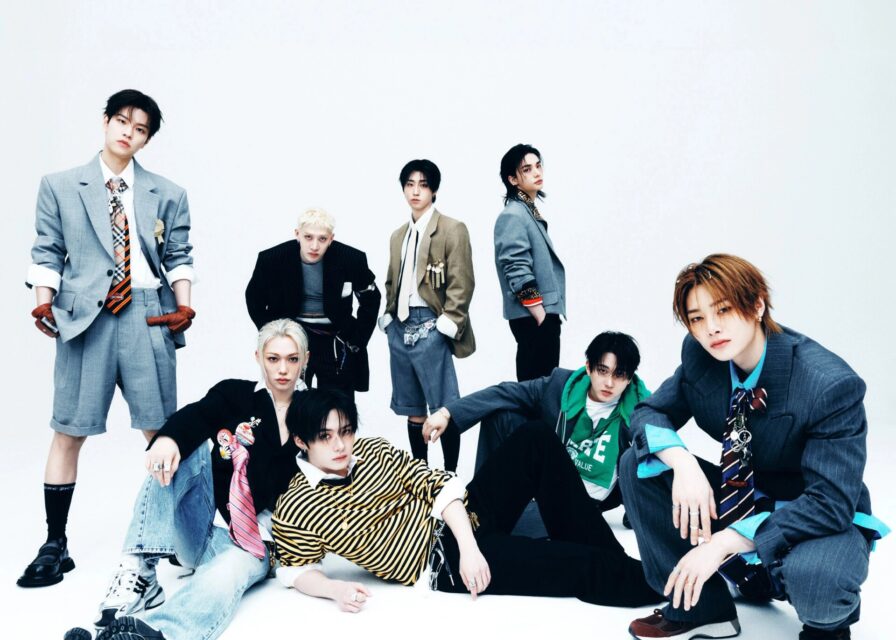
As of 2024, Stray Kids has secured multiple consecutive number-one albums on the Billboard 200, a feat matched only by a handful of artists globally. Their 2023 "5-STAR" album and 2024 "ATE" EP solidified their status as a major export for the Korean music industry. Furthermore, their headlining performances at major festivals like Lollapalooza in Chicago and Paris have showcased their ability to command massive international audiences.
From an economic perspective, Stray Kids contributes significantly to JYP Entertainment’s revenue and, by extension, the Korean economy through tourism, merchandise, and global streaming. However, in the eyes of the South Korean government and the public, economic success alone has never been the sole criterion for military exemption. The "Art and Sports" exemption is specifically designed for those who win "objective" international competitions, a category that popular music—which is market-driven—does not easily fit into.
Broader Implications for the K-pop Industry
The Stray Kids controversy highlights the ongoing "enlistment anxiety" within the K-pop industry. For entertainment agencies, the 18-to-24-month hiatus required for military service represents a significant risk to a group’s career trajectory. While groups like BTS and EXO have successfully navigated this period by focusing on solo activities and unit debuts, the fear remains that a group might lose its "prime" years to conscription.
This incident may also serve as a cautionary tale for fanbases. Aggressive lobbying for exemptions can often result in a "backfire effect," where the group receives negative press and public scrutiny that outweighs the intended support. For Stray Kids, who have worked hard to build a reputation for "self-producing" and authenticity, being associated with a "privilege" controversy could potentially alienate domestic listeners.
Furthermore, this situation puts political figures in a difficult position. When leaders like President Lee Jae Myung praise K-pop groups, they are celebrating cultural success, but the resulting fan pressure for policy changes (like exemptions) can turn a moment of national pride into a political liability.
Conclusion: The Path Forward
As of now, neither JYP Entertainment nor the members of Stray Kids have commented on the fan-led petition for exemption. Historically, agencies tend to distance themselves from such debates, often stating that the members are willing and ready to fulfill their national duties when the time comes.
The controversy serves as a reminder that as K-pop continues to grow as a global phenomenon, the friction between its international reach and its domestic roots will persist. While fans worldwide may see the military service requirement as an outdated hindrance to their favorite artists’ careers, for South Koreans, it remains a fundamental element of the social contract.
For Stray Kids, the path forward likely involves a continued focus on their global activities until the inevitable call to service. If the precedent set by their predecessors holds true, the group will likely use the coming years to solidify their legacy, ensuring that their brand remains strong enough to survive the temporary hiatus that all South Korean male idols must eventually face. The debate over exemptions may continue in the halls of the National Assembly, but for now, the message from the public is clear: cultural prestige does not exempt one from the duties of citizenship.