president
Culture
Analysis of Girl’s Day Female President and the Socio-Political Climate of South Korea
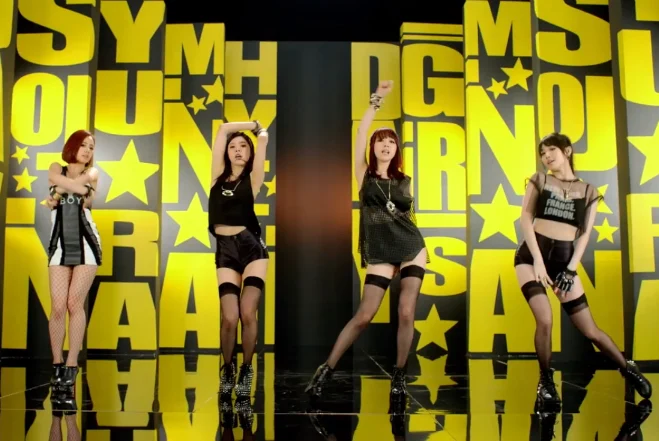
The intersection of popular culture and national politics reached a unique zenith in South Korea during the first half of 2013, as the K-pop industry sought to capitalize on the historic election of Park Geun-hye. Following the December 2012 presidential election, in which Park Geun-hye of the conservative New Frontier Party (Saenuri Party) secured a ... Read more
August 19, 2026
Culture
Girl’s Day Female President and the Sociopolitical Implications of South Korea’s First Woman in the Blue House
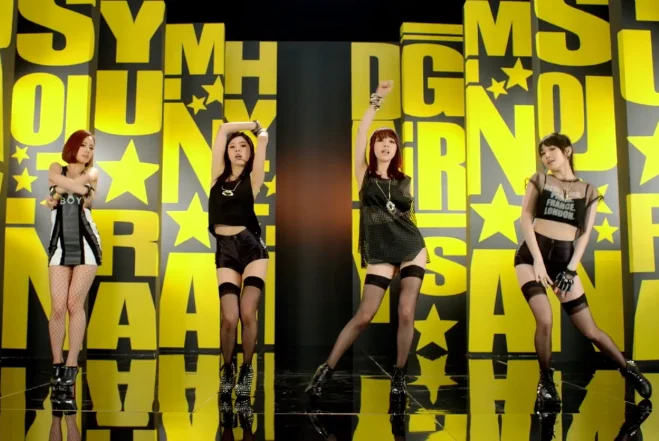
The transition of power in South Korea between late 2012 and mid-2013 marked a significant juncture in the nation’s democratic history, characterized by the inauguration of Park Geun-hye as the first female president of the Republic of Korea. Representing the conservative Saenuri Party, Park’s narrow victory in the December 2012 election was framed by many ... Read more
August 3, 2026
Culture
Girl’s Day and the Paradox of Empowerment: Analyzing the Cultural Impact of Female President in the Era of Park Geun-hye
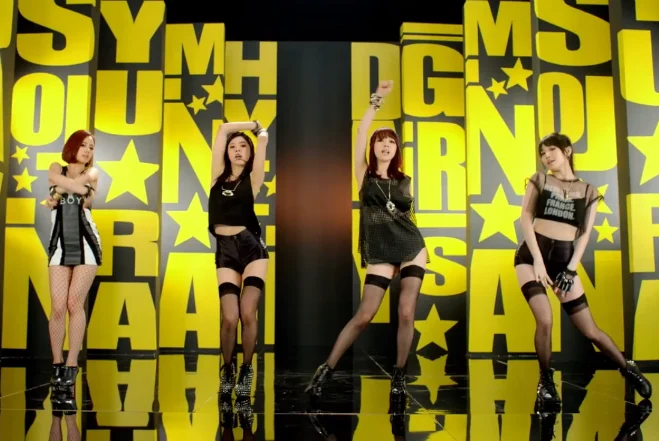
The release of the single Female President by the K-pop group Girl’s Day in June 2013 marked a significant moment in the intersection of South Korean popular culture and national politics. Following the historic election of Park Geun-hye as the nation’s first female head of state, the entertainment industry sought to capitalize on a burgeoning ... Read more
July 20, 2026
Culture
Girl’s Day’s Female President and the Intersection of K-pop Politics and Gender Rights in South Korea
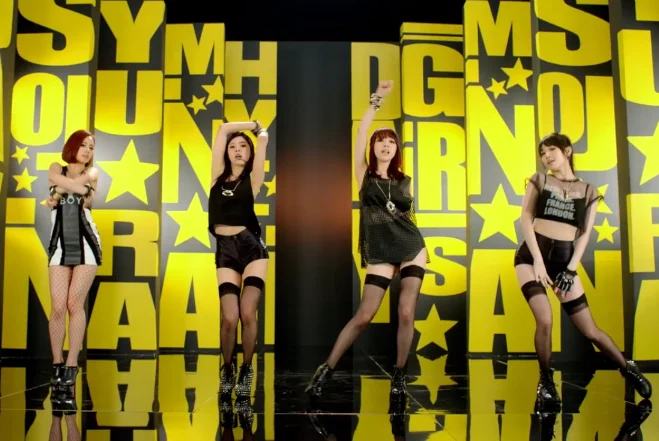
The years 2012 and 2013 marked a transformative era in the political and cultural history of the Republic of Korea, characterized by the ascension of the nation’s first female head of state and a subsequent wave of cultural responses within the Hallyu industry. In December 2012, Park Geun-hye, a veteran representative of the conservative Saenuri ... Read more
July 5, 2026
Culture
The Intersection of Pop Culture and Politics: An Analysis of Girl’s Day’s Female President and the Era of Park Geun-hye
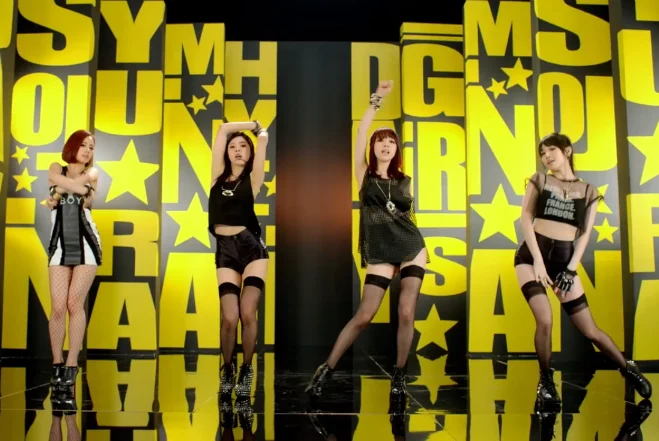
The years 2012 and 2013 marked a transformative era in the political and cultural history of South Korea, characterized by the ascendancy of the nation’s first female head of state and a subsequent shift in the thematic landscape of the K-pop industry. In December 2012, Park Geun-hye, a veteran representative of the conservative New Frontier ... Read more
June 15, 2026
Culture
Analysis of Girl’s Day’s Female President and the Political Climate of South Korea in 2013
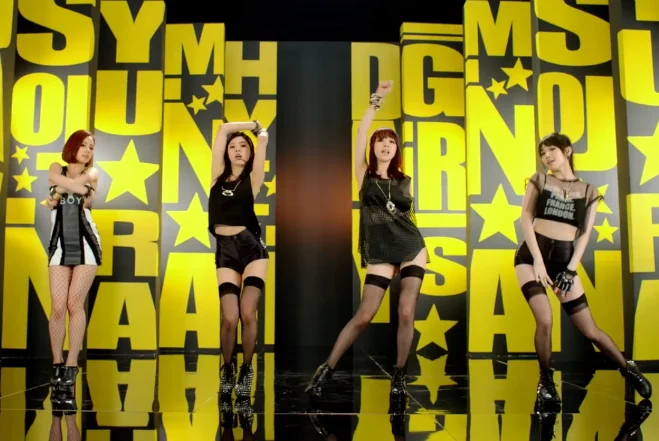
The intersection of popular culture and national politics reached a unique milestone in South Korea during the first half of 2013, as the entertainment industry sought to capitalize on the country’s historic election of its first female head of state. Following the December 2012 presidential election, which saw Park Geun-hye of the conservative Saenuri Party ... Read more
June 7, 2026