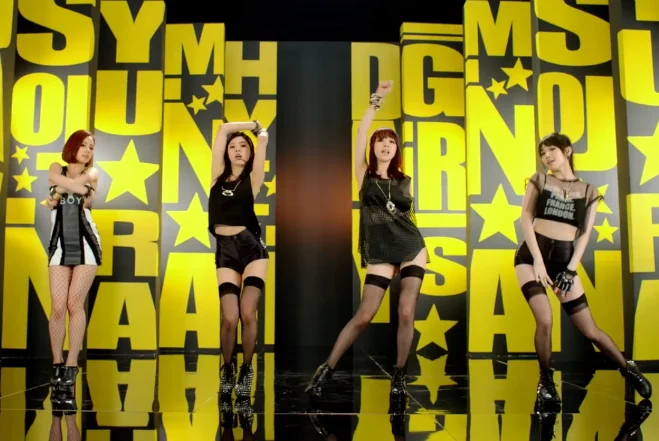
The intersection of popular culture and national politics reached a unique milestone in South Korea during the first half of 2013, as the entertainment industry sought to capitalize on the country’s historic election of its first female head of state. Following the December 2012 presidential election, which saw Park Geun-hye of the conservative Saenuri Party (New Frontier Party) ascend to the Blue House, the K-pop group Girl’s Day released a provocative single titled "Female President." This release serves as a significant case study in how the South Korean music industry navigates political shifts, utilizing major social milestones to frame commercial products. However, the disconnect between the song’s titular symbolism and its lyrical content provides a broader window into the complexities of gender dynamics and political representation in contemporary Korean society.
The Political Landscape: The Election of Park Geun-hye
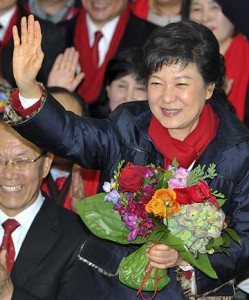
The 2012 South Korean presidential election was a pivotal moment in the nation’s democratic history. Park Geun-hye, the daughter of former military leader Park Chung-hee, secured victory by a narrow margin against the progressive candidate Moon Jae-in of the Democratic United Party. Park’s victory was notable not only for her status as the first female president in Northeast Asia but also for the legacy she inherited. Her father’s tenure (1961–1979) remains a deeply polarizing era, associated with rapid economic development known as the "Miracle on the Han River," alongside the suppression of democratic dissent.
The election of a woman to the highest office in the land was initially hailed by some as a "watershed moment" for women’s rights in a country traditionally dominated by Confucian patriarchal structures. Park campaigned on a platform of "National Happiness" and "Economic Democratization," though her critics argued that her rise was more a result of her political pedigree than a breakthrough for gender equality. Despite these debates, the presence of a female leader in CheongWaDae (the Blue House) created a new cultural zeitgeist that the domestic music industry was quick to mirror.
Chronology of Events: From Election to Release
To understand the context of the cultural response, one must examine the timeline of Park’s early presidency alongside the activities of the K-pop industry:
- December 19, 2012: Park Geun-hye wins the 18th South Korean presidential election with 51.6% of the vote.
- February 25, 2013: Park Geun-hye is officially inaugurated, signaling the start of the first female-led administration in the Republic of Korea.
- March 2013: Girl’s Day releases "Expectation," a song that marked a shift in their image from "cute" to "sexy," significantly increasing their market presence.
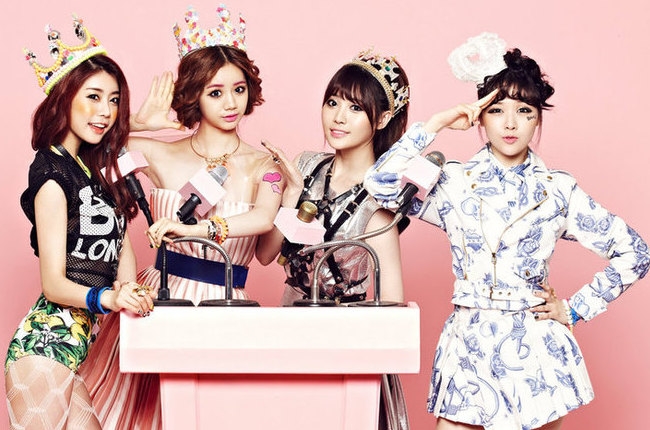
- June 24, 2013: Girl’s Day releases the repackaged album and the title track "Female President," explicitly referencing the new political reality in its title and marketing.
This timeline suggests a strategic effort by Dream T Entertainment, the group’s management, to align the group’s "empowerment" narrative with the national conversation surrounding female leadership.
Supporting Data: The Reality of Gender Equality in 2013
While the presence of a female president suggested progress, socioeconomic data from 2013 paints a more complex picture of the environment in which Girl’s Day released their anthem. At the time, South Korea consistently ranked at the bottom of the Organization for Economic Co-operation and Development (OECD) regarding gender parity.
- The Gender Wage Gap: In 2013, South Korea’s gender wage gap was approximately 36.6%, the highest among all OECD member nations. This meant that for every dollar earned by a male worker, a female worker earned roughly 63 cents.
- Labor Force Participation: Despite South Korean women having some of the highest rates of tertiary education in the world, their participation in the labor force remained stagnant. The "M-curve" phenomenon—where women leave the workforce in their late 20s and 30s due to marriage and childbirth—was highly prevalent.
- The Glass Ceiling Index: The Economist’s "Glass Ceiling Index" in 2013 ranked South Korea last among developed nations, citing low female representation in senior management and on corporate boards.
- Reproductive Rights: In 2013, abortion remained illegal in South Korea except in cases of rape, incest, or extreme health risk to the mother, a law that was not overturned until a constitutional court ruling in 2019.
These statistics highlight a stark contrast between the symbolic achievement of a female president and the systemic challenges facing the average South Korean woman.
Content Analysis: "Female President" vs. Structural Empowerment
The single "Female President" by Girl’s Day—comprising members Sojin, Yura, Minah, and Hyeri—was marketed as a "girl power" anthem. However, a factual analysis of the lyrics and music video reveals that the "empowerment" depicted is localized almost entirely within the sphere of romantic pursuit.
The central premise of the song is found in the chorus, which asks: "The president of our country is now a woman / So what’s the big deal? Why can’t a girl do it? / Why can’t a girl kiss first?" The lyrics argue that because a woman has reached the highest political office, it is now socially acceptable for a woman to take the initiative in a romantic relationship.
Critics and sociologists have noted that this framing reduces the concept of political and social agency to the "right" to pursue men. While the song encourages women to be "bold" and "confident," that confidence is directed toward securing a boyfriend rather than addressing the structural inequalities highlighted by the OECD data. Furthermore, the song’s bridge includes lyrics describing the female protagonist feeling "dizzy" and "like a baby" in the presence of her love interest, which some observers argue contradicts the "empowerment" message established in the title.
Visual Representation and Public Reaction
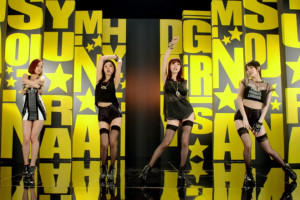
The music video for "Female President" employed several tropes common in the K-pop industry of the early 2010s. The aesthetics featured high-glamour sets, synchronized choreography, and a controversial wardrobe—specifically, skin-toned body suits that created an illusion of nudity, which sparked debate regarding the objectification of female idols versus their "liberation."
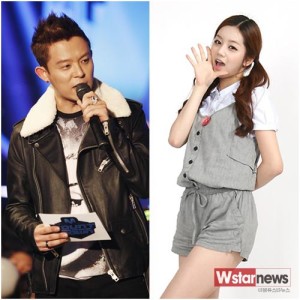
One notable element of the video was the role-playing sequence between members Minah and Hyeri. Hyeri was styled in a masculine suit and short hair, portraying a male figure, while Minah portrayed a feminine counterpart. The video culminates in a near-kiss between the two, which was viewed as a provocative move in a socially conservative country. However, the "androgynous" styling was largely interpreted as a theatrical device rather than a genuine commentary on gender identity or LGBTQ+ rights.
Public reaction to the song was mixed. On the one hand, it was a commercial success, reaching the top ten on the Gaon Digital Chart and further cementing Girl’s Day as a top-tier girl group. On the other hand, feminist commentators and cultural critics pointed out the irony of using the title "Female President" to sell a song that ultimately reinforced traditional gender roles and the "male gaze."
Broader Impact and Implications
The "Female President" era in K-pop serves as a reflection of the limitations of symbolic representation. The election of Park Geun-hye did not immediately translate into a radical shift in gender policy. In fact, throughout her presidency (which ended in 2017 following a high-profile impeachment), Park was often criticized for not doing enough to advance the status of women, with many of her policies focusing on traditional family structures rather than individual female autonomy.
In the context of the music industry, "Female President" demonstrated the "idol" system’s ability to sanitize political events for mass consumption. By taking a momentous political shift and distilling it into a catchy hook about dating etiquette, the industry effectively avoided the more contentious aspects of the feminist movement while appearing "current" and "edgy."
However, the song also inadvertently highlighted the growing awareness of gender issues among the younger generation. The very fact that a K-pop group felt the need to invoke the concept of a "Female President" suggests that the conversation regarding a woman’s place in society was becoming impossible to ignore. In the years following 2013, South Korea saw the rise of the "Escape the Corset" movement and the #MeToo movement, which took a much more direct and confrontational approach to the issues that "Female President" only touched upon superficially.
Conclusion
The release of "Female President" by Girl’s Day remains a significant cultural artifact from a specific moment in South Korean history. It captures the tension between the symbolic progress represented by Park Geun-hye’s presidency and the persistent socioeconomic realities of gender inequality. While the song may not have functioned as a catalyst for legislative change, it serves as a factual record of how popular culture attempts to navigate and monetize the complexities of national identity and social evolution. As South Korea continues to grapple with gender dynamics in the 21st century, the disconnect between the "Female President" of 2013 and the lived experience of South Korean women remains a subject of vital sociological study.