The global explosion of Psy’s "Gangnam Style" in 2012 introduced the world to a colorful, high-energy parody of Seoul’s wealthiest district, but beneath the horse-dancing and neon lights lay a pointed critique of a specific socio-cultural archetype: the "dwenjang-nyeo," or "bean paste girl." While international audiences viewed the music video as a catchy pop hit, South Korean viewers recognized a stinging satire of a demographic defined by a perceived obsession with luxury consumption and Western status symbols. The term, which has since become a fixture in Korean sociological discourse, serves as a window into the tensions between South Korea’s traditional values of frugality and its rapid ascent into a globalized, consumer-driven economy.
Etymology and the Paradox of Consumption
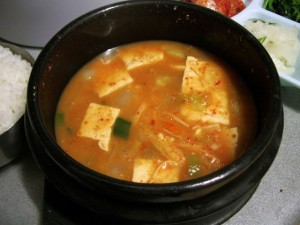
The term "dwenjang-nyeo" is derived from "dwenjang" (된장), a fermented soybean paste that serves as the base for "dwenjang-jjigae," a staple Korean stew. This dish represents the epitome of humble, traditional, and affordable Korean home cooking. A bowl of dwenjang-jjigae in a local neighborhood restaurant typically costs between 3,500 and 5,000 KRW (approximately $2.50 to $4.00), making it one of the most cost-effective nutritional options in the country.
The paradox inherent in the label "bean paste girl" lies in the contrast between this cheap meal and the expensive lifestyle the woman seeks to project. The most widely accepted definition describes a woman who lives a frugal existence—often residing with her parents and eating the cheapest possible meals, like bean paste stew—specifically so she can afford high-end luxury goods. The quintessential image of the dwenjang-nyeo involves a woman stepping out of a humble eatery only to walk directly into a Starbucks to purchase a latte or frappuccino that costs more than her lunch. In the early 2000s, when the term gained traction, a Starbucks coffee was a potent symbol of Western sophistication and discretionary wealth, priced significantly higher in Seoul than in many Western metropolitan areas.
The Three Archetypes of the Bean Paste Girl
Sociologists and cultural critics have identified three primary ways the dwenjang-nyeo is characterized in South Korean media and public discourse:
- The Strategic Saver: This individual prioritizes "visible" status over "invisible" sustenance. By consuming low-cost traditional food in private or in low-key settings, she amasses the capital necessary to purchase a designer handbag from brands like Louis Vuitton, Chanel, or Gucci. For this archetype, the handbag is not merely an accessory but a credential of belonging to the global middle or upper class.
- The Dependent Consumer: A more derogatory characterization paints the bean paste girl as someone who relies on the financial support of parents or romantic partners to fund a lifestyle she cannot afford on her own. In this narrative, her consumption of dwenjang-jjigae is not a choice but a necessity born of financial mismanagement and "kwasobi" (excessive spending).
- The "Wannabe" Westerner: This definition focuses on the cultural shift away from Korean traditions toward a superficial adoption of Western habits. This individual is criticized for valuing imported brands and aesthetics—such as expensive coffee culture and European fashion—while possessing what critics describe as a "shallow" understanding of the culture she emulates.
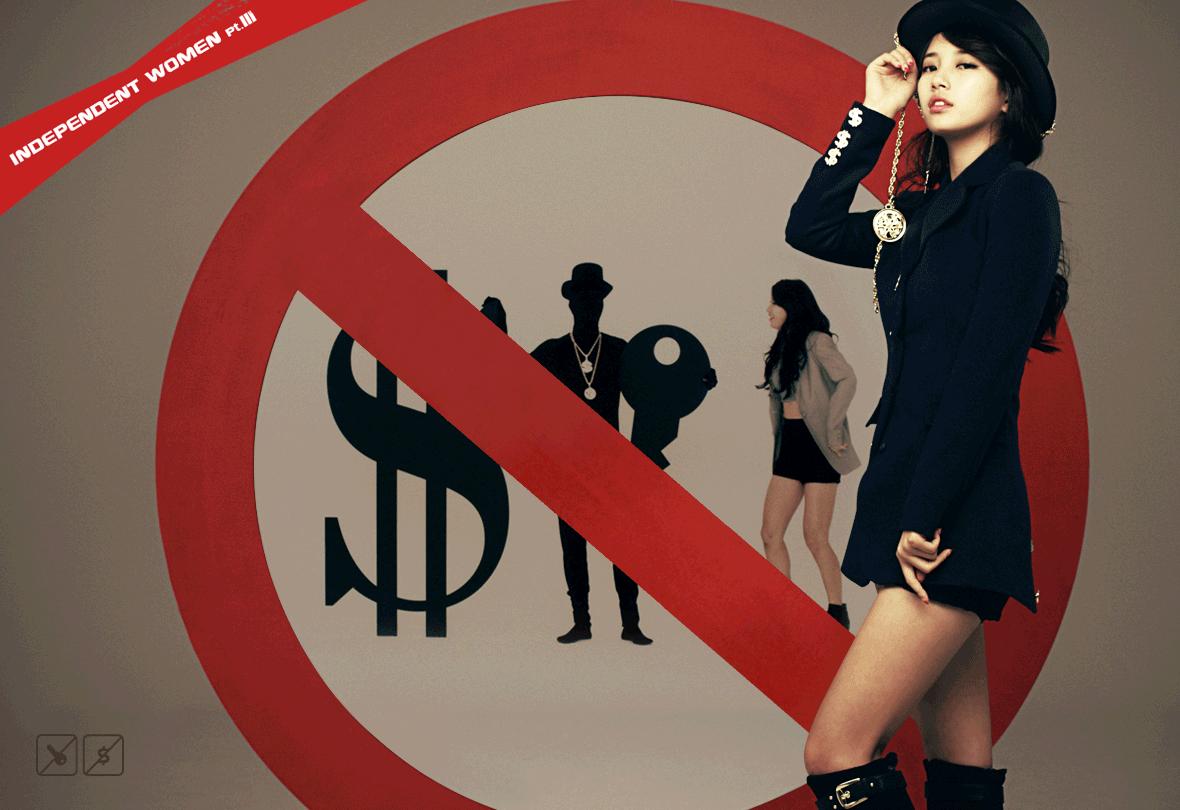
Conversely, a minority of feminist scholars have attempted to reclaim the term, suggesting the bean paste girl represents a new generation of financially independent women. In this view, she is a "miss A" style feminist who works hard to earn her own money and chooses to spend it on high-quality goods that bring her personal satisfaction, defying traditional expectations that women should be thrifty homemakers.
Historical Context: From Poverty to Prosperity
To understand the vitriol often directed at the dwenjang-nyeo, one must examine South Korea’s meteoric economic rise, often referred to as the "Miracle on the Han River." Following the devastation of the Korean War (1950–1953), South Korea was one of the poorest nations on Earth, with a per capita GDP lower than that of many sub-Saharan African nations.
Under the authoritarian leadership of President Park Chung-hee in the 1960s and 1970s, the nation underwent a period of "compressed modernization." Park’s government enforced strict austerity measures and nationalistic campaigns that equated frugality with patriotism. "Kwasobi," or excessive spending on luxury or imported goods, was socially stigmatized and even legally discouraged through high tariffs and government-led "frugality drives." For decades, the collective national goal was production and export, not individual consumption.
However, by the 1990s, the economic landscape had shifted. South Korea joined the OECD in 1996, signaling its status as a developed nation. The generation that came of age in the late 1990s and early 2000s did not share their parents’ memories of wartime hunger. This generational divide created a cultural friction: the older generation viewed the pursuit of luxury as a betrayal of the values that built the nation, while the younger generation saw it as a deserved reward for their participation in a globalized economy.
Supporting Data: The Luxury Market and the "Veblen Effect"
The bean paste girl phenomenon is supported by tangible economic data. South Korea has consistently ranked as one of the world’s largest markets for luxury goods per capita. According to a 2022 report by Morgan Stanley, South Koreans are the world’s biggest spenders on personal luxury goods, with spending reaching an average of $325 per person, significantly higher than the $280 spent by Americans and $55 by Chinese consumers.
This behavior is often attributed to the "Veblen effect," a concept in economics where the demand for a good increases as its price rises because it serves as a status symbol. In a highly competitive and status-conscious society like South Korea, luxury items serve as social shorthand for success.
Comparative Pricing Data (Approximate 2012-2014 Figures):

- Average Dwenjang-jjigae Meal: 4,000 KRW ($3.60)
- Starbucks Caramel Frappuccino (Seoul): 6,800 KRW ($6.10)
- Entry-level Designer Handbag: 1,500,000 KRW ($1,350.00)
- Average Monthly Starting Salary (Entry-level Office Worker): 2,000,000 KRW ($1,800.00)
The data highlights why the dwenjang-nyeo became a target of criticism: the cost of a single luxury accessory often exceeded half a month’s salary for an entry-level worker, necessitating extreme frugality in other areas of life.
Gendered Criticism and the Missing "Bean Paste Boy"
A significant point of contention in the dwenjang-nyeo discourse is its gendered nature. While men also participate in conspicuous consumption—purchasing expensive cars, electronics, and watches—there is no widely used male equivalent to the "bean paste girl."
Critics argue that the term is rooted in deeply ingrained societal misogyny. South Korea consistently ranks low on the World Economic Forum’s Global Gender Gap Index. The vilification of young women for their spending habits is seen by some as a way for society to police female behavior and autonomy. The visibility of female luxury items, such as handbags and clothing, makes them easier targets for public shaming than the often private or hobby-based spending of men.
Furthermore, the "bean paste boy" (dwenjang-nam) does exist in practice, but he is rarely the subject of national debate. Men who spend beyond their means to project an image of success are often viewed through the lens of "ambition," whereas women doing the same are labeled "vain" or "shallow."
Broader Implications and Societal Evolution
The bean paste girl phenomenon was a precursor to more recent South Korean consumption trends, such as "YOLO" (You Only Live Once) and "Flex" culture. As housing prices in Seoul have skyrocketed to unattainable levels for many young professionals, the mindset of "small luxuries" has taken hold. If a young person cannot afford a home, they may instead choose to find immediate gratification in a $1,000 coat or a $100 "omakase" meal.
The evolution of the term suggests that the dwenjang-nyeo was not merely a fad but a symptom of a society grappling with its own success. The transition from a culture of survival to a culture of lifestyle has been fraught with tension. Psy’s "Gangnam Style" may have brought the bean paste girl to the global stage, but the internal dialogue regarding status, gender, and the true cost of "looking the part" continues to resonate within South Korea’s borders.
Ultimately, the bean paste girl serves as a reminder that in the modern era, consumption is rarely just about the product itself. It is a complex performance of identity, a rebellion against past hardships, and a desperate attempt to secure a place in an increasingly stratified social hierarchy. Whether she is a victim of marketing, a strategic social climber, or a misunderstood consumer, the dwenjang-nyeo remains a central figure in the narrative of South Korea’s ongoing cultural transformation.