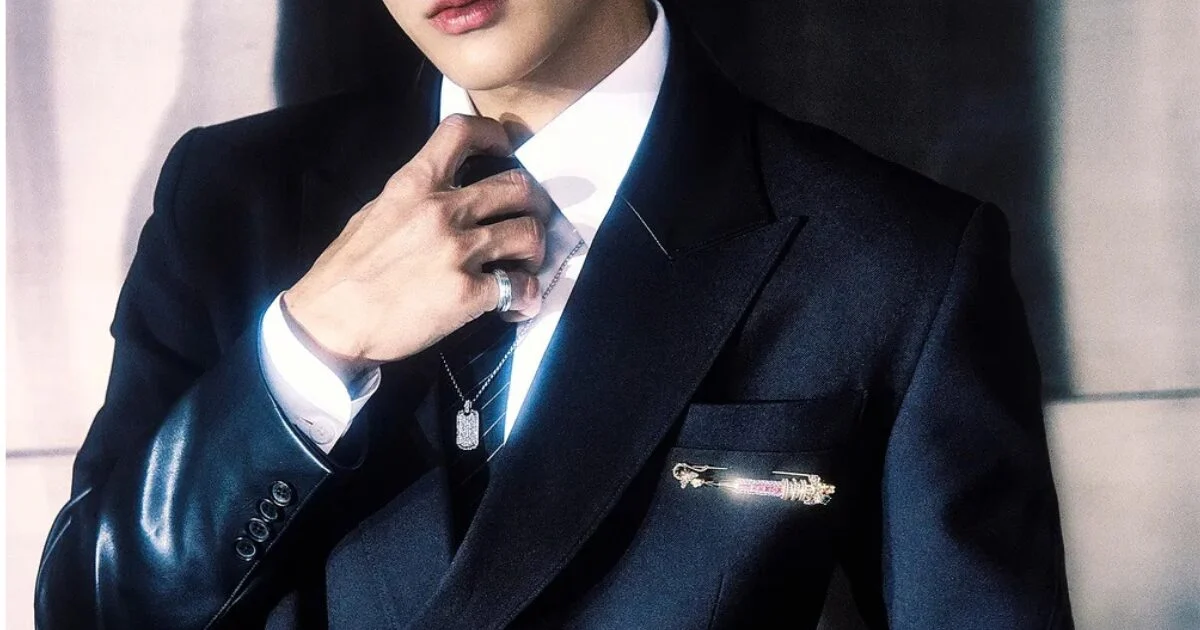
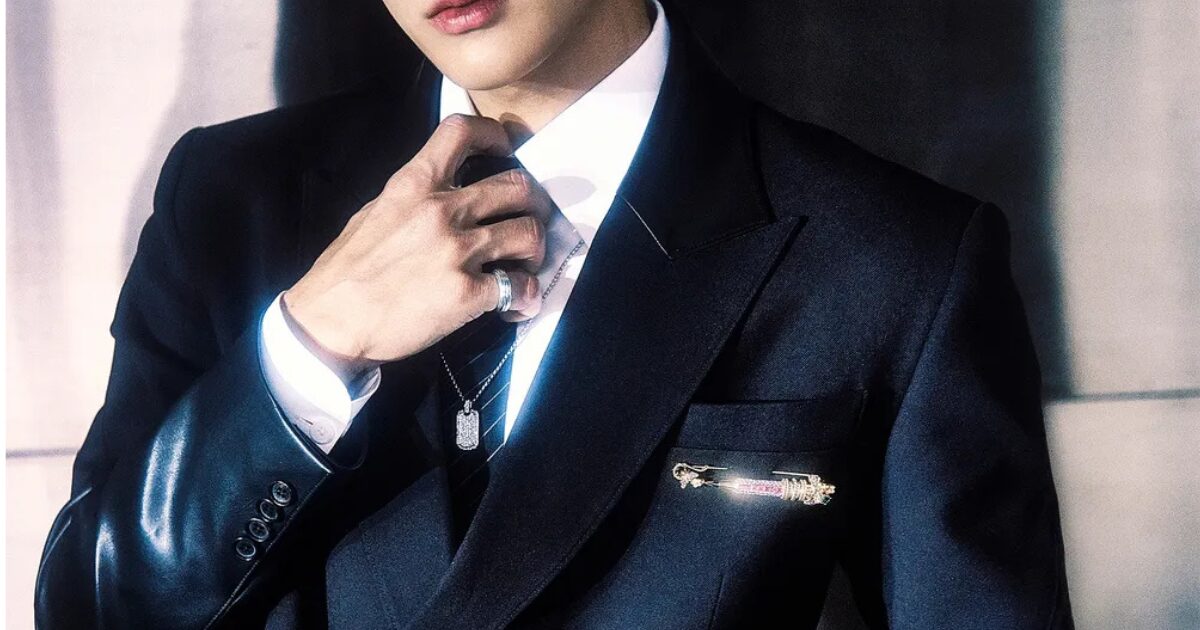
In a significant and candid move, Eric of the popular K-pop group THE BOYZ has publicly addressed and implored sasaeng fans to cease their intrusive activities, specifically targeting those who have been relentlessly contacting him via his personal phone number. The artist’s direct appeal, delivered firmly yet politely through a series of messages to his fanbase, underscores the severe and escalating nature of privacy invasion faced by K-pop idols. This incident brings to the forefront the persistent struggle within the entertainment industry to protect artists from extreme fan behavior that often crosses the line into harassment.
The Escalation of Personal Harassment
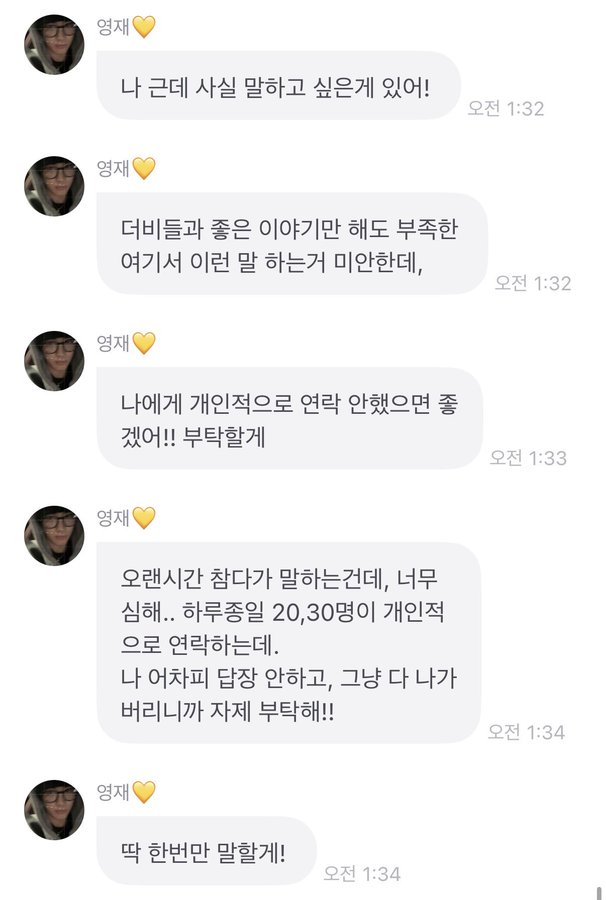
Eric’s decision to speak out on August 17, 2026, marks a breaking point after what he described as a long period of silently enduring the intrusions. He conveyed his reluctance to bring up such a negative topic, acknowledging that fans, known as THE Bs, primarily wish to share positive interactions. However, the severity of the situation left him no alternative. "There’s actually something I want to say. I’m sorry to bring something like this up here when even just sharing good things with THE Bs isn’t enough, but I want to ask you not to contact me personally," Eric stated, initiating his plea.
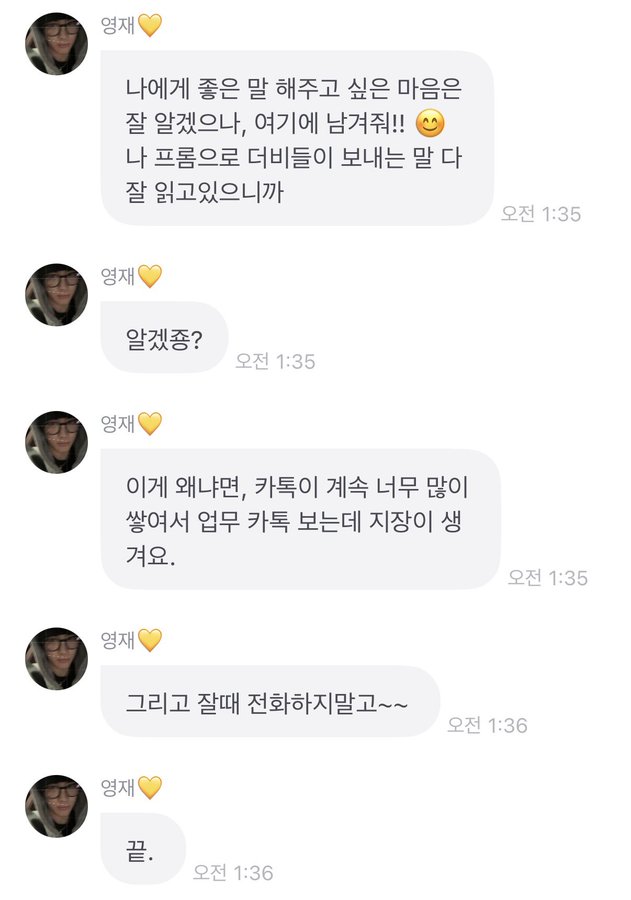
He further elaborated on the alarming frequency of these unwanted contacts: "I’ve been holding this in for a long time before saying this, but it’s gotten too severe… I get 20 or 30 people contacting me personally throughout the entire day. I don’t reply anyway and just leave all of them, so please refrain from doing it. I’m only going to say this exactly once." This revelation highlights a staggering level of persistent harassment that not only disrupts an idol’s personal life but also infiltrates their professional sphere. Eric clarified that genuine fan support is deeply appreciated and has designated channels. "I really appreciate everyone who wants to say nice things to me, but please leave them here!! I read all of the messages THE Bs send me through Fromm. Got it?" he emphasized, directing fans to official communication platforms.
The impact of this incessant contact extends beyond mere annoyance, as Eric explained, "The reason I’m saying this is because KakaoTalk messages keep piling up so much that it’s starting to interfere with me checking my work-related KakaoTalk messages. And don’t call me when I’m sleeping. The end." This candid admission paints a clear picture of how sasaeng activities directly impede an idol’s ability to perform their professional duties and maintain a healthy personal life, including essential rest. His decisive "The end" served as a powerful closing statement, leaving no room for misinterpretation regarding his firm stance on the matter.
Understanding the Sasaeng Phenomenon in K-Pop
The term "sasaeng" (사생팬), a portmanteau of the Korean words "sa" (private) and "saeng" (life), refers to obsessive fans who engage in extreme and intrusive behaviors to get close to their idols. These actions frequently involve stalking, harassment, invasion of privacy, and even illegal activities. The phenomenon has been a pervasive and dark undercurrent in the K-pop industry for decades, escalating with the rise of digital communication and social media. Sasaengs are known to go to extraordinary lengths, often pooling resources to hire taxis to follow idols, obtain private flight information, stake out their dorms or agencies, and even attempt to access their personal phones and social media accounts through illicit means.
The motivations behind sasaeng behavior are complex, often stemming from a distorted sense of connection, entitlement, and a blurring of the lines between public persona and private individual. While mainstream fan culture emphasizes respectful support and engagement through official channels, sasaengs represent a fringe element that actively undermines the safety and well-being of artists. Eric’s experience of receiving 20-30 personal contacts daily is not an isolated incident; countless idols from various groups have publicly or privately shared similar struggles, highlighting a systemic issue that continues to plague the industry. Past incidents have included sasaengs breaking into dorms, installing tracking devices, spreading private information, and even causing physical harm to idols or those around them.
Impact on Artist Well-being and Professional Life
The relentless intrusion into an idol’s personal life carries severe consequences for their mental and physical health. Constant surveillance and the inability to maintain privacy can lead to significant stress, anxiety, sleep deprivation, and even depression. The feeling of being perpetually watched and the fear of personal information being leaked creates a hostile environment that erodes an idol’s sense of security and autonomy. Eric’s mention of being called during sleep and the interference with work-related messages vividly illustrates how sasaeng activities directly disrupt basic human needs and professional responsibilities.

For idols, whose careers demand intense public engagement, maintaining clear boundaries between their public image and private self is crucial. Sasaengs deliberately obliterate these boundaries, forcing artists into a state of constant vigilance. This not only affects their personal downtime but also impacts their ability to focus on training, performances, and creative work. The mental toll can be immense, potentially leading to burnout and a diminished passion for their craft. Agencies often hire security personnel and implement various measures, but the sheer tenacity and anonymity of sasaengs, particularly in the digital age, make complete eradication a formidable challenge.
Agency Responses and Industry Challenges
K-pop entertainment agencies typically maintain a zero-tolerance policy towards sasaeng behavior, often issuing public warnings, blacklisting individuals from fan events, and pursuing legal action. IST Entertainment, THE BOYZ’s agency, like others in the industry, has a responsibility to protect its artists. While an immediate official statement from IST Entertainment regarding Eric’s specific plea was not released concurrently, it is standard practice for agencies to reiterate their commitment to artist protection and privacy. Such statements usually emphasize the agency’s intention to monitor harmful activities, gather evidence, and take all necessary legal measures, including civil and criminal charges, against those who violate their artists’ rights.
However, agencies face significant challenges in enforcing these policies effectively. Identifying sasaengs, especially those who operate anonymously online or through illicit networks that trade personal information, can be difficult. The transient nature of phone numbers and online identities often allows perpetrators to evade detection and accountability. Furthermore, the legal process in South Korea, while providing avenues for privacy protection, can be lengthy and resource-intensive, requiring substantial evidence to secure convictions. The sheer volume of incidents across the industry also strains agency resources dedicated to artist protection. The proliferation of technology, from hidden cameras to social media platforms that facilitate information sharing, has further complicated efforts to curb sasaeng activities.
The Fandom’s Reaction and Support
Eric’s direct call-out resonated strongly with THE Bs and the broader K-pop community. Almost immediately, fans rallied in support, expressing widespread condemnation of sasaeng behavior and solidarity with Eric. Hashtags and messages of support trended online, urging sasaengs to respect idol privacy and for agencies to take more aggressive action. The overwhelming sentiment among legitimate fans is one of frustration and disappointment that a member had to resort to such a public plea.
This incident also served to reinforce the clear distinction between dedicated, respectful fans and the intrusive actions of sasaengs. True fans, or "THE Bs," cherish the official interactions and content provided by their idols and understand the importance of boundaries. They view sasaengs as a detriment to the entire fan culture, creating a negative perception and straining the relationship between idols and their supportive audience. The collective voice of the fandom often plays a crucial role in pressuring agencies to act and in ostracizing individuals who engage in harmful behavior.
Legal Framework and Enforcement
In South Korea, laws exist to protect individuals from harassment and privacy invasion, including provisions under the Act on Promotion of Information and Communications Network Utilization and Information Protection, and the Punishment of Minor Offenses Act. These laws can be applied to cases of stalking, cyberbullying, and unauthorized acquisition/use of personal information. However, legal enforcement against sasaengs often faces hurdles. Proving malicious intent or consistent harassment to a degree that warrants criminal charges can be challenging. Many cases fall into a legal grey area, making it difficult for agencies to secure definitive legal victories that deter future incidents.
There have been calls for stronger legal measures specifically tailored to address the unique challenges posed by sasaeng activities in the entertainment industry. Enhanced privacy laws, clearer definitions of harassment in the digital age, and more efficient legal processes could provide idols with greater protection. The collective impact of numerous idols speaking out, like Eric, contributes to a growing demand for legislative and judicial bodies to re-evaluate and strengthen the legal framework surrounding celebrity privacy and harassment.
Broader Implications for K-Pop Culture
Eric’s courageous statement contributes to a crucial ongoing dialogue about the boundaries of idol-fan relationships and the ethical responsibilities within K-pop culture. It highlights the urgent need for a healthier fan environment where respect for an artist’s personal space is paramount. This incident serves as a stark reminder that while fan passion is the driving force of the K-pop industry, it must be tempered with respect for human dignity and privacy.
The implications extend to how agencies manage fan engagement, potentially leading to a re-evaluation of security protocols, communication strategies, and legal measures. It may also encourage further industry-wide collaboration to combat sasaeng behavior, perhaps through shared blacklists or joint legal actions against persistent offenders. Ultimately, Eric’s plea is a call to action for everyone involved – artists, agencies, and fans – to foster a culture that prioritizes the well-being and privacy of idols, ensuring that the vibrant world of K-pop remains a positive and safe space for both its creators and its audience. His direct address is a significant step towards normalizing the conversation around idol mental health and privacy, pushing for meaningful change within an industry that thrives on intense public scrutiny.