The Genesis of the "SWIM" Controversy
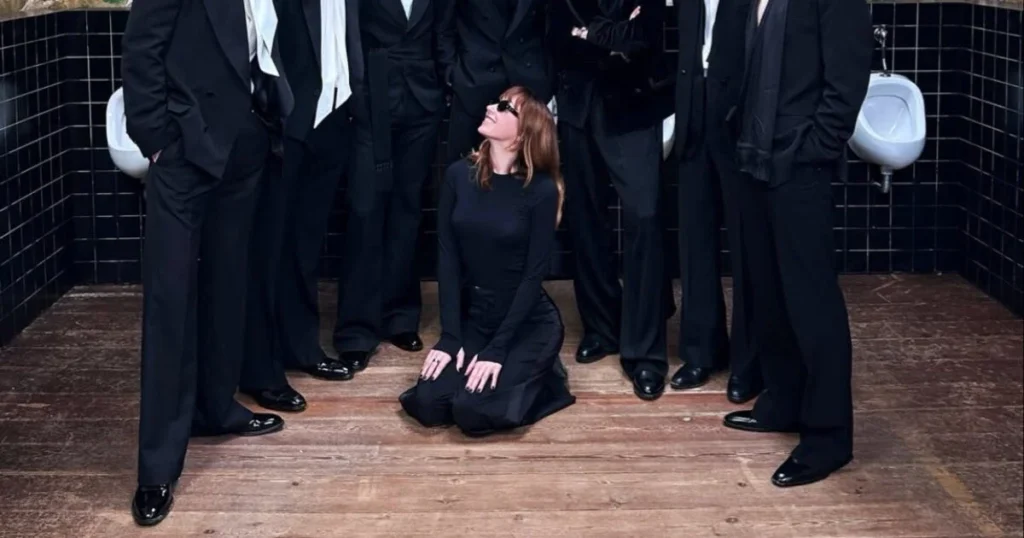
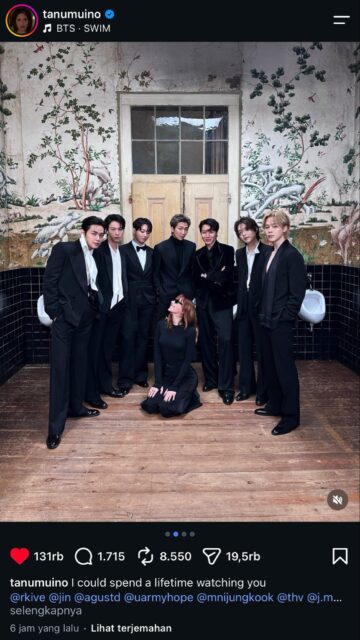
The controversy began when the creative director responsible for the "SWIM" music video shared a series of behind-the-scenes moments on her personal Instagram account. Among the carousel of images was a candid shot depicting the director kneeling on the floor in front of the seven members of BTS during a break in filming. The caption accompanying the post read, “I could spend a lifetime watching you,” a sentiment many interpreted as a professional tribute to the group’s work ethic and presence.
However, the image quickly became a lightning rod for debate across various social media platforms, including X (formerly Twitter) and various Korean online communities. A vocal segment of the audience argued that the visual of a female director kneeling before seven male idols was "misogynistic" or "subservient" in nature. Conversely, another group of critics suggested the post was "overly sexual" or "unprofessional," claiming that the caption crossed the line from a professional working relationship into personal obsession. The backlash was swift and intense, with the director’s comment section becoming flooded with vitriolic messages, leading her to eventually delete the post and limit her social media interactions to avoid further targeted harassment.
Chronology of Events: From Deletion to V’s Intervention
The timeline of the event highlights the rapid speed at which digital narratives are formed and challenged in the modern era. On September 29, 2026, the director posted the photo, which remained live for only a few hours as the controversy escalated. By mid-day, the post had been removed, a move usually interpreted as a concession to public pressure in the K-pop industry, where staff members are often held to strict, invisible codes of conduct to avoid reflecting poorly on the artists they serve.
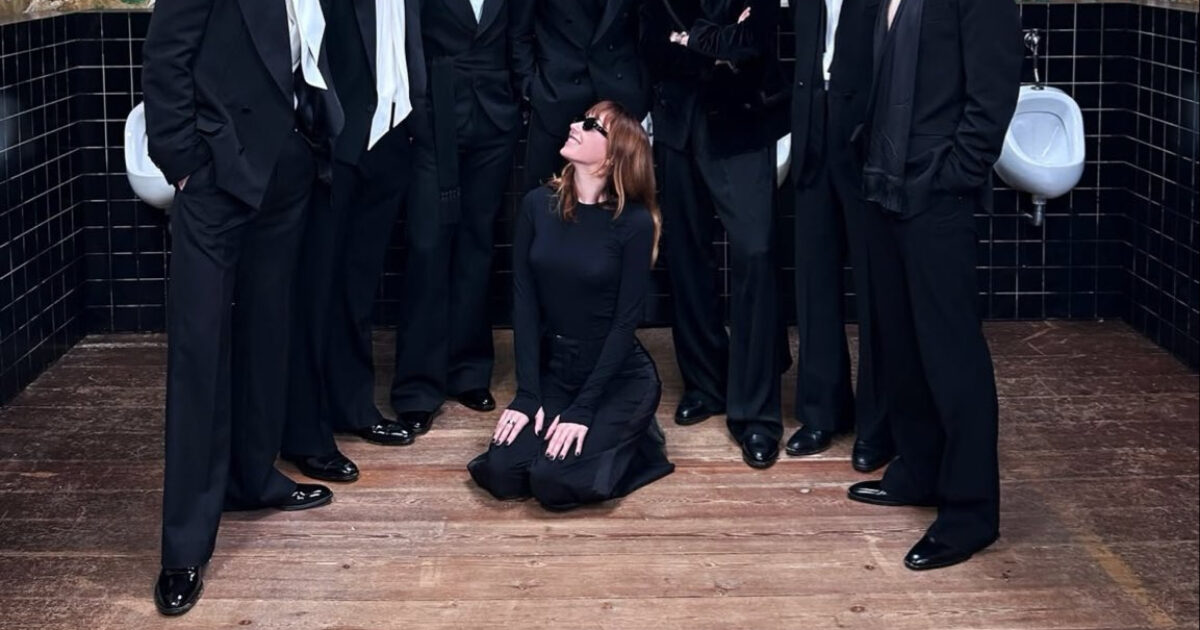
In a surprising turn of events, less than an hour after the director deleted the image, BTS’s V utilized his own Instagram account—which boasts one of the largest followings globally—to post the exact same "controversial" photo to his Instagram Story. V’s decision to share the image without an explicit caption, but in the immediate wake of the director’s harassment, was widely viewed as a deliberate and calculated act of solidarity. By re-sharing the image, V effectively reclaimed the narrative, suggesting that neither he nor the group found the image offensive, sexual, or misogynistic, but rather a cherished memory from their creative process.
Analyzing the Sociological Dynamics of the Backlash
The polarized reaction to the director’s photo offers a window into the complex sociological dynamics of the K-pop industry. The accusations of misogyny appear to stem from a hyper-awareness of gender power dynamics, where any image of a woman in a physically lower position than men is viewed through a lens of systemic inequality. However, industry insiders and long-time observers noted that in the context of a film set, directors and stylists frequently kneel or crouch to adjust equipment, monitor low-angle shots, or speak with talent who are seated.
On the other hand, the claims of the post being "too sexual" point toward the phenomenon of "parasocial policing." In this framework, certain fans attempt to regulate the behavior of those who work closely with their idols to ensure that no one—especially someone of the opposite gender—appears to have an intimate or "special" connection with the artists. By labeling the director’s admiration as "unprofessional," these critics sought to enforce a boundary that V himself eventually chose to dismantle.
Fan Reactions and the "Green Flag" Narrative
Following V’s Instagram Story update, the tide of public opinion shifted dramatically. On platforms like X, the hashtag #Taehyung began trending as fans praised the artist for his perceived bravery and moral clarity. Many fans characterized V as a "green flag"—a contemporary slang term for a person who exhibits healthy, supportive, and respectful behaviors.

One viral post noted, "Taehyung is the type of man who stands up for what’s right and puts parasocial freaks back in their place." Another fan pointed out that this was not an isolated incident, but rather part of a pattern where V has used his platform to protect staff members or clarify misunderstandings that could lead to "witch hunts." The consensus among the majority of the "ARMY" (BTS’s global fan base) was that V’s action was a masterclass in leadership, demonstrating that he values the dignity of his collaborators over the irrational demands of a vocal minority.
Official Responses and Professional Implications
While HYBE, the parent company of BTS’s label BigHit Music, has not issued a formal statement regarding the social media post, the lack of a "takedown" of V’s Story is telling. In the highly controlled world of K-pop, an artist of V’s stature posting a controversial image usually requires a level of autonomy that is earned through years of success and trust.
Industry analysts suggest that V’s move may have significant implications for how creative staff are treated moving forward. "When a global icon like V publicly backs a director who is being bullied, it creates a shield," says Lee Sung-won, a cultural commentator specializing in Hallyu media. "It sends a message to the fandom that the artist does not appreciate the ‘protection’ if it comes at the cost of harassing their professional circle. It’s a move toward a more mature, less restrictive industry model."
Broader Impact on the K-Pop Industry and Social Media Conduct
The "SWIM" music video incident serves as a pivotal case study in the evolution of idol-fan communication. Traditionally, K-pop idols were expected to remain silent during controversies involving their staff, allowing the label’s PR department to handle the fallout. However, the members of BTS have increasingly moved toward a model of direct communication.
V’s blatant reposting of the photo serves several functions:
- Validation of the Artist’s Agency: It reinforces that V is an active participant in his professional life, not a passive product to be guarded.
- Protection of Creative Partners: It provides immediate relief to the director, as the narrative shifts from "director does something wrong" to "V supports his colleague."
- Boundary Setting: It educates the fandom on what the artist considers acceptable behavior, effectively drawing a line between healthy support and toxic interference.
Furthermore, this event highlights the "Streisand Effect" in digital spaces—where the attempt to hide or remove a piece of information (the director deleting the photo) only results in it being more widely publicized (V reposting it to millions). In this instance, however, the increased visibility served a corrective purpose, turning a moment of potential "cancellation" into a moment of communal respect.
Conclusion: A Shift Toward Authenticity
As BTS continues to navigate their second decade in the industry, the members are increasingly using their influence to challenge the rigid structures that have historically defined K-pop. Kim Taehyung’s decision to post the "controversial" photo was more than just a social media update; it was a statement of values. By standing by the "SWIM" director, V demonstrated a commitment to artistic freedom and professional loyalty that resonates far beyond a single Instagram Story.
The incident underscores a growing trend where top-tier idols are no longer willing to be silent bystanders to the online harassment of their peers and colleagues. As the "SWIM" era continues to unfold, this moment will likely be remembered as a turning point in how the group manages its public image—prioritizing authenticity and the human element of their work over the sanitized perfection often demanded by the digital age. For the director, the members of BTS, and the global audience, the message is clear: professional admiration is not a crime, and the bonds formed in the pursuit of art are worth defending.