The Korean Peninsula remains one of the world’s most volatile geopolitical flashpoints, characterized by a state of heightened military readiness and a decades-long standoff between the Democratic People’s Republic of Korea (DPRK) and the Republic of Korea (ROK). While international headlines often focus on missile tests and diplomatic maneuvers, a subtler form of competition has emerged in the realm of consumer technology and cultural branding. Recently, this rivalry manifested in the unveiling of North Korea’s first domestic smartphone, a device named "Arirang" after the peninsula’s most cherished traditional folk song. While the hardware itself has been met with skepticism by international tech analysts, the choice of name serves as a profound indicator of the underlying socio-cultural fabric of East Asia and the enduring power of shared heritage in a divided land.
The Unveiling of the Arirang Smartphone
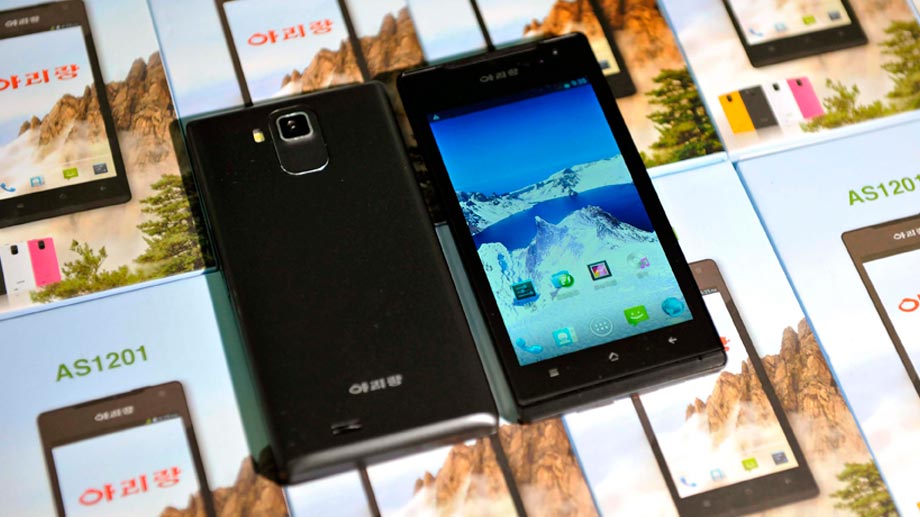
In a high-profile visit documented by the Korean Central News Agency (KCNA), North Korean leader Kim Jong-un inspected the "May 11 Factory," where the Arirang smartphone is reportedly manufactured. During the visit, state media emphasized the "high soul of the workers" and the "indigenous technology" used to create the device. The smartphone, officially designated as the Arirang AS1201, features a touch screen, a high-resolution camera (by local standards), and runs on a modified version of the Android operating system.
Kim Jong-un reportedly praised the device for its "handy" use and its contribution to the "national dignity" of the DPRK. However, international observers and technology experts have raised significant doubts regarding the device’s origins. Analysis of the hardware suggests that the Arirang is likely a rebranded Uniscope U7000, a smartphone manufactured in China. Experts suggest that while the final assembly or packaging might take place within North Korea, the core components and design are imported. This practice allows the regime to project an image of technological self-reliance, or "Juche," while bypassing the immense logistical and technical hurdles of developing a modern mobile device from the ground up.
A Chronology of Conflict and Cultural Identity
To understand the weight of the name "Arirang," one must examine the historical context of the Korean Peninsula over the last century. The region’s modern history is defined by a series of traumatic shifts that have forged a resilient national identity.
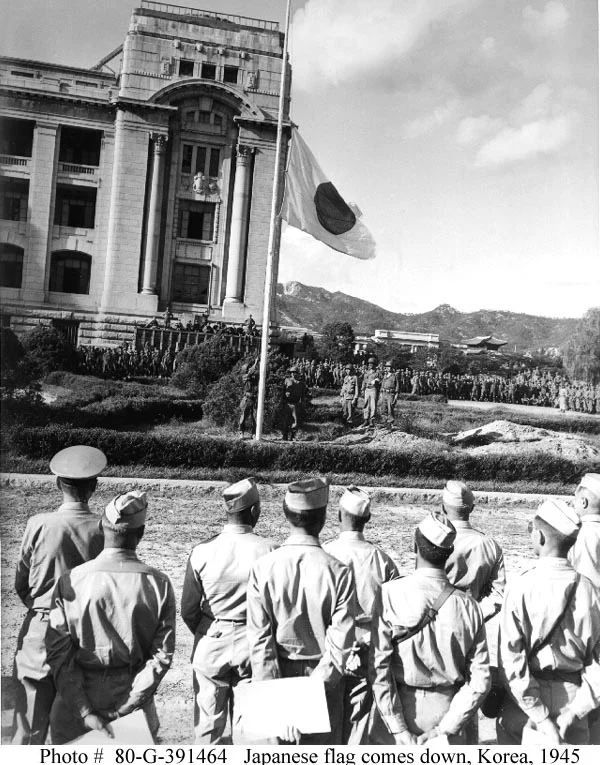
- 1910–1945: The Japanese Occupation. The unified Korean Peninsula was annexed by the Japanese Empire. This period was marked by the systematic suppression of Korean culture and the forced labor of its citizens. It was during this era of oppression that the song "Arirang" transitioned from a regional folk tune to a national symbol of resistance and longing for independence.
- 1945: Liberation and Division. Following the surrender of Japan at the end of World War II, the peninsula was divided along the 38th parallel into Soviet and American zones of influence. This division, intended to be temporary, became permanent as the Cold War solidified.
- 1950–1953: The Korean War. A devastating conflict that cemented the ideological divide between the North and South. The war ended in an armistice, not a peace treaty, leaving the two nations technically at war to this day.
- 2012: UNESCO Recognition. Following a concerted effort by the South Korean government, "Arirang" was inscribed on the UNESCO Representative List of the Intangible Cultural Heritage of Humanity. This move underscored the song’s importance as a pillar of Korean identity.
- 2013: The Arirang Smartphone Launch. North Korea utilizes the name for its flagship mobile device, asserting its own claim to the cultural legacy of the song.
The Musical and Emotional Weight of Arirang
"Arirang" is not merely a song; it is often described as the "unofficial national anthem" of both Koreas. While the official anthem of the South, "Aegukga" (The Song of Love for Country), is a formal and bombastic piece, "Arirang" resonates on a more personal, emotional level. Musically, the song is relatively simple, based on a pentatonic scale that makes it easy for the masses to sing and remember.
Lyrically, the song tells the story of a traveler crossing the "Arirang Pass." While the lyrics are often viewed as nonsensical or fragmented, they are generally interpreted as a metaphor for the hardships of life and the sorrow of parting with a loved one. Scholars believe the song’s popularity peaked during the Japanese occupation because it captured the "Han"—a uniquely Korean sentiment of collective grief, resentment, and hope. By singing Arirang, Koreans under colonial rule could express their national identity and their shared suffering without explicitly inviting the wrath of Japanese censors.
Interestingly, the song’s appeal crossed the Sea of Japan during the early 20th century. In 1931, "Arirang" became a major hit in mainland Japan. To the Japanese audience of the time, the song represented a sense of "pan-East Asian identity" and a nostalgic longing for a simpler, more pastoral past. This cultural appropriation highlights the song’s universal aesthetic appeal, which transcends political and national boundaries.

The Technology War: Samsung vs. the World
The launch of the Arirang smartphone occurs against a backdrop of intense regional economic competition. South Korea has transformed itself into a global technological powerhouse, with Samsung Electronics leading the charge. The rivalry between Samsung and Japanese giants like Sony or Apple is a matter of immense national pride in the South.
In the North, the state must contend with the encroaching influence of Southern technology and culture. Despite the "digital iron curtain" maintained by the regime, reports indicate that illegal copies of South Korean "K-Dramas" and pop music are highly sought after in the North. The Arirang smartphone, therefore, serves a dual purpose: it provides a controlled platform for mobile communication within the country’s domestic intranet (Kwangmyong) while simultaneously acting as a propaganda tool to prove that the North can compete in the modern tech landscape.
Technical Analysis and Official Reactions
Technologists who have analyzed the limited data available on the Arirang AS1201 note that the device is likely running a "locked-down" version of Android. This allows the North Korean government to monitor usage and restrict access to information. Unlike smartphones in the West or South Korea, the Arirang is not connected to the global internet. Instead, it connects to the DPRK’s domestic cellular network, which provides access to state-approved news, books, and basic utility apps.
South Korean officials and analysts have reacted to the launch with a mixture of skepticism and curiosity. A spokesperson for the ROK Ministry of Unification noted that while the North is making efforts to improve its IT sector, the reliance on foreign components is evident. "The naming of the device ‘Arirang’ is a clear attempt to tap into the shared cultural heritage of the Korean people to build brand loyalty and national pride," the spokesperson stated in a briefing.
In Japan, tech analysts have pointed out the similarities between the Arirang and Chinese budget handsets, suggesting that the "production" touted by KCNA is likely limited to assembly and software skinning. Despite this, the move is seen as a significant step in the North’s internal modernization strategy.
Broader Implications: Culture as a Bridge or a Tool?
The use of "Arirang" as a brand name for a smartphone illustrates the complex ways in which culture and technology intersect on the Korean Peninsula. For the North, it is an attempt to domesticate modern technology, wrapping a foreign-made device in the familiar cloth of national tradition. For the South, it is a reminder that despite the DMZ and decades of ideological divergence, the two nations still share a common language and a common set of emotional touchstones.
The phenomenon of "Hallyu," or the Korean Wave, has proven that South Korean culture is a potent force that can penetrate even the most closed societies. The fact that the North Korean government felt the need to create its own smartphone—and its own "knock-off" K-pop groups—suggests that they recognize the power of pop culture and consumer technology as tools of influence.
Ultimately, the Arirang smartphone is less about the hardware and more about the message. It is an assertion of identity in an era of globalization. While the political tensions between Pyongyang, Seoul, and Tokyo remain high, the shared appreciation for "Arirang" suggests a deep-seated connection that persists beneath the surface of military standoffs and economic competition. It serves as a reminder that even in a region defined by its divisions, there are cultural threads that continue to bind the people together, proving that the human experience of music, longing, and the desire for connection remains universal.