The burgeoning K-Pop boy group XODIAC found themselves at the center of a swift public relations challenge this week, prompting their agency, JACSO Entertainment, to immediately withdraw the newly revealed design for their official lightstick. The decision came after fans and online observers highlighted a striking resemblance between the lightstick’s central emblem and the Star of David, a prominent symbol of Judaism and a key feature of the Israeli national flag. The rapid cancellation underscores the heightened sensitivity surrounding cultural and religious iconography in the globalized K-Pop industry, particularly amidst contemporary geopolitical tensions.
The Incident Unfolds: A Design Revelation and Immediate Backlash
On August 23, 2026, XODIAC, a group that debuted in April 2023, unveiled the design for their inaugural official lightstick as part of their upcoming merchandise (MD) lineup, ahead of several anticipated live performances. The lightstick featured a prominent "X" motif, consistent with the group’s name and previous unofficial merchandise. However, a specific iteration of this "X" design, incorporating interlocking lines, quickly drew attention for its uncanny similarity to the Magen David, or Star of David.
Within hours of the design’s reveal, which included promotional videos and images disseminated across official social media channels, discussions erupted online. Fans and netizens, particularly on platforms like X (formerly Twitter), began to circulate side-by-side comparisons of the XODIAC lightstick with images of the Star of David. Concerns were vocalized regarding the potential for misinterpretation, unintended offense, and the political implications of such a symbol appearing on K-Pop merchandise, especially given its association with a specific nation-state and religious group. The speed with which these discussions escalated demonstrated the power of digital communities in scrutinizing and influencing corporate decisions in the entertainment sector.
The Symbol in Question: The Star of David’s Significance

The Star of David is a hexagram, a six-pointed star formed by two equilateral triangles. It is an internationally recognized symbol of Jewish identity and Judaism, appearing on synagogues, Jewish ritual objects, and as a central emblem on the flag of Israel. Its historical and religious significance is profound, representing covenant, divine protection, and Jewish pride. Given its deep roots in a specific faith and nation, its appropriation or accidental replication in a commercial product, especially one intended for a global audience, carries significant weight and potential for controversy. In the current global climate, where discussions around national and religious symbols are often charged, any perceived misstep can quickly become a flashpoint.
XODIAC’s Journey to Date: A Brief Overview
XODIAC debuted on April 25, 2023, under JACSO Entertainment, initially garnering attention as the OCJ NEWBIES trainee group. Their debut digital single, "Throw a Dice," introduced them to the K-Pop landscape, marking the beginning of their efforts to establish a unique identity and fanbase. Since then, the group has been actively promoting, most recently returning with their third mini-album, Phantom Fire, which demonstrated their evolving musical direction and artistic concepts. As a relatively new group, building a strong and positive brand image is paramount, making early missteps in branding particularly impactful. Official lightsticks are a crucial part of this brand building, serving as a tangible connection between the artists and their fans.
The K-Pop Lightstick Phenomenon: More Than Just a Baton
In the world of K-Pop, lightsticks are far more than simple glow sticks; they are iconic symbols of fandom identity, collective support, and a vital part of the concert experience. Each K-Pop group typically has its own uniquely designed lightstick, which often incorporates elements related to the group’s name, logo, or overarching concept. These devices light up in specific colors, creating a "fandom ocean" at concerts—a sea of synchronized lights that visually represents the collective power and unity of the fans.
The design of a lightstick is therefore meticulously crafted and holds immense symbolic value. It serves as a banner, a unifying artifact, and a significant revenue stream through merchandise sales. Fans often invest considerable emotional and financial capital in acquiring these items, which become cherished collectibles. Any design flaw or controversial element can thus directly impact fan sentiment, group image, and commercial success. The average cost of a K-Pop lightstick can range from $30 to $60 USD, with limited editions fetching even higher prices on the secondary market. Annually, the global K-Pop merchandise market, of which lightsticks are a significant component, generates hundreds of millions of dollars, underscoring their economic importance beyond their symbolic value.

Swift Corporate Response: Acknowledgment and Action
Recognizing the escalating concerns, JACSO Entertainment acted with remarkable speed. Almost immediately after the online discussions gained traction, the promotional video featuring the controversial lightstick design was made private across all official channels. This rapid removal signaled the agency’s acknowledgment of the issue and its commitment to addressing it.
Shortly thereafter, on August 23, 2026, JACSO Entertainment released an official statement via their social media platforms, directly addressing the controversy. The statement read:
"Hello, this is Jacso Entertainment. We have heard your voices and concerns. To avoid any religious misunderstandings, we will work on a new design of Lightstick and release it as soon as possible. Once again, thank you for your continued love and support to Jacso Entertainment and XODIAC. We will work hard and do our very best. Thank you. – Notice"
This concise and direct communication served to reassure fans and the broader public that their feedback had been received and acted upon. The explicit mention of "religious misunderstandings" demonstrated an understanding of the specific nature of the controversy, rather than a generic acknowledgment of "concerns."
Fan and Industry Reactions: Praise for Responsiveness
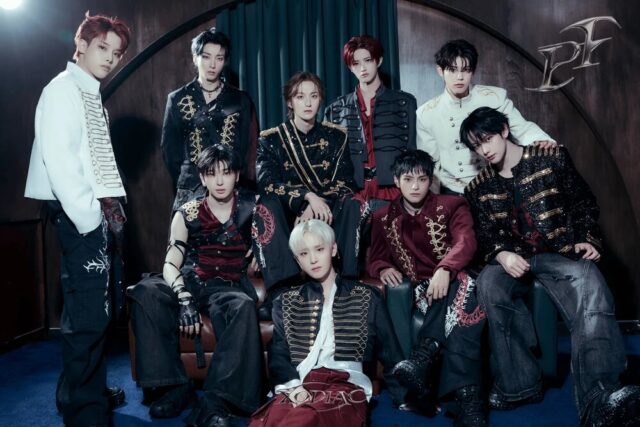
The swiftness and clarity of JACSO Entertainment’s response were largely met with appreciation from the fan community. Many fans took to social media to express their gratitude for the company’s willingness to listen and take corrective action. Comments such as "great job! thank you for listening to our voices" reflected a sentiment of relief and approval. In an industry where agencies are sometimes perceived as slow to react or dismissive of fan concerns, JACSO Entertainment’s prompt action positioned them favorably.
Industry observers might view this incident as a case study in effective crisis management in the digital age. In a hyper-connected environment, issues can escalate globally within minutes. A delayed or inadequate response can lead to prolonged negative publicity, boycotts, and significant brand damage. JACSO’s immediate withdrawal of the design and transparent communication mitigated potential long-term harm to XODIAC’s image and their relationship with their fanbase. It also sets a precedent for other agencies regarding the importance of cultural sensitivity checks in merchandise design.
Navigating Cultural Sensitivity in Global Markets
This incident highlights the perennial challenge faced by global entertainment industries, particularly K-Pop, in navigating diverse cultural and religious sensitivities. As K-Pop expands its reach into every corner of the world, groups and their agencies must contend with a vast array of symbols, histories, and political contexts that might be unfamiliar to their domestic design teams. What might appear as a geometrically pleasing or innocuous design in one cultural context can carry profound and potentially offensive meanings in another.
Previous instances in the K-Pop industry, though not always directly related to religious symbols, have seen groups or individuals face backlash for cultural appropriation, insensitivity towards historical events, or unintentional use of problematic imagery. These incidents underscore the critical need for robust cultural sensitivity vetting processes in all stages of product development, from concept generation to final production. This often involves consulting with diverse cultural experts or conducting thorough background checks on all design elements to identify potential pitfalls before products reach the public.
Economic and Brand Impact: Short-term Costs, Long-term Gains

From an economic perspective, the cancellation of the lightstick design will undoubtedly incur costs for JACSO Entertainment. These include the expenses associated with the initial design and prototyping, the potential loss of pre-orders, and the significant investment required for an expedited redesign and new manufacturing run. Such delays can also impact the timing of merchandise releases, potentially affecting sales opportunities around concerts or album promotions.
However, these short-term financial setbacks are likely outweighed by the long-term benefits of maintaining a positive brand image and strong fan loyalty. By demonstrating responsiveness and respect for cultural sensitivities, XODIAC and JACSO Entertainment have avoided a prolonged and potentially damaging controversy that could have alienated a significant portion of their global fanbase. A damaged reputation can have far more severe and lasting financial consequences than the cost of a redesign. This proactive approach reinforces the group’s commitment to inclusivity and understanding, qualities that resonate deeply with modern global audiences.
Looking Ahead: Implications for XODIAC and the K-Pop Industry
For XODIAC, this incident, while a brief hurdle, ultimately serves as an important learning experience. The group can move forward with a renewed commitment to ensuring their merchandise reflects a universally positive and inclusive image. Their agency’s swift action could even strengthen the bond with their fanbase, who witnessed their concerns being taken seriously. The focus will now shift to the unveiling of the redesigned lightstick, which will undoubtedly be scrutinized with an even keener eye.
More broadly, this event adds to the growing body of evidence emphasizing the necessity for K-Pop agencies to invest in comprehensive cultural competency training and robust review processes for all content and merchandise intended for international markets. As K-Pop continues its global expansion, such incidents are likely to become more frequent unless proactive measures are consistently implemented. The XODIAC lightstick controversy stands as a timely reminder that in an interconnected world, cultural context is paramount, and vigilance is key to navigating the complex landscape of global entertainment.