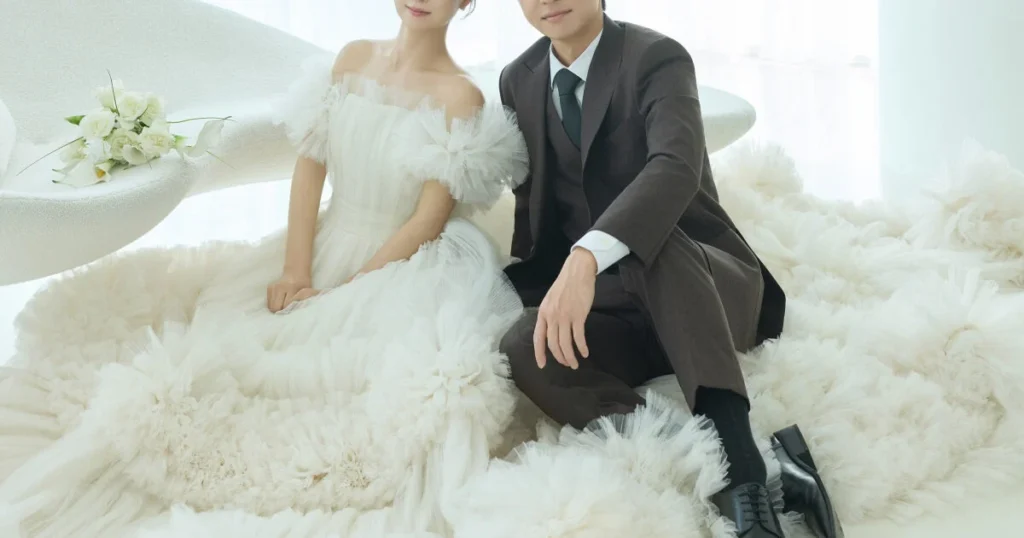
The announcement was primarily facilitated through Young Sook’s Instagram account, where she posted the images alongside a poignant caption that highlighted the serendipitous nature of their relationship. She noted that a connection originally established five years ago had finally come to fruition through their shared experience on I Am SOLO. Her message expressed deep gratitude to the fans and well-wishers who have supported the couple since their appearance on the show, concluding with a promise to live a happy and fulfilling life together. Young Soo mirrored these sentiments on his own social media platforms, reinforcing the couple’s commitment and expressing his own thanks to the public.
Visual Narrative and Cultural Significance of the Wedding Photos
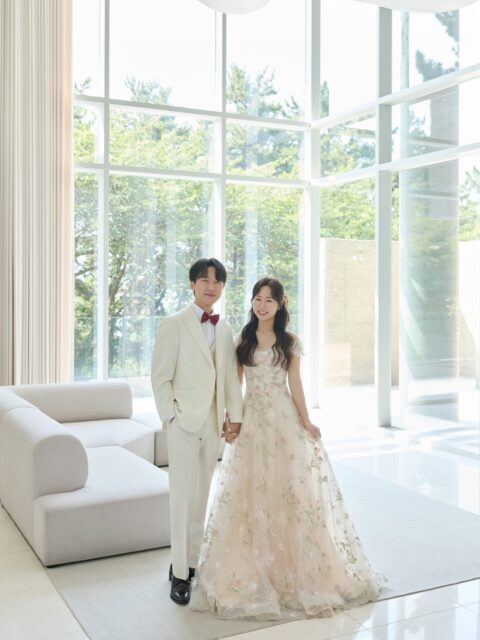
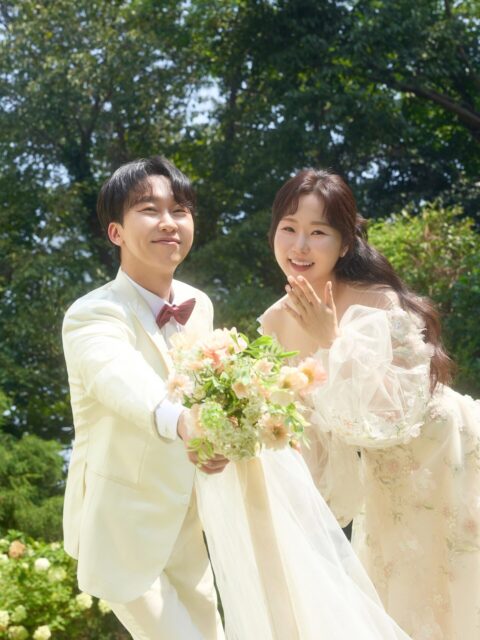
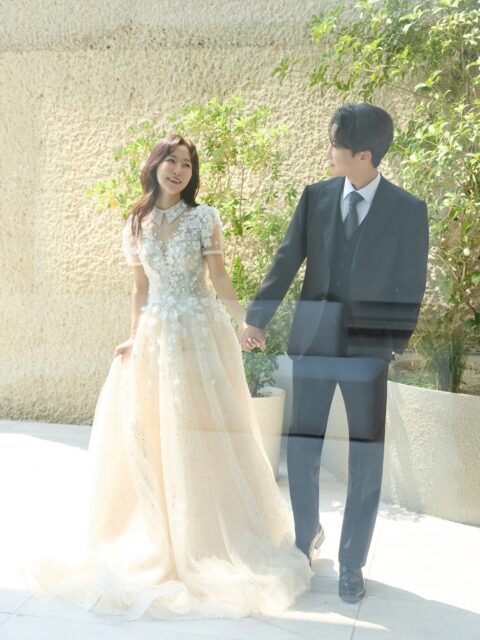
The unveiled wedding photos showcase a blend of traditional Korean aesthetics and modern elegance. One set of images features the couple in vibrant pink hanboks, the traditional attire of Korea, which symbolizes a respect for heritage and the celebratory nature of the union. The choice of pink, often associated with youth and new beginnings in a romantic context, resonated deeply with their followers. In addition to the traditional wear, the couple also posed in classic wedding attire; Young Soo appeared in a sharp, elegant tuxedo, while Young Sook donned a variety of sophisticated wedding gowns.
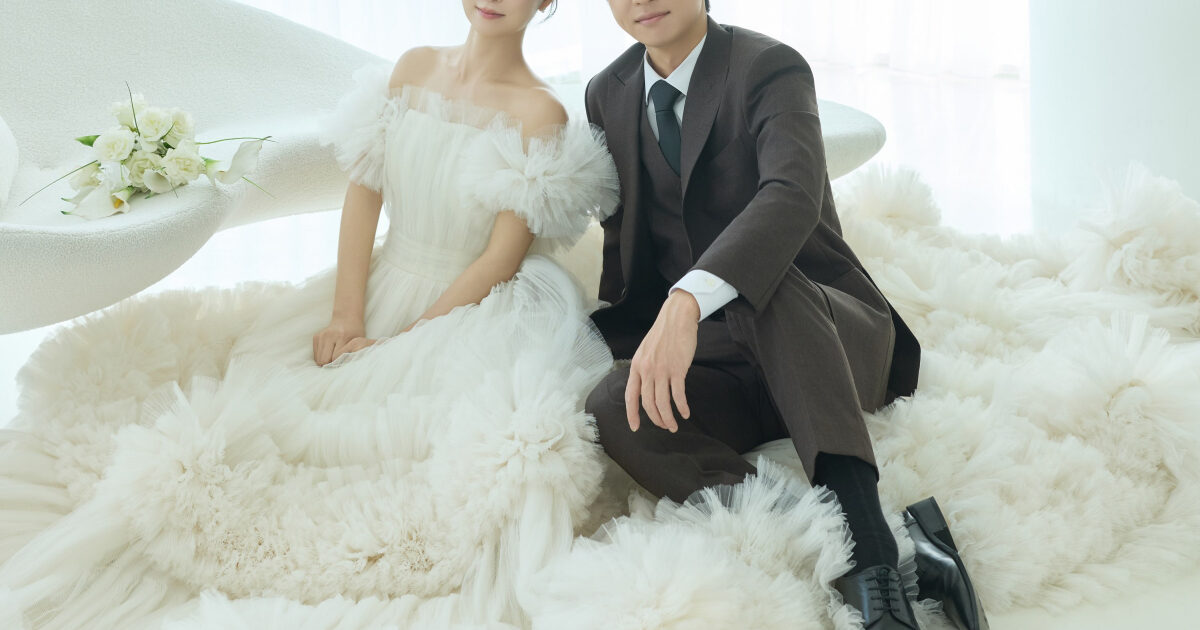
The photography captures several intimate moments, with the couple striking poses that range from playful to deeply tender. A recurring theme in the photos is the couple holding hands tightly, a gesture that viewers have interpreted as a symbol of their resilience and the strength of the bond they formed outside the pressures of the television cameras. The bright smiles and relaxed body language present in the photos suggest a level of comfort and mutual understanding that often takes years to cultivate, making their story particularly compelling to the South Korean public.
A Chronology of Fate: From Blind Date to Reality TV
The history of Young Sook and Young Soo’s relationship is a narrative of "missed connections" and "perfect timing." According to details shared by the couple and confirmed through their television appearances, the two first met approximately five years ago on a blind date. At that time, however, the spark did not lead to a sustained relationship, and the two went their separate ways.
In an extraordinary twist of fate, both were cast in Season 26 of I Am SOLO, a program produced by SBS Plus and ENA. The show’s format involves a group of men and women living together in "Solo Land" for several days, engaging in dates and activities to find a romantic partner. Interestingly, during the broadcast of Season 26, Young Sook and Young Soo were not a "final couple." In the show’s finale, participants choose whether to leave the program with a partner, and while both were prominent figures during the season, they did not officially pair up at the conclusion of the filming.

However, the foundation laid during their time on the show allowed them to reconnect once the cameras were turned off. Away from the structured environment of the reality show, the two began dating in earnest. Their shared professional backgrounds—both serve as university professors—provided a strong intellectual and lifestyle alignment that eventually led to their decision to marry. This transition from "failed blind date" to "reality TV colleagues" to "married couple" has been hailed by fans as a testament to the idea of destiny.
The I Am SOLO Phenomenon and Its Impact on Modern Dating
To understand the significance of this marriage, one must look at the cultural footprint of I Am SOLO. Unlike many dating shows that focus on influencer-aspirants or dramatic, scripted conflicts, I Am SOLO prides itself on featuring "ordinary" people looking for marriage. The participants are given pseudonyms—such as Young Soo, Young Sook, Sang Chul, and Ok Soon—which are reused every season. These names carry specific archetypal connotations in Korean culture, and the show’s focus on the participants’ real-world jobs and educational backgrounds adds a layer of groundedness that appeals to a wide demographic.
The program has become a cultural touchstone in South Korea, a country currently grappling with record-low marriage and birth rates. By showcasing the complexities, awkwardness, and eventual successes of dating in one’s 30s and 40s, the show provides a mirror to contemporary social dynamics. Young Sook and Young Soo, often referred to by fans as the "Professor Couple," represent a highly respected demographic in Korean society. Their success is seen as an inspiration for other professionals who find it difficult to balance demanding careers with the search for a life partner.
Public Reaction and the "Professor Couple" Branding
The response from the online community has been overwhelmingly positive. Netizens have flooded the couple’s social media posts with congratulatory messages, with many noting the physical resemblance between the two—a common observation in Korea where it is often said that couples who look alike are destined for a long and happy marriage.
Common reactions included:
- "Congratulations to the Professor Couple! You both look so dignified and happy."
- "It is amazing that a connection from five years ago finally worked out. It really shows that timing is everything."
- "You two look so much alike! Truly a match made in heaven."
- "Thank you for showing us that real love can happen even after the show ends."
The nickname "Professor Couple" has stuck, highlighting the public’s admiration for their academic achievements and the perceived stability of their relationship. In a reality TV landscape often criticized for being superficial, the union of two academics provides a narrative of substance that viewers find refreshing.
Broader Implications for Reality Television Success Rates
The marriage of Young Sook and Young Soo adds to the growing list of "real-life" successes emerging from the I Am SOLO franchise. To date, the program has resulted in numerous marriages and even several births among former participants, a statistic that the production team often highlights to prove the show’s efficacy.
From a media analysis perspective, the success of Season 26’s "Professor Couple" reinforces a shift in how reality dating content is consumed. There is a growing preference for "hyper-realism"—shows that do not end with a forced romantic gesture but allow relationships to breathe and develop in the real world. The fact that Young Sook and Young Soo did not choose each other as a "final couple" on screen, but found their way to each other afterward, suggests that the show’s environment acts more as a catalyst for introduction rather than a definitive matching service.
Furthermore, this event highlights the power of social media in maintaining the longevity of reality TV stars. By sharing their wedding photos directly with fans, the couple maintains a level of transparency and engagement that keeps the show’s brand relevant long after a season has finished airing.
Conclusion: A Union of Intellectual and Romantic Compatibility
As Young Sook and Young Soo prepare for their wedding, their story serves as a quintessential example of the modern "K-dating" narrative: a blend of traditional values, professional success, and the modern medium of reality television. Their journey from a forgotten blind date five years ago to a televised reunion and finally to the altar captures the imagination of a public eager for genuine stories of love.
The "Professor Couple" leaves behind a legacy on I Am SOLO that emphasizes the importance of shared values and intellectual compatibility. As they move forward into their new life together, they do so with the support of a nationwide audience that has followed their development from the first day they stepped into "Solo Land." Their marriage is not just a personal victory but a celebrated event in the broader context of South Korean popular culture, proving once again that sometimes, the best connections are the ones that take a little extra time to mature.