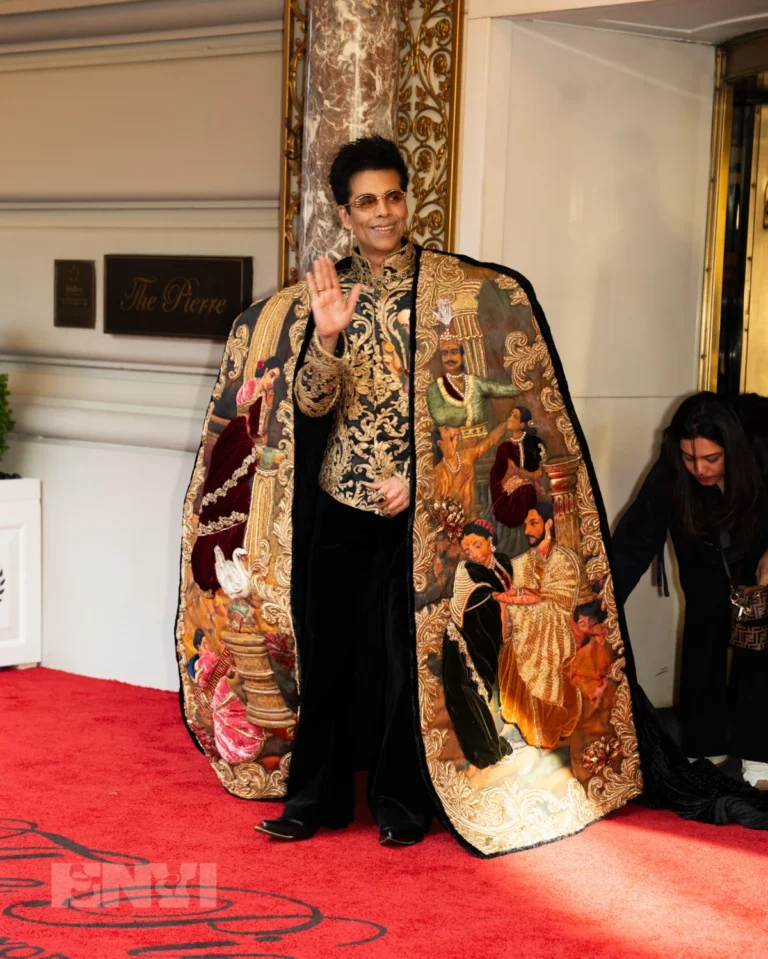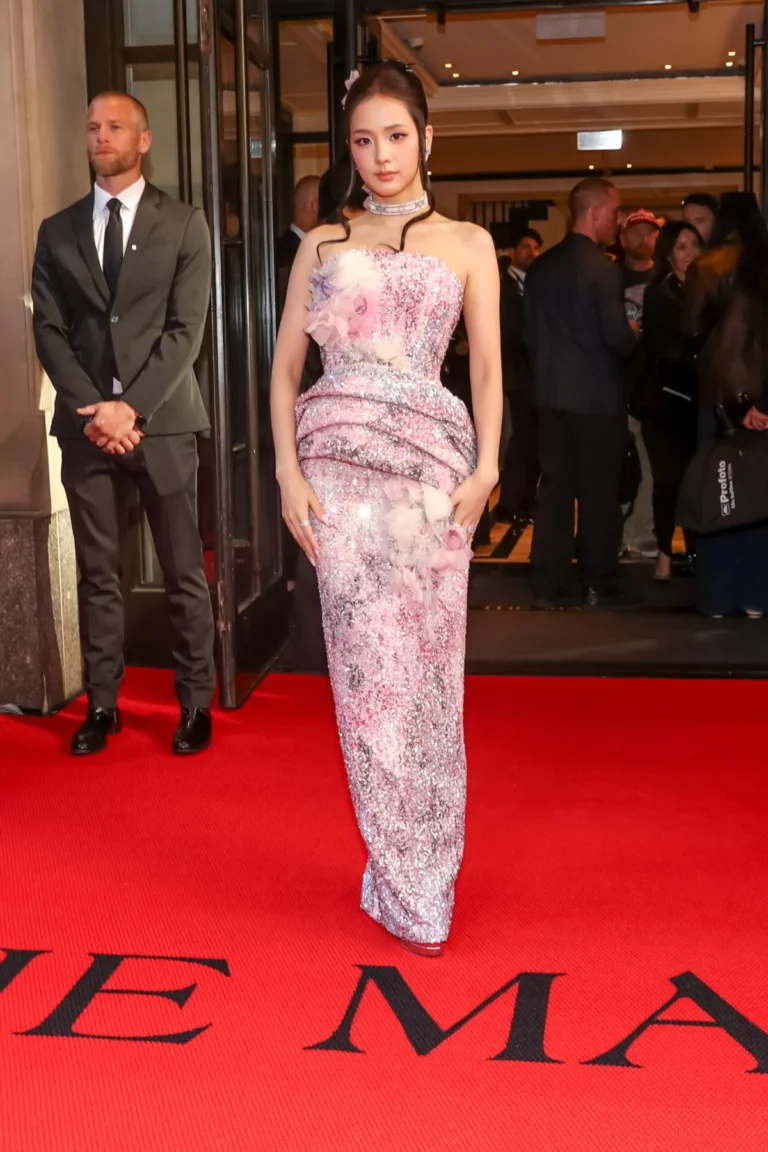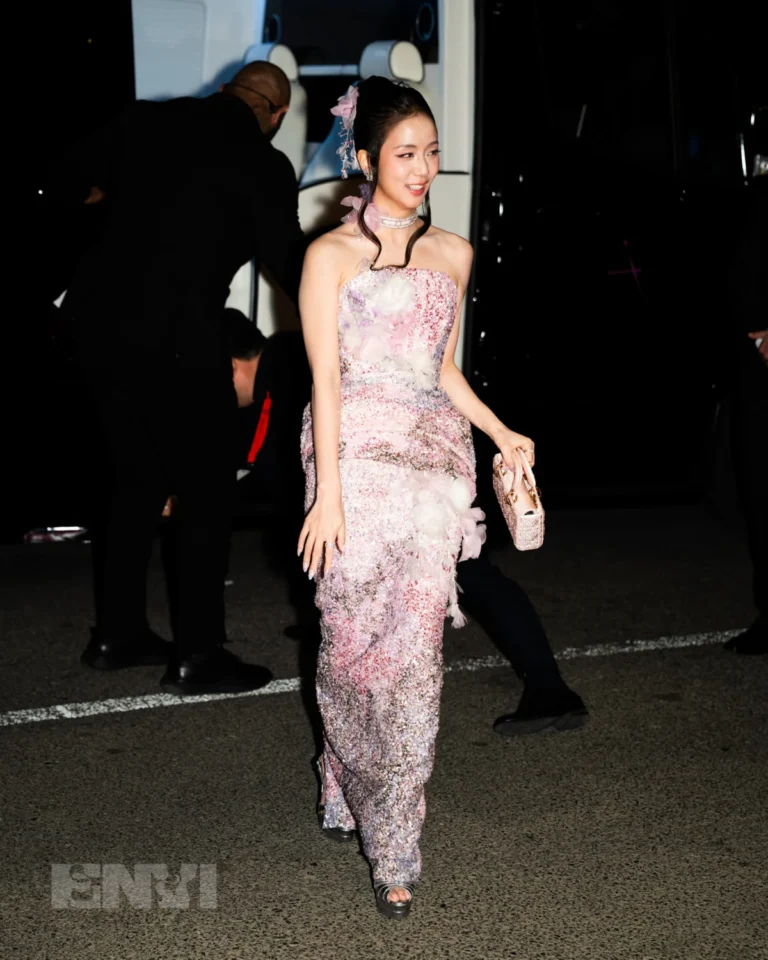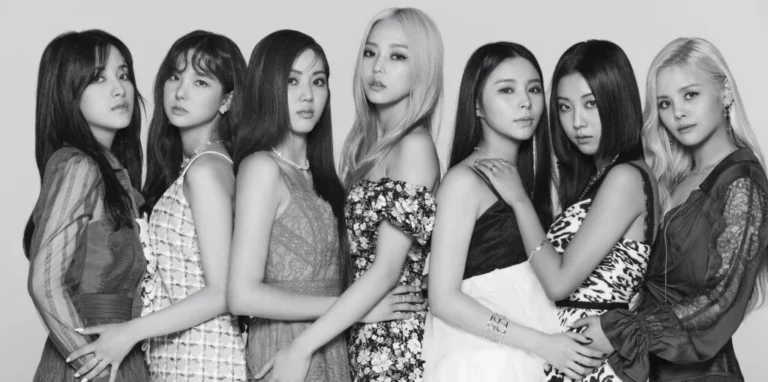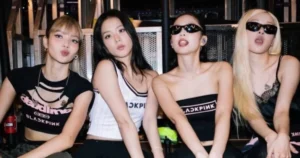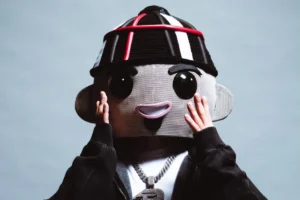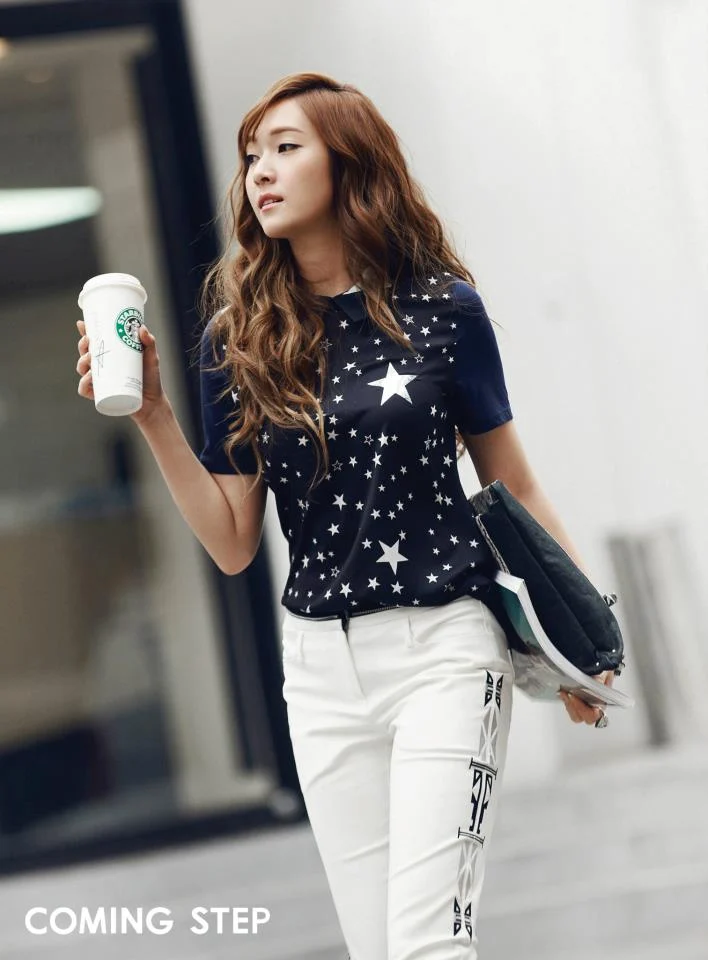
The vibrant and visually driven world of K-pop has long captivated global audiences, extending far beyond its infectious music and meticulously choreographed performances. K-pop idols dedicate immense effort not only to mastering complex dance routines but also to cultivating a distinct aesthetic, meticulously curated by teams of stylists, hair, and makeup artists for every public appearance. This unwavering commitment to visual presentation has, in turn, inspired a generation of fans worldwide to emulate their favorite stars. While many fans engage with K-pop by learning dances and singing along to hit songs, the most accessible and widely adopted avenue for fan engagement remains fashion. The inherent universality of clothing—worn for school, work, or leisure—makes it a natural entry point for translating K-pop’s visual appeal into personal style.
Historically, various platforms have offered guides to help consumers identify specific brands or items worn by idols. However, achieving an authentic K-pop-inspired look transcends simply acquiring the exact pieces showcased by stars like Jessica of Girls’ Generation or G-Dragon of BIGBANG. The challenge lies not in locating these coveted items, but in integrating them into a personal wardrobe without appearing as though one is wearing a costume. This distinction is crucial, as the elaborate ensembles often seen on stage or at airport arrivals are typically designed as performance wear, intended for a specific context. When replicated wholesale in everyday settings, such outfits can inadvertently project an image of theatricality rather than effortless style. The aim for most fans is to capture the essence of idol fashion – its coolness and trendsetting appeal – in a way that is both practical and authentic to their individual lives.
The Art of Integration: Blending Trends with Personal Style
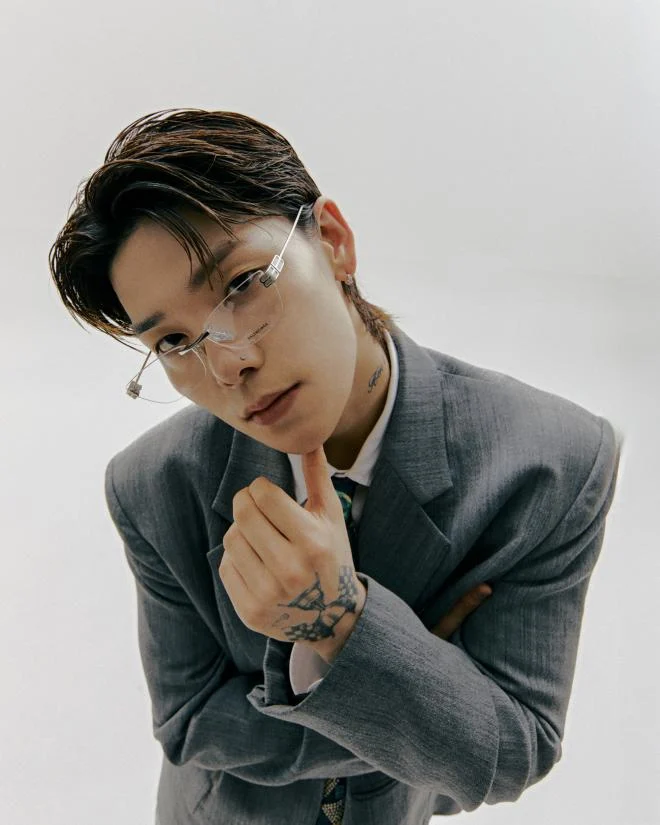
The key to successfully incorporating K-pop fashion into one’s personal style lies in strategic integration, focusing on incorporating trends in judicious doses and aligning them with one’s inherent aesthetic preferences. Understanding one’s existing style serves as a compass, guiding the selection of K-pop trends that naturally complement it. While experimentation is an integral part of fashion discovery, it is essential to cultivate a sense of self and to identify what truly resonates. The goal is not to become a mere imitation of idols like Zelo or Minah, but to harness their fashion influence as a catalyst for self-expression.
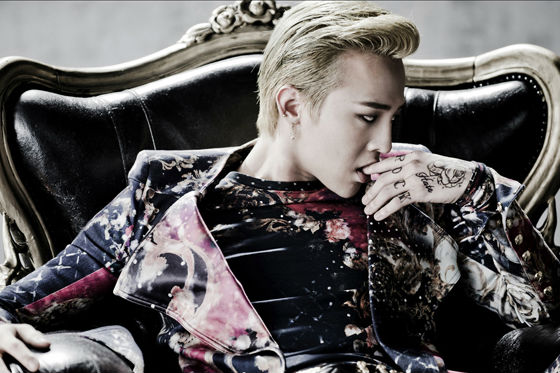
To navigate this process, individuals are encouraged to reflect on their sartorial inclinations. Do they gravitate towards minimalist color palettes and structured silhouettes? Perhaps their preference leans towards a more casual and sporty aesthetic? Some might draw inspiration from menswear, opting for tailored pieces in muted tones. By asking these introspective questions and engaging in thoughtful experimentation, individuals can gradually uncover and refine their unique style. Personal style, while fluid and subject to evolution, is not an insurmountable enigma; it is largely a reflection of one’s likes and dislikes, readily discoverable through conscious observation and exploration.
A Progressive Approach to Wardrobe Evolution
For those who feel their current style is not aligned with their aspirations, the prospect of a complete overhaul may seem daunting. The question arises: can one simply acquire an entire K-pop-inspired outfit? The answer is a resounding yes, with a crucial caveat: style evolution is a progressive journey. Rushing into significant wardrobe changes by investing heavily in a multitude of trendy K-pop garments without careful consideration can lead to disappointment if the acquired pieces do not ultimately align with one’s evolving tastes. A more prudent approach involves starting slowly and introducing new elements in smaller quantities. This allows for a gradual assimilation and assessment of how new items integrate with existing wardrobe staples and personal preferences.
Strategic Acquisition: Maximizing Wardrobe Potential
Once a clearer understanding of personal style emerges, or at least a defined direction for its development, individuals can more effectively evaluate the desirability of specific K-pop-inspired pieces. For example, considering a patterned pant set worn by Fei in a music video or a distinctive jacket sported by Eunhyuk at a concert requires more than just aesthetic appeal. The critical question becomes: how can this item be integrated into one’s existing wardrobe, rather than being paired solely with other trendy pieces? This approach not only fosters a more organic incorporation of new styles but also significantly reduces expenditure. By focusing on how a new acquisition can complement existing items, consumers can achieve a more personalized and cost-effective fashion transformation. This mindful integration ensures that the acquired piece becomes a genuine extension of one’s style, rather than a fleeting trend.
The Power of Confidence and Personalization
Upon determining that a particular item genuinely resonates with one’s established or developing style, the next step is to acquire it and wear it with conviction. While not everyone has access to a personal style coordinator, achieving a polished and stylish appearance is well within reach. The most crucial element is confidence. Self-assurance in one’s fashion choices acts as the ultimate finishing touch, elevating any ensemble.

Ultimately, the process of adopting and adapting K-pop fashion is an ongoing experiment. While some experiments may not yield the desired results, thoughtful consideration and a commitment to making trends one’s own are paramount. By embracing this approach, individuals can cultivate the confidence to assemble diverse outfits without the concern of appearing to be wearing a costume or engaging in cosplay of their favorite K-pop idols. The journey is about discovery, adaptation, and the celebration of individual style, informed and inspired by the dynamic world of Korean pop culture.
Supporting Data and Industry Context
The global influence of K-pop fashion is not merely anecdotal; it is supported by significant market trends and consumer behavior. The K-pop industry, valued at billions of dollars annually, relies heavily on visual merchandising and the aspirational lifestyles projected by its artists. Fashion brands worldwide actively seek collaborations with K-pop groups and idols, recognizing their power to drive consumer demand. For instance, major luxury houses like Chanel, Dior, and Louis Vuitton have appointed K-pop stars as global ambassadors, underscoring the significant impact these artists have on the fashion landscape. This strategic alignment often results in a surge in sales of items endorsed or worn by these idols, demonstrating a direct link between K-pop visibility and fashion consumption.
Furthermore, the rise of social media platforms has amplified this effect. Instagram, TikTok, and YouTube have become primary channels through which fans consume and disseminate K-pop fashion content. Fan-created "outfit breakdowns" and style analyses of idols’ appearances garner millions of views, further solidifying the idols’ status as fashion influencers. This digital ecosystem allows for rapid trend diffusion and provides a constant stream of inspiration for global fans. The accessibility of online retail further facilitates the emulation of K-pop styles, enabling consumers from diverse geographical locations to purchase items that mirror those worn by their idols.
Chronology of K-Pop Fashion Influence
The increasing influence of K-pop on global fashion can be traced through several key developmental phases:

- Early 2000s – The Emergence of Visual Identity: As K-pop began to gain traction internationally, early idol groups like H.O.T. and S.E.S. established the importance of synchronized fashion and distinct concepts for each comeback. This laid the groundwork for the visual-centric approach that would become a hallmark of the industry.
- Mid-to-Late 2000s – The Hallyu Wave and Growing Recognition: The "Korean Wave" (Hallyu) gained momentum, bringing K-pop to a wider international audience. Groups like Girls’ Generation and BIGBANG began to showcase more diverse and trend-setting styles, attracting attention from fashion media and consumers beyond Asia. This period saw the initial emergence of fan communities actively discussing and attempting to replicate idol fashion.
- Early 2010s – The Rise of Social Media and Global Fandom: The proliferation of social media platforms significantly accelerated the dissemination of K-pop fashion. Fans could easily access high-resolution images and videos of idols, leading to a surge in online discussions, fashion blogs, and fan-curated style guides. This era marked a more direct engagement with idol fashion as a source of personal inspiration.
- Mid-2010s to Present – Mainstream Integration and Brand Collaborations: K-pop idols became increasingly recognized as significant fashion influencers on a global scale. Major international fashion brands began actively pursuing collaborations and appointing K-pop stars as ambassadors, recognizing their immense market reach and influence on consumer trends. This period solidified K-pop fashion’s place within the mainstream fashion conversation, moving beyond niche fan communities to broader cultural impact.
Analysis of Implications and Broader Impact
The pervasive influence of K-pop fashion carries several significant implications for both the industry and consumers. For the K-pop industry, fashion is an integral component of artist branding and a powerful tool for attracting and retaining global fan bases. The visual appeal generated through carefully crafted styling contributes significantly to an idol group’s overall appeal and marketability. This emphasis on fashion has also fostered a new generation of fashion-conscious consumers who are more open to experimenting with diverse styles and trends influenced by global pop culture.
On a broader cultural level, K-pop fashion has contributed to the diversification of global fashion narratives. It has challenged traditional Western-centric fashion norms and introduced a vibrant blend of East Asian aesthetics, streetwear influences, and avant-garde designs into the mainstream consciousness. The accessibility of K-pop content through digital platforms has democratized fashion inspiration, allowing individuals from various backgrounds to engage with and adapt global trends. This fosters a more inclusive and dynamic fashion landscape where inspiration can flow from multiple cultural sources. The trend of idols actively participating in fashion weeks and engaging with designers further solidifies K-pop’s role as a significant force in the international fashion industry, influencing not just consumer behavior but also design trends.
Conclusion
The allure of K-pop fashion is undeniable, offering a rich tapestry of styles that inspire and captivate. While the temptation to replicate idol looks wholesale is understandable, the true art lies in discerning how to integrate these trends into one’s personal style in an authentic and meaningful way. By focusing on self-awareness, strategic experimentation, and mindful acquisition, individuals can successfully navigate the dynamic world of K-pop fashion, transforming inspiration into a unique and confident personal expression. The journey is not about becoming someone else, but about discovering and amplifying one’s own style, enriched by the vibrant creativity emanating from the global K-pop phenomenon.