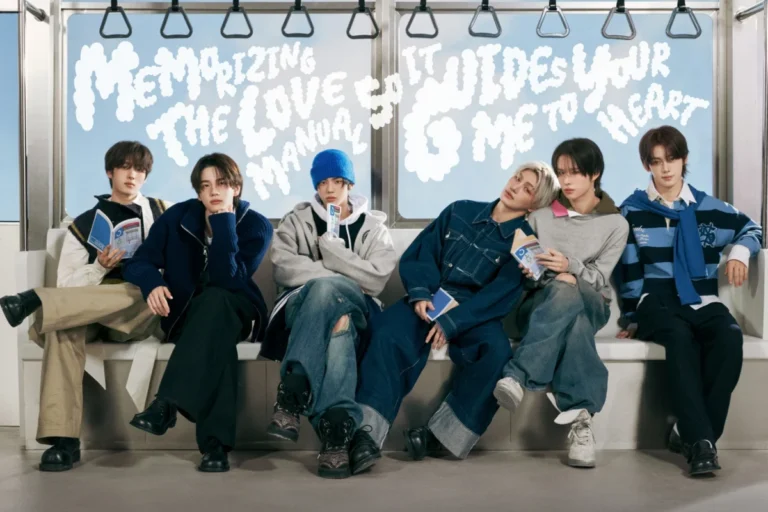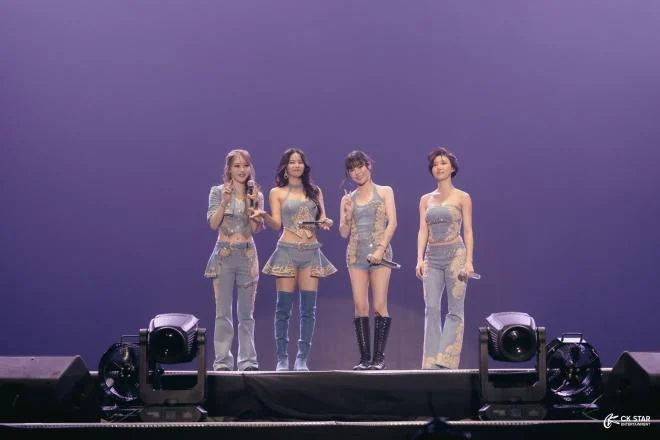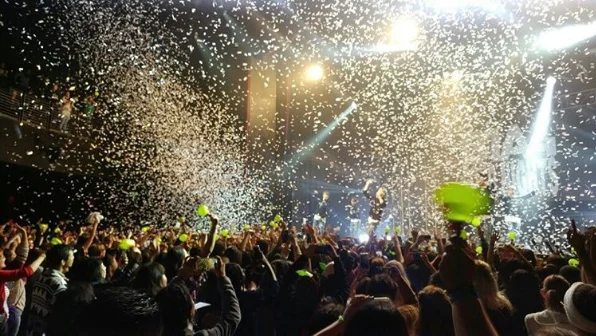
The modern landscape of celebrity culture has undergone a radical transformation, evolving from passive admiration into a sophisticated, highly organized, and often politically charged phenomenon known as the "fandom." While the concept of a fan base is not new, the digital age has empowered these groups to function as decentralized social movements with the capacity to influence global politics, financial markets, and social justice discourse. Within this sphere, K-pop fandoms—such as BTS’s ARMY, Stray Kids’ STAY, and Blackpink’s BLINKs—stand out as the most prominent examples of how collective identity can be synthesized into tangible power. However, the rise of these movements brings a complex duality: while they are capable of extraordinary philanthropic feats, their primary allegiance remains to a person—the idol—rather than an abstract ideology, leading to a tension between genuine activism and protective brand management.
The Sociology of Collective Action and Fandom Identity
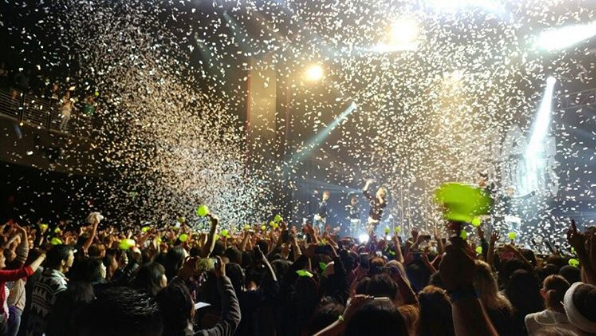
To understand the influence of K-pop fans, one must first examine the sociological framework of a social movement. Social movements are defined as collective actions that span diverse networks of individuals and groups, united by a shared identity and a common goal. In the context of K-pop, this identity is often codified through "fandom names," specific color schemes, and shared terminologies that transcend borders, languages, and demographics.
The efficacy of these groups is deeply rooted in the concept of collectivism, a cultural pillar in many Asian societies, including South Korea. Unlike Western individualism, which prioritizes the self, collectivism emphasizes the well-being and reputation of the community or the central figurehead. In the K-pop industry, this manifests as an intense, symbiotic relationship between the artist and the fan. The fan’s labor—whether it be mass-streaming a music video, purchasing multiple copies of an album to boost chart rankings, or organizing massive birthday advertisements in Times Square—is viewed as a contribution to a collective victory. This infrastructure of mobilization allows fandoms to pivot from entertainment-focused goals to social and political causes with remarkable speed.
The Hallyu Wave and the Infrastructure of Globalization
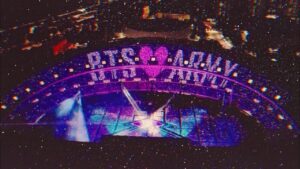
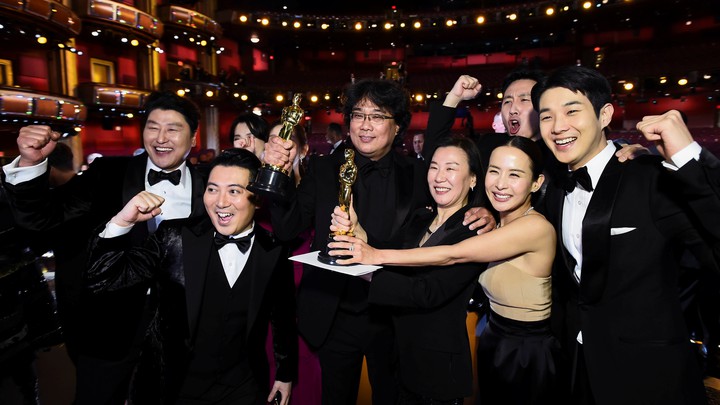
The ability of K-pop fandoms to act on a global scale is a direct result of "Hallyu," or the Korean Wave. This state-supported cultural export strategy has seen South Korean entertainment dominate global markets over the last decade. The success of Korean cinema, exemplified by Bong Joon-ho’s Parasite winning the Academy Award for Best Picture in 2020 and Youn Yuh-jung’s Best Supporting Actress win for Minari in 2021, provided the cultural legitimacy that paved the way for K-pop’s total market penetration.
Globalization has removed physical borders, allowing a teenager in Brazil and a professional in France to participate in the same digital campaign simultaneously. K-pop marketing agencies have leaned into this by creating "shareable" content. The "reaction video" culture, for instance, has become a genre unto itself. Channels like ReacttotheK provide a feedback loop where the analysis of the music attracts new demographics, such as classical musicians or music theorists, further expanding the movement’s reach. This globalized network serves as the communication infrastructure for what sociologists now recognize as digital social movements.
Chronology of Mobilization: From Music to Social Justice
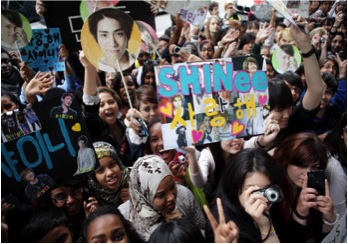
The year 2020 served as a turning point for K-pop fandoms, as they transitioned from the periphery of pop culture into the center of the political zeitgeist. The timeline of these events illustrates the speed and scale of their collective action:
- June 4, 2020: In the wake of the George Floyd protests, BTS and their label, Big Hit Entertainment (now HYBE), announced a $1 million donation to the Black Lives Matter (BLM) movement.
- June 5, 2020: Within hours, the fan-led charity group "One In An ARMY" launched the #MatchAMillion campaign. Using social media to coordinate micro-donations from thousands of individuals globally, the fandom successfully matched the $1 million mark in just over 24 hours.
- June 20, 2020: Thousands of K-pop fans and TikTok users claimed to have registered for tickets to Donald Trump’s campaign rally in Tulsa, Oklahoma, with no intention of attending. The rally, which expected a massive turnout, saw an attendance of fewer than 6,200 people in a 19,000-seat arena. While political analysts debated the direct impact of the fans, the event solidified the reputation of "K-pop stans" as a formidable digital force.
- Early 2021: A wave of "school violence" (bullying) allegations hit the Korean entertainment industry. Among those accused was Stray Kids’ Hyunjin. His fandom, STAY, utilized social movement tactics—trending hashtags and organized messages of support—to signal to the record label that their financial and emotional support remained contingent on the idol’s retention, showcasing the protective side of collective action.
The Mechanics of Digital Guerrilla Tactics
The power of K-pop fandoms is not merely a matter of numbers; it is a matter of tactical expertise. These groups operate with the precision of a digital marketing agency. One of their most effective tools is the "hashtag takeover." When racist or exclusionary hashtags, such as #WhiteLivesMatter, began to trend during the summer of 2020, K-pop fans flooded the tags with "fancams"—short videos of their favorite idols performing. This effectively "drowned out" the original content, rendering the hateful rhetoric invisible to the casual scroller.
Furthermore, fans employ a practice known as "clearing the searches." When an idol is involved in a scandal or receives negative press, fans will tweet the idol’s name alongside positive keywords (e.g., "[Idol Name] talented," "[Idol Name] kind") thousands of times. This manipulates search engine algorithms so that anyone looking for information on the scandal is instead met with a wall of praise. While fans view this as a protective measure, critics argue it is a form of information suppression that prevents accountability.
The Internal Conflict: Minority Voices and Fandom Hegemony
Despite their capacity for social good, K-pop fandoms are often criticized for internal hypocrisy. The same "collectivism" that allows for a $1 million donation can also be used to silence dissenting voices within the community. Black K-pop fans, in particular, have frequently spoken out about the harassment they face when pointing out instances of cultural appropriation or the use of racial slurs by idols.
In these instances, the "common goal" of the social movement—protecting the idol’s image—often takes precedence over the social justice values the fandom claims to uphold. When a minority fan raises a grievance, they are often "dogpiled" by thousands of other fans who view the criticism as an attack on the collective. This suggests that for many, the activism is performative or secondary to the primary objective of idol worship. The movement, therefore, is not inherently progressive; it is "idol-centric."
Analysis of Implications and Future Outlook
The emergence of K-pop fandoms as social movements represents a new era of "soft power." For the South Korean government, these fandoms are an invaluable asset, providing a global lobby that promotes Korean culture and interests. For the fans, the movement offers a sense of belonging and agency in an increasingly fragmented world.

However, the weaponization of fandom also poses risks. The ability to disrupt political rallies or manipulate information flows online is a power that lacks traditional oversight. As these groups become more politically active, the line between "fan" and "activist" will continue to blur. The primary takeaway for observers is that K-pop fandoms are not a monolith of justice; they are a sophisticated infrastructure of mobilization. Their impact on the world depends entirely on where the collective decides to point its lens.
In conclusion, while K-pop fandoms share the structural characteristics of social movements—networks, shared identity, and collective action—they differ in their ultimate motivation. Traditional social movements are built around an idea or a policy change; K-pop movements are built around a human brand. As long as the idol remains the sun around which the fandom orbits, their "activism" will remain a powerful, yet volatile, tool of celebrity protectionism. The global community must recognize this power for what it is: a new, unregulated form of digital influence that can just as easily clear a path for justice as it can obscure the truth.