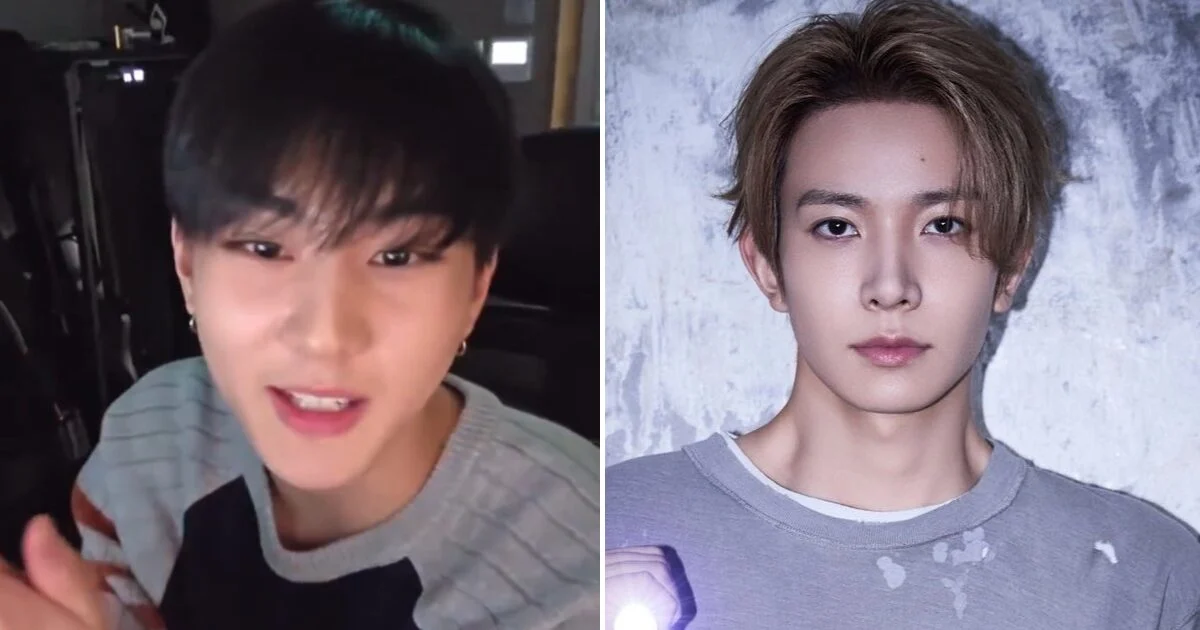
The landscape of K-pop fandom dynamics faced a moment of significant tension on March 26, 2026, when Jungwon, the leader of the globally recognized group ENHYPEN, held a live broadcast to connect with fans. While such interactions are typically characterized by lighthearted updates and domestic anecdotes, this particular session was overshadowed by an ongoing internal conflict within the fandom, known as ENGENE. The discord stems from the recent and sudden departure of Heeseung, a foundational member of the group, which has left the community divided and vocal. During the broadcast, Jungwon took the rare step of directly addressing the behavior of viewers, specifically targeting the influx of "numbers" in the comment section—a reference to the competing slogans "ENHYPEN is 7" and "ENHYPEN is 6." His visible discomfort and subsequent decision to terminate the stream early have sparked a broader conversation regarding artist boundaries and the psychological toll of fan-led activism on remaining group members.
The Context of the Conflict: Heeseung’s Departure
To understand the weight of Jungwon’s comments, it is necessary to examine the events that transpired earlier in March 2026. Heeseung, often referred to as the "ace" of ENHYPEN due to his extensive training period and central role in the group’s vocal and performance hierarchy, shocked the industry by announcing his departure. While the official statement from BELIFT LAB cited personal reasons and a desire to pursue a different path, the vacuum left by his absence created an immediate identity crisis for the group’s followers.
Since their formation on the survival reality show I-LAND in 2020, the number "7" has been a core component of the group’s branding and the fans’ emotional investment. The transition from a septet to a sextet has not been a seamless one for the global audience. In the weeks following the announcement, social media platforms became a battleground between "OT7" fans—those who insist on acknowledging the group only in its original form—and "OT6" fans, who advocate for moving forward and supporting the remaining members: Jungwon, Jay, Jake, Sunghoon, Sunoo, and Ni-ki.
Chronology of the March 26 Live Broadcast
The March 26 broadcast began like many others, with Jungwon attempting to maintain a sense of normalcy for the fans. However, the real-time comment feed on the platform was quickly overwhelmed by a repetitive "number game." Thousands of comments consisted solely of the digit "7" or the phrase "ENHYPEN IS 7," countered by others typing "6" to signal their support for the current lineup.

As the stream progressed, Jungwon’s demeanor shifted from his usual composed and welcoming self to one of evident fatigue. Observers noted that he spent several minutes reading the comments in silence before choosing to speak up. His address was direct: "Everyone, could you please stop with the numbers in the comments? Everything always ends up being about those numbers, so I wish only ENGENEs would come."
The implication of his statement was profound. By distinguishing between those participating in the "number game" and "ENGENEs," Jungwon suggested that the constant reminders of the group’s fractured state were perceived as disruptive rather than supportive. Shortly after making these remarks, Jungwon ended the live broadcast, a move that many interpreted as a self-preservation tactic in the face of an increasingly toxic digital environment.
The Role of Leadership in Times of Crisis
Jungwon’s position as the leader of ENHYPEN has always been unique. Appointed to the role at a young age, he has been praised for his maturity and ability to mediate between the members and the agency. However, the departure of a member—especially one as prominent as Heeseung—places an unprecedented burden on a leader. Jungwon is not only navigating his own personal grief and the professional restructuring of the group’s choreography and vocal arrangements but is also expected to serve as the emotional anchor for a global fandom.
The directness of his plea on March 26 reflects a growing trend among K-pop idols who are increasingly setting boundaries regarding fan behavior. In the past, idols were often expected to ignore negative or disruptive comments during live streams. Jungwon’s decision to confront the issue head-on indicates that the "number game" had reached a level of saturation that made meaningful interaction with the fans impossible.
Fan Reactions and Social Media Discourse
The reaction to Jungwon’s broadcast was immediate and polarized. On platforms such as X (formerly Twitter) and Weverse, the hashtag #RespectJungwon began to trend as fans rallied to defend the leader’s right to a comfortable workspace. Many argued that spamming "7" in a live stream featuring the remaining members is disrespectful to their hard work and their efforts to maintain the group’s momentum despite the loss.

One viral post from a fan stated, "Jungwon being active on Weverse and coming to live despite the current situation shows how much he loves interacting with us. But the moment he turns on the live, the comments are flooded. Please respect his space." Another user echoed this sentiment, urging the fandom to "extend to him the same grace as well as with everyone."
Conversely, a segment of the fandom remains adamant that their insistence on "7" is a sign of loyalty to Heeseung and a protest against the circumstances of his departure. For these fans, the number is a symbol of the group’s history that cannot be erased. However, the fallout from the March 26 broadcast has forced many to reconsider whether these "protests" are inadvertently harming the very artists they claim to support.
Data and Trends: The Impact of Comment Spamming
The phenomenon of comment spamming on K-pop platforms like Weverse and YouTube has become a significant concern for talent agencies. Analytical data suggests that during periods of group controversy, up to 60% of live chat content can consist of repetitive slogans or emojis, which drown out genuine questions and interactions. This "noise" reduces the quality of the engagement for both the artist and the average viewer.
Furthermore, psychological studies on social media interaction suggest that "flooding" or "spamming" can trigger stress responses in individuals who are the target of the attention. For an idol like Jungwon, who is monitoring the feed in real-time to find topics of conversation, a wall of conflicting numbers serves as a constant visual reminder of the group’s instability and the fandom’s internal strife.
Official Responses and Broader Implications
While BELIFT LAB has not issued a specific statement regarding the March 26 broadcast, the agency has previously updated its fan etiquette guidelines to include prohibitions on "repetitive and disruptive comments during live broadcasts." The incident with Jungwon may prompt more stringent moderation tools, such as the implementation of "slow modes" or keyword filtering to prevent the "number game" from dominating future streams.

The broader implications for ENHYPEN as they transition into their new era as a six-member group are significant. The group is currently in a "re-stabilization" phase. Historical precedents in K-pop—such as the departures from groups like Stray Kids, LE SSERAFIM, or NMIXX—show that while the initial period of adjustment is volatile, groups can find a new equilibrium if the fandom eventually accepts the change. However, the speed of this acceptance often depends on the group’s ability to foster a positive environment in their direct communications with fans.
Analysis of the "Number Game" as a Cultural Phenomenon
The "ENHYPEN IS 7" versus "ENHYPEN IS 6" debate is a microcosm of a larger issue within K-pop: the struggle between the "original" identity of a group and its "evolved" reality. In many ways, the fans typing "7" are experiencing a form of digital mourning. They are using the only tool available to them—the comment section—to express a refusal to accept a new reality.
However, from a journalistic and industry perspective, this behavior highlights a lack of "fan literacy" regarding the emotional labor of the artists. Jungwon’s plea for "only ENGENEs" to join suggests a desire for a "safe space" where the group can exist as they are now, without being haunted by the shadow of who they were. The "number game" is seen by the members not as an act of loyalty to a former teammate, but as a rejection of the current members’ presence and efforts.
Conclusion: The Path Forward for ENHYPEN
As ENHYPEN prepares for their upcoming schedules and potential new releases in the latter half of 2026, the incident on March 26 serves as a critical turning point. It has laid bare the emotional toll that the current fandom climate is taking on the group’s leader. For ENHYPEN to move forward successfully, a reconciliation between the group’s past and its present seems necessary.
The responsibility now lies with the fandom to heed Jungwon’s request. Respecting the boundaries set by the artist is a fundamental aspect of the idol-fan relationship. If the "number game" continues to disrupt the group’s ability to communicate with their audience, it may lead to a permanent shift in how—or if—the members choose to engage in live, unscripted broadcasts.
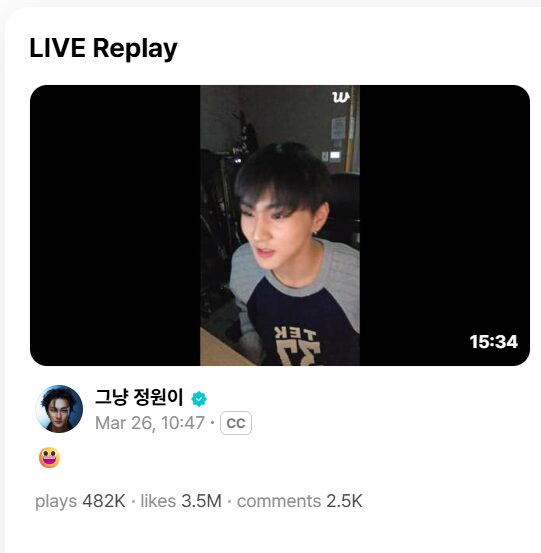
In the coming weeks, industry analysts will be watching closely to see if the "numbers" in the comments subside or if the group’s agency will be forced to intervene with more drastic technical measures. For now, Jungwon’s brief but pointed message remains a stark reminder that behind the global fame and meticulously choreographed performances are individuals navigating complex transitions under the unrelenting gaze of millions. The hope for many is that the grace Jungwon requested will be granted, allowing ENHYPEN to find its footing once again, regardless of the number of members on stage.