The Emergence of Artist-Founded Agencies: K-Pop Idols Forge New Paths to Creative and Business Autonomy
Article Editorial Team

The K-Pop industry, long characterized by its powerful, centralized entertainment conglomerates, is witnessing a significant paradigm shift as an increasing number of prominent idols are taking the reins of their careers by establishing their own independent agencies. This burgeoning trend reflects a deeper desire for creative control, financial autonomy, and the opportunity to build a personal legacy beyond the traditional idol system, fundamentally reshaping the landscape of Korean entertainment. From seasoned veterans to active group members, these artist-entrepreneurs are charting new courses, demonstrating a maturing industry where talent seeks greater agency over their artistic and business ventures.
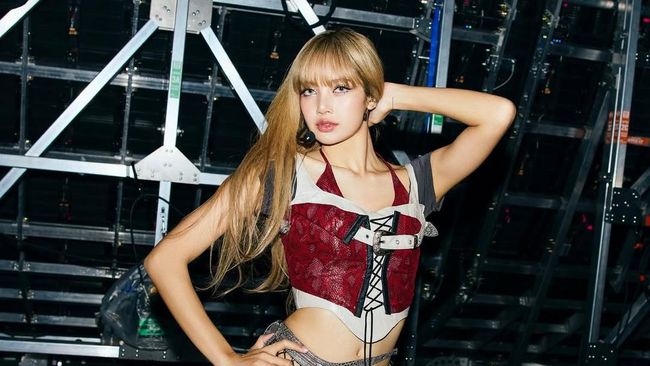
The traditional K-Pop industry model has historically been dominated by a handful of major entertainment agencies, often referred to as the "Big 3" (SM Entertainment, YG Entertainment, JYP Entertainment) and more recently, HYBE Corporation. These companies are renowned for their rigorous trainee systems, comprehensive artist development programs, and meticulous management of every aspect of an idol’s career, from music production and choreography to styling and public appearances. While this system has been instrumental in globalizing K-Pop and producing world-class stars, it has also been criticized for its demanding schedules, restrictive contracts, and often limited artistic freedom for idols. Artists typically sign lengthy contracts, sometimes extending up to seven years or more, during which their creative input might be secondary to the agency’s overarching vision. The expiration of these contracts, often dubbed the "7-year curse," frequently marks a pivotal moment for idols, prompting decisions about re-signing, departing, or seeking alternative management structures.
As K-Pop has grown into a global cultural phenomenon, its artists have matured not only in their craft but also in their understanding of the industry’s business intricacies. Many second and third-generation idols, having accumulated years of experience, built strong fan bases, and amassed significant capital, are now leveraging their expertise and influence to create their own management entities. This move is driven by a desire to exercise greater creative control over their music, concepts, and overall artistic direction, often seeking a more direct connection with their audience. Furthermore, establishing their own agencies allows for more favorable profit-sharing structures and greater financial independence, enabling artists to invest directly in their own projects and future endeavors. It also provides a platform to nurture new talent, develop diverse content, and build a lasting legacy that extends beyond their performing careers.
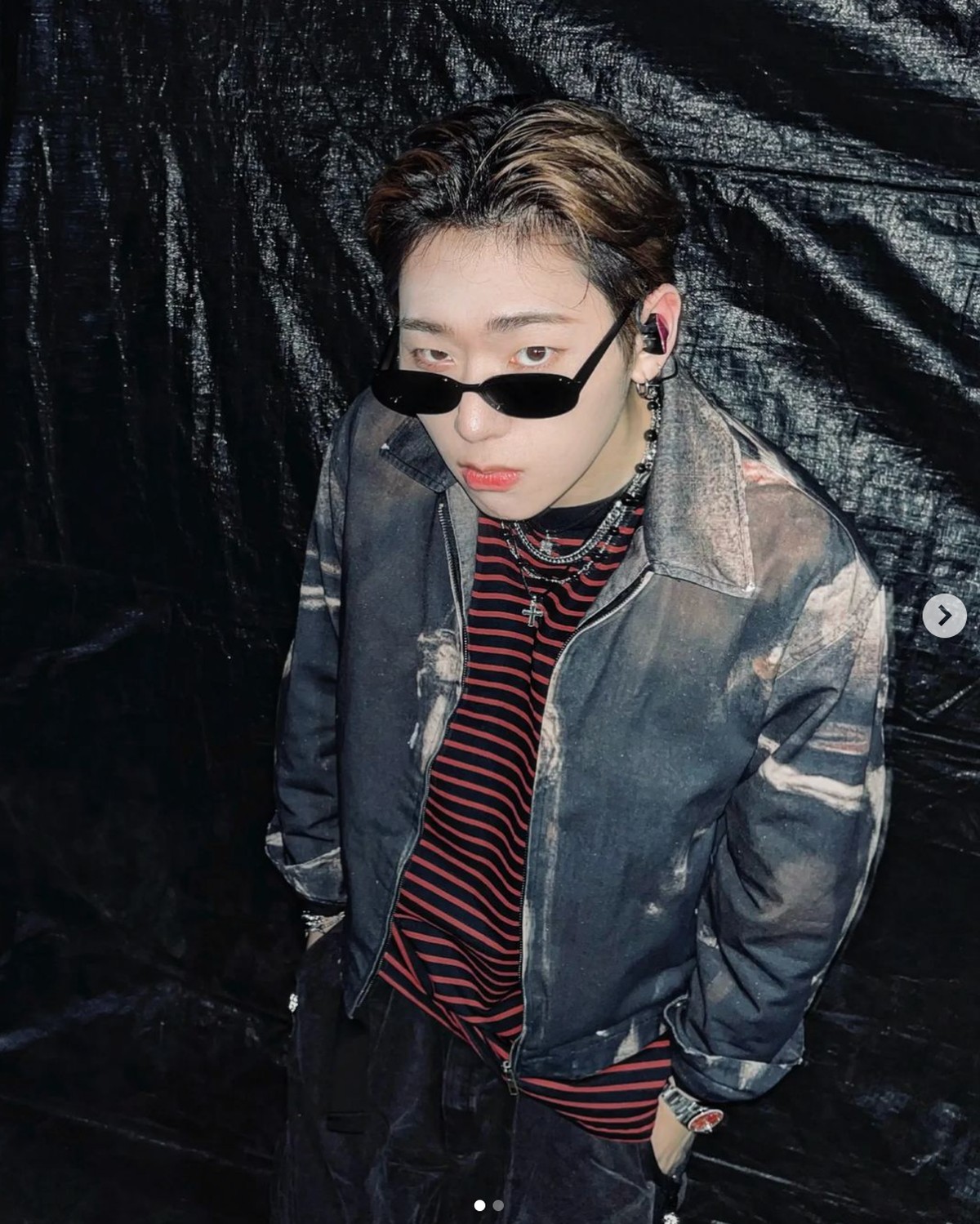
This wave of artist entrepreneurship has seen a diverse array of K-Pop figures venturing into agency ownership, each with unique motivations and business models.
Zico: From Block B Leader to HYBE Subsidiary CEO
One of the pioneers in this recent wave is Zico, the multifaceted rapper, producer, and leader of the idol group Block B. Zico founded KOZ Entertainment in November 2018, initially as an independent label focusing on hip-hop and R&B artists. His vision was to create a creative hub where artists could freely express themselves. In 2020, KOZ Entertainment made headlines when it was acquired by HYBE Corporation, the powerhouse behind global sensation BTS. This strategic move allowed Zico to maintain his artistic autonomy while benefiting from the robust infrastructure and global reach of one of the industry’s biggest players. Under KOZ Entertainment, Zico has successfully debuted the boy group BOYNEXTDOOR, further solidifying his position not just as an artist but as a prominent executive in the K-Pop landscape. The acquisition by HYBE demonstrated a new pathway for artist-founded labels: gaining stability and resources through a larger parent company while potentially retaining significant creative control. This hybrid model offers a compelling alternative to complete independence, mitigating some of the financial and logistical burdens associated with running a standalone agency.

PSY: The Global Superstar’s Vision for Artistic Freedom
The iconic "Gangnam Style" hitmaker, PSY, known for his irreverent style and global appeal, launched his own agency, P NATION, in January 2019. Having experienced both immense global success and the intricacies of the traditional agency system, PSY envisioned P NATION as a sanctuary for artists seeking ultimate creative freedom. His agency quickly garnered attention by signing a roster of highly respected solo artists, including Crush, Heize, Jessi (who later departed), HyunA, Dawn, and the boy group The New Six (TNX). PSY’s philosophy centers on empowering artists to produce music and content that truly reflects their identity, without the often stringent corporate oversight seen elsewhere. P NATION’s success demonstrates that a focus on artistic integrity and individuality can attract top-tier talent and carve out a significant niche in a competitive market. PSY’s direct involvement as a mentor and producer, leveraging his vast experience, offers a unique value proposition for artists under his wing.
Lay EXO: Bridging East and West with Chromosome Entertainment
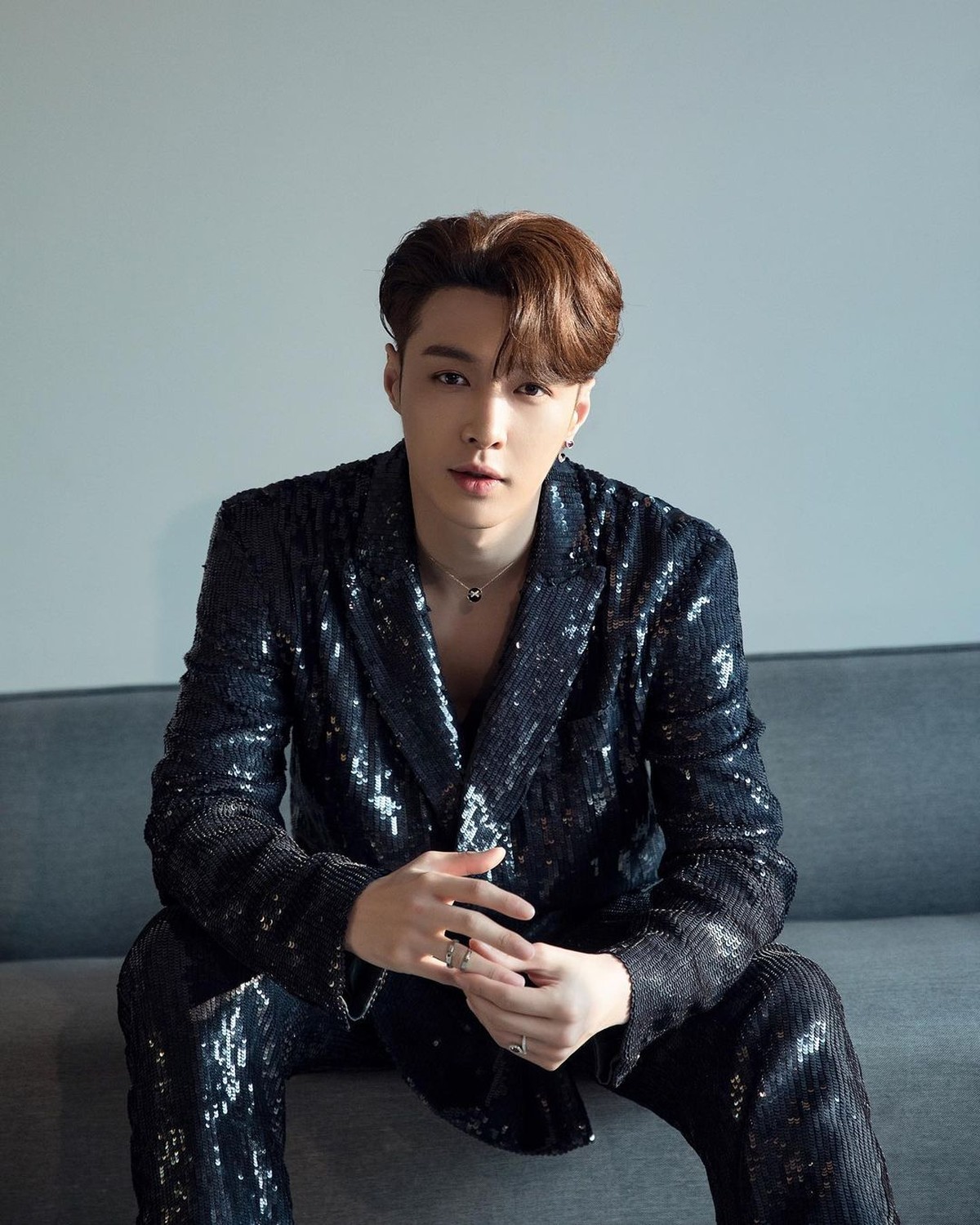
Lay Zhang, a prominent member of the globally popular boy group EXO, established Chromosome Entertainment in China in 2020. While Lay maintains his association with SM Entertainment for EXO’s group activities, Chromosome Entertainment primarily manages his extensive solo career in China and aims for global expansion. The agency focuses on producing music, film, and television content, as well as developing new trainees within the burgeoning Chinese entertainment industry. Lay’s move highlights the complex dynamics of artists operating across different markets and maintaining dual affiliations. His agency represents a strategic effort to consolidate his brand and artistic vision within the massive Chinese market, while also serving as a platform to foster new talent with a global outlook. Chromosome Entertainment signifies an artist’s desire to control their narrative and business in a region where they hold significant influence, showcasing a model of hybrid management.
Jay Park: The Serial Entrepreneur of K-Hip Hop and R&B
Jay Park is perhaps the quintessential example of an artist-turned-entrepreneur in the K-Pop and K-Hip Hop scene. After founding highly successful labels AOMG (Above Ordinary Music Group) and H1GHR MUSIC, which became pillars of the Korean hip-hop and R&B genres, Jay Park announced his departure from both companies in 2021 to embark on a new venture. In March 2022, he launched MORE VISION, a new entertainment company dedicated to "creating more visions" and exploring diverse artistic expressions beyond his previous hip-hop focus. MORE VISION has quickly signed prominent artists such as soloist Chung Ha, dancer Honey J, and has plans to debut new idol groups like LNGSHOT. Jay Park’s successive entrepreneurial endeavors underscore a profound understanding of the music business and a continuous drive to innovate and diversify. His ability to build and nurture multiple successful labels demonstrates a long-term vision for artist development and industry impact, proving that artists can be highly effective business leaders.
B.I: A Creative Resurgence with 131 Label
Following a period of hiatus and departure from his former group, iKON, B.I (Kim Han-bin) made a powerful return to the music scene by establishing his own company, 131 Label, in 2020. The label serves as the primary platform for B.I’s solo creative projects, allowing him complete control over his music, artistic direction, and public image. 131 Label is not only dedicated to B.I’s prolific output but also actively manages other solo artists, such as Reddy. This move was particularly significant as it allowed B.I to rebuild his career on his own terms, emphasizing authenticity and artistic integrity. His journey highlights how independent labels can offer a path to redemption and creative resurgence for artists who have faced challenges within the more rigid corporate structures. By taking direct ownership of his career, B.I has cultivated a strong, loyal fanbase that values his independent spirit and artistic sincerity.

Super Junior D&E (Donghae & Eunhyuk): Veteran Idols Forge Their Own Path
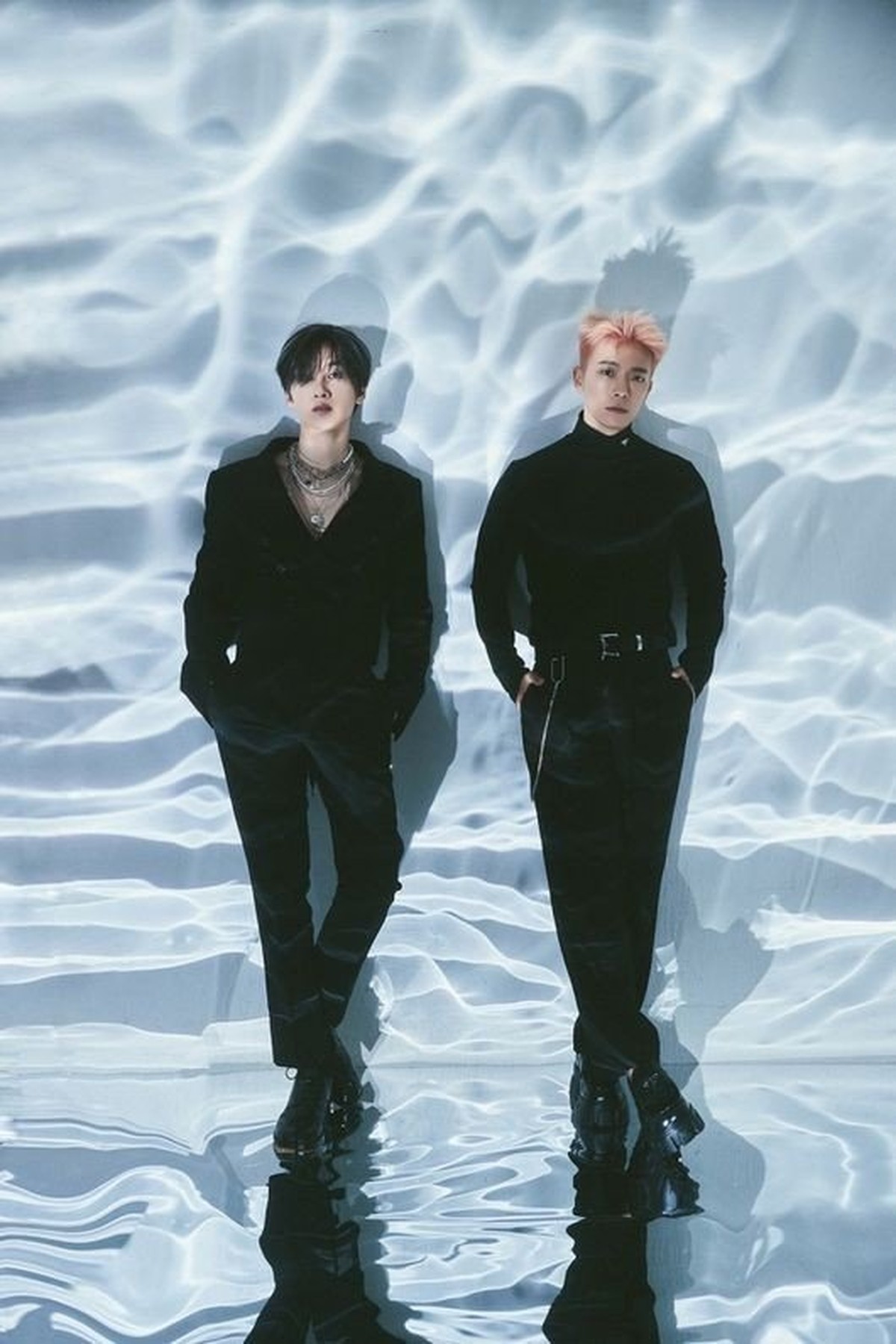
Veteran idols Donghae and Eunhyuk, members of the iconic second-generation group Super Junior and its popular sub-unit Super Junior D&E, officially launched ODE Entertainment in September 2023. This move came after the duo, alongside other Super Junior members, decided not to renew their individual contracts with SM Entertainment, though they remain active as part of Super Junior under a new agreement with SM. ODE Entertainment is specifically focused on managing the individual activities of Donghae and Eunhyuk, as well as their sub-unit Super Junior D&E. This decision by two long-standing idols signifies a desire for more direct control over their extensive careers after decades under a major label. It demonstrates a growing trend among senior idols to leverage their experience and established brand power to create bespoke management systems that cater to their specific needs and creative ambitions, while still maintaining their group identity.
BLACKPINK Members: A New Era of Solo Independence
The global phenomenon BLACKPINK has seen three of its four members establish their own independent agencies, marking a pivotal moment for one of the most successful girl groups in K-Pop history. While all four members — Jennie, Jisoo, Lisa, and Rosé — renewed their group contracts with YG Entertainment, their individual activities are now largely managed through their self-founded labels.
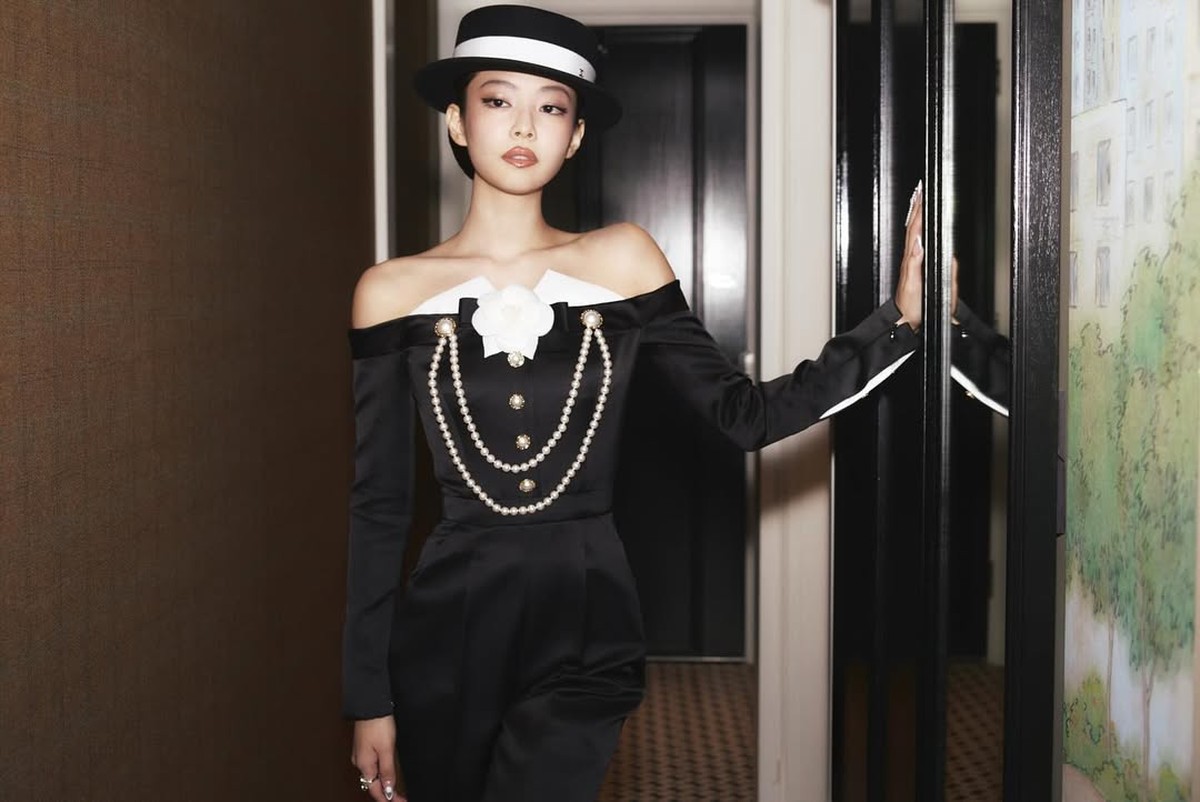
Jennie BLACKPINK was the first to announce her independent venture, ODD ATELIER (OA), in November 2023. OA is dedicated to managing Jennie’s solo music projects and other individual endeavors, allowing her full creative and business control. Her decision sent ripples through the industry, signaling a new model where global superstars can maintain group ties while carving out completely independent solo careers.
Following closely, Lisa BLACKPINK launched her artist management agency, LLOUD, in February 2024. LLOUD’s mission is to manage Lisa’s solo activities and to "showcase her vision for music and entertainment." With her immense global influence and diverse interests, LLOUD is poised to become a platform for various creative projects and potential new talent, further cementing her status as a global icon and entrepreneur.
Most recently, Jisoo BLACKPINK joined her bandmates by establishing her personal agency, BLISSOO, in February 2024. BLISSOO is set to focus on Jisoo’s solo music career, as well as expanding her presence in the acting world, with plans for various drama and film projects. The synchronized moves by the BLACKPINK members underscore a collective desire for greater artistic autonomy and strategic control over their individual brand development, while collectively committing to their group activities under YG Entertainment. This hybrid management model is a groundbreaking development for the K-Pop industry, showcasing how established groups can navigate the complexities of individual ambition and collective identity.
Jay B GOT7: Protecting Group Legacy with 528Hz
Jay B (Lim Jae-beom), the leader of the popular boy group GOT7, has taken a unique approach to artist entrepreneurship by establishing his own label, 528Hz. What sets Jay B’s venture apart is its specific focus on managing the trademark rights of his group, GOT7. After leaving JYP Entertainment, the members of GOT7 collectively secured the rights to their group name, a rare feat in K-Pop. Jay B, acting as the CEO and a primary artist under 528Hz, plays a crucial role in overseeing and protecting the group’s intellectual property. This initiative highlights a deep commitment to preserving GOT7’s legacy and ensuring the group’s future activities are managed independently and collectively by its members. It represents a powerful statement about artist ownership and the importance of controlling one’s artistic history, providing a blueprint for other groups seeking to maintain their identity post-agency departure.
Ten NCT: A Creative Project for Independent Sound
Ten (Chittaphon Leechaiyapornkul), a prominent member of NCT and WayV, has recently embarked on a new creative venture by launching illimnt with the project TENTH SOUND in 2024. While Ten remains an active artist under SM Entertainment for his group activities with NCT and WayV, this initiative signals a desire for more artistic control over his solo music projects and creative direction. The establishment of illimnt and TENTH SOUND allows Ten to explore unique soundscapes and artistic concepts that might diverge from his group’s established image, offering a platform for his individual artistic expression. This model, where an artist maintains ties with a major agency for group activities while developing independent creative projects for solo work, represents another facet of the evolving K-Pop landscape, emphasizing flexibility and artistic empowerment without a complete severance of ties.
Motivations Behind the Movement
The increasing number of K-Pop artists founding their own agencies stems from a confluence of powerful motivations:

- Artistic Freedom and Creative Control: This is arguably the primary driver. Artists desire the liberty to choose their music genres, concepts, lyrics, choreography, and visual aesthetics without corporate interference. They want their work to be a genuine reflection of their artistic identity, not just a product of market research or agency strategy.
- Financial Autonomy and Better Profit Sharing: Traditional K-Pop contracts often involve significant revenue splits heavily favoring the agency, especially during the initial years. By owning their labels, artists gain direct control over their earnings, intellectual property, and investment decisions, leading to a more equitable distribution of profits.
- Legacy Building and Vision: Many established idols envision a future beyond their performing careers. Founding an agency allows them to build a lasting legacy, mentor new talent, and shape the industry according to their values and artistic philosophy. They can create a platform for the next generation of artists.
- Leveraging Experience and Networks: After years in the demanding K-Pop industry, these artists have accumulated invaluable experience in music production, marketing, branding, and global outreach. They also possess extensive networks of producers, choreographers, stylists, and industry professionals, which they can leverage for their own ventures.
- Direct Connection with Fans: Independent management often allows for more direct and authentic communication with fans, fostering a stronger sense of community and shared journey.
- Response to Industry Evolution: The global expansion of K-Pop has opened new avenues for artists, making independent ventures more viable. The shift towards digital content and direct-to-consumer models also empowers smaller, artist-led entities.
Challenges and Risks Associated with Artist-Founded Labels
While the allure of independence is strong, artist-founded agencies face significant challenges:
- Financial Burden and Capital Investment: Running an entertainment company requires substantial capital for production, marketing, distribution, staffing, and infrastructure. Artists, while successful, might not always have the deep pockets of major conglomerates.
- Lack of Business Acumen: Artistic talent does not automatically translate into business management prowess. Artists-turned-CEOs often need to quickly learn the complexities of legal contracts, finance, human resources, and strategic planning.
- Intense Competition: The K-Pop market is fiercely competitive. Smaller, independent labels may struggle to compete with the marketing budgets, distribution channels, and promotional power of established agencies.
- Maintaining Group Activities vs. Solo Ventures: For artists who remain part of their original groups, balancing the demands of their solo labels with group commitments can be complex, requiring careful negotiation and scheduling.
- Staffing and Infrastructure: Building a competent team and establishing efficient operational infrastructure from scratch is a formidable task. Major agencies have years of experience and established systems in place.
- Distribution and Promotion: Securing favorable distribution deals and achieving widespread promotional reach can be challenging for independent labels without the established industry connections of larger companies.
Broader Implications for the K-Pop Industry
The rise of artist-founded agencies has several profound implications for the future of the K-Pop industry:

- Decentralization of Power: This trend chips away at the long-standing dominance of a few major agencies, fostering a more diverse and decentralized industry structure. This could lead to a healthier ecosystem with more varied voices and creative approaches.
- Diversification of Content and Sound: With artists gaining greater creative control, the industry is likely to see a broader spectrum of music genres, artistic concepts, and experimental projects. This could push K-Pop beyond its traditional boundaries.
- Empowerment and Professionalization of Artists: Artists are increasingly viewed not just as performers but as strategic business partners and entrepreneurs. This elevates their status and influence within the industry, leading to more artist-centric business models.
- New Hybrid Business Models: The coexistence of group activities under original agencies and solo ventures under artist-founded labels (as seen with BLACKPINK, Super Junior D&E, Lay EXO) represents an innovative hybrid model. This allows artists to enjoy the benefits of both worlds: group stability and individual autonomy.
- Impact on Trainee System and Talent Development: As artist-founded labels grow, they may develop alternative trainee systems or artist development philosophies that prioritize individual expression and long-term career sustainability over standardized idol training.
- Evolution of Contractual Relationships: This trend is likely to influence future contract negotiations between artists and major agencies, potentially leading to more artist-friendly terms, greater flexibility, and built-in pathways for independent ventures.
Supporting Data and Industry Reactions
While precise statistical data on the market share of artist-founded labels versus major agencies is still emerging, the anecdotal evidence and the increasing frequency of such announcements point to a clear trend. Industry analysts view this movement as a natural maturation of K-Pop, where the artists, who are the core assets, are demanding and gaining more control. This reflects a broader global trend in the music industry where artists are increasingly seeking independence from traditional record labels.
Reactions from various stakeholders offer further insight:

- Artists: Those embarking on this journey consistently articulate a desire for "authentic expression" and "ownership of their narrative." Jay Park, for instance, often speaks of creating "a platform for artists to truly shine."
- Industry Experts: Many observe that this trend signals a shift from a producer-centric to an artist-centric industry. "It’s a natural evolution as K-Pop artists become global brands in their own right," commented one unnamed industry insider. "They have the capital, the experience, and the fanbase to sustain themselves."
- Fans: The response from fans is overwhelmingly positive, often viewing these moves as empowering their favorite idols. There is a strong desire to support artists’ "true colors" and creative visions, although some express concern about the impact on group activities or the financial viability of smaller labels.
- Traditional Agencies: Major agencies are adapting by offering more flexible contracts or by acquiring successful artist-founded labels (like HYBE with KOZ Entertainment). They recognize the need to retain top talent by offering more autonomy, or risk losing them to independent ventures.
In conclusion, the emergence of K-Pop idols establishing their own entertainment agencies represents a transformative chapter in the industry’s history. It underscores a powerful movement towards artist empowerment, creative freedom, and business autonomy. From veterans seeking control over their legacies to active group members charting independent solo paths, these artist-entrepreneurs are not merely performers but visionary leaders reshaping the future of Korean entertainment. This shift promises a more diverse, innovative, and artist-centric landscape, where the passion and vision of the creators themselves drive the evolution of K-Pop on a global stage. The hybrid models and innovative approaches being developed by these pioneering idols are setting new precedents, challenging traditional structures, and ultimately fostering a richer, more dynamic industry for artists and fans alike.
Related News