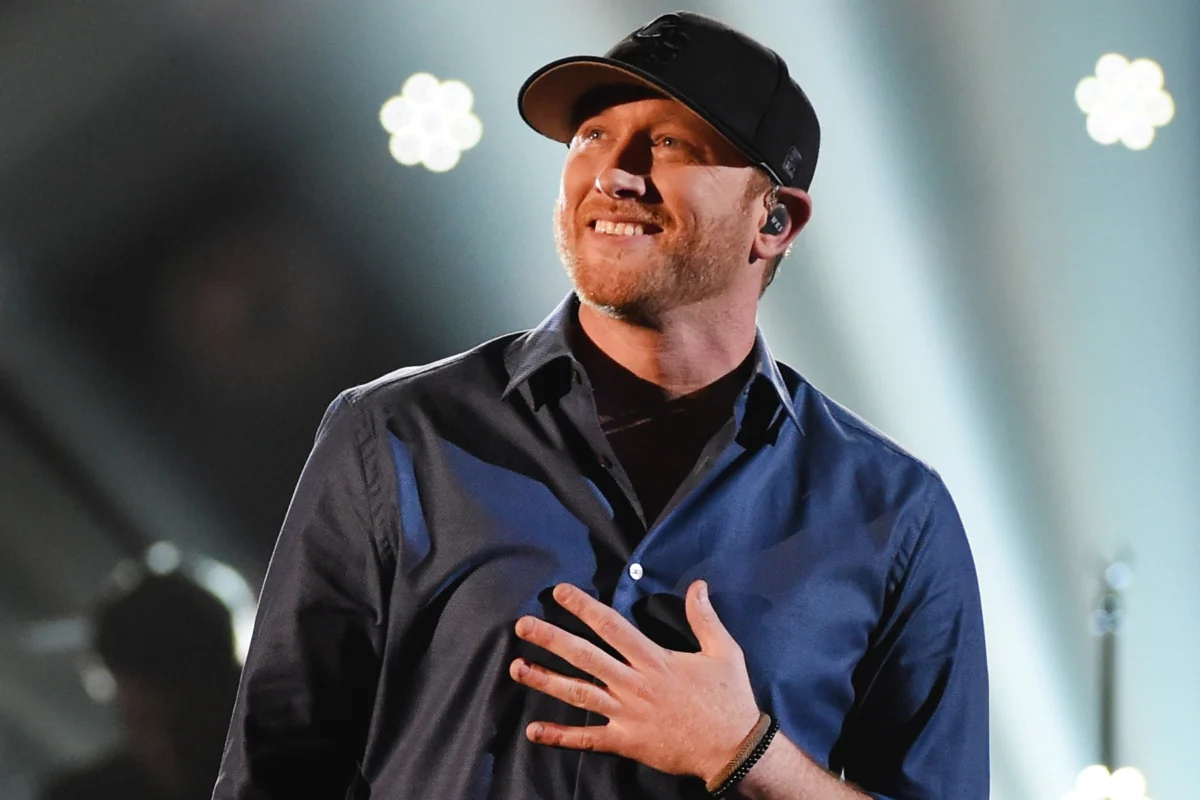
The genesis of Cole Swindell’s chart-topping ballad, "You Should Be Here," lies not just in creative inspiration but in the profound absence left by his father, Bill Swindell. This deeply personal song, which resonated with millions and became a defining moment in Swindell’s career, achieved its status as a No. 1 hit on Billboard’s Hot Country Songs chart, marking a significant milestone for the artist. While Bill Swindell was unable to witness his son’s ultimate success, his influence permeated the very fabric of the song, serving as a poignant tribute to his memory and a testament to the enduring bond between father and son.
A Father’s Unseen Legacy
Bill Swindell, a pivotal figure in Cole’s life and early career, passed away unexpectedly in August 2014. This loss occurred just six weeks after he had signed a recording contract with Warner Music Nashville, a moment that would have undoubtedly filled him with immense pride. While Bill did not live to see his son achieve his first No. 1 single, "Chillin’ It," which spent two weeks atop the Hot Country Songs chart in March 2014, he was present for its nascent stages. The song, co-written with Shane Minor, first gained traction on SiriusXM in May 2013, officially entering the Hot Country Songs chart the following month, signaling the beginning of Cole’s ascent in the country music landscape.
The profound impact of Bill’s passing was keenly felt by Cole. A year after his father’s death, while opening for Luke Bryan at the highly anticipated Gillette Stadium in Foxborough, Massachusetts, on August 10, 2014, Swindell experienced a moment of profound realization. Standing on the stage of an NFL venue, a place he had likely dreamed of performing in with his father present, the absence was palpable. It was in the quiet aftermath, on his tour bus in the stadium’s parking lot, that Swindell, alongside co-writer Ashley Gorley, channeled his grief and longing into the creation of "You Should Be Here." The song became an emotional outlet, a way to articulate the void his father left and the wish for his presence at life’s significant moments.
Chart Success and Enduring Resonance
Released in late 2015, "You Should Be Here" quickly found its audience. The song debuted on the Billboard charts in early January 2016 and ascended to the pinnacle of the Hot Country Songs chart within thirteen weeks, ultimately holding the No. 1 position for four consecutive weeks. This success not only cemented Swindell’s status as a leading artist in country music but also highlighted the universal theme of loss and remembrance that resonated deeply with listeners.
Beyond its impact on the Hot Country Songs chart, "You Should Be Here" also became one of eight songs to reach the top of Billboard’s Country Airplay chart. This achievement underscores Swindell’s consistent ability to connect with country radio audiences. His most recent No. 1 on this chart, "She Had Me at Heads Carolina," further solidifies his enduring presence and success in the genre, demonstrating a sustained career trajectory built on both heartfelt ballads and more upbeat, crowd-pleasing anthems.

The Creative Process and the Weight of Grief
The songwriting process for "You Should Be Here" was a cathartic experience for Cole Swindell. He has often spoken about the emotional weight of writing the song, describing it as one of the most challenging yet rewarding endeavors of his career. The lyrics capture the poignant realization that while life continues and milestones are reached, the absence of a loved one creates an irreplaceable void. Phrases like "If you could see me now, would you be proud?" and the central refrain, "You should be here," speak to the universal human experience of wishing for the presence of those we have lost during moments of joy, achievement, and reflection.
Ashley Gorley, a frequent collaborator with Swindell and a highly successful songwriter in his own right, played a crucial role in bringing the song to life. Gorley’s ability to translate Swindell’s raw emotions into relatable and poignant lyrics was instrumental. The collaboration served as a testament to their creative synergy and their shared understanding of storytelling through music. The song’s authenticity and emotional depth are a direct result of this collaborative process, where personal grief was transformed into a universally understood expression of love and remembrance.
Chronology of a Chart-Topping Tribute
- May 2013: Cole Swindell’s debut single, "Chillin’ It," co-written with Shane Minor, receives its first airplay on SiriusXM.
- June 2013: "Chillin’ It" officially enters Billboard’s Hot Country Songs chart, marking the beginning of Swindell’s charting career.
- July 22, 2014: Swindell signs a recording contract with Warner Music Nashville.
- August 2014: Bill Swindell, Cole’s father, passes away unexpectedly.
- August 10, 2014: While opening for Luke Bryan at Gillette Stadium, Cole Swindell and Ashley Gorley begin writing "You Should Be Here" on Swindell’s tour bus.
- March 1, 2014: "Chillin’ It" reaches No. 1 on Billboard’s Hot Country Songs chart, spending two weeks at the top. (Note: This date is placed here chronologically in relation to the other events, though it occurred prior to the writing of "You Should Be Here" and Bill’s passing, to reflect the context of his early success.)
- January 2, 2016: "You Should Be Here" is officially released, entering the Billboard charts.
- March 26, 2016: "You Should Be Here" climbs to No. 1 on Billboard’s Hot Country Songs chart, its first week at the summit.
- April 23, 2016: "You Should Be Here" completes its four-week run at No. 1 on the Hot Country Songs chart.
- 2022: "She Had Me at Heads Carolina" becomes Swindell’s latest No. 1 on the Country Airplay chart.
The Impact of "You Should Be Here"
The success of "You Should Be Here" extended beyond chart metrics. The song became an anthem for individuals grappling with grief and loss, fostering a sense of community and shared experience among listeners. Its profound emotional resonance led to numerous personal testimonials from fans who found solace and understanding in its lyrics. This ability to connect on such a deep, personal level is a hallmark of enduring country music and a testament to Swindell’s songwriting prowess.
The music video for "You Should Be Here," which visually depicts Swindell revisiting significant places from his childhood and reflecting on his father’s absence, further amplified the song’s emotional impact. The video’s intimate portrayal of memories and loss resonated with a broad audience, contributing to the song’s widespread popularity and critical acclaim. The visual narrative complemented the lyrical storytelling, creating a powerful and cohesive artistic statement.
Broader Implications for Country Music Storytelling
"You Should Be Here" exemplifies the evolving landscape of country music, where artists are increasingly encouraged to share personal narratives and explore complex emotional themes. The song’s success demonstrates that authenticity and vulnerability can translate into significant commercial appeal. It highlights the genre’s capacity to address universal human experiences, such as love, loss, and family, in a way that resonates across diverse demographics.
The enduring legacy of "You Should Be Here" serves as a reminder of the profound connection between an artist’s personal life and their creative output. Cole Swindell transformed a deeply personal tragedy into a song that offered comfort and understanding to countless others, solidifying its place as a modern country classic. The song’s journey from a heartfelt expression of grief to a chart-topping hit underscores the power of music to heal, connect, and transcend individual experiences, all while honoring the memory of a beloved father.