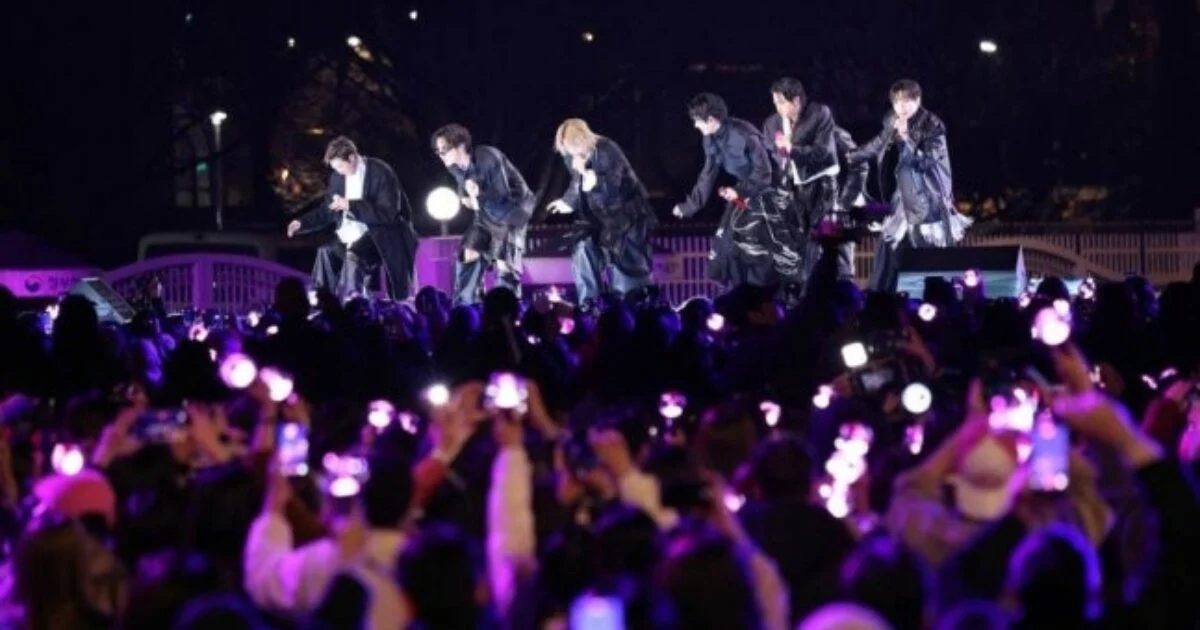
Seoul, South Korea – In a significant development that challenges long-held perceptions of the K-Pop fandom, data from the highly anticipated BTS comeback concert in Gwanghwamun has revealed that individuals in their 40s constituted the largest demographic among attendees. This finding signals a profound evolution within the global K-Pop phenomenon, suggesting a robust expansion beyond its traditional youthful base to embrace a substantial middle-aged audience. The concert, a monumental gathering marking the group’s return, drew an immense crowd to the historic heart of Seoul, underscoring not only BTS’s enduring appeal but also a maturation of its dedicated fanbase, known as ARMY.
The Gwanghwamun Spectacle and Its Unprecedented Scale
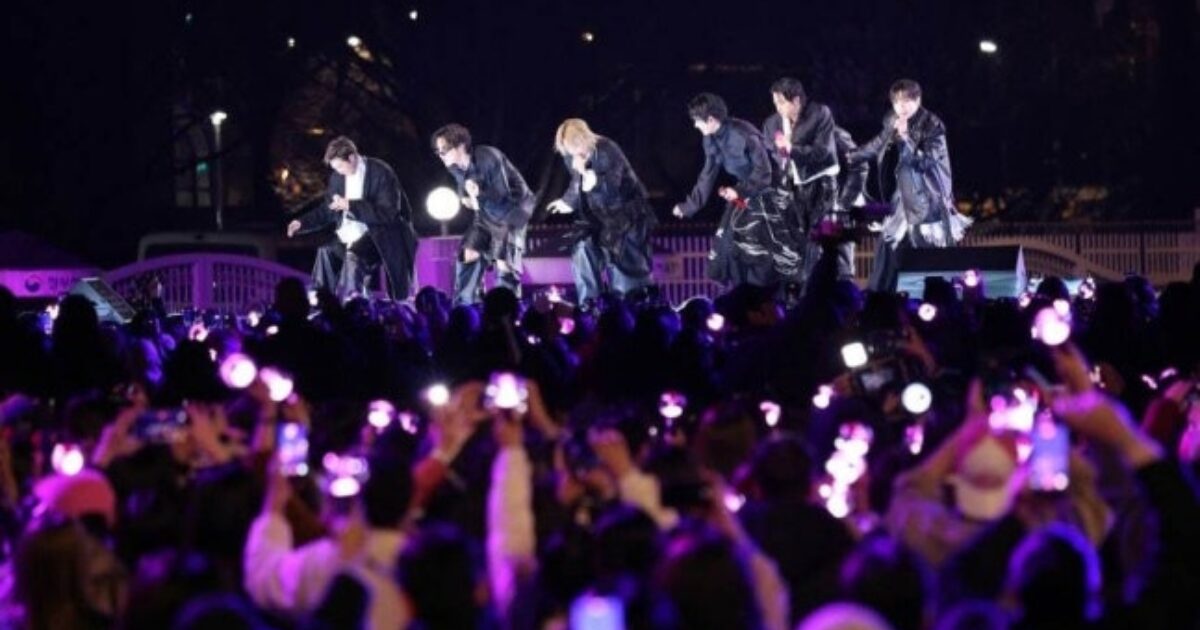
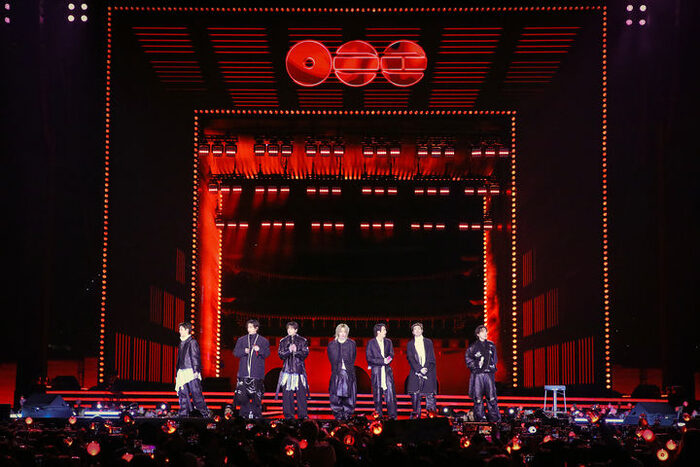
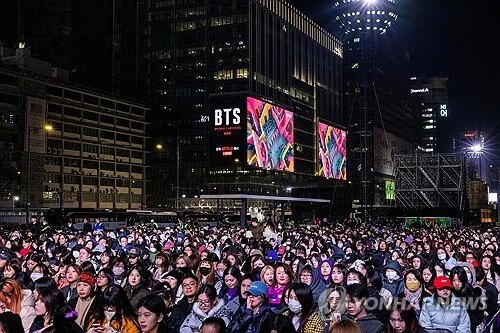
On the evening of March 21, 2026, Gwanghwamun Plaza, a landmark steeped in Korean history, transformed into a vibrant epicenter of modern pop culture. The occasion was BTS’s much-anticipated "comeback" concert, a grand event following a period of individual pursuits and highly successful solo endeavors by its members. The energy was palpable as fans from across the nation and beyond converged, eager to witness the septet perform together once more.
According to precise data meticulously collected by IGAWorks, a leading data technology company, a staggering total of 163,964 people entered the area within a one-kilometer radius of Gwanghwamun in Seoul between 5:00 PM and 10:00 PM. This five-hour window encompassed the peak activity period surrounding the concert, from pre-show excitement to the post-performance dispersal. The sheer volume of attendees underscores the event’s magnetic pull. Furthermore, a remarkable 41,570 individuals among them were identified as residents from outside the Seoul metropolitan area, signifying that this was not merely a local gathering but a large-scale national pilgrimage for fans, many of whom undertook considerable travel to be part of the historic moment. The influx of people from diverse regions across South Korea, from Busan to Jeju, highlights the widespread devotion to BTS and the collective desire to experience their return firsthand. The comprehensive police control measures and the notably crowded conditions throughout the designated zone further corroborate the strong likelihood that a predominant portion of these visitors were either direct attendees of the concert or drawn to the area specifically due to their keen interest in BTS and the celebratory atmosphere surrounding their comeback.
Demographic Breakdown: A Shifting Fandom Landscape
The most striking revelation from IGAWorks’ analysis lies in the age and gender distribution of the attendees. Contrary to the popular image of K-Pop fandom being dominated by teenagers and those in their early twenties, the Gwanghwamun concert painted a significantly different picture.
Women in their 40s emerged as the single largest demographic, accounting for a substantial 21.79% of the total attendees. This figure alone challenges conventional wisdom. Following closely, men in their 40s also recorded a notably high proportion at 13.30%, demonstrating significant male participation within this age bracket. The trend continued with women in their 50s comprising 12.15% and women in their 30s making up 12.05%. Collectively, individuals in their 30s, 40s, and 50s formed the indisputable core demographic of the Gwanghwamun event, signaling a powerful presence of mature fans.
In stark contrast, the share of those in their 20s and younger was comparatively lower than previous K-Pop concert benchmarks. While women consistently outnumbered men across all age groups, the notable participation of men, particularly those in their 30s to 50s, indicates a broader appeal that transcends traditional gendered fandom stereotypes. This granular data offers compelling evidence that the K-Pop landscape is undergoing a significant demographic transformation, with older audiences now playing a central and pivotal role.
Contextualizing the "Comeback": A Career Spanning Over a Decade
To fully appreciate the significance of this demographic shift, it is crucial to consider BTS’s extensive trajectory in the music industry. Having debuted in June 2013, the group had, by 2026, amassed nearly 13 years of experience, evolving from a promising rookie act into global superstars. This longevity is a critical factor in understanding the age profile of their current fanbase.
Fans who discovered BTS in their formative years – perhaps as teenagers or young adults in their early twenties during the group’s early career or its breakout international success periods – would naturally have aged alongside the members. A fan who was 20 years old in 2013 would now be 33. One who was 25 in 2013 would now be 38. This organic maturation of the fanbase is a testament to the group’s consistent output, evolving artistry, and the deep, sustained connection they have forged with their audience over more than a decade. The Gwanghwamun concert, therefore, was not just a reunion; it was a celebration for a generation of fans who have grown up with BTS, witnessing their journey and integrating their music into their personal life narratives. The "comeback" itself, after a period of individual focus, represented a renewed collective chapter, drawing back not only existing fans but potentially reigniting the passion of those who may have been less active during the solo periods.
The Evolution of the ARMY Fandom: From Youth Culture to Intergenerational Phenomenon
The Gwanghwamun concert serves as a powerful illustration of how the ARMY fandom has evolved from a primarily youth-centric subculture into a broad, intergenerational phenomenon. This shift fundamentally redefines the scope and impact of K-Pop. Historically, the genre was often perceived, particularly by Western media, as appealing almost exclusively to teenagers and young adults, characterized by fervent, often transient, obsessions. However, BTS has consistently shattered such preconceptions.
Their music, which often addresses themes of self-love, mental health, societal pressures, and personal growth, resonates deeply across age barriers. Their authentic messaging and relatable narratives have cultivated a loyalty that transcends fleeting trends. For many middle-aged fans, BTS offers more than just catchy tunes and synchronized choreography; they provide comfort, inspiration, and a sense of community. This deep emotional connection fosters a long-term engagement that ensures fans remain dedicated as they age, bringing their life experiences and increased resources to their fandom activities. The Gwanghwamun data vividly demonstrates that K-Pop, at least through the lens of BTS, has achieved a level of cultural embeddedness that allows it to retain and attract older demographics, proving its universal appeal and enduring power.
Economic Implications: The Power of Mature Fandoms
The growing participation of people in their 30s, 40s, and 50s carries significant economic implications for the cultural industry. This demographic typically possesses greater disposable income and more stable financial resources compared to younger fans. Their engagement is expected to drive substantial shifts across various sectors:
- Concert Market: Older fans are more likely to afford premium tickets, travel expenses, and accommodation, potentially increasing revenue per attendee. This could lead to more elaborate stage productions, higher-end venues, and a global touring strategy that caters to an affluent international audience.
- Merchandise Sales: While younger fans are significant consumers, mature fans often seek out higher-quality, collector’s edition merchandise, designer collaborations, and more sophisticated product lines, indicating a willingness to invest in premium items.
- Content Consumption: This demographic is also likely to invest in paid digital content, albums, streaming subscriptions, and official fan club memberships, providing stable, long-term revenue streams for artists and their agencies. Their preference for high-definition experiences and comprehensive content packages further enhances revenue potential.
- Tourism and Local Economies: Large-scale events like the Gwanghwamun concert, drawing tens of thousands from outside the metropolitan area, inject substantial funds into local economies through spending on transportation, hotels, restaurants, and other services. This transforms concerts into significant drivers of cultural tourism.
This "greying" of the K-Pop fandom signals a lucrative market opportunity, prompting agencies to reconsider their marketing strategies and product offerings to better cater to this financially capable and dedicated segment.
Broader Industry Impact and Future Strategies
The findings from BTS’s Gwanghwamun concert are not merely anecdotal; they represent a critical inflection point for the entire K-Pop industry. This demographic shift is likely to have profound ripple effects:
- Marketing and Branding: K-Pop agencies may begin to diversify their marketing campaigns, moving beyond youth-focused advertisements to include messaging that resonates with older audiences. This could involve collaborations with brands appealing to middle-aged consumers or content themes that address more mature life stages.
- Content Development: Artists might explore more diverse musical genres and lyrical themes to maintain relevance with an aging fanbase while still attracting new, younger listeners. This could lead to a richer, more varied musical landscape within K-Pop.
- Touring and Event Planning: Concert organizers might adapt their strategies to accommodate older attendees, considering factors like venue accessibility, seating comfort, and show timings. More global cities might be targeted based on pockets of mature fandom.
- Artist Longevity: The success of BTS in retaining and attracting older fans provides a blueprint for other K-Pop groups seeking sustained careers. It emphasizes the importance of artistic growth, authentic connection, and universal messaging over transient trends. Groups debuting today might look to cultivate deeper, more lasting relationships with their audience from the outset.
An industry official, commenting on the evolving landscape, remarked, "The BTS fandom is no longer limited to a specific age group and is expanding across all generations. This shift is likely to influence not only the concert market but also the structure of content consumption in the future." This statement encapsulates the sentiment that the industry is at the cusp of a significant transformation, driven by the maturing tastes and loyalties of its audience.
Netizen Reactions and Public Discourse
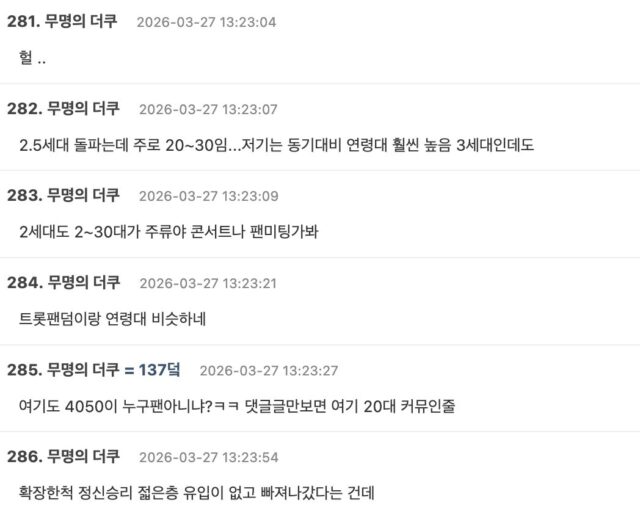
The statistics from the Gwanghwamun concert quickly sparked widespread discussion across South Korean online communities and social media platforms. Netizens expressed a mix of surprise, affirmation, and strategic commentary. Many were "floored at the statistics," acknowledging that the demographic profile of ARMY was notably older than even some "3rd generation fandoms," a reference to groups that debuted later than BTS. This observation highlights the unique longevity and cross-generational appeal BTS has cultivated.
A portion of the online discourse also saw netizens "calling out the company for not actively trying to recruit younger fans." This reaction, while perhaps a misinterpretation of the natural aging process of a long-standing fandom, reflects a common industry concern about maintaining a pipeline of new, young supporters. However, other commenters quickly countered, arguing that focusing solely on younger demographics would ignore the immense loyalty and purchasing power of their established, older fanbase. The debate underscored the complex challenge for agencies: how to balance nurturing an existing, aging fandom with the constant need to attract new generations of K-Pop enthusiasts. Many saw the mature demographic as a strength, proving the group’s enduring cultural significance rather than a sign of stagnation.
Methodology and Data Integrity
IGAWorks’ analysis was based on sophisticated estimates combining mobile data and location information. It is important to note that the methodology intentionally excluded users whose primary activity area is Jongno District, where Gwanghwamun is located. This exclusion was a deliberate measure to filter out regular residents and workers in the immediate vicinity, thereby enhancing the accuracy of identifying individuals who specifically traveled to the area for the event.
The company explicitly stated that the purpose of their analysis was not to precisely measure the crowd size at a specific moment, which can be highly variable, but rather to understand the broader characteristics of visitors and their movement patterns around the event. This approach provides valuable insights into the demographic makeup and reach of the concert, offering a robust, data-driven perspective on fan engagement without claiming to be an exact real-time headcount. The use of anonymized mobile data offers a powerful, unobtrusive method for analyzing large-scale public gatherings, providing a window into societal trends and consumer behavior.
Expert Perspectives on a Maturing Fandom
Cultural sociologists and K-Pop analysts are increasingly viewing the Gwanghwamun findings as a watershed moment. Dr. Lee Min-ji, a professor of cultural studies at Seoul National University, commented, "This data provides empirical evidence that K-Pop has transcended its niche origins and matured into a global cultural force capable of sustaining multi-generational appeal. BTS, with their consistent artistry and message, has effectively aged with their audience, proving that pop music fandom isn’t always a fleeting phase."
She further elaborated, "The loyalty of an older demographic is invaluable. These fans often possess a deeper emotional investment, having followed the group through various career phases. They are not only consumers but also cultural ambassadors, introducing the music to their families and social circles, thereby naturally expanding the fandom’s reach." This perspective suggests that the "greying" of the fandom is not a limitation but a testament to K-Pop’s increasing legitimacy and its ability to foster enduring cultural connections.
Conclusion: A New Era for K-Pop
The BTS comeback concert in Gwanghwamun stands as a powerful symbol of K-Pop’s evolving landscape. The revelation that middle-aged fans, particularly those in their 40s, formed the largest segment of attendees shatters conventional stereotypes and ushers in a new era for the genre. This shift signifies not only the remarkable longevity and universal appeal of BTS but also the increasing maturity and broadening demographic base of the K-Pop fandom as a whole.
With a dedicated, financially capable, and intergenerational fanbase, the K-Pop industry is poised for continued growth and diversification. The implications extend far beyond concert attendance, promising to reshape marketing strategies, content creation, and the overall economic footprint of the cultural sector. As K-Pop continues its global expansion, understanding and nurturing this expanding universe of fans will be paramount to its sustained success and its enduring legacy in the annals of global music history.