The glittering world of K-Pop, often perceived as a guaranteed gateway to global fame and fortune, conceals a stark reality for many of its stars: the intense competition, demanding schedules, and often short-lived careers can lead to significant uncertainty once the spotlight fades. A growing number of former K-Pop idols are now making headlines not for their music or performances, but for their surprising transitions into professions far removed from the entertainment industry. These individuals, once at the forefront of the Hallyu wave, are demonstrating resilience and adaptability, forging new paths as web novelists, grass cutters, DJs, taxi drivers, farmers, hairdressers, and even adult bar hostesses, challenging conventional notions of post-fame life. Their stories shed light on the economic realities and personal journeys that shape the lives of idols after their contracts end.
The K-Pop industry is notoriously brutal. Aspiring idols often spend years, sometimes a decade, in rigorous training, incurring substantial debt to their agencies. Upon debut, only a minuscule fraction achieve mainstream success, and even fewer maintain it for an extended period. The average career span for an idol group is relatively short, with many disbanding within seven years due due to contract expirations or lack of commercial viability. This leaves a significant number of talented individuals at a crossroads, needing to redefine their identities and secure their livelihoods.
From Stage to Storytelling: Jeon Jiyoon’s Literary Turn

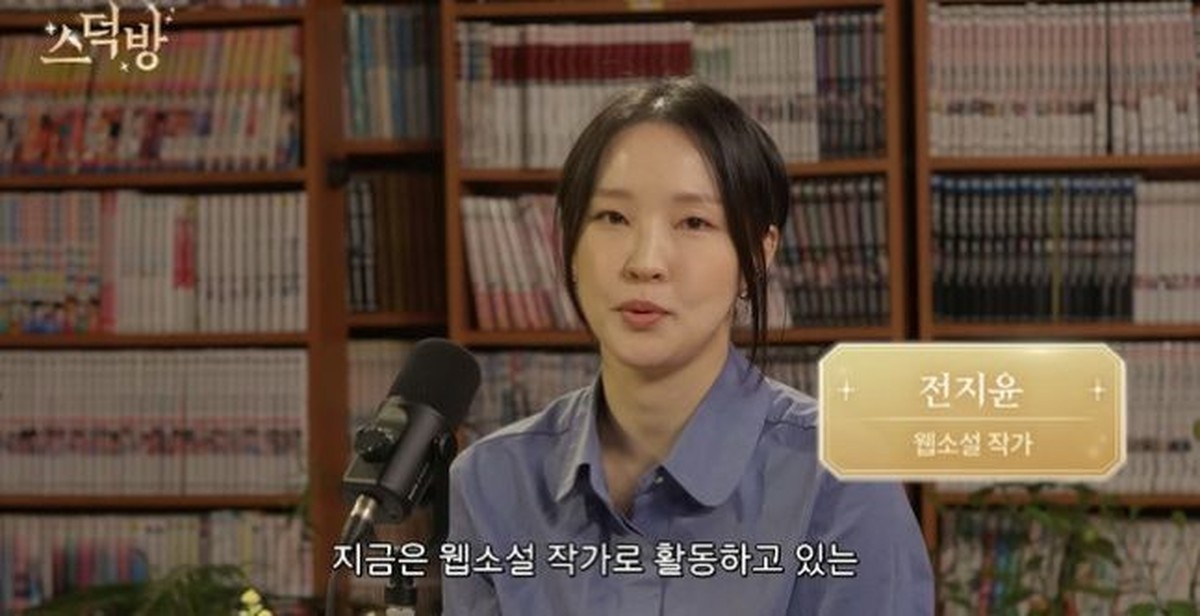
Jeon Jiyoon, a former member of the popular girl group 4minute, exemplifies the shift towards creative yet less public-facing roles. After 4minute’s disbandment in 2016, a common fate for many groups, Jiyoon embarked on a solo music career. However, the transition proved challenging, and she eventually sought a different avenue for her artistic expression. She has since transitioned into a web novelist, using a pen name to carve out a new identity in the burgeoning digital literature scene in South Korea. This move allows her to continue her creative pursuits while maintaining a degree of privacy. Further underscoring her commitment to a stable future, Jiyoon also participated in a South Korean government academy program, likely aimed at vocational training or career development, indicating a proactive approach to re-skilling and securing a sustainable livelihood outside the volatile entertainment sector. This initiative highlights government recognition of the need to support individuals in high-pressure industries like K-Pop in transitioning to new careers.
The Rapper Who Became a Grass Cutter: C.A.P’s Embrace of Manual Labor
Perhaps one of the most striking transformations is that of C.A.P, formerly Bang Minsu, the leader and main rapper of the boy group Teen Top. Following his departure from the group, C.A.P candidly revealed his decision to take up manual labor, specifically working as a freelance grass cutter. This vocational choice, far removed from the glamour of idol life, has garnered significant public attention. C.A.P has openly discussed the financial realities of his new profession, stating that he can earn approximately 70,000 won (around $50 USD or Rp786,000) daily. While this income may seem modest compared to the potential earnings of a successful idol, it represents a stable and tangible income, a stark contrast to the often precarious financial situations of many idols who are burdened by training debts and low initial pay. His decision reflects a desire for a more grounded lifestyle and financial independence, challenging the societal stigma often associated with manual labor for former celebrities. C.A.P has also spoken about finding peace and mental well-being away from the constant scrutiny and pressures of the K-Pop industry.
Post-Idol Life as a TikTok DJ: Yulhee Navigates Personal Change
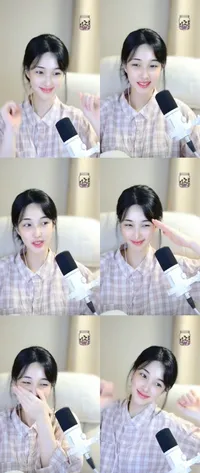
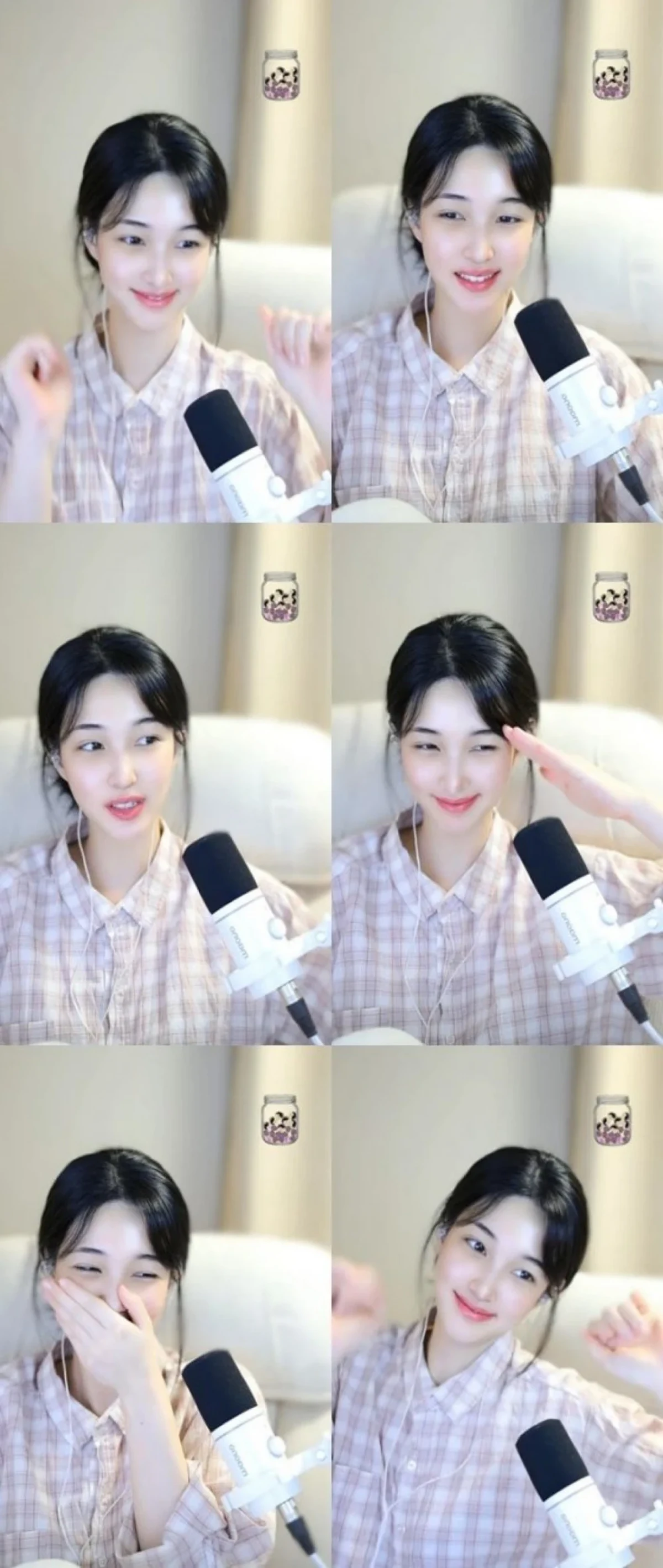
Yulhee, a former member of the girl group LABOUM, has found a new stage on social media. After a high-profile marriage to FTISLAND’s Minhwan and subsequent divorce, Yulhee embarked on a new career as a DJ, primarily through live streaming on TikTok. Her live sessions involve playing K-Pop songs requested by viewers, allowing her to connect with fans in a new, interactive format. This transition illustrates the evolving landscape of digital platforms offering new avenues for former entertainers to monetize their skills and maintain a public presence on their own terms. For Yulhee, a young mother navigating personal changes, the flexibility and direct fan engagement offered by TikTok DJing provide a unique blend of creative outlet and income generation, adapting her entertainment background to a contemporary digital medium.
Driving a New Path: Taeheon’s Journey from Idol to Taxi Driver
Taeheon, a former member of the boy group ZE:A, which famously produced successful actors like Im Siwan and Park Hyungsik, has chosen a path of public service as a taxi driver. Taeheon has openly shared his new daily routine through a YouTube vlog, offering a transparent look into his life after K-Pop. His vlogs depict early morning starts, often as early as 6 AM, and the demanding nature of his work. His choice to document this journey on YouTube not only provides a source of income but also serves to demystify the lives of former idols, showing the hard work and dedication required to earn a living in a conventional profession. This move highlights the importance of stable employment and a regular income for many who exit the entertainment industry, valuing consistency over the unpredictable highs and lows of fame.
Cultivating a New Life: Shoo’s Transformation from Pop Star to Farmer

Shoo, a pioneering member of the first-generation K-Pop girl group S.E.S., has taken a truly unexpected turn by becoming a farmer. S.E.S. was one of the most iconic groups of the late 1990s and early 2000s, making Shoo’s current profession a significant departure. Her story is particularly poignant as it follows personal challenges, including a highly publicized gambling scandal. After a period of public scrutiny and reflection, Shoo retreated from the limelight and embraced a more grounded, nature-based lifestyle. As a mother, she also expanded her efforts into developing a healthy food business, combining her farming endeavors with entrepreneurship focused on well-being. This transition signifies a profound shift towards self-sufficiency, a connection to nature, and a desire to build a legacy rooted in tangible production, moving beyond the ephemeral nature of celebrity. It also speaks to the human capacity for reinvention and finding redemption through honest labor and community engagement.
Styling a Second Act: Lee Ji Hyun Finds Her Calling as a Hairdresser
Lee Ji Hyun, a former member of the popular girl group Jewelry, has found her new calling in the beauty industry. After her time with the group, which had a long and successful run, Ji Hyun decided to acquire practical skills and now works as a hairdresser in a salon. She provides a variety of hair treatments and services, utilizing a tangible skill that offers stability and direct client interaction. This career choice reflects a common trend among former idols who seek professions that leverage creativity and personal interaction without the intense public scrutiny of entertainment. The beauty industry in South Korea is highly developed and competitive, but also offers a steady career path for skilled professionals, allowing Ji Hyun to build a new career based on craftsmanship and direct service, offering a sense of normalcy and control over her professional life.
A Controversial Shift: Haru’s Reality of Post-Fame Choices
The most recent and perhaps most controversial transition is that of Haru, a former member of the girl group NATURE. Haru recently revealed her new profession as a hostess in an adult bar, a decision that has predictably ignited significant public debate and polarized opinions. NATURE debuted relatively recently, and its struggles to achieve widespread success highlight the harsh realities faced by many groups in the saturated K-Pop market. Haru’s choice, while personally driven, brings to the forefront the financial desperation and limited options that some former idols face. The role of a hostess in such establishments, while legal, often carries a social stigma in South Korea, especially for someone who was once presented with an innocent "idol" image. This situation underscores the immense pressures and often challenging circumstances that can force individuals into difficult career decisions, prompting discussions about the industry’s responsibility to its artists and the broader societal expectations placed upon former public figures. It reveals a darker side of the entertainment ecosystem, where the dream of stardom can quickly turn into a struggle for survival, pushing individuals to make choices that are both economically rational for them and emotionally challenging for the public to accept.
The Broader Context: Challenges of Post-Idol Life
These diverse career paths are not just individual stories but symptoms of systemic challenges within the K-Pop industry. The idol training system, while creating polished performers, often leaves individuals with limited formal education or vocational skills outside of entertainment. Many debut with significant financial obligations to their agencies, which can take years to repay, if at all. When groups disband or contracts expire, idols can find themselves without a safety net, facing immense pressure to find new sources of income and purpose.
The mental health toll of idol life is also a significant factor. The constant scrutiny, strict diets, lack of privacy, and intense competition can lead to burnout, anxiety, and depression. For some, a complete departure from the public eye and a move into a "normal" job is a deliberate choice to prioritize mental well-being and a more balanced life. The perceived glamour of K-Pop often overshadows the reality that most idols do not achieve lasting wealth or universal recognition.

Economic Realities and Financial Stability
The pursuit of financial stability is a common thread among these transitions. While some top-tier idols amass considerable wealth, the vast majority earn modest incomes, especially early in their careers. After years of training and performance, many are left with little savings. Professions like taxi driving, hairdressing, or farming offer a predictable income stream and tangible skills, which are invaluable assets in a competitive job market. C.A.P’s candidness about his daily earnings as a grass cutter illustrates a fundamental shift in priorities – from the potential for stratospheric fame to the practical need for a steady paycheck. The rise of digital platforms like TikTok also presents new entrepreneurial opportunities, allowing former idols like Yulhee to leverage their existing fan base and performance skills in a flexible, self-managed capacity.
Redefining Success and Public Perception
The public’s reaction to these career changes is often mixed. While some express admiration for the idols’ courage, humility, and adaptability, others may express pity or even judgment, particularly for choices that defy conventional expectations of celebrity. Haru’s case, in particular, highlights the persistent societal expectations placed on former idols to maintain a certain image, even after leaving the industry. However, these stories also contribute to a broader cultural conversation about what "success" truly means. For many of these individuals, success is no longer defined by chart-topping hits or sold-out concerts, but by personal fulfillment, financial independence, and the dignity of honest work, regardless of its perceived status. They are redefining what it means to transition from a highly specialized, intensely public role into the diverse fabric of everyday life.

Government and Industry Initiatives
The participation of Jeon Jiyoon in a government academy program suggests a nascent recognition of the need for support systems for former entertainers. Such programs could become crucial in providing vocational training, counseling, and job placement assistance for individuals transitioning out of the entertainment industry. Furthermore, K-Pop agencies themselves could be encouraged to implement better exit strategies, including financial literacy training and career counseling, to better prepare their artists for life beyond the stage. The industry’s current model often focuses solely on debut and success, with little attention paid to the well-being and future prospects of those who do not make it or choose to leave.
Conclusion
The journeys of Jeon Jiyoon, C.A.P, Yulhee, Taeheon, Shoo, Lee Ji Hyun, and Haru offer a compelling glimpse into the lives of K-Pop idols after the fanfare subsides. Their transitions into diverse and often unexpected professions underscore the complex realities of the entertainment industry, the personal challenges of post-fame life, and the enduring human desire for purpose, stability, and self-reinvention. These individuals, once celebrated on global stages, are now quietly demonstrating remarkable resilience and adaptability, forging new identities and livelihoods, and in doing so, are subtly reshaping public perceptions of what it means to be a former K-Pop idol in South Korea. Their stories are a powerful reminder that beyond the dazzling lights and synchronized choreographies, there are real people navigating profound personal and professional transformations.