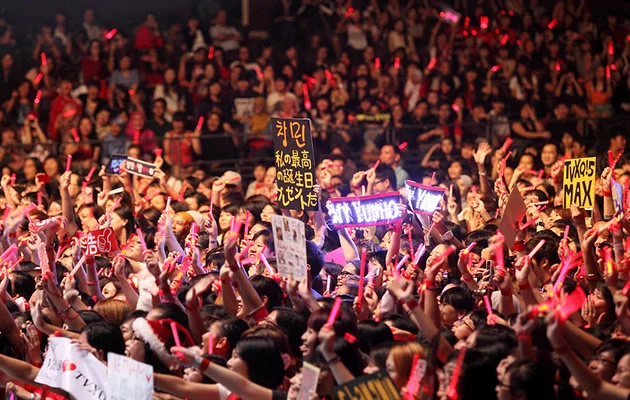
The global ascent of Korean popular music, or K-pop, has transformed from a regional cultural export into a sophisticated multi-billion-dollar ecosystem driven largely by its highly organized and digitally savvy consumer base. Central to this phenomenon is the concept of the "fandom," a structured community of enthusiasts whose engagement goes far beyond mere music consumption. While the term is utilized across various entertainment sectors—including film franchises like Harry Potter or Western pop acts like One Direction—the K-pop iteration of fandom is uniquely characterized by its hierarchical stratification, rigorous internal politics, and a symbiotic relationship with the South Korean entertainment industry. Understanding the mechanics of these communities is essential for any observer or participant looking to navigate the intricate social and economic landscape of modern Hallyu.
The Hierarchical Stratification of K-pop Consumer Groups
In the K-pop industry, the identification of a fan is rarely a singular designation. Instead, it operates within a nested hierarchy that begins with a general interest in the genre and narrows down to specific individual idols. At the broadest level, an individual may identify as a "K-pop fan," a term that encompasses a general appreciation for the industry’s production values, choreography, and aesthetic. However, as engagement deepens, consumers typically gravitate toward specific "bias" groups.
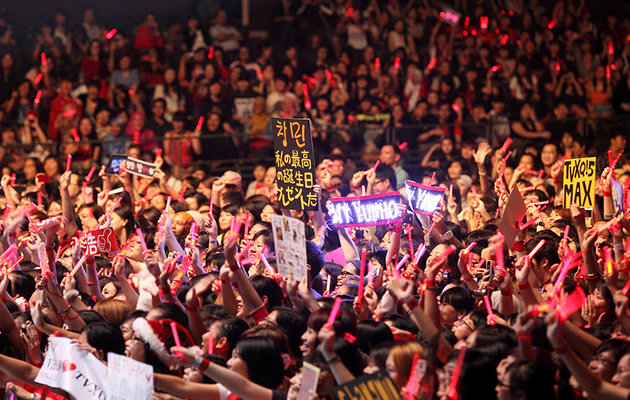
This secondary level of involvement is where the formal "fandom" begins. Each group is assigned a specific fandom name by their management agency—such as "SHAWOL" for fans of the group SHINee or "ARMY" for fans of BTS. These designations serve as a primary social identity within the community. The stratification continues further with the "bias" system, where a fan identifies a favorite individual member within a group. This creates tertiary sub-fandoms; for instance, a SHINee fan whose primary interest is the member Taemin is colloquially known as a "Taemint."
This intricate division system is a double-edged sword. While it fosters a deep sense of belonging and personalized engagement, it also creates fertile ground for internal friction. "Akgaes," a term used to describe fans who support only one member of a group to the detriment of others, often clash with "OT" (One True) fans who support the group as a whole. These internal politics are a defining feature of the K-pop experience, necessitating a level of social navigation not typically required in other music genres.
Chronology of Fandom Evolution: From Balloons to Digital Platforms
The evolution of K-pop fandoms mirrors the technological and economic trajectory of South Korea itself. In the late 1990s, during the "First Generation" of K-pop (led by groups like H.O.T. and Sechs Kies), fandom activity was primarily localized and physical. Coordination occurred via fan clubs that utilized colored balloons and raincoats to signify loyalty during live broadcasts. Communication was limited to physical mail and rudimentary internet bulletin boards.

The "Second Generation" (roughly 2005–2011), featuring groups like TVXQ, Big Bang, and Girls’ Generation, saw the rise of the "Official Fan Cafe." Hosted on South Korean portals like Daum or Naver, these cafes became the administrative hubs for fandoms. They introduced "level-up" systems, where fans had to prove their loyalty through quizzes or purchase proofs to access exclusive content. This era also marked the beginning of international expansion, though global fans remained largely marginalized due to the requirement of Korean social security numbers for digital registration.
The "Third and Fourth Generations" (2012–present) have witnessed a total digital transformation. The emergence of platforms like Weverse, Lysn (Bubble), and Universe has bypassed traditional portals, allowing agencies to communicate directly with a global audience. Fandom is no longer a localized Korean phenomenon but a 24-hour global operation coordinated across X (formerly Twitter), TikTok, and Discord.
The Infrastructure of Official and Unofficial Engagement
For the dedicated consumer, the "Official Fan Cafe" remains the gold standard of engagement, particularly for those residing in South Korea. These platforms are formally sanctioned by agencies like SM Entertainment, HYBE, and JYP Entertainment. Membership often requires an annual fee in exchange for a "membership kit," which includes exclusive merchandise and, more importantly, priority access to concert tickets and music show tapings. For international fans, however, the "official" route presents significant barriers, including language gaps and the logistical impossibility of attending domestic South Korean events.

Consequently, a robust infrastructure of "unofficial" international fan sites has emerged. These sites are often volunteer-run and provide essential services such as:
- Translation Services: Volunteer teams translate lyrics, variety show appearances, and social media posts into multiple languages, bridging the gap between the artist and the global market.
- Digital Streaming Parties: Coordinated efforts to increase a group’s rankings on charts like Billboard or Spotify through strategic listening.
- Philanthropy and Activism: Fandoms frequently organize large-scale charitable donations in the name of their favorite idols, such as planting forests or funding schools, which serves to enhance the public image of the artist.
Data-Driven Analysis of Fandom Economic Power
The economic impact of organized K-pop fandoms is unprecedented in the music industry. Unlike Western models that rely heavily on passive streaming, the K-pop model is built on "high-touch" engagement and physical sales. According to data from the Circle Chart (formerly Gaon), physical album sales in South Korea surpassed 100 million units in 2023, a record high driven by fans purchasing multiple versions of the same album to collect "photo cards" or to increase their chances of winning entry into "fan sign" events.
Furthermore, the "Rice Wreath" phenomenon demonstrates the logistical sophistication of these groups. During press conferences or concerts, fandoms coordinate the delivery of tons of rice to the venue, which is later donated to charity. A single event can see the accumulation of 20 to 30 tons of rice, representing tens of thousands of dollars in coordinated spending. This level of financial mobilization indicates that K-pop fandoms operate more like decentralized corporations than traditional hobbyist groups.

Industry Responses and Management Strategies
Entertainment agencies have recognized that the fandom is their most valuable asset, leading to a shift in how idols are marketed. The "parasocial relationship"—the sense of intimacy between a fan and a celebrity—is carefully cultivated through "Direct Messaging" apps like Bubble, where fans pay a monthly subscription to receive "personal" texts from idols.
Official statements from agencies often prioritize fandom sentiment. When a "dating scandal" or controversy arises, the reaction of the fandom can determine whether an artist remains in the group or is forced into a hiatus. For example, the "truck protests"—where fans hire LED trucks to circle agency buildings with protest messages—have become a common and effective tool for fandoms to exert pressure on corporate decision-making regarding artist treatment or promotional strategies.
Implications: The Fandom as a Cultural Powerhouse
The broader implications of K-pop fandom dynamics suggest a shift in the power balance between producers and consumers. In the K-pop world, the fan is not a passive recipient of culture but an active participant in its creation and promotion. By editing videos, writing fan fiction, and managing massive social media networks, fans act as unpaid marketing departments that are often more effective than the agencies themselves.

However, this intensity comes with psychological and social risks. The "sasaeng" phenomenon—extreme fans who engage in stalking and privacy invasion—remains a persistent issue that agencies struggle to contain. Moreover, the "black ocean" (where rival fandoms turn off their lightsticks during an artist’s performance) serves as a reminder of the potential for organized hostility within the community.
Conclusion: The Personal Dimension of Global Communities
Ultimately, while the mechanics of K-pop fandoms are complex and often governed by rigid social hierarchies and economic pressures, the core of the experience remains deeply personal. The industry thrives because it provides a sense of community and emotional resonance that transcends national borders. Whether a fan is an "official" member of a Daum cafe or an "unofficial" participant on Tumblr, the sense of belonging to a collective movement is what sustains the genre’s longevity.
As K-pop continues to integrate into the global mainstream, the strategies pioneered by its fandoms—digital mobilization, organized philanthropy, and direct-to-consumer engagement—are likely to become the blueprint for the future of the global entertainment industry. In this landscape, the "real fan" is defined not by their level of spending or their geographic location, but by their active participation in a global cultural dialogue.